
October 8, 2026
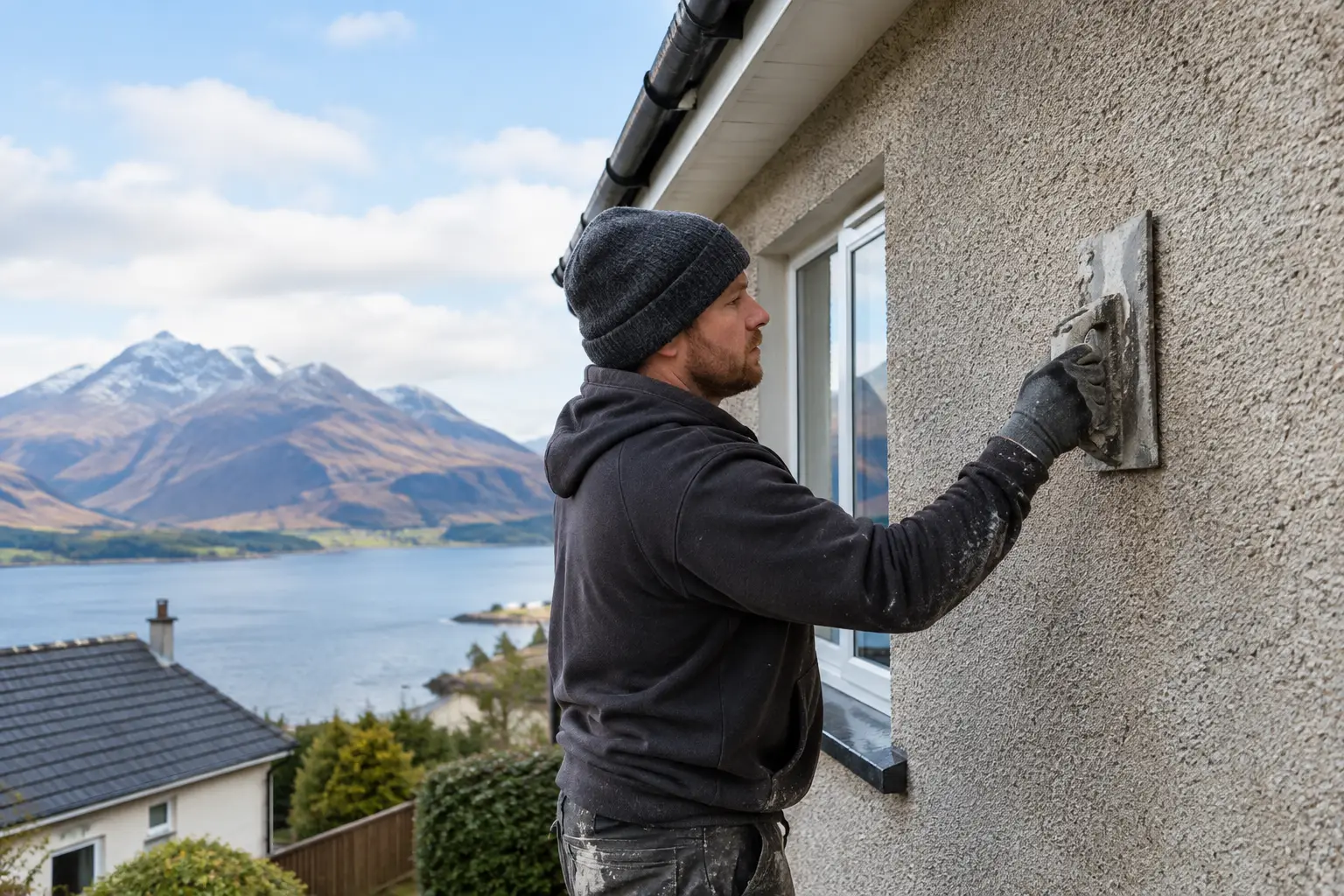
Is roughcasting worth it? See how this durable exterior finish protects Scottish homes, what affects the cost, and whether repair is enough for you...

A roof guarantee can sound reassuring, but the wording matters far more than the headline number. When people search for “roofing guarantees explained UK”, they usually want to know one thing: if the roof leaks again, who will put it right and what will it cost? The answer depends on the type of cover, the written terms and whether the original contractor is still trading.
For homeowners, landlords and property managers, a guarantee should be a clear record of responsibility, not a vague promise made on the doorstep. Before approving repairs, a new roof or flat roofing system, take time to understand what is being guaranteed and what is not.
The word “guarantee” is often used to cover several different protections. They are not interchangeable.
A workmanship guarantee comes from the roofing contractor. It covers faults caused by the installation or repair work itself, such as incorrectly fitted tiles, poor leadwork detailing, defective flashing or a flat roof seam that fails because it was not installed correctly. If the issue is within the guarantee terms, the contractor should return to inspect it and carry out the necessary remedial work.
A manufacturer’s warranty relates to the roofing product rather than the roofer’s labour. This might apply to a flat roofing membrane, roof tiles, insulation, guttering or another specified material. It can be useful, but it will normally only cover a defect in the product. It may not pay for the labour, access equipment or associated repairs needed to remove and replace it.
An insurance-backed guarantee is a separate policy designed to provide protection if the contractor has ceased trading and cannot honour their workmanship guarantee. This is not automatically included with every roofing job, and its terms, claim process and exclusions need to be checked carefully. It can be particularly worth considering for substantial projects, such as a full re-roof or commercial flat roof installation.
Finally, there are your legal consumer rights. A written guarantee sits alongside these rights and should not remove them. In most domestic situations, roofing services must be carried out with reasonable care and skill. A guarantee is still valuable because it sets out a practical route for dealing with defects, but it is not the only protection a customer has.
A proper workmanship guarantee should name the contractor, your property, the work completed and the date of completion. It should state the guarantee period and explain what happens if you need to report a problem.
The scope is just as important as the length. A five-year guarantee on a targeted repair may be appropriate where a contractor has renewed failed flashing, repaired a valley or replaced a damaged section of flat roof. It does not mean the rest of an older roof, which was not part of the job, is suddenly guaranteed for five years.
For a new roof, the scope may be wider because the contractor has installed the main roof covering and related components. Even then, details matter. Are ridge tiles, valleys, lead flashings, ventilation, gutters and fascias included? If insulation or roof windows have been fitted, are they covered by separate warranties?
At Forth Valley Roofing, insured workmanship and a five-year guarantee are part of the reassurance offered with qualifying work. The right approach is to discuss the exact work being carried out before the job starts, so there is no confusion later about the protection provided.
No honest roofing guarantee covers every possible cause of future damage. Scottish weather can be hard on a roof, particularly after high winds, driving rain, frost or heavy snowfall. Storm damage, impact damage and problems caused by fallen branches are normally insurance matters, rather than workmanship defects.
Guarantees may also exclude neglect or alterations made by others. For example, a roof can be damaged when an aerial installer, solar contractor or other tradesperson walks on tiles, cuts into a membrane or interferes with flashings. Blocked gutters can force water back into the eaves and create damp problems that are not caused by the roofing work itself.
Existing defects are another important point. If a contractor is asked to repair one leaking area on a roof that is otherwise nearing the end of its life, they should be clear that the repair is limited to the identified fault. A trustworthy roofer will explain if further deterioration elsewhere is likely and set out the practical options, rather than promising a permanent cure where one cannot reasonably be given.
A long guarantee is not always better. A ten-year promise with unclear terms can be less useful than a clearly written five-year workmanship guarantee from an established local contractor that answers the phone, records the work properly and returns if there is a genuine issue.
Look for a detailed written quotation before work begins. It should describe the materials, labour and areas of the roof involved. If a repair is exploratory because the source of a leak is not yet fully visible, the contractor should say so and explain how additional findings will be handled.
You should also ask whether the contractor has appropriate insurance. Public liability insurance is not the same as a guarantee, but it is an important sign that a business takes its responsibilities seriously. For larger work, ask whether an insurance-backed option is available and whether it is suitable for the project.
Keep your paperwork after completion. The quotation, invoice, guarantee certificate, photographs and any manufacturer documents make it much easier to establish what was done if a concern appears later. This is particularly useful for landlords, property managers and anyone who may sell the property within the guarantee period.
You do not need technical roofing knowledge to ask sensible questions. A reputable contractor should be happy to give straight answers. Before proceeding, ask:
These questions are especially useful for flat roofs. The performance of systems such as modern single-ply membranes depends on correct preparation, detailing around outlets and upstands, and careful installation. The material warranty matters, but workmanship and drainage design matter just as much.
The scale of the job should influence your expectations. A small emergency repair may involve replacing a few slipped slates, securing loose ridge tiles or sealing a localised flashing defect. In these cases, the guarantee should relate to that repair, not to unrelated weaknesses in an ageing roof.
A planned new roof gives more opportunity to provide comprehensive protection because the contractor can inspect the structure, replace deteriorated components and install the roof covering as a complete system. It is still sensible to check whether scaffolding, waste removal, ventilation, leadwork and rainwater goods form part of the agreed specification.
For commercial premises, the same principle applies, although access arrangements, roof use and maintenance responsibilities can be more complex. A flat roof that is regularly accessed for plant maintenance may need clear rules about preventing damage by third parties. Property managers should make sure those responsibilities are recorded from the outset.
If you believe recently completed roofing work has failed, report it promptly and in writing. Take clear photographs or videos from a safe position, note when the issue began and avoid allowing anyone else to alter the affected area before the original contractor has had a reasonable opportunity to inspect it. In an emergency, protecting the property from further water damage comes first, so keep records of any temporary measures taken.
A good contractor will investigate rather than dismiss a concern. The inspection may show that the problem is covered workmanship, an unrelated defect, blocked drainage or fresh storm damage. That distinction can feel frustrating, but a clear explanation with evidence is far more useful than a quick assumption.
The best time to understand a roofing guarantee is before work is booked, when you can compare scopes of work and ask direct questions without pressure. Choose a local roofer who explains the job plainly, provides written terms and remains available after the scaffolding comes down – that is the protection that counts when the rain returns.
Is roughcasting worth it? See how this durable exterior finish protects Scottish homes, what affects the cost, and whether repair is enough for you...
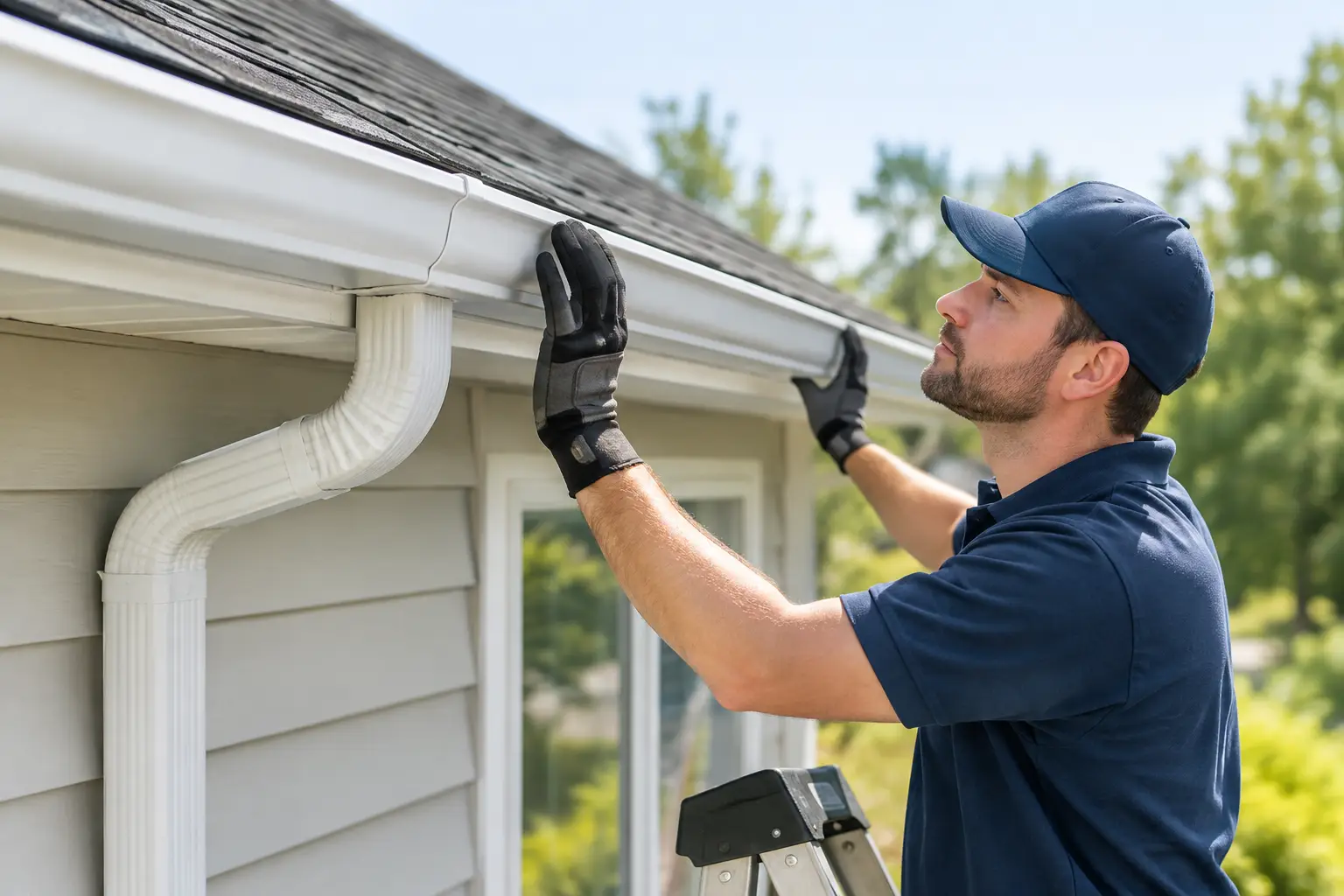
See a gutter replacement project example, from the first inspection to fitting new gutters, and learn what protects a Central Scotland home in winter.

Does roof ventilation reduce condensation? Learn when roof vents help, what causes loft moisture and how to protect your Central Scotland home this winter.