October 9, 2026
Learn how to assess heritage slate roofs, plan sympathetic repairs and protect a Central Scotland property from leaks, storm damage and costly disruption.

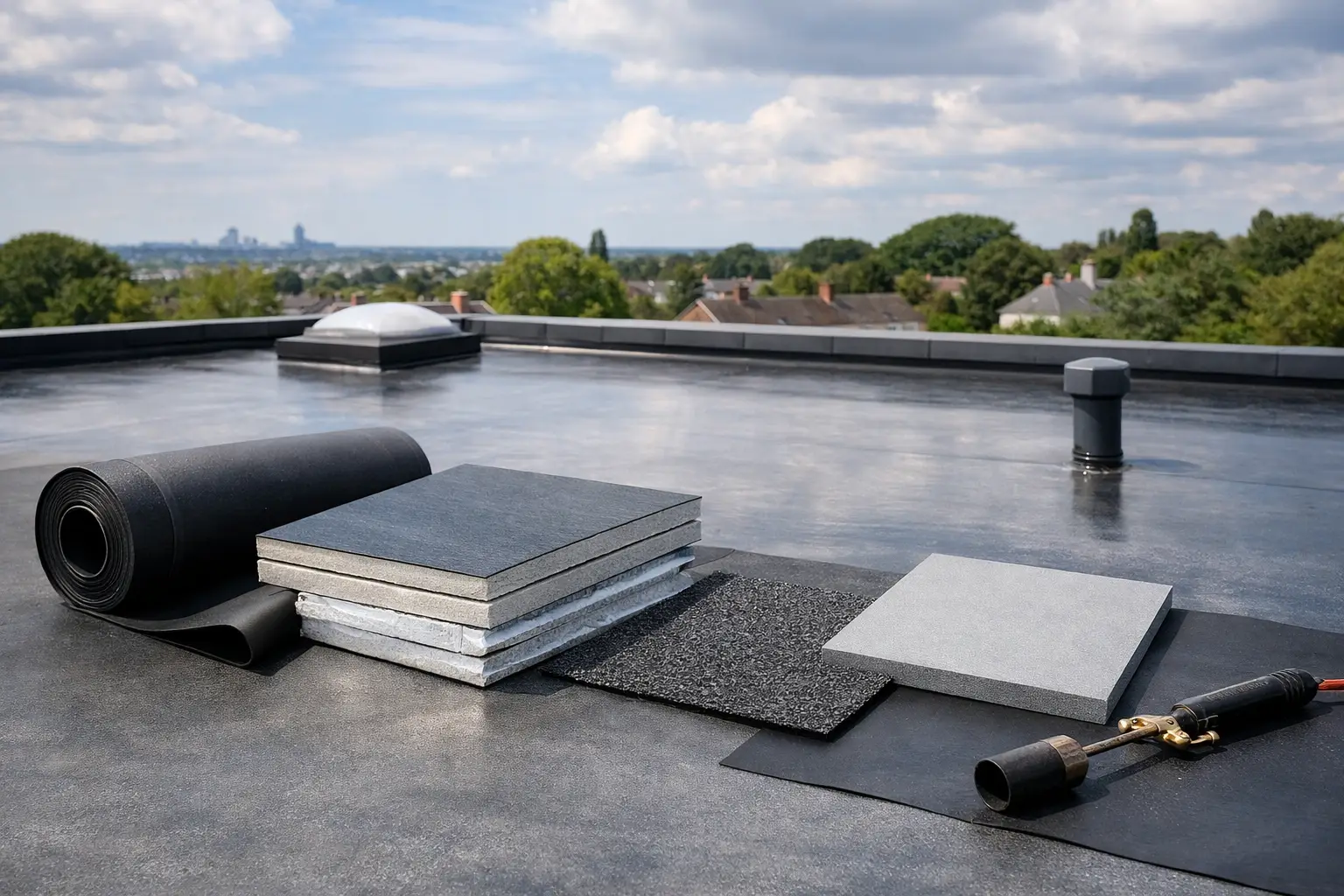
A flat roof that starts holding water after a wet Scottish winter usually tells you two things straight away – the material matters, and the cheapest option at the start is not always the cheapest to live with. If you are trying to work out the best flat roofing material UK property owners should choose, the right answer depends on the size of the roof, the condition of the deck, your budget, and how long you want the system to last.
For homes, garages, extensions and commercial units across Central Scotland, there is no single perfect material for every job. Some systems are better for durability, some are better for price, and some are better where detailing around edges, outlets and rooflights needs a cleaner finish. The key is choosing a roof covering that suits the building and is installed properly from the start.
In most cases, the main options are EPDM rubber, traditional felt, fibreglass GRP, and single-ply PVC systems such as Fatra. Each has strengths, and each has situations where it makes more sense than the others.
If you want a straightforward answer, EPDM and high-quality single-ply systems are often strong choices for long-term performance. Felt can still be a good option when budget is tighter. GRP can work very well on smaller domestic roofs with fewer complicated details. The best choice is not just about the product on paper – it is about how well it fits the roof and how well it is installed.
A lot of homeowners start with price, which is understandable. Roofing is a major expense, and nobody wants to pay more than they need to. But flat roofing should be judged over years, not just the day the quote arrives.
A lower-cost felt roof may make sense if you need a practical replacement on a garage or shed and want to keep the upfront bill down. On the other hand, if you are replacing the roof on a home extension that you expect to keep for decades, spending more on a longer-lasting membrane can be the better value.
That is where experienced advice makes a difference. A good roofer should explain not only what each system costs, but what you can realistically expect from it in British weather, especially in areas exposed to wind, rain and temperature changes.
EPDM is one of the most popular flat roofing materials in the UK, and for good reason. It is a rubber membrane known for flexibility, weather resistance and a long service life. On many domestic properties, especially extensions and garages, it is a reliable all-round option.
One of the biggest advantages of EPDM is that it copes well with movement and changing temperatures. Flat roofs expand and contract throughout the year, and a material that can handle that without splitting is a real benefit. EPDM also has fewer seams than some other systems, which helps reduce weak points.
It is not perfect for every roof. The finish is more functional than decorative, and on roofs with a lot of awkward penetrations or complex detailing, other systems may offer a tidier result. Still, if you want something dependable, low-maintenance and proven, EPDM is hard to ignore.
Felt roofing has been around for years, and many people still ask for it because it is familiar and usually more affordable than newer systems. Modern felt is not the same as older, thinner versions that gave flat roofs a poor reputation. A properly installed high-performance felt system can provide solid protection and good value.
Felt is often a sensible option for garages, outbuildings and some residential roofs where budget is a major factor. It can be layered to improve durability and is widely used across the UK. If installed by an experienced contractor, it can perform well.
The trade-off is lifespan. In general, felt will not usually match the longevity of top-end single-ply or rubber systems. It can also be more vulnerable over time if the roof gets regular foot traffic or if previous repairs have left the structure uneven. That does not make it a poor choice – it just means it is best chosen with realistic expectations.
GRP, often called fibreglass roofing, is another common flat roof option for UK properties. It creates a hard, seamless surface and can look very neat on smaller roofs. Many homeowners like it for porches, dormers, bay tops and extensions where appearance matters as well as performance.
A well-installed GRP roof is strong and waterproof, with a clean finish around trims and edges. Because it forms a continuous layer, there are no joints across the main field of the roof, which can reduce the chance of leaks.
The main thing with GRP is that installation conditions matter. It needs to be laid in the right weather and on a properly prepared surface. If rushed or fitted in poor conditions, problems can appear later. On larger roofs, or where there is more movement in the structure, it may not always be the first choice compared with more flexible membranes.
Single-ply PVC roofing is widely used on both domestic and commercial flat roofs, and systems such as Fatra are a strong option where long-term performance and a professional finish are priorities. These membranes are durable, welded at the seams, and well suited to roofs with more complicated details.
This type of system often appeals to property owners who want a modern flat roof solution with good resistance to standing water, UV exposure and everyday wear. It can be especially effective on larger extensions, commercial units and roofs where a more engineered approach is needed.
The initial cost is often higher than felt, but the quality and lifespan can justify that. For many customers, especially those planning to stay in the property or landlords looking for fewer long-term issues, that extra investment can pay off.
British weather is one of the biggest reasons flat roofing material needs careful thought. Heavy rain, frost, wind and occasional summer heat all put pressure on a roof. In Scotland, that pressure is even more obvious.
The best flat roofing material UK weather can test year after year is usually one that balances waterproofing, flexibility and durability. EPDM performs well because it handles temperature change and wet conditions. PVC single-ply is also a strong performer, particularly where professional detailing is important. Felt remains viable, but generally benefits from regular inspection as it ages.
Drainage matters as much as the membrane itself. Even the best material will struggle if the roof is poorly designed, has blocked outlets, or allows water to sit for long periods. That is why the full roof build-up, not just the top layer, should be part of the conversation.
A small garage roof is not the same as a large rear extension. A tenanted property has different priorities from a forever home. A commercial roof with plant equipment and frequent access will need a different approach again.
That is why honest recommendations matter. A dependable contractor should look at the structure, insulation, drainage, edge details and intended use before advising on a system. If somebody pushes one material for every job, that is usually a sign they are selling convenience rather than giving proper advice.
For example, if appearance and a smooth finish are key on a compact domestic roof, GRP may be ideal. If you want proven durability on a larger extension, EPDM or a quality PVC system could be better. If price is the deciding factor and the roof is straightforward, felt may still be the right call.
Many flat roof failures are blamed on the product when the real issue is poor workmanship. Bad edge detailing, weak joins, trapped moisture, poor falls and rushed preparation cause more trouble than the brochure ever admits.
That is why choosing an insured, experienced local contractor matters just as much as choosing the material itself. At Forth Valley Roofing, we often speak to customers who have had a cheaper flat roof fitted elsewhere only to face repairs far sooner than expected. A proper specification, clear communication and guaranteed workmanship give you a much better chance of getting value from the job.
It is also worth asking what preparation is included. In some cases, the roof deck needs replaced. In others, improving insulation or correcting drainage will make a bigger difference than changing from one covering to another.
If you want the short version, EPDM is an excellent all-rounder for many domestic flat roofs. PVC single-ply systems are a strong premium option, especially for larger or more detailed roofs. GRP works well where a neat finish on a smaller area is important. Felt still has a place where affordability is the priority and the roof is suitable for it.
The best choice comes down to what you need from the roof over the next 10, 15 or 20 years, not simply what gets the lowest quote today. A flat roof should keep water out without becoming a regular source of worry, and that usually starts with clear advice from somebody willing to explain the trade-offs properly.
If you are weighing up options for your property, the most useful starting point is not a guess based on adverts or online prices. It is a proper look at the roof, the budget and the standard of finish you want, so the material fits the job rather than the other way round.
Learn how to assess heritage slate roofs, plan sympathetic repairs and protect a Central Scotland property from leaks, storm damage and costly disruption.
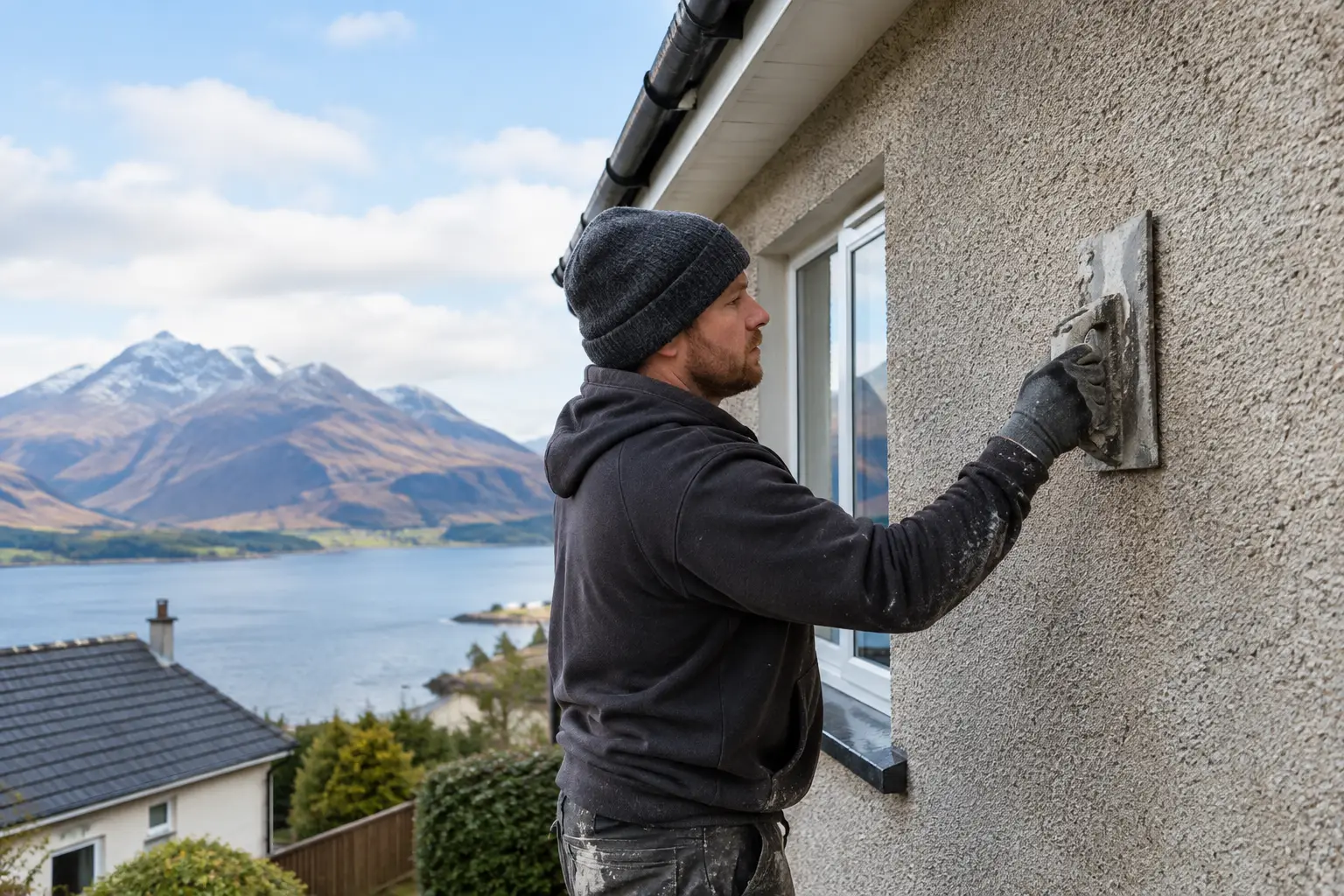
Is roughcasting worth it? See how this durable exterior finish protects Scottish homes, what affects the cost, and whether repair is enough for you...
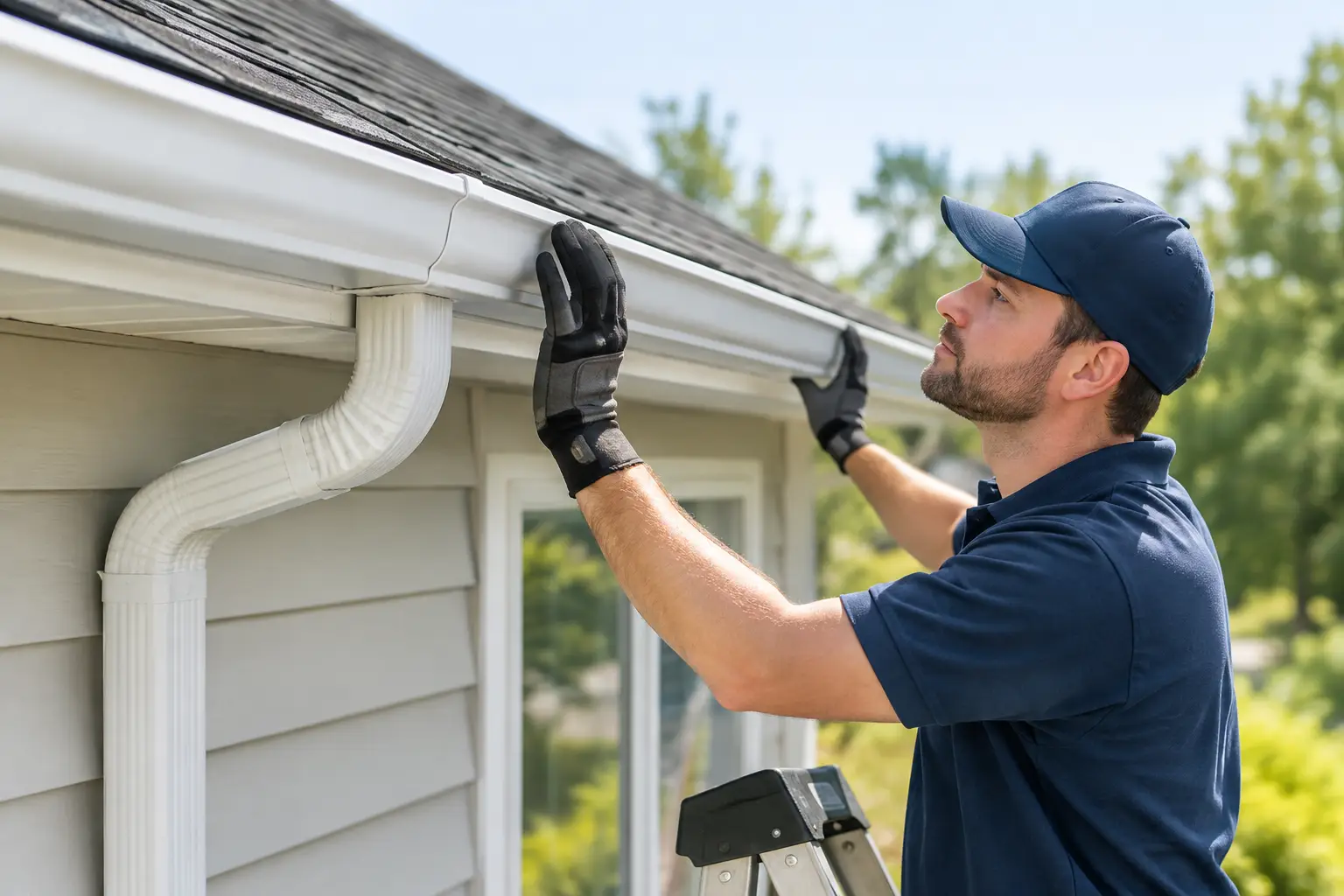
See a gutter replacement project example, from the first inspection to fitting new gutters, and learn what protects a Central Scotland home in winter.