

October 10, 2026
A practical roughcast maintenance guide Scotland homeowners can use to spot damp, cracks and weather damage before repairs become more costly over winter.

A slipped tile after a storm can feel like a small problem until water starts marking the ceiling. Whether roof repairs are covered by insurance depends less on the size of the leak and more on what caused the damage, the condition of the roof beforehand, and the wording of your policy. For homeowners across Central Scotland, where wind, heavy rain and freeze-thaw weather can put roofs under real pressure, acting quickly can protect both your property and your claim.
In many cases, buildings insurance can cover roof repairs when sudden, unforeseen damage has been caused by an insured event. Storm damage, falling trees, fire, vandalism and impact damage are common examples. If high winds lift slates, a branch breaks tiles, or a chimney pot falls and damages the roof covering, your insurer may meet the reasonable cost of repair after your excess has been deducted.
However, insurance is not generally designed to pay for maintenance or gradual deterioration. A roof that has been leaking slowly due to worn felt, perished mortar, ageing leadwork or blocked gutters may not be covered, even if the leak only becomes obvious during a spell of bad weather. Insurers will usually look at whether the roof was in a reasonable state of repair before the incident.
That distinction can be frustrating, but it is central to most claims. A well-maintained roof damaged in a named storm is a very different situation from a roof with long-standing defects that finally lets water in.
Most home insurance policies provide storm cover, although their definition of a storm can vary. Insurers often assess local weather records, including wind speeds and rainfall, alongside the visible damage. Strong winds alone do not automatically guarantee a successful claim. They will want to see that the weather was severe enough to cause the damage claimed and that the roof was not already vulnerable because of poor condition.
For example, a section of sound ridge tiles blown off during severe winds may be covered. If those tiles had been visibly loose for months, the insurer may argue that routine maintenance should have been arranged sooner. Keeping records of earlier inspections and repairs can therefore be useful, particularly for older properties.
Every policy is different, so the policy schedule and wording are the final authority. That said, several causes of roof problems are frequently excluded from standard buildings insurance.
Normal wear and tear is the main one. Roof coverings, flashing, pointing, gutters and flat-roof membranes all have a working lifespan. Replacing materials that have simply reached the end of that lifespan is normally the homeowner’s responsibility. The same can apply to gradual water ingress, rot caused by an unresolved leak, poor workmanship from a previous contractor, and damage caused by pests or birds.
Insurers may also refuse cover where the property has been left unoccupied beyond the period allowed by the policy, or where reasonable precautions have not been taken after damage occurs. If a tile comes off and rain is forecast, arranging an emergency temporary repair is sensible. Leaving the opening exposed for weeks could allow avoidable internal damage to develop, which may complicate the claim.
Flat roofs deserve particular attention. Water pooling, cracked coverings and failing seams can develop gradually and may be treated as maintenance issues. By contrast, a sudden tear caused by a fallen branch or storm debris could be considered accidental damage, depending on the policy.
Safety comes first. Do not climb onto a damaged roof, particularly after high winds or in wet conditions. Loose slates, damaged chimneys and compromised gutters can make access dangerous, while an untrained inspection can cause further damage.
Take clear photographs from the ground where it is safe to do so. Record missing tiles, fallen debris, internal water marks and any damaged belongings. Note the date and time you noticed the issue, along with the weather conditions. If a nearby tree has fallen or a severe weather warning was issued, include that information when speaking to your insurer.
Your next step should be to contact your insurer or their claims line before authorising all but essential work. They may appoint a loss adjuster, request photographs, or ask for an estimate. If water is entering the property, tell them this clearly. Most insurers expect you to take reasonable steps to prevent further loss, and emergency work such as fitting a temporary cover or making an area watertight is often appropriate.
Keep invoices for any emergency attendance, materials and temporary repairs. Avoid throwing away damaged tiles, flashing or other evidence until your insurer confirms that it is no longer needed. A clear paper trail makes it easier to show what happened and why immediate work was necessary.
A roofing contractor cannot decide whether an insurer will approve a claim, but an experienced inspection can give you the practical evidence you need. A written report can identify the likely source of water entry, distinguish fresh storm damage from older defects, and set out the work required to make the roof safe and weatherproof.
This can be particularly helpful where the damage is not obvious from ground level. A leak may be coming from displaced lead flashing around a chimney, cracked ridge mortar, damaged valleys, or a split in a flat-roof covering rather than the tile directly above the damp patch. Guessing can lead to unnecessary work and does not help an insurer assess the cause.
Ask for an itemised quotation that separates emergency measures from permanent repairs. This gives the insurer a clearer view of the scope of work and helps you understand any costs you may need to meet yourself, such as the excess or excluded maintenance items.
At Forth Valley Roofing, we regularly help property owners understand the condition of their roof after bad weather. The focus is on clear advice, safe repairs and an honest explanation of what needs attention now and what can be planned for later.
Even where the damage appears covered, it is worth checking the numbers. Your policy excess may be several hundred pounds, and making a claim could affect future premiums or any no-claims discount. For a small repair, paying directly can sometimes be simpler and better value.
For substantial storm damage, widespread water ingress or repairs involving structural elements, an insurance claim may make much more financial sense. Call your insurer, explain the situation, and ask how a claim could affect your renewal before deciding. Do not delay urgent protective work while waiting for a perfect answer, though. Preventing further damage should remain the priority.
Landlords and property managers should also check whether their policy has specific conditions for empty properties, regular inspections or tenant reporting. A minor leak reported early is far easier to resolve than saturated insulation, damaged ceilings and timber decay discovered months later.
The strongest position in any future claim is a roof that has been properly maintained. This does not mean replacing a roof at the first sign of age. It means dealing with loose slates, damaged flashing, blocked gutters and deteriorating chimney pointing before they become an opening for water.
A periodic roof check is especially worthwhile after severe weather and for homes with mature trees nearby, older slate roofs, flat-roof extensions or prominent chimneys. Keep copies of inspection reports, invoices and photographs of completed repairs. They show that you have taken reasonable care of the property if a sudden incident later occurs.
If you are unsure whether a roof issue is storm damage or a maintenance problem, arrange a professional assessment promptly. A straightforward, evidence-led inspection can help you protect your home, speak to your insurer with confidence, and make the right repair before a small fault becomes a much larger one.
A practical roughcast maintenance guide Scotland homeowners can use to spot damp, cracks and weather damage before repairs become more costly over winter.
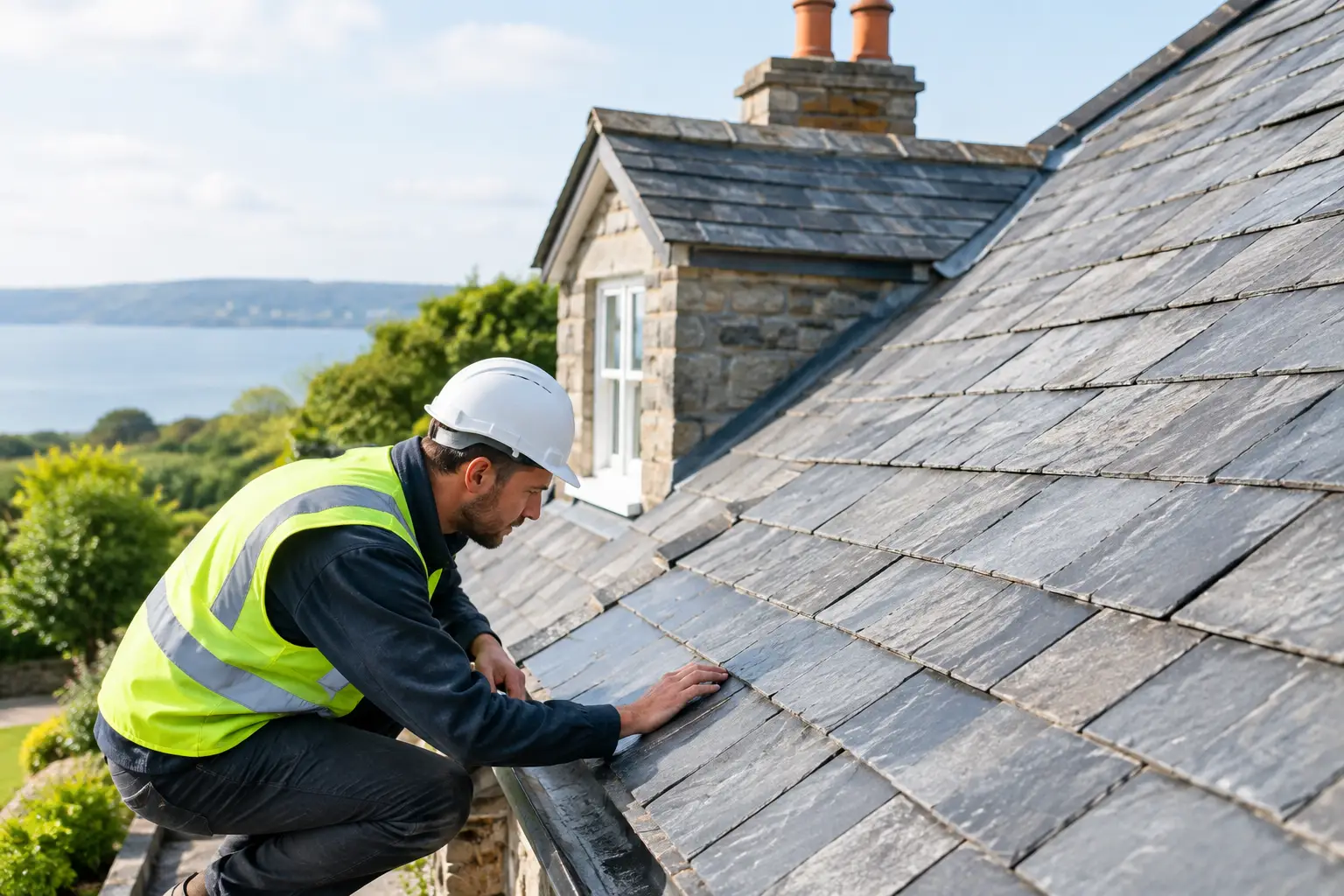
Learn how to assess heritage slate roofs, plan sympathetic repairs and protect a Central Scotland property from leaks, storm damage and costly disruption.
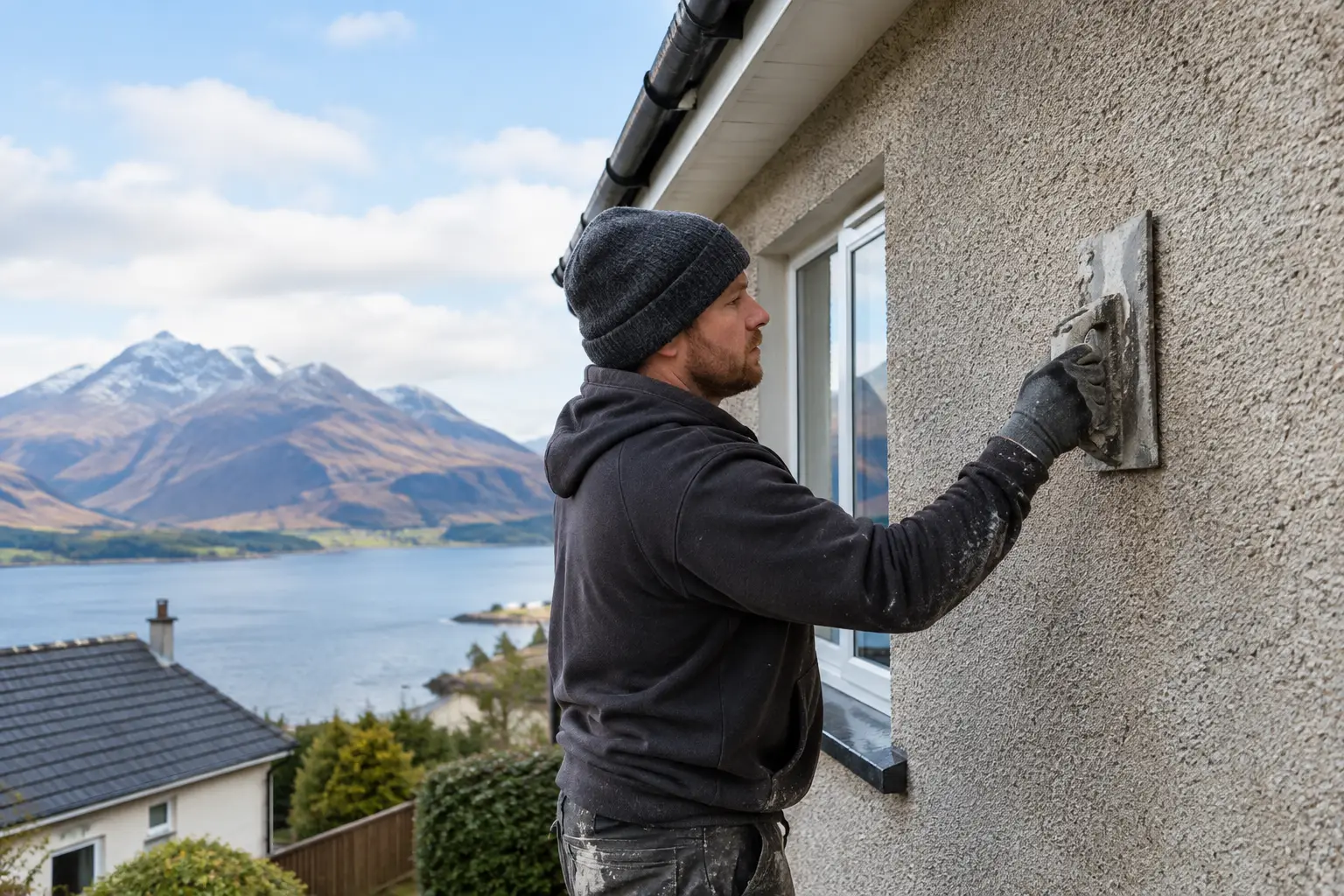
Is roughcasting worth it? See how this durable exterior finish protects Scottish homes, what affects the cost, and whether repair is enough for you...