October 8, 2026
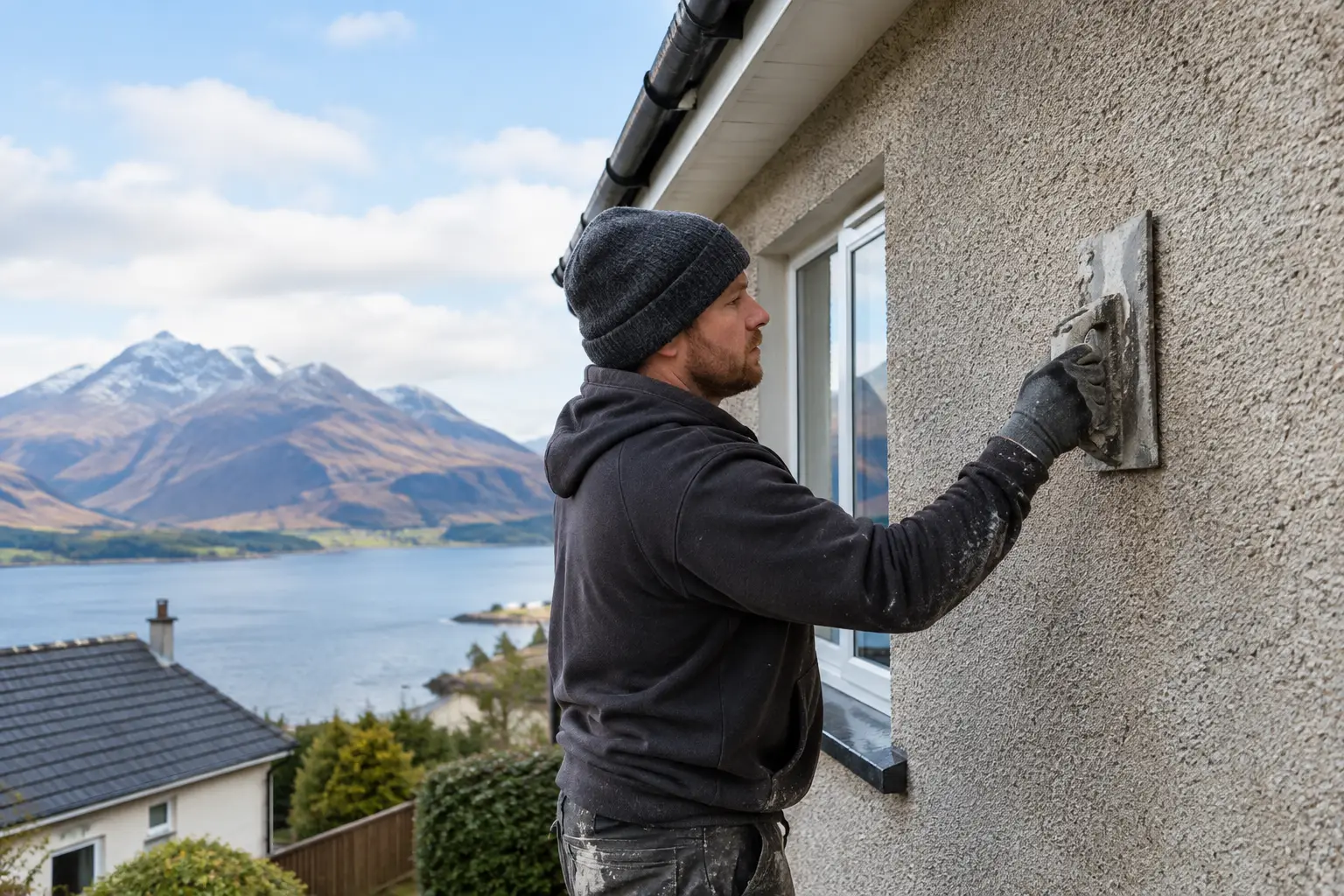
Is roughcasting worth it? See how this durable exterior finish protects Scottish homes, what affects the cost, and whether repair is enough for you...

A damp patch on the ceiling after heavy rain can make every homeowner ask the same question: is this a straightforward fix, or is the whole roof reaching the end of its life? Roof repair versus reroofing is not simply a choice between a smaller bill and a larger one. The right answer depends on where the water is getting in, the condition of the roof as a whole, and whether a repair will genuinely protect the property for years to come.
A good roofer should not push a full replacement where a well-planned repair will do the job. Equally, repeatedly patching an ageing roof can become poor value if faults keep returning. A proper inspection gives you the facts needed to choose with confidence.
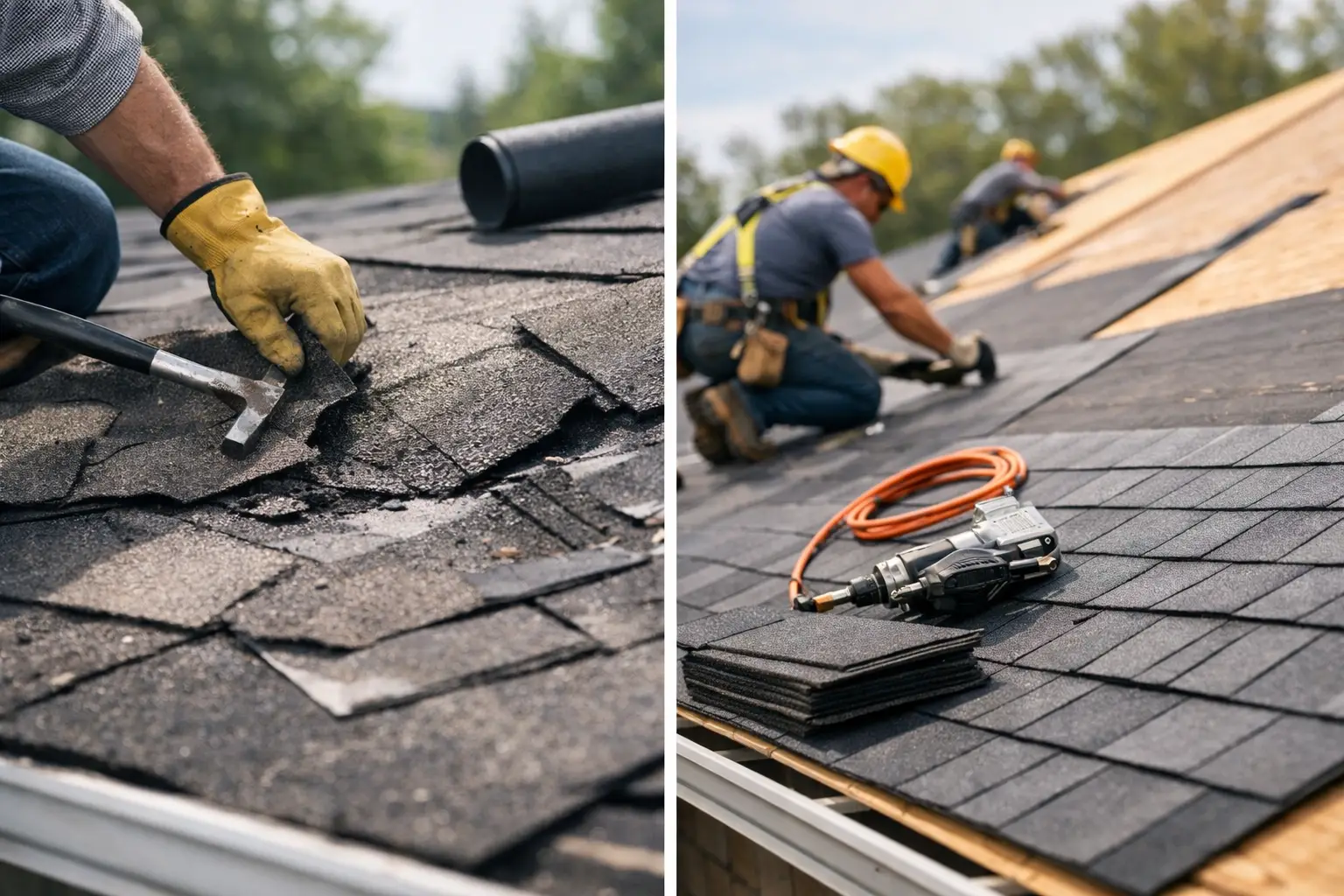
Roof repairs are targeted works carried out to resolve a specific defect. This might mean replacing slipped or cracked slates, renewing broken tiles, repairing damaged flashing around a chimney, repointing ridge tiles, fixing leadwork, or dealing with a leak around a roof valley. When the surrounding roof remains sound, a local repair is often the sensible and affordable option.
Reroofing is a much larger project. It normally involves removing the existing roof covering, checking the roof structure and decking or sarking beneath, then installing new underlay, battens and tiles or slates. It provides a fresh protective layer across the whole roof and allows hidden issues to be addressed properly while the roof is open.
The key distinction is not the size of the visible leak. A small stain indoors can come from a minor flashing failure, but it can also be the first sign of widespread deterioration beneath old coverings. Water can travel along timbers and felt before appearing inside, so the point where you see the problem is not always where it began.
A repair is generally suitable where damage is limited and the rest of the roof is in good working order. Storm damage is a common example. A few tiles may have blown loose, ridge mortar may have failed, or a branch may have cracked several slates. Once the affected area is repaired and securely fixed, there may be no reason to disturb the remainder of the roof.
Repairs also make sense for relatively newer roofs with an isolated defect. Flashings and valleys can fail before the main covering does, particularly where weather exposure is severe. Central Scotland sees persistent rain, wind and winter temperature changes, all of which put pressure on mortar joints, leadwork and fixings. Timely attention can stop a local issue developing into rot, damaged insulation or internal plaster repairs.
A targeted repair may be the right approach when:
The age of the roof matters, but it is not a verdict on its own. A well-maintained slate roof can last for many decades, while poor installation, unsuitable materials or neglected gutters can shorten the life of any roof. The condition of the materials and workmanship is more useful than relying on age alone.
Reroofing becomes the stronger option when repairs would only delay a wider problem. If tiles are becoming porous, slates are delaminating, nails are failing, battens have deteriorated or the underfelt is breaking down across large areas, isolated repairs can be difficult to guarantee for the long term.
Repeated call-outs are another warning sign. Repairing one leak is normal. Repairing a different leak every winter, replacing more and more loose tiles, or finding new damp patches after each spell of bad weather suggests the roof covering may no longer be performing as a complete system.
You may also need to consider reroofing if extensive work is required around chimney stacks, valleys or roof junctions. These are vulnerable areas, and a repair must tie into the existing roof correctly. If the surrounding materials are already near the end of their useful life, fitting new leadwork into failing tiles or slates can be a short-term solution at best.
A full reroof can be particularly worthwhile if you are planning to stay in the property for many years. It gives you the chance to improve ventilation, replace damaged timber where needed, upgrade insulation arrangements and choose a roof finish that suits the building. It can also provide reassurance to buyers or tenants when a property is being sold or let.
A roof repair will almost always cost less upfront than reroofing because the work is smaller and uses fewer materials. That does not automatically make it the cheaper decision over time. The real comparison is between the cost of one properly specified repair and the likely cost of several repairs, internal damage and disruption if the roof continues to fail.
For example, replacing a small number of storm-damaged tiles is usually excellent value. Replacing tiles across several elevations every few months while water is also reaching the felt and timbers is different. In that situation, spending money on patches can leave you with a roof that still needs replaced soon afterwards.
Ask for clear advice on the expected lifespan of the proposed repair. A contractor should explain what is causing the problem, what work is included, and whether nearby materials show signs of decline. This is especially important when comparing quotations. A lower figure can be misleading if it covers the visible fault but does not address the source of water ingress.
For a reroof, the quotation should set out the roof covering, underlay, battens, flashings, ridge system, waste removal and any allowance for timber repairs. There can be unknowns until old materials are lifted, particularly on older properties, but you should understand how these would be identified and priced before work starts.
Some apparent roof leaks begin at the edges rather than in the main covering. Blocked gutters can overflow behind fascia boards, damaged downpipes can saturate walls, and defective soffits can allow wind-driven rain into vulnerable areas. Chimney defects and cracked render can also create moisture problems that look like a roof failure from indoors.
This is why a roof inspection should include gutters, valleys, flashings, chimney stacks, ridges and roofline components. Fixing the full route water is taking is more useful than replacing a tile simply because it is close to the damp patch.
Flat roofs need the same measured approach. A split in a membrane or failed joint may be repaired successfully where the rest of the surface is sound. However, widespread ponding water, blistering, recurring splits or deterioration around outlets may point towards renewal. Modern flat roofing systems can offer a durable replacement, but only after the underlying falls, drainage and deck condition have been assessed.
Avoid deciding from ground level alone. Loose tiles, failed mortar and damaged flashing are sometimes obvious, but the condition beneath the covering and around roof junctions matters just as much. A close inspection should identify the cause of the issue, not just describe the symptom.
It is reasonable to ask whether a repair is expected to last, whether matching materials are available, and what risks remain if you choose not to reroof now. For landlords and property managers, this conversation also helps with maintenance planning and reducing the risk of tenant disruption during wet weather.
Forth Valley Roofing takes a practical approach: recommend repair work when it offers a reliable result, and advise on reroofing when the existing roof is no longer a sound base for further patching. Clear quotations, insured workmanship and a five-year guarantee help customers understand exactly what work is being carried out.
If water is entering the property, act promptly rather than waiting for a dry spell to pass. A small repair completed at the right time can prevent a much larger project. If the roof is showing its age across several areas, an honest assessment now can help you plan a reroof on your terms instead of facing an emergency later.
Is roughcasting worth it? See how this durable exterior finish protects Scottish homes, what affects the cost, and whether repair is enough for you...
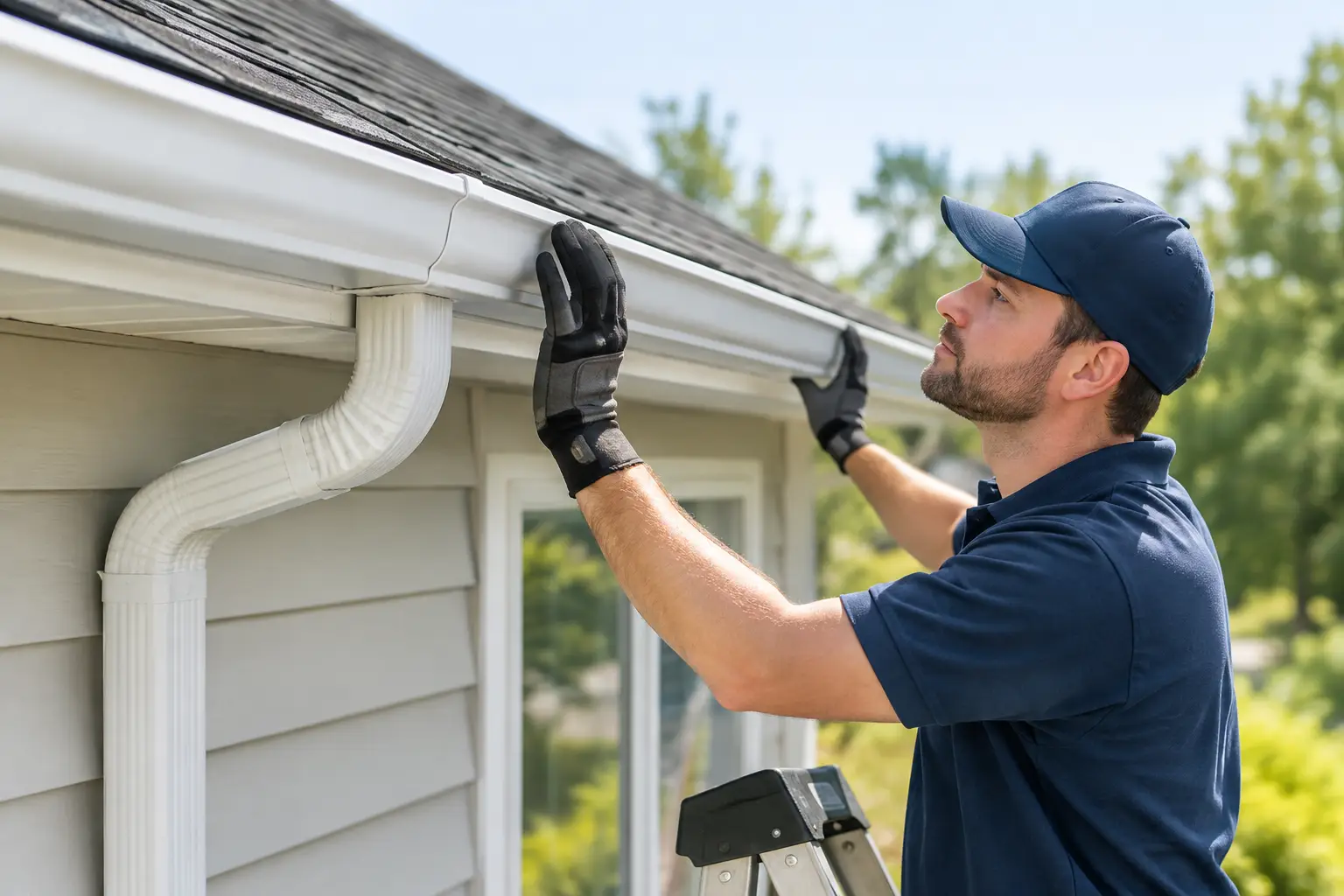
See a gutter replacement project example, from the first inspection to fitting new gutters, and learn what protects a Central Scotland home in winter.

Does roof ventilation reduce condensation? Learn when roof vents help, what causes loft moisture and how to protect your Central Scotland home this winter.