
October 10, 2026
A practical roughcast maintenance guide Scotland homeowners can use to spot damp, cracks and weather damage before repairs become more costly over winter.

Ask any roofer in Central Scotland what wears a roof out fastest, and the answer is rarely just age. It is wind-driven rain, repeated freeze-thaw cycles, moss build-up, blocked gutters, and small defects that are left too long. So when homeowners ask, how long does a new roof last in Scotland’s climate, the honest answer is that it depends on the roof you choose, how well it is fitted, and how well it is looked after once the job is done.
A new roof is a major investment, and most people want a straight answer before they commit. In general, a properly installed pitched roof in Scotland can last several decades, while flat roofs vary more depending on the system used. But those broad figures only tell part of the story. The real question is not just how many years you might get, but how to make sure your roof reaches that lifespan without avoidable problems.
Different roofing materials cope differently with Scottish weather. Some stand up better to wind and rain, while others are more vulnerable to standing water, slipped sections, or early wear if installation standards are poor.
Concrete roof tiles are a common choice and usually offer a lifespan of around 40 to 60 years. They are durable and cost-effective, which is why many homeowners choose them, but they are not maintenance-free. In exposed areas, heavy weather can loosen ridge tiles or affect mortar over time.
Clay tiles can last longer, often 60 years or more, and in the right setting they perform very well. They do tend to cost more upfront, and replacement matching can sometimes be more awkward on older properties.
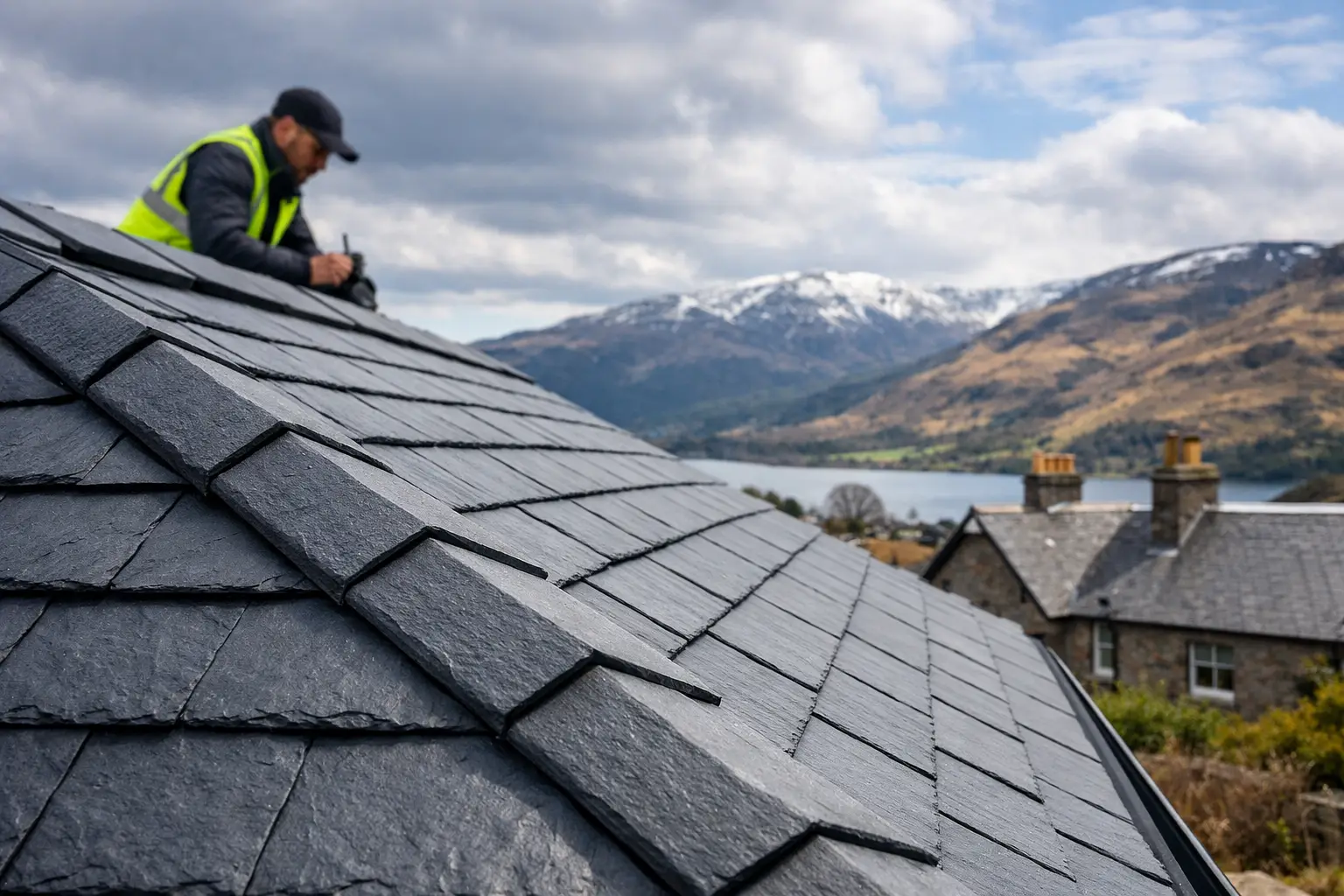
Natural slate is one of the longest-lasting options, regularly reaching 75 to 100 years or more when fitted properly. That said, slate roofs are only as reliable as the fixings, flashings, battens, and workmanship underneath them. A slate roof can look excellent from ground level while hiding issues that shorten its life if the full system has not been built correctly.
For flat roofs, lifespan depends heavily on the material. Traditional felt roofs may last around 10 to 20 years depending on quality and exposure. Modern single-ply and specialist systems can last much longer when correctly installed. This is one reason many property owners now look at more advanced flat roofing systems rather than simply replacing like for like.
Metal roofing can also offer a long service life, often 40 years or more, but design, coating quality, and fixing methods matter a great deal in exposed Scottish conditions.
Scotland is hard on roofs. It is not just the rain itself, but the combination of moisture, wind, low winter temperatures, and sudden weather changes. A roof can be tested several times in one week.
Wind-driven rain is a major issue because water is forced into vulnerable points rather than simply falling straight down. That puts more pressure on ridges, verges, flashing details, valleys, and any area where the roof meets walls or chimneys. If a new roof has even a minor weakness, Scotland’s climate tends to find it quickly.
Freeze-thaw conditions also matter. Water can get into tiny gaps, freeze overnight, expand, and gradually open those gaps further. Over time, this affects mortar, pointing, and some tile surfaces. Moss and debris make matters worse by trapping moisture and slowing drainage.
That is why two roofs of the same age can perform very differently. One may still be in very good condition after decades, while another starts showing problems far earlier because of exposure, poor drainage, or weaker detailing.
One of the biggest misconceptions in roofing is that buying a premium material guarantees a long lifespan. In practice, poor installation will shorten the life of even the best roof.
The underlay, battens, ventilation, flashing work, fixings, and edge details all play a part. If one of those elements is wrong, the roof may still look tidy on completion but fail earlier than expected. A badly installed valley, poor leadwork around a chimney, or incorrect fixing pattern on tiles can create recurring issues long before the roof should be anywhere near replacement age.
This is especially important with new roofs because the lifespan starts with the installation day. A properly fitted system should be designed around the property, the pitch, the exposure level, and the surrounding environment. Homes in more open or elevated parts of Falkirk and the wider Central Belt may need particular attention to wind resistance and drainage.
Good workmanship is also about transparency. Homeowners should know what is being installed, what guarantee is provided, and whether related elements such as fascias, soffits, guttering, and flashing have been checked at the same time.
A roof does not need to be old to develop concerns. Sometimes problems appear within the first few years if shortcuts were taken.
The warning signs are usually fairly clear. Slipped or uneven tiles, recurring leaks, damp patches in the loft, loose ridge lines, overflowing gutters, and visible issues around chimneys or roof edges all suggest the roof may be underperforming. On flat roofs, standing water that lingers well after rain is another red flag.
Not every issue means full failure, but it does mean the roof should be checked before the problem spreads. Catching a defect early can make the difference between a straightforward repair and more extensive work later on.
If you want the best value from a new roof, maintenance matters. That does not mean constant work, but it does mean not ignoring obvious warning signs.
Keeping gutters clear is one of the simplest and most effective ways to protect a roof. Overflowing water can soak the roof edge, affect masonry, and create damp issues that put extra strain on surrounding components. Trimming back overhanging branches also helps reduce debris and moss build-up.
It is worth having the roof visually checked after major storms, especially if you notice anything unusual such as fallen debris, dislodged mortar, or watermarks indoors. Periodic inspections are particularly useful on older properties, tenanted homes, and buildings with chimneys or complex rooflines.
Ventilation should not be overlooked either. A roof can suffer from inside as well as outside if condensation builds up in the loft space. Over time, trapped moisture can affect timber elements and reduce overall roof performance.
For most homeowners, a realistic answer is this: a properly installed pitched roof should often last 40 years or more, and in many cases much longer depending on the material. Slate can outlast several generations of owners. Tile roofs can give decades of dependable service. Quality flat roofing systems can also perform very well, but they need the right specification and fitting.
The shorter answer is that Scotland’s climate rewards good roofing and punishes poor roofing. If materials are suitable, detailing is right, and maintenance is sensible, a new roof should be a long-term investment rather than a recurring worry.
That is also why the cheapest quote is not always the most affordable option. Saving money at the start can lead to earlier repair bills, interior damage, and disruption that costs far more over time. Most homeowners are better served by choosing a contractor who explains the options clearly, uses appropriate materials, and stands behind the workmanship.
For properties across Falkirk and surrounding areas, local experience counts because roofers working in this part of Scotland understand what the weather does to different roof types year after year. That practical knowledge often shows in the small details that protect a roof for the long haul.
A new roof should give you confidence every time the rain starts, not leave you wondering whether it will cope with the next spell of bad weather. If you are planning a replacement, the best question is not just how long it can last, but what needs to be done now to make sure it does.
A practical roughcast maintenance guide Scotland homeowners can use to spot damp, cracks and weather damage before repairs become more costly over winter.
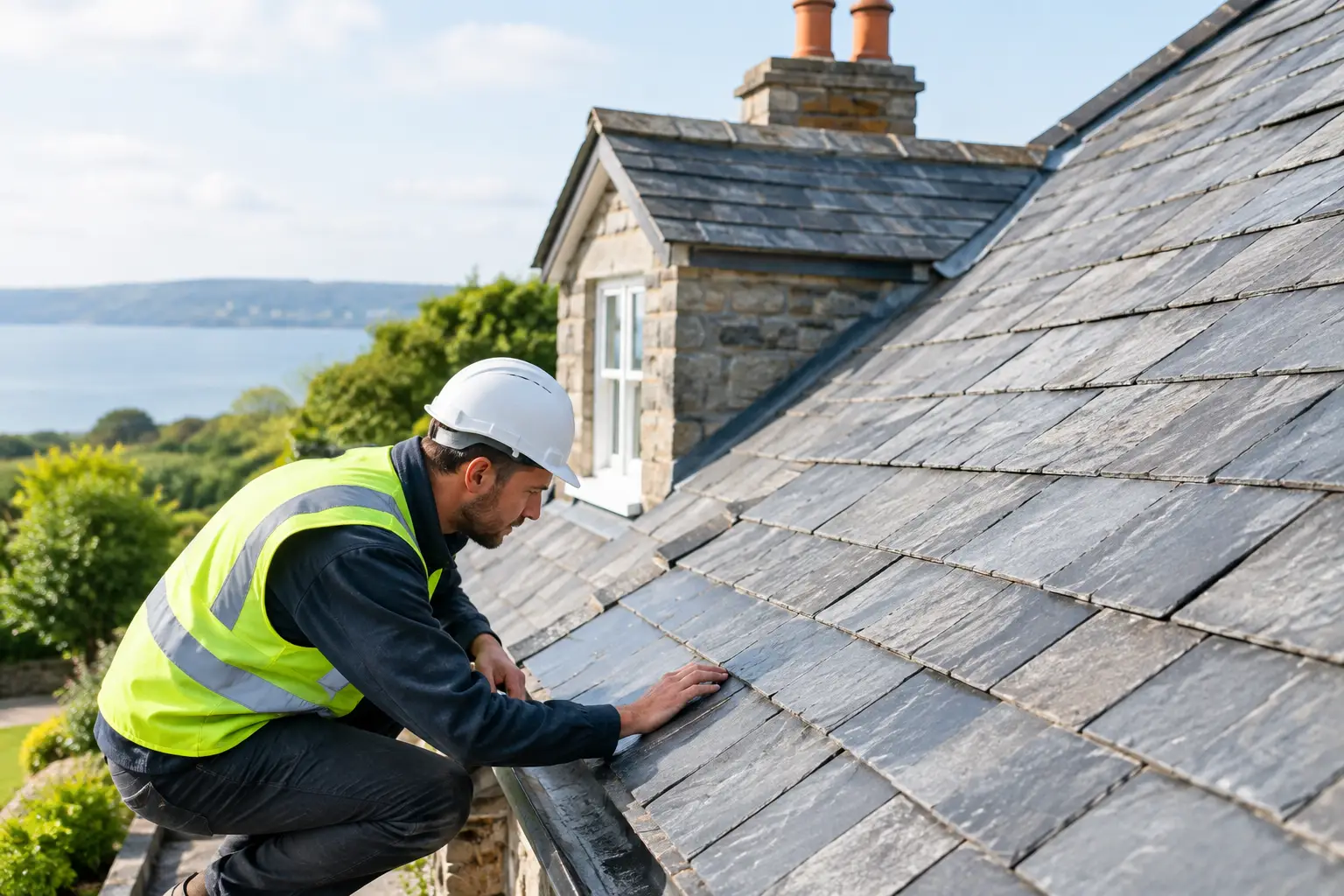
Learn how to assess heritage slate roofs, plan sympathetic repairs and protect a Central Scotland property from leaks, storm damage and costly disruption.
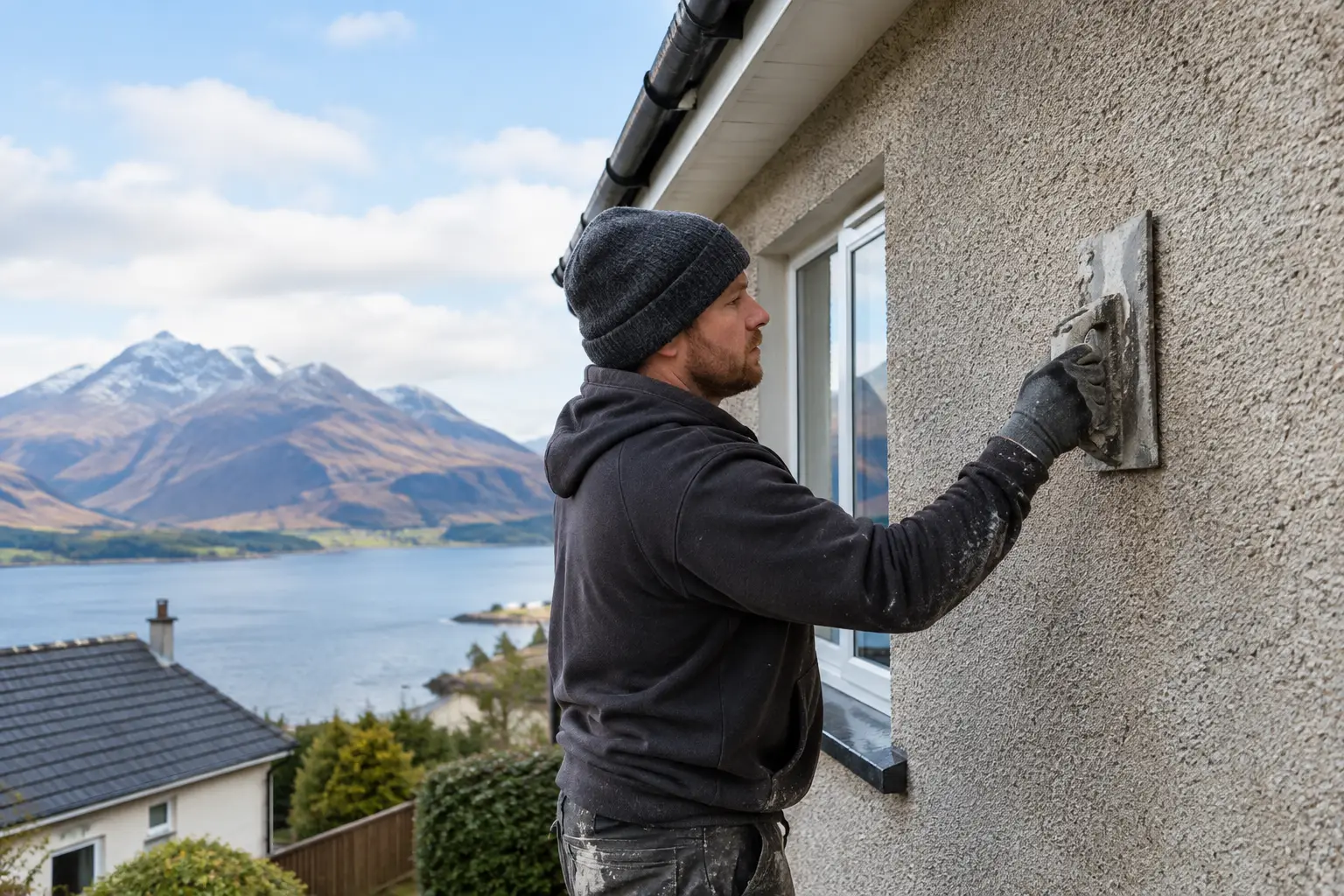
Is roughcasting worth it? See how this durable exterior finish protects Scottish homes, what affects the cost, and whether repair is enough for you...