
October 10, 2026
A practical roughcast maintenance guide Scotland homeowners can use to spot damp, cracks and weather damage before repairs become more costly over winter.

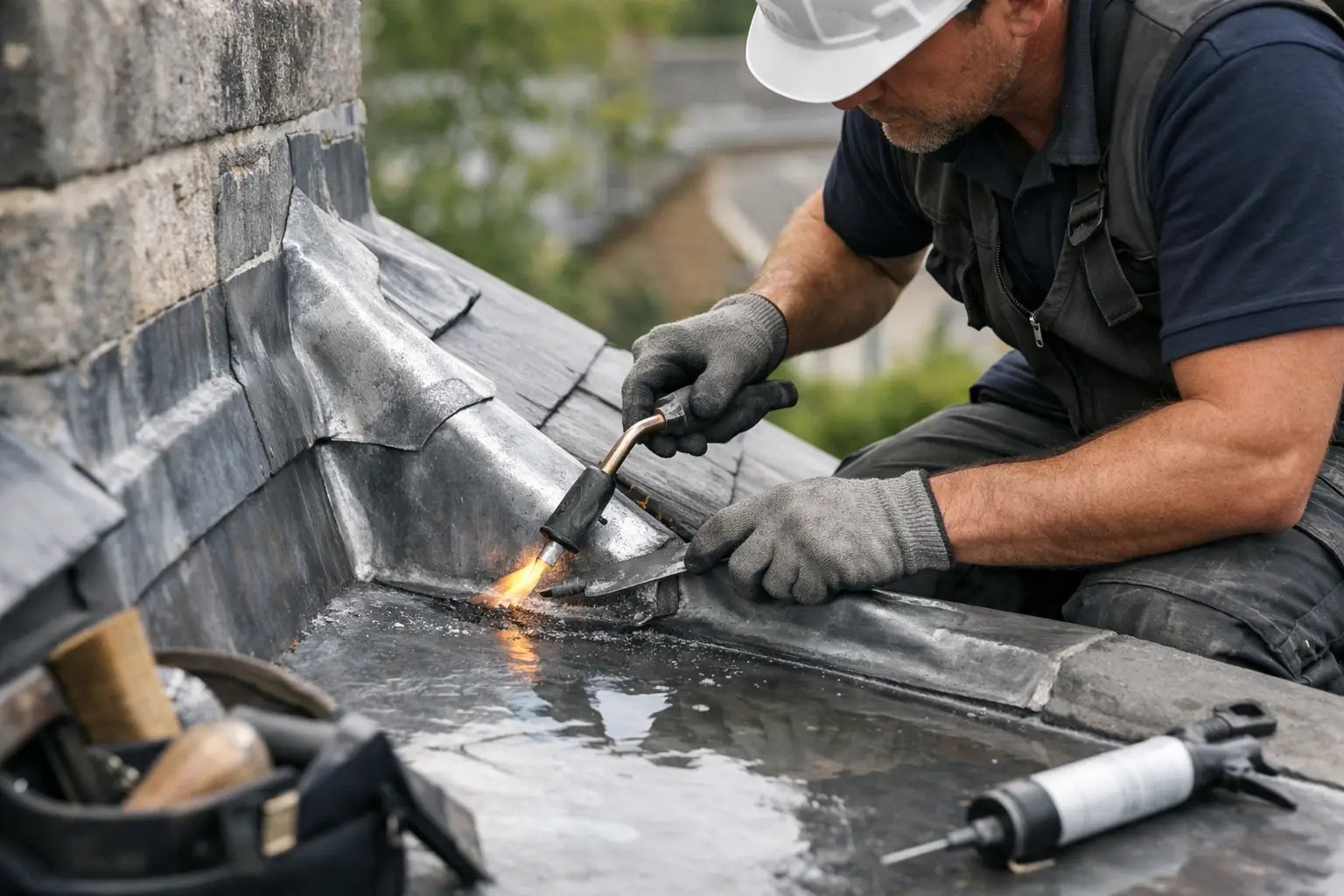
A brown stain beside a chimney breast, dampness in the loft after heavy rain, or water tracking down an internal wall can often point to one overlooked part of the roof: the leadwork. Experienced leadwork roofing contractors do far more than cover a gap with sealant. They identify where water is getting past the roof’s protective details, then repair or replace the lead so it can cope with years of rain, wind and temperature changes.
Lead is one of the most durable roofing materials available, but only when it has been fitted correctly. Around Falkirk and across Central Scotland, exposed roofs deal with driving rain, winter frost and strong gusts. Small faults in flashing, valleys or chimney details can soon allow water into timbers, insulation and internal finishes.
Leadwork is used where roofing materials meet, change direction or join against another structure. Slates and tiles shed most rainwater down the roof, but they cannot create a watertight seal around every junction. Lead provides the flexible, weather-resistant detail that protects these vulnerable areas.
You will commonly find it around chimney stacks, at abutments where a roof meets a wall, around dormer windows and in roof valleys. It may also form aprons at the front of a chimney, stepped flashing along its sides, back gutters behind it, and soakers beneath individual slates or tiles.
Each detail has a different job. A chimney back gutter, for example, must collect a large amount of water from the roof above and direct it safely to either side. If it is too shallow, poorly lapped or split, water can be driven beneath the surrounding slates. That is why a proper repair needs to consider the whole detail rather than only the visible crack.
Lead does not always fail dramatically. In many cases, the first signs are subtle and appear inside the property before the cause is obvious from ground level. A professional inspection is worthwhile if you notice damp patches near a chimney, peeling paint around an upstairs ceiling, mouldy loft insulation, loose slates beside flashing, or water entering during wind-driven rain.
From outside, warning signs can include lifted lead edges, open joints, staining on brickwork, failed pointing around a chimney, or old sealant applied repeatedly along flashing. Sealant has a place for limited finishing work, but it is not a lasting substitute for correctly dressed and secured lead. If a joint has opened because the lead has moved or the surrounding roof has deteriorated, adding more sealant often delays the real repair.
Older properties deserve particular care. Their roofs may have several previous repairs, different slate sizes, aged mortar and lead that has reached the end of its working life. The right approach depends on what is beneath the visible surface. Sometimes a local repair is sensible; sometimes replacing a whole section provides better value and avoids another call-out a few months later.
A good contractor should start by tracing the route of the water, not by guessing. Rain can enter at one point and travel along a timber, membrane or roof slope before appearing elsewhere. The damp mark indoors is useful evidence, but it is rarely the full story.
A thorough roof survey looks at the condition of the lead, slates or tiles around it, chimney mortar, roof valleys, gutters and the area inside the loft where safe access is possible. The contractor should explain what they have found in plain language, including whether the issue is urgent and what could happen if it is left untreated.
Photographs can be especially helpful for homeowners and landlords who cannot safely inspect a roof themselves. They show the condition before work starts and make it easier to understand the proposed repair. For a larger job, ask for a clear written quotation covering the scope of work, materials, access requirements and any related repairs that may be needed once the area is opened up.
The best method depends on the location and extent of damage. A small split in otherwise sound lead may be repairable, while badly cracked, thin or incorrectly fitted sections are usually better replaced. The surrounding slates or tiles may need to be carefully lifted so that the new lead can sit beneath them correctly.
New leadwork must allow for natural expansion and contraction. Lead moves as temperatures change, and if it is fixed too rigidly it can buckle, tear or pull away from its joints. Skilled roofers use the appropriate fixing method, laps and detailing for the size and position of the section. They also avoid unnecessarily large pieces of lead, which are more prone to movement-related problems.
Chimney repairs often involve more than flashing alone. Loose or eroded pointing can let water into the stack, while damaged flaunching around chimney pots may allow water to track down inside. Where required, it makes sense to address these connected faults during the same visit. It is generally more cost-effective than repairing one detail while leaving the next obvious source of water ingress untouched.
On slate roofs, soakers are particularly important. These small pieces of lead sit between the slates alongside a wall or chimney and channel water back on to the roof covering. They are mostly hidden once the work is complete, but poor soaker work can cause persistent leaks that are difficult to diagnose later.
Leadwork is a specialist part of roofing, so price should not be the only deciding factor. A very low quote can reflect a limited repair that does not address the actual cause, poor-quality materials, or a reliance on surface sealant. Equally, the most expensive option is not automatically necessary for a contained fault.
Look for a local roofing contractor that is willing to inspect the area, set out the options clearly and explain the difference between a short-term repair and a longer-lasting replacement. You should feel able to ask what material will be used, whether nearby slates or tiles will be reinstated, how the work will be finished at the wall or chimney, and what guarantee applies.
It is also sensible to check that the contractor is insured and has a track record of completed roofing work. Reviews can provide reassurance, especially where customers mention communication, tidiness, punctuality and how a problem was handled after the work was finished. Roof repairs can be disruptive, but you should not be left wondering when the team will arrive or what is happening on your property.
Forth Valley Roofing provides leadwork repairs and replacements alongside chimney work, slate and tile repairs, guttering and wider roof maintenance. Customers in Falkirk and surrounding areas can request a free quote and receive practical advice based on the condition of their roof, rather than a one-size-fits-all recommendation.
A local repair is often the right choice where the lead is generally sound and the fault is limited to a small split, loose edge or failed joint. It can stop an active leak quickly and preserve the rest of the roof. However, repairs become less economical where several sections are deteriorating or where the original detail was poorly designed.
Replacement is usually the better long-term option for cracked, heavily patched or undersized leadwork. It is also worth considering when a chimney is being rebuilt, a new roof is being installed, or slates are already being lifted for another repair. Carrying out the work together can reduce duplicated labour and access costs.
Maintenance is the least expensive route when there is no active leak. Keeping gutters clear, checking chimney masonry, replacing slipped slates promptly and arranging an inspection after severe weather all help protect lead details. Do not climb on the roof to inspect it yourself. A loose slate, fragile lead edge or wet surface can quickly become dangerous.
If you can see water entering the home, move valuables away from the affected area, use a container where safe to catch drips, and contact a roofer promptly. Acting early can be the difference between a focused leadwork repair and a much larger job involving damaged plaster, timber and insulation.
Well-fitted leadwork is not flashy, and that is exactly the point. It should quietly direct water away from the building for years. Choosing a contractor who takes time to find the cause, explain the repair and finish the detail properly gives your roof the best chance of doing just that.
A practical roughcast maintenance guide Scotland homeowners can use to spot damp, cracks and weather damage before repairs become more costly over winter.
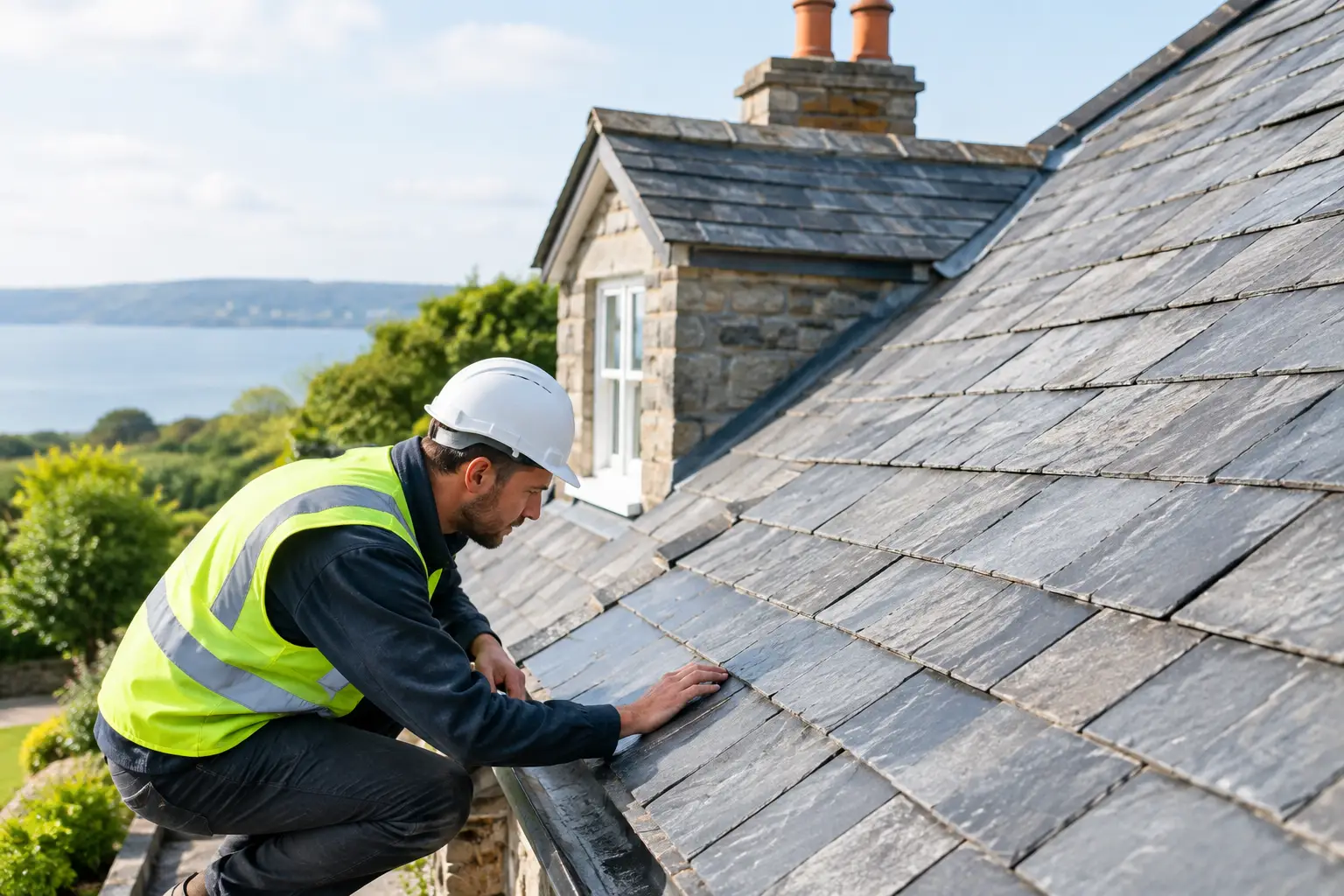
Learn how to assess heritage slate roofs, plan sympathetic repairs and protect a Central Scotland property from leaks, storm damage and costly disruption.
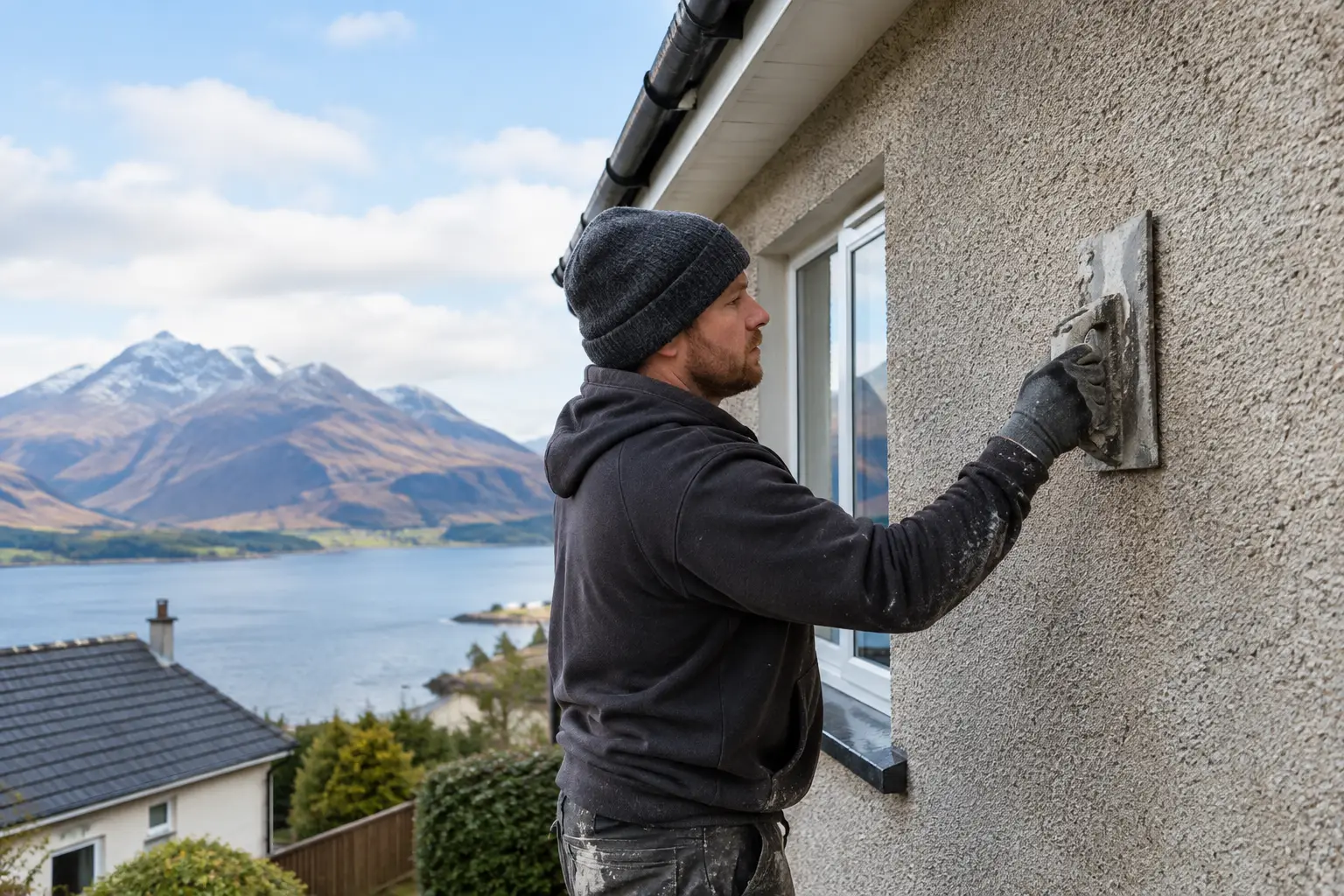
Is roughcasting worth it? See how this durable exterior finish protects Scottish homes, what affects the cost, and whether repair is enough for you...