October 9, 2026
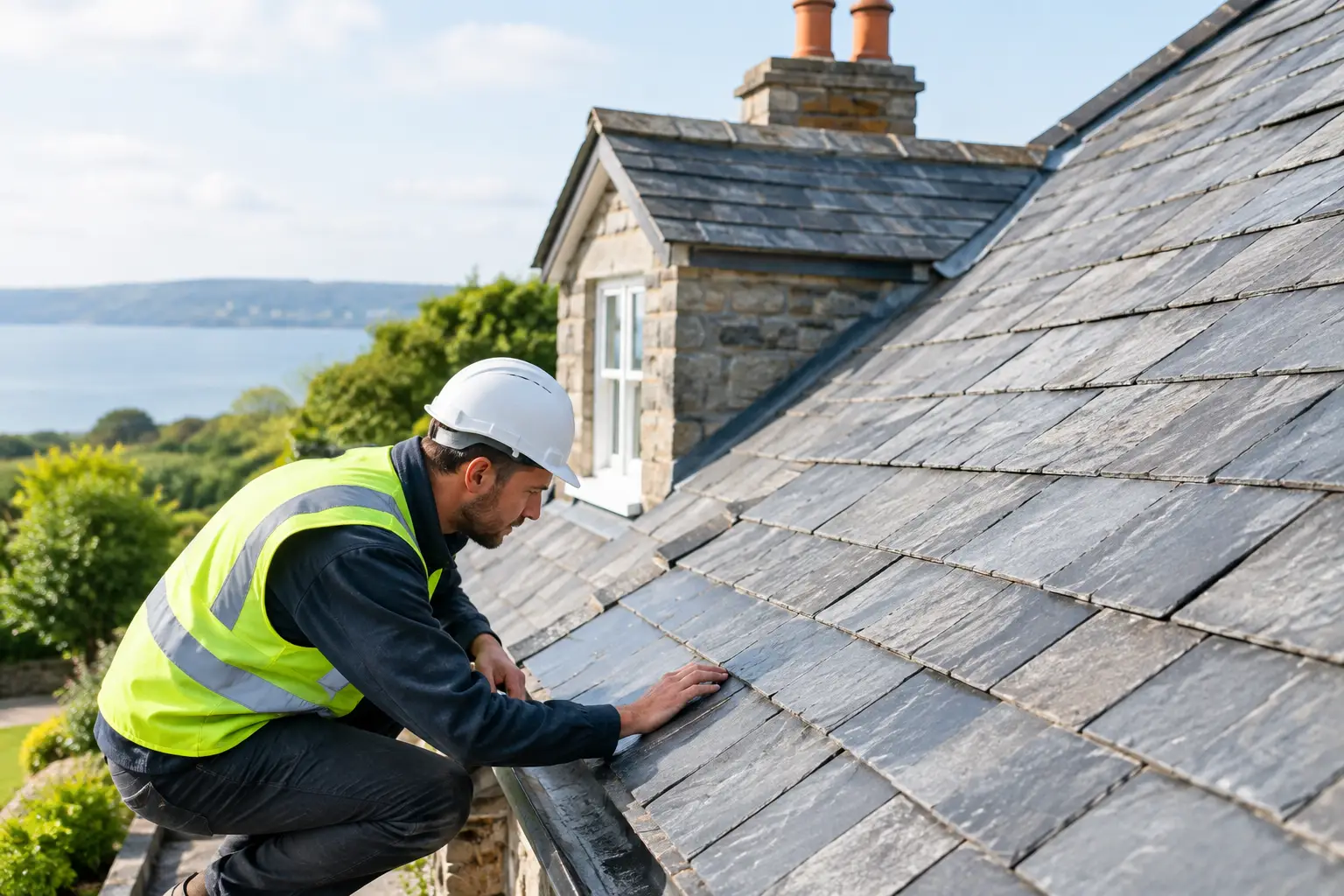
Learn how to assess heritage slate roofs, plan sympathetic repairs and protect a Central Scotland property from leaks, storm damage and costly disruption.

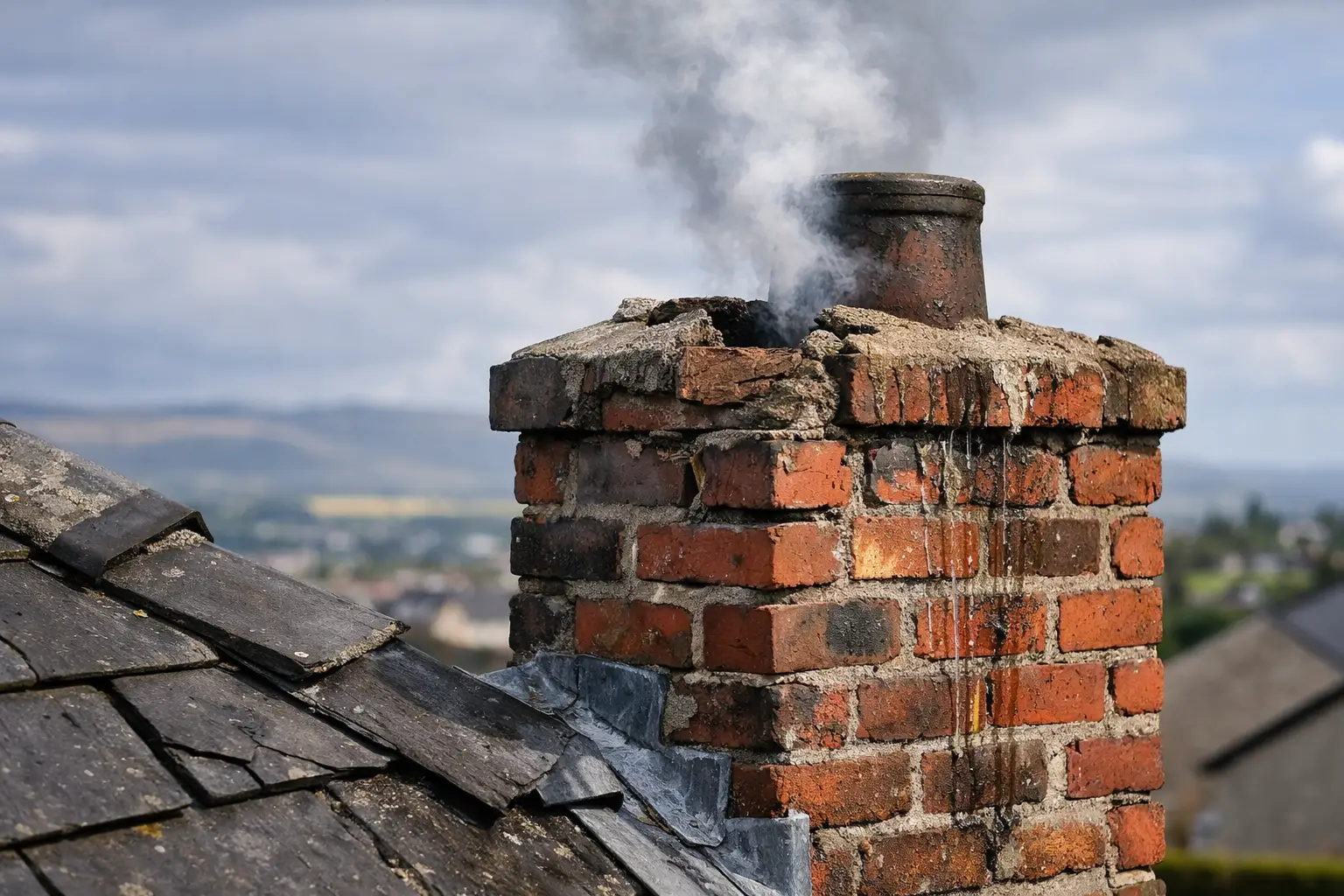
A chimney rarely fails all at once. More often, it starts with a small crack in the mortar, a stain on the ceiling near the breast, or a bit of debris on the roof after a windy night. That is why common chimney problems Falkirk homeowners should never ignore tend to be the ones that look minor at first but quickly turn into leaks, instability, and expensive repairs.
In Falkirk and across Central Scotland, chimneys take a fair amount of punishment. Wind-driven rain, frost, and repeated temperature changes all work against brickwork, mortar joints, lead flashing, and chimney pots. If your property is older, the risk is even higher because materials may already be worn down after years of exposure. The good news is that most chimney issues can be dealt with effectively if they are spotted early.
A chimney sits high, catches the weather from every angle, and contains several parts that need to work together. The brickwork or stone has to remain solid, the mortar must hold everything in place, the flashing has to keep water out where the chimney meets the roof, and the pot and capping need to stay secure.
Once one element starts to fail, the rest often follow. Water gets into a cracked joint, freezes, expands, and opens the gap further. A loose flashing edge starts letting rain into the loft. Missing mortar weakens the stack and allows movement during high winds. What starts as a repair can become a partial rebuild if left too long.
Some defects are obvious from the ground, while others only show up as internal damp patches or a persistent leak during bad weather. Either way, these are the issues worth acting on sooner rather than later.
Mortar is one of the most common weak points on an ageing chimney. Over time it wears away due to rain, frost, and exposure, leaving gaps between the bricks or stone. When this happens, water can get into the structure and start breaking it down from within.
If you can see open joints, sandy material on the roof, or sections where the mortar has fallen out altogether, the stack may need repointing. This is not just about appearance. Failing mortar can affect the stability of the chimney, particularly on older properties or stacks that are already exposed on multiple sides.
Flashing is fitted where the chimney meets the roof and is one of the main barriers against water ingress. When it comes loose, splits, or pulls away from the wall, rain can track straight into the roof structure.
This often shows up as damp patches on upstairs ceilings, staining near the chimney breast, or leaks that seem worse during heavy or wind-driven rain. Homeowners sometimes assume the whole roof is failing when the real issue is localised around the chimney flashing. The longer it is left, the more likely it is that timbers and internal finishes will also be affected.
A cracked chimney pot might not seem urgent, but it can create several problems. Loose sections can become a safety risk, water can get down into the stack, and birds or debris may enter if the top is left unprotected.
Cowls and caps also take a beating in poor weather. If they come loose or go missing, the chimney is left more exposed. In some cases, a replacement cowl is enough. In others, the pot itself needs to be re-bedded or replaced because the surrounding mortar has failed.
Spalling happens when moisture gets into bricks, freezes, and causes the outer face to break away. You may notice flaking brick surfaces, broken pieces in the gutter, or debris on the ground below.
This is common on older chimneys that have absorbed water over many winters. Once the brick face starts to fail, the material underneath is more vulnerable. A few damaged bricks may be repairable, but widespread spalling often points to a bigger issue with moisture penetration and overall stack condition.
A chimney should never be moving. If it looks off-centre, has visible bulging, or shows stepped cracking through the joints, it needs proper inspection. Structural movement can happen because of long-term water damage, deteriorated mortar, poor previous repairs, or storm exposure.
This is one of the most serious chimney problems because it affects safety as well as watertightness. In some cases, localised rebuilding is enough. In others, the safest option may be to take the stack down to a lower level and rebuild or cap it properly. It depends on the age of the chimney, the amount of movement, and whether the flue is still in use.
Not every chimney problem is visible from outside. Often, the first clue appears indoors. A damp patch on the wall beside the chimney breast, peeling wallpaper, a musty smell in an upper room, or staining around the ceiling can all point back to defects higher up.
If a fireplace is no longer used, trapped moisture can also become an issue, especially where ventilation has been blocked off badly. Disused flues still need to be managed properly. Without suitable capping and ventilation, condensation builds up and causes damp internally. That can be mistaken for a roof leak when the source is actually the chimney itself.
Chimney repairs are one of those jobs where the right repair matters more than the fastest repair. A smear of sealant over cracked flashing or damaged mortar might hold for a short time, but it rarely lasts through a Scottish winter. The same goes for patching over defects without addressing the cause of water entry.
A proper repair usually means inspecting the full stack, checking the mortar, brickwork, flashing, pots, and any capping arrangements together. That way, the issue is solved properly rather than moved around. For example, replacing flashing without dealing with loose masonry above it may only buy a bit of time.
Many homes in and around Falkirk have older chimney stacks, and these often need more careful repair work. The materials may be softer, the mortar may be lime-based rather than modern cement, and previous repairs may not have been especially sympathetic.
That does not always mean a bigger job, but it does mean the repair should suit the property. Using the wrong mortar or carrying out heavy-handed patching can trap moisture and make future deterioration worse. A good chimney repair should improve weather protection without creating new problems in the structure.
Not every chimney defect calls for major work. Repointing, replacing flashing, fitting a new cowl, or renewing a few damaged bricks can often restore the stack if the rest of the structure is sound. That is usually the most cost-effective route.
There are times, though, when repeated repairs stop making financial sense. If a chimney has extensive frost damage, significant movement, or years of poor patch repairs, a partial or full rebuild may be the better long-term option. It is more involved upfront, but it can save money and stress compared with repeated call-outs for the same recurring issue.
After strong winds or heavy rain, chimneys deserve a closer look. Storms can loosen pots, lift flashing, dislodge mortar, and expose weak areas that were already close to failure. Even if there is no obvious leak straight away, fresh damage can leave the chimney vulnerable to the next spell of bad weather.
That is why post-storm checks are worth taking seriously, especially if your property is older or the chimney has not been repaired for years. A small repair carried out promptly is usually far simpler than dealing with internal water damage, unstable masonry, or emergency work later on.
For homeowners, landlords, and property managers, the practical point is simple. If a chimney is showing signs of age, movement, damp, or visible damage, it is better to have it assessed before the defect spreads into the roof and the rooms below. Forth Valley Roofing deals with this kind of problem every week, and the same rule keeps proving true – chimneys are much cheaper to repair when you catch the issue early.
Learn how to assess heritage slate roofs, plan sympathetic repairs and protect a Central Scotland property from leaks, storm damage and costly disruption.
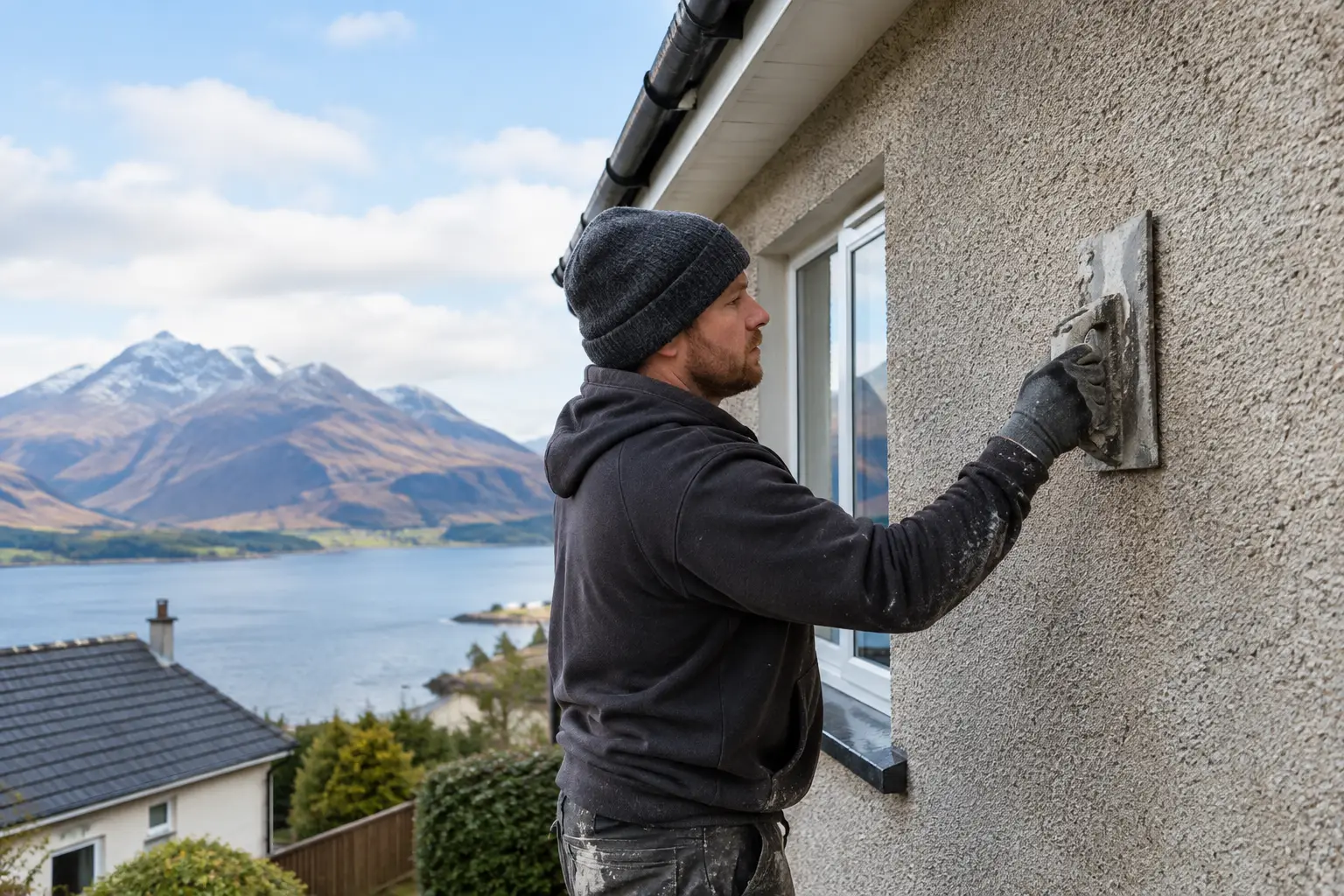
Is roughcasting worth it? See how this durable exterior finish protects Scottish homes, what affects the cost, and whether repair is enough for you...
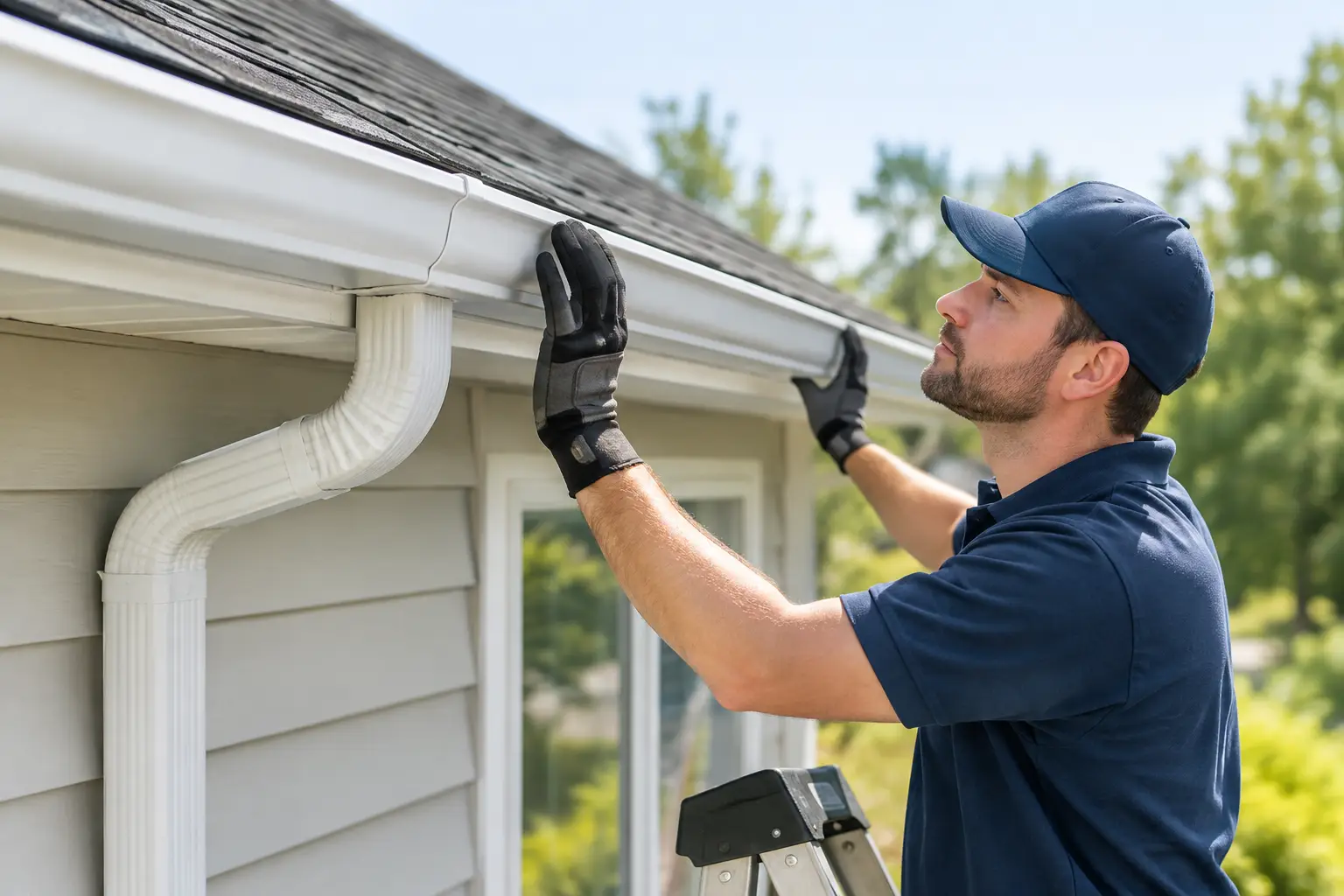
See a gutter replacement project example, from the first inspection to fitting new gutters, and learn what protects a Central Scotland home in winter.