

October 9, 2026
Learn how to assess heritage slate roofs, plan sympathetic repairs and protect a Central Scotland property from leaks, storm damage and costly disruption.

A roof leak rarely starts as a dramatic problem. More often, it begins with a slipped tile, a cracked lead flashing, or a blocked gutter quietly forcing water where it should never go. By the time you notice a damp patch on the ceiling, the issue has usually been building for a while. If you want to know how to prevent roof leaks, the answer is not one big fix. It is regular attention to the parts of the roof system that take the most punishment from wind, rain and temperature changes.
In Central Scotland, that matters even more. Heavy rain, strong winds and winter frost put roofs under real strain, especially on older properties and homes that have not had a proper inspection in years. Prevention is usually far cheaper than dealing with soaked insulation, damaged plaster or rotten timbers later.
The best way to prevent leaks is to stop small faults from becoming entry points for water. Roofs fail in predictable places. It is usually not the middle of a healthy slope that causes trouble. It is the joins, edges and drainage points.
Loose or broken tiles are one of the most common causes. A single displaced tile can expose the underfelt and battens beneath, and once water gets in repeatedly, the damage spreads. On slate roofs, slipped slates can be just as problematic, particularly after high winds.
Flashing is another weak point. Lead flashing around chimneys, abutments, dormers and roof valleys is designed to seal vulnerable junctions. When it cracks, lifts or wears thin over time, rainwater can track behind it and into the roof structure. This kind of leak is often misdiagnosed because the water may appear indoors some distance away from where it entered.
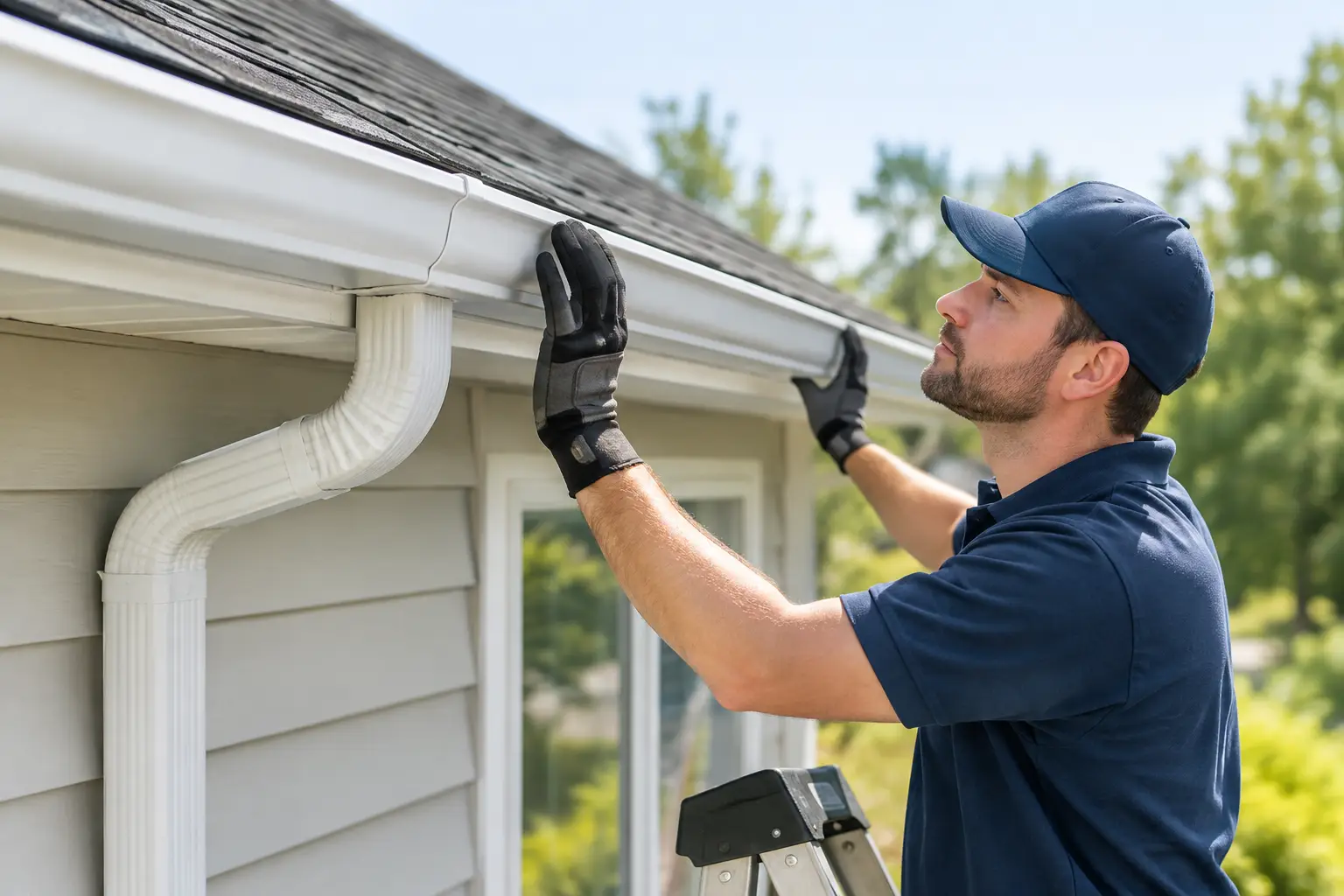
Gutters also play a bigger role than many people realise. If they are blocked with moss, leaves or debris, water can overflow and soak into fascias, soffits and external walls. In colder weather, trapped water can freeze and expand, making matters worse. Preventing roof leaks often starts with keeping rainwater moving away from the property properly.
A quick look from ground level can tell you a lot. You do not need to climb onto the roof to spot obvious warning signs. Look for uneven roof lines, missing tiles, sagging gutters, plant growth and staining on external walls. If something looks out of place, it usually is.
Check after storms or strong winds, as these are often when coverings shift. If you can see a gap, a crack or a section that looks lower than the rest, it is worth having it inspected. One damaged area can allow enough water in to affect insulation and ceiling finishes before you notice any indoor sign.
Chimneys, valleys and wall junctions need extra attention because they deal with concentrated water flow. Lead can last well, but it does not last forever. Poor past repairs are common too, especially where sealants have been used as a shortcut instead of proper flashing work.
If water spills over the side during rain, there is a blockage or a fall problem somewhere in the system. A leaking gutter joint may not seem urgent, but over months it can lead to damp masonry and timber decay around the roof edge.
If there is one practical habit that prevents more leaks than anything else, it is regular maintenance. That does not mean constant work. It means giving the roof proper attention before winter and after severe weather.
Clearing gutters once or twice a year is a sensible starting point. Properties near trees may need it more often. Moss should also be taken seriously. On pitched roofs, moss holds moisture against the surface and can interfere with drainage. As it breaks down, it ends up in the guttering and causes blockages below.
It is also worth trimming back overhanging branches. Branches can scrape and damage tiles in windy weather, and they drop debris that clogs drainage. In some cases, they also keep sections of the roof shaded and damp for long periods, which encourages moss and algae growth.
Maintenance is not only about what you can see outside. A loft check can reveal early warning signs long before a leak marks the ceiling. Damp insulation, staining on timbers, mould, or a musty smell can all point to water getting in.
When homeowners ask how to prevent roof leaks, they sometimes mean how to avoid major roofing work. The truth is that small repairs are often what prevent major work. Leaving a minor issue because it seems manageable usually gives water more time to travel into hidden parts of the structure.
A cracked tile is a straightforward repair. A cracked tile ignored through a Scottish winter can lead to damaged felt, rotten battens and internal plaster repairs. The same applies to lifted flashing, loose ridge tiles or a leaking valley. These faults are normally more affordable to put right when caught early.
There is also a safety side to this. Water ingress around electrics, loft conversions and insulation is not just inconvenient. It can become a larger property issue very quickly. Landlords and property managers, in particular, are usually better off dealing with roofing defects as soon as they are identified rather than waiting for a tenant to report indoor damage.
Not every roof leaks for the same reason, and prevention depends on the roof type. A traditional pitched roof with slate or concrete tiles has different weak points from a flat roof.
Flat roofs need careful attention to drainage, joints and the condition of the membrane. Ponding water is a warning sign, not something to ignore. While some flat roof systems are designed to cope with standing water better than others, persistent pooling usually suggests a problem with falls, outlets or surface condition. Cracks, blisters and edge failure can all allow water in over time.
Older roofs may also have ageing materials that are simply reaching the end of their service life. In those cases, repeated patch repairs may not be the best long-term value. Sometimes the right move is a planned upgrade rather than another temporary fix. That depends on the age of the roof, how often it has leaked, and whether the underlying structure remains sound.
There is a limit to what can be judged from ground level or from a quick loft check. A proper roof inspection can identify faults that are easy to miss, especially around chimney stacks, leadwork, valley details and flat roof seams.
For homeowners who have bought an older property, had repeated leaks, or noticed signs of storm damage, an inspection is often the simplest way to avoid guesswork. It gives you a clearer picture of what needs immediate repair, what should be monitored, and whether any part of the roof is likely to become a problem soon.
A good roofer should explain the condition of the roof in plain language, set out your options clearly, and avoid pushing unnecessary work. That matters because not every issue means a full replacement. Sometimes a targeted repair and sensible maintenance plan are enough to keep the roof performing well for years.
There are times when preventing further leaks needs immediate action. If water is already coming in during heavy rain, if you can see daylight through the roof structure, or if chimney flashing has visibly lifted, it is no longer a watch-and-wait situation. Emergency repairs may be needed to protect the property from wider damage.
That is especially true after storms. Wind can loosen ridges, shift slates and damage gutter brackets without leaving a dramatic visible collapse. If your area has had severe weather and something about the roof does not look right afterwards, it is worth getting it checked promptly.
For many properties, the real cost of a roof leak is not the repair itself. It is the damage to ceilings, insulation, decorations and timbers that follows when the problem is left to develop. Preventing that usually comes down to acting earlier.
If you stay on top of maintenance, keep drainage clear, repair small faults promptly and have the roof inspected when needed, you will give your home the best chance of staying dry through every season. And if you are ever unsure, getting straightforward advice from a trusted local contractor such as Forth Valley Roofing can save a lot of stress later.
Learn how to assess heritage slate roofs, plan sympathetic repairs and protect a Central Scotland property from leaks, storm damage and costly disruption.

Is roughcasting worth it? See how this durable exterior finish protects Scottish homes, what affects the cost, and whether repair is enough for you...
See a gutter replacement project example, from the first inspection to fitting new gutters, and learn what protects a Central Scotland home in winter.