
October 8, 2026
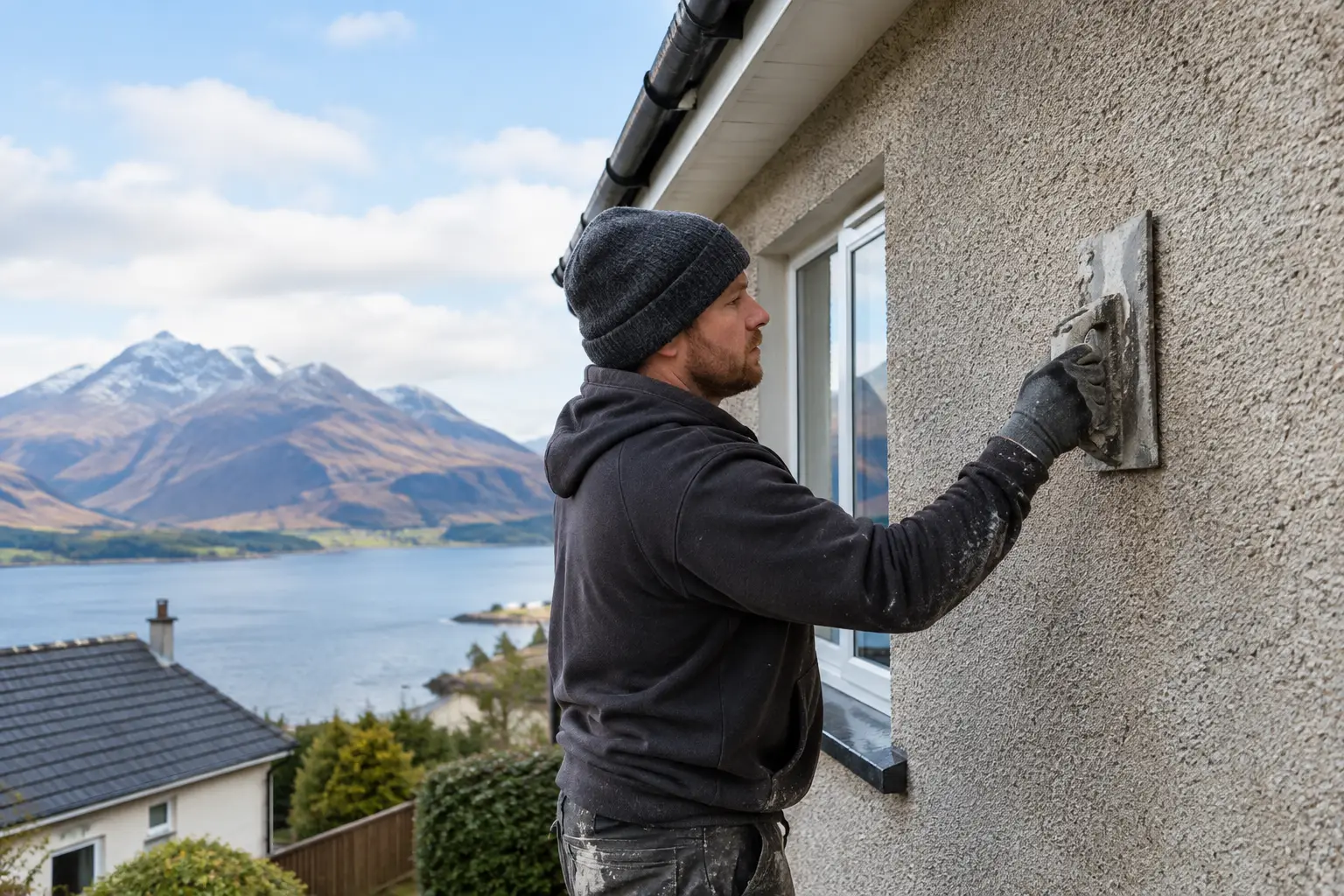
Is roughcasting worth it? See how this durable exterior finish protects Scottish homes, what affects the cost, and whether repair is enough for you...

A roof in Falkirk rarely fails all at once. More often, it wears down bit by bit through wet winters, windy spells, frost, and the steady damp that settles into small weak points. That is the real story of how Scotland’s weather damages roofs in Falkirk over time – not one dramatic storm, but years of exposure that gradually turn minor defects into expensive repairs.
For homeowners and landlords, that matters because early warning signs are easy to miss from ground level. A slipped tile, a cracked mortar joint, or a blocked gutter may not seem urgent on a dry day. After a few months of bad weather, though, the same issue can lead to leaks, rotten timbers, internal damp, and avoidable repair bills.
Falkirk properties deal with a mix of weather conditions that put roofing materials under constant pressure. Rain is the obvious one, but it is rarely just rain on its own. Wind drives water under loose edges, cold snaps freeze moisture inside small cracks, and repeated thawing widens them. Even in milder weather, persistent damp encourages moss growth and weakens parts of the roof that stay wet for too long.
This is why age alone does not tell the full story. Two roofs installed in the same year can end up in very different condition depending on exposure, tree cover, maintenance history, and the quality of earlier repairs. A sheltered roof may age slowly, while one facing prevailing wind and rain can deteriorate much faster.
The damage usually starts in the outermost materials. Slates, tiles, ridge lines, lead flashings, flat roof coverings, chimneys, fascias, soffits, and guttering all take the first hit from the weather. Once one section begins to fail, water tends to find its way deeper into the structure.
Long periods of rain are hard on any roof, especially older ones. Roof coverings are designed to shed water, but they rely on every part doing its job. If a tile has moved slightly or flashing has lifted around a chimney, water can creep into areas it should never reach.
Persistent moisture also exposes weak repairs. A patch job that looks fine in dry conditions may fail after repeated rainfall. On pitched roofs, underfelt and battens can begin to degrade if water gets past the top layer. On flat roofs, standing water can shorten the life of the covering if drainage is poor.
Strong winds are one of the main causes of sudden roofing problems in Central Scotland. Gusts can lift the edges of tiles, dislodge ridge components, strain flashing, and pull at fascias and gutter brackets. Sometimes the roof still looks intact from below, but the fixings underneath have already been weakened.
Wind damage is especially common where roofs have existing wear. A tile that is slightly loose after years of movement may stay in place for months, then come away in one storm. Once that happens, the surrounding area becomes more vulnerable too.
Winter tends to expose defects that were already developing. Water enters small cracks in mortar, concrete tiles, or chimney joints, then freezes when temperatures drop. As it expands, it pushes the material apart. When that cycle repeats, the crack grows wider.
This is a common reason chimney pointing, ridge bedding, and older cement work begin to crumble. It can also affect porous tiles that have absorbed moisture over time. By the time flakes of mortar or small debris appear on the ground, the problem is often more advanced than it first seems.
Moss looks harmless to many homeowners, but heavy growth can hold moisture against the roof surface for long periods. That slows drying times and increases wear, especially on north-facing slopes or shaded roofs. Moss can also build up in valleys and gutters, where it contributes to blockages.
Blocked gutters are a serious issue because they stop rainwater draining away properly. Water then overflows onto walls, soffits, and roof edges. In colder weather, trapped water can freeze and add more strain to brackets and joints. What starts as a gutter maintenance issue can eventually affect brickwork, roof timbers, and interior ceilings.
Not every section of a roof ages at the same rate. The most exposed and detailed areas are usually the first to show signs of trouble.
Flashings around chimneys, dormers, and abutments are common weak points because they depend on tight seals and proper fitting. When lead work starts to split, lift, or pull away, water can enter around the edges.
Ridge tiles and hip tiles also deserve attention. They take direct exposure from wind and rain, and the mortar or dry fix system holding them in place can loosen over time. A single unstable ridge tile is not just a leak risk – it can become a safety issue in high winds.
Flat roofs often fail more quietly. Instead of obvious missing materials, the signs may be bubbling, splits, ponding water, or slow water ingress at the edges. The good news is that flat roof problems are often manageable if caught early. Left too long, they tend to spread across a wider area.
A roof rarely asks for help politely, but there are clues. Damp patches in the loft, staining on upstairs ceilings, dripping during heavy rain, and bits of mortar in the garden all point to trouble. So do overflowing gutters, visible moss build-up, sagging gutter runs, or slates and tiles that do not sit evenly.
It also pays to look after storms even if there is no obvious leak. Wind damage does not always show up indoors straight away. In some cases, water may be entering the roof structure for weeks before stains appear inside.
The trade-off is simple. Acting early usually means a smaller, more affordable repair. Waiting often turns one issue into several – for example, a slipped tile becomes rotten battens, damaged insulation, and ceiling repairs.
Many property owners put off roof work because the problem seems minor or because there is no active leak. That is understandable, especially when budgets are tight. But roofing defects rarely stay still in Scottish weather.
A small repair carried out at the right time can extend the life of the wider roof significantly. Replacing a few broken tiles, securing lead flashing, repointing a chimney, or clearing drainage may prevent much larger work later on. On older roofs, that kind of maintenance is often the difference between getting several more good years from the roof and needing a premature replacement.
That said, repairs are not always the right answer. If a roof has repeated failures across multiple areas, patching one section after another can become false economy. In those cases, a clear inspection and honest advice matter more than a quick fix.
Regular visual checks, prompt repairs, and good drainage maintenance make a real difference. You do not need to climb onto the roof to stay ahead of problems. A ground-level check after storms, keeping gutters clear, and paying attention to internal signs of damp will catch many issues earlier.
Professional inspections are particularly worthwhile for older properties, rental homes, and roofs that have already had previous repair work. An experienced roofer can spot movement, wear, or failed detailing that a homeowner would reasonably miss. If work is needed, it should be explained clearly, with practical options based on the roof’s condition rather than a one-size-fits-all recommendation.
For some properties, improving one weak point solves most of the problem. For others, especially where materials are near the end of their life, more substantial work may be the sensible route. It depends on the age of the roof, the extent of water ingress, and whether the structure underneath is still sound.
Local experience counts because weather patterns, property styles, and common failure points vary from place to place. In Falkirk, many homes face the same cycle of wind-driven rain, winter frost, and ongoing damp conditions that test roofs year after year. A contractor familiar with the area will usually have a better feel for the problems that come up most often and the repair methods that hold up well over time.
That is one reason homeowners often prefer a local specialist such as Forth Valley Roofing. Clear communication, insured workmanship, and practical recommendations matter just as much as the repair itself when you are protecting your home.
If your roof has started showing signs of wear, the best time to act is before the next spell of bad weather tests it further. A sensible inspection now can save a far more stressful repair later.
Is roughcasting worth it? See how this durable exterior finish protects Scottish homes, what affects the cost, and whether repair is enough for you...
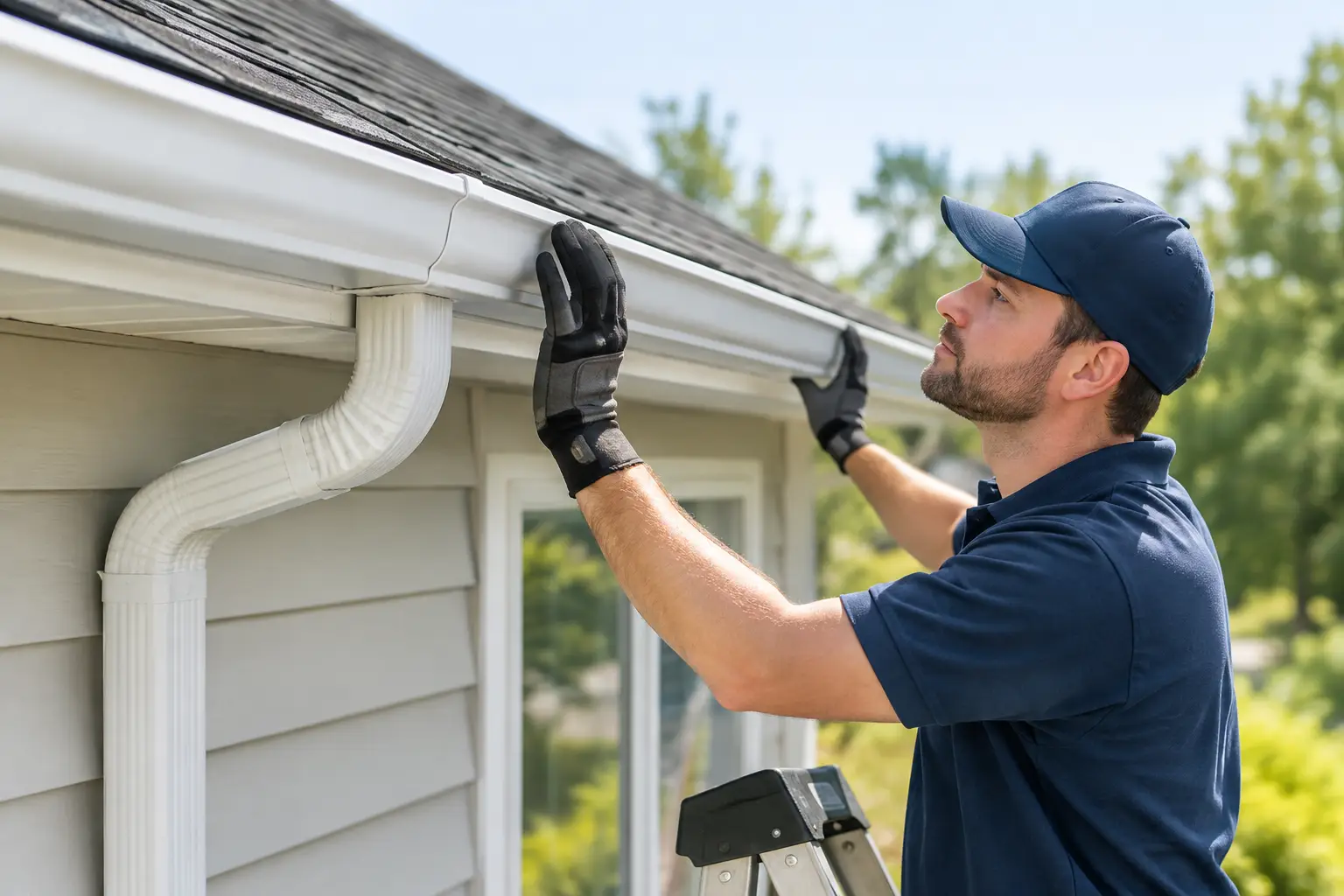
See a gutter replacement project example, from the first inspection to fitting new gutters, and learn what protects a Central Scotland home in winter.

Does roof ventilation reduce condensation? Learn when roof vents help, what causes loft moisture and how to protect your Central Scotland home this winter.