
October 8, 2026
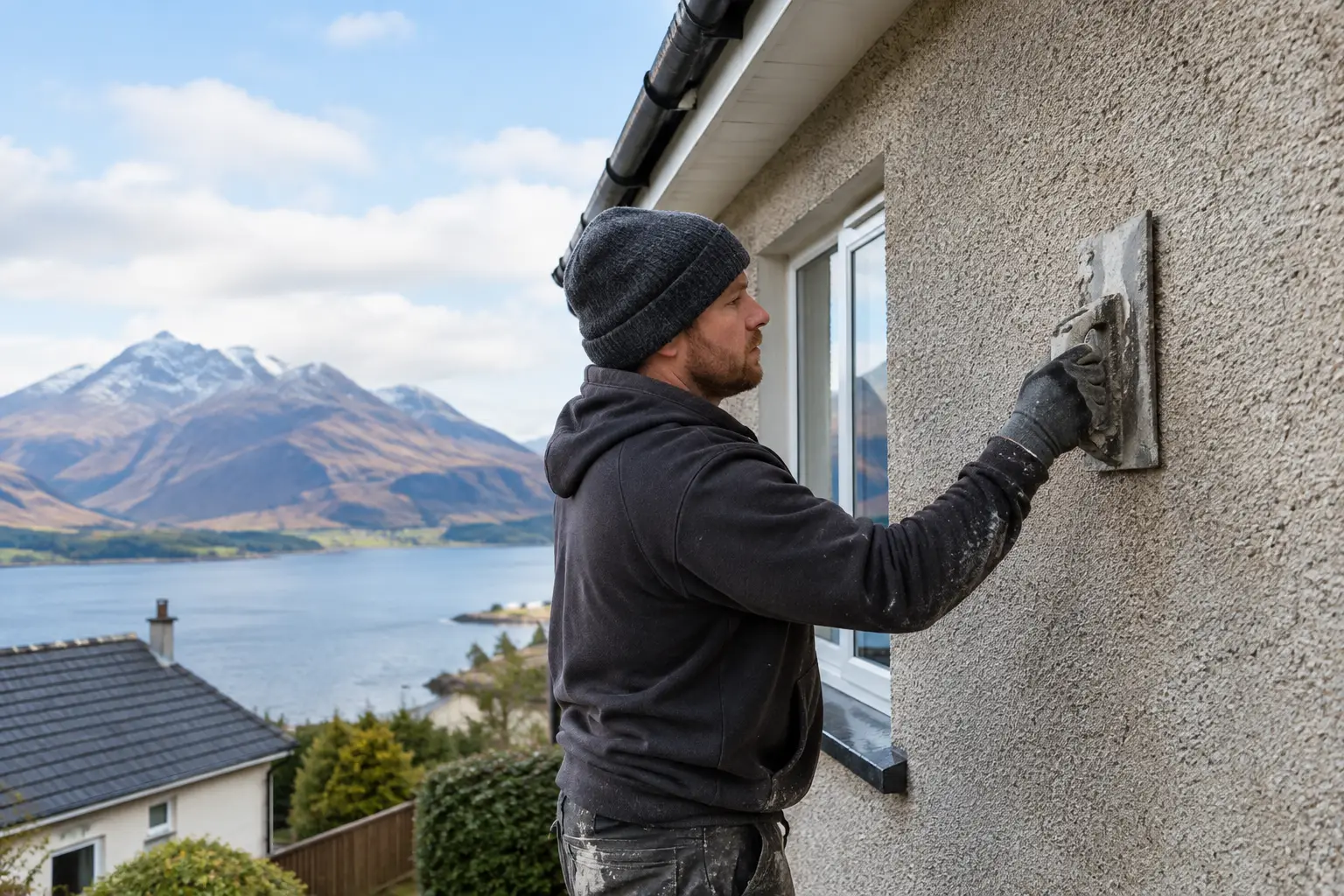
Is roughcasting worth it? See how this durable exterior finish protects Scottish homes, what affects the cost, and whether repair is enough for you...

A roof in Scotland can look fine from the ground right up to the point it starts letting water in. That is why one of the most common questions we hear is, how often should I have my roof inspected in Scotland? The short answer is at least once a year for most properties, with extra checks after major storms or if your roof is older, has had previous repairs, or sits in an exposed location.
That yearly inspection gives you a chance to catch small faults before they become bigger and more expensive problems. A slipped tile, cracked flashing, blocked valley, or loose ridge pointing might not seem urgent on day one, but after weeks of wind and rain it can turn into an internal leak, timber damage, mould, or insulation problems.
For most homes, a professional roof inspection once every 12 months is a sensible schedule. In Scotland, roofs deal with heavy rain, strong winds, frost, and regular temperature changes, so wear and tear tends to build faster than many homeowners expect. An annual inspection is usually enough to spot developing issues without paying for checks more often than you need.
If your home is in an exposed area, near open countryside, on higher ground, or regularly hit by strong winds, it is often worth being a bit more cautious. In those cases, a yearly inspection should still be your baseline, but you should also arrange an extra check after severe weather. The same applies if your roof is over 15 to 20 years old or you have already had patch repairs in the past.
For landlords and property managers, annual inspections are especially useful because they create a clear maintenance record. They also help avoid the situation where a small roofing fault turns into a tenant complaint during a spell of bad weather.
Roof inspection advice is never one-size-fits-all, and Scotland is a good example of why. Our climate puts roofing materials under steady pressure. Wind can lift tiles and slates. Rain can exploit very small gaps around flashing, chimneys, vents, and roof junctions. Frost can widen cracks, and repeated wet-dry cycles can wear down mortar and pointing.
This does not mean every roof needs constant attention. It does mean that waiting several years between inspections is usually a false economy. By the time a problem becomes obvious indoors, the repair often costs more because the issue has had time to spread.
A property in Falkirk, Stirling or West Lothian may not face identical conditions to a more exposed rural site, but throughout Central Scotland the weather is unpredictable enough that routine checks make practical sense. The goal is not to find work for the sake of it. It is to catch the sort of defects that are easy to sort early and costly to ignore.
There are situations where an annual inspection is not quite enough. If your roof is ageing, has recurring leaks, or has features like flat sections, roof windows, valleys, parapets, or chimneys, there are simply more places where wear can develop. In those cases, some owners prefer a check every six months, usually once in spring and once in autumn.
That can be particularly useful for older slate roofs and flat roofs. Both can perform very well when maintained properly, but they benefit from closer monitoring because faults are not always obvious from ground level. A flat roof, for example, may have early membrane wear, standing water issues, or failing edge details long before a leak appears inside.
You should also book an inspection if:
These are not jobs to leave until your next annual check.
Many roofing problems give warnings before they become emergencies. The trick is knowing what to look for without trying to climb onto the roof yourself. From the ground, you may notice slipped or missing slates, uneven ridges, sagging gutter lines, plant growth, or flashing that looks lifted or worn.
Inside the property, signs are often more subtle. Brown marks on ceilings, peeling paint near the top of walls, damp around chimney breasts, and musty smells in the loft can all point to roofing defects. Sometimes the roof is not the only cause, but those signs should always be checked properly.
Another common clue is blocked or leaking gutters. Gutters are not the roof itself, but they play a big role in how water is managed. If they overflow regularly, water can back up around the eaves and create problems that look like roof failure when drainage is part of the issue.
A proper roof inspection is more than a quick look from the pavement. It should assess the condition of the main roof covering, ridge and hip lines, flashing, chimney details, valleys, vents, soffits, fascias, and gutters. If safe access is available, the roofer should also look for signs of cracked tiles, slipped slates, loose fixings, defective mortar, membrane issues on flat roofs, and general wear around vulnerable joints.
Where appropriate, the loft space may also be checked for signs of water ingress, poor ventilation, condensation, or daylight showing where it should not. This matters because some roofing faults are easier to confirm from inside than outside.
A good inspection should leave you with a clear idea of whether the roof is in sound condition, needs minor maintenance, or requires more urgent repair work. It should not feel vague or overly technical. You should be told what has been found, why it matters, and what can reasonably wait.
A basic visual check from ground level can be helpful between professional inspections. It is sensible to keep an eye on your roof after storms or when seasons change, especially if your property has mature trees nearby or a history of weather-related issues.
But a DIY check has limits. Many faults are not visible from below, and getting onto a roof without the right equipment is unsafe. Even walking on a roof can cause damage if it is done incorrectly. For most homeowners, the best approach is simple – keep watch for visible warning signs, but leave the close inspection to a qualified roofing professional.
Roof inspections are usually far cheaper than major reactive repairs. That is the real reason regular checks make sense. A small issue caught early might need only a straightforward repair. Left through another winter, the same fault can lead to rotten battens, damaged felt, saturated insulation, internal plaster damage, and a much bigger bill.
There is also the disruption to think about. Emergency leaks rarely happen at a convenient time. They tend to appear during heavy rain, overnight, or when other parts of the property are already under pressure. Preventative maintenance is not glamorous, but it is often the difference between a manageable repair and a stressful one.
For homeowners planning to stay in their property long term, routine inspections are part of protecting the value of the home. For landlords, they are part of staying ahead of avoidable maintenance issues and keeping tenants happy.
If you want the most practical answer, book a professional roof inspection once a year as standard. Increase that to every six months if your roof is older, more exposed, more complex, or has a history of problems. Arrange an extra inspection after severe storms, if you spot signs of damage, or if there is any sign of damp indoors.
That schedule is not about over-servicing your roof. It is about matching inspection frequency to Scottish weather, the age of the property, and the condition of the roof you actually have. Some roofs will need very little doing for years. Others need closer attention to stay watertight.
If you are unsure where your own property sits, a straightforward inspection gives you a proper starting point. A dependable local contractor should be able to tell you whether all you need is peace of mind, a small repair, or a more planned approach to maintenance. Forth Valley Roofing works with homeowners and property managers across Central Scotland with that exact focus – clear advice, honest recommendations, and roofing work that protects the property for the long term.
A roof rarely asks for attention politely, so it pays to check it before the weather forces the issue.
Is roughcasting worth it? See how this durable exterior finish protects Scottish homes, what affects the cost, and whether repair is enough for you...
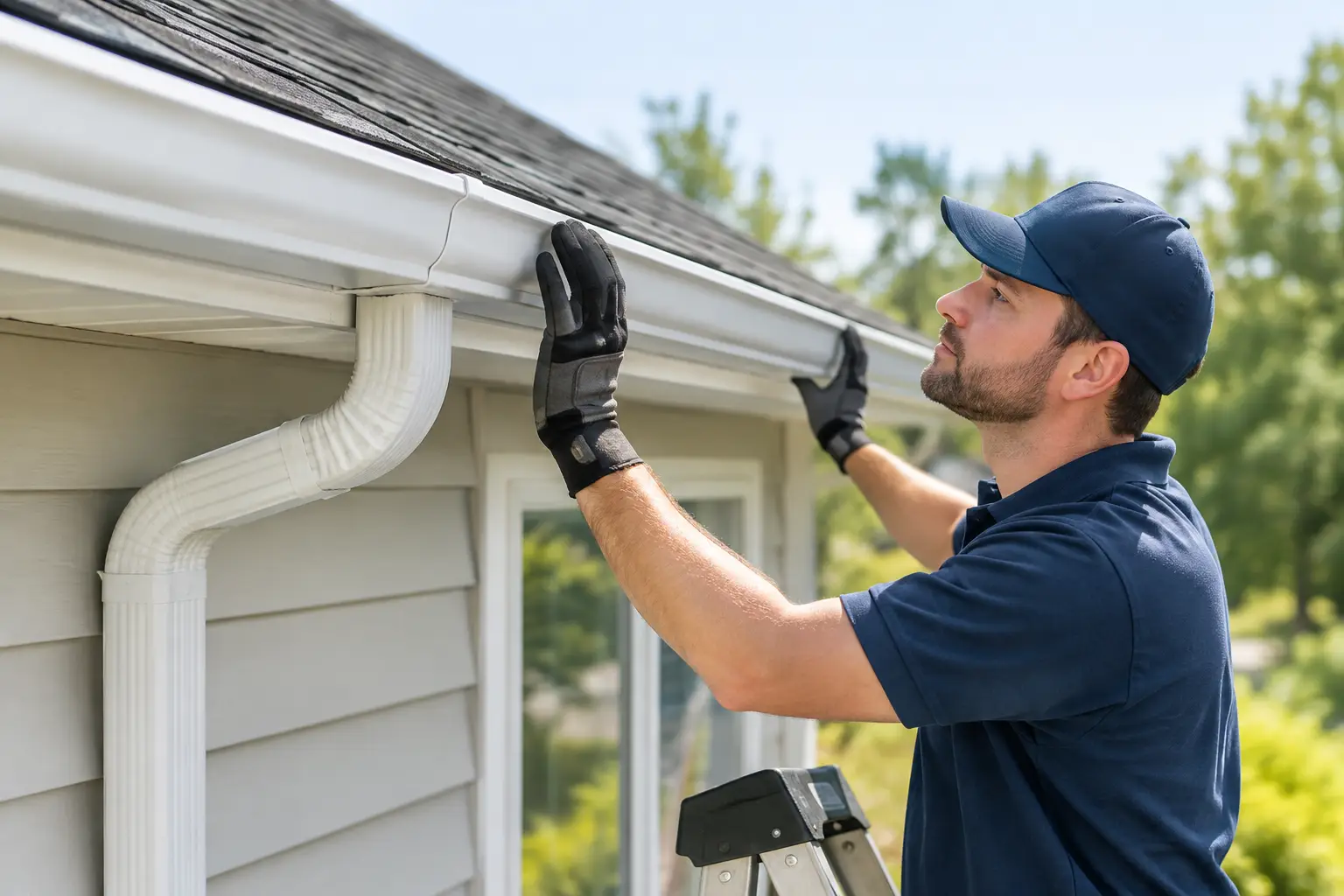
See a gutter replacement project example, from the first inspection to fitting new gutters, and learn what protects a Central Scotland home in winter.

Does roof ventilation reduce condensation? Learn when roof vents help, what causes loft moisture and how to protect your Central Scotland home this winter.