
October 9, 2026
Learn how to assess heritage slate roofs, plan sympathetic repairs and protect a Central Scotland property from leaks, storm damage and costly disruption.

A leaking gutter can look like a simple drainage problem, while peeling fascia boards may seem purely cosmetic. In practice, the decision around gutters or fascias replacement is often about protecting the roof edge, brickwork and timber behind them before a small fault becomes a more expensive repair. The two systems work closely together, so the right answer depends on their condition, not simply which one looks worse from the ground.
For homeowners and landlords, the sensible approach is to identify where the water is escaping, whether the existing materials are still sound, and whether replacing one element would make the other harder to maintain later. A proper inspection can save money by avoiding unnecessary work, but it should not delay essential repairs where damp or rotten timber is already present.
Gutters collect rainwater from the roof and direct it safely into downpipes. Fascias are the long boards fixed along the lower edge of the roof, supporting the guttering and forming a neat, weatherproof finish beneath the tiles. Soffits sit underneath the fascia, closing the gap between the roof edge and external wall while helping to ventilate the roof space where required.
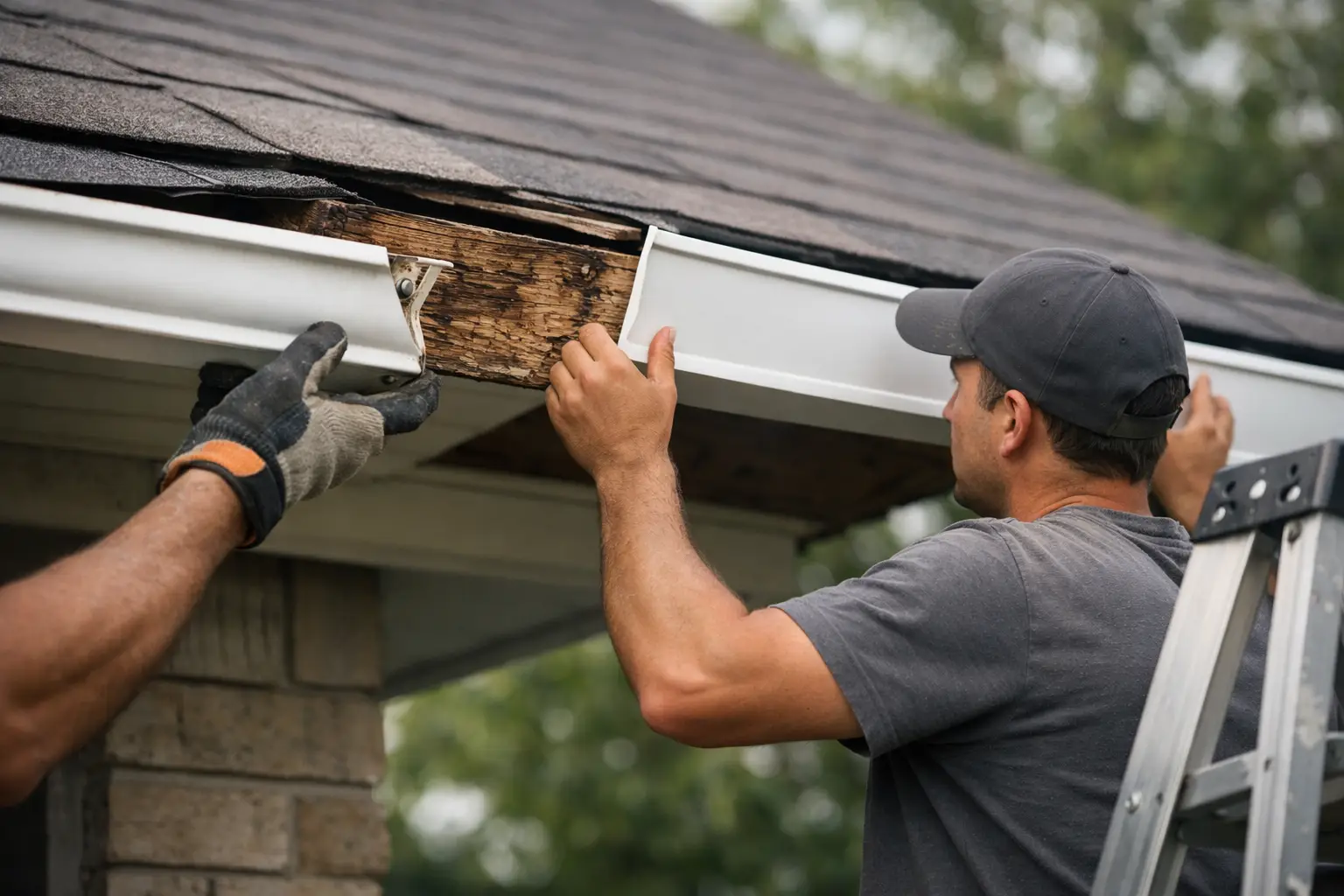
When gutters overflow, sag or leak at joints, water can run back onto the fascia. Over time, this can stain and soften timber boards, damage paintwork and allow moisture into the eaves. Conversely, when fascias rot or their fixings fail, gutters may pull away from the roofline, lose their correct fall and start overflowing even when the gutter itself is still in reasonable condition.
That is why a gutter problem should never be assessed in isolation. The visible drip may be coming from a cracked gutter joint, but the cause could be failed brackets in decayed fascia timber. Equally, a discoloured fascia may only need cleaning and repainting if the gutter is correctly aligned and the board beneath remains solid.
If both systems are approaching the end of their serviceable life, replacing fascias before fitting new gutters is usually the best order. New gutters need secure, straight fixings, and there is little value in attaching them to old timber that may need to be removed shortly afterwards. Taking down the existing guttering also gives clear access to inspect the fascia, soffit and roof edge properly.
There are exceptions. If a storm has cracked a section of guttering or pulled down a downpipe but the fascia is sound, a targeted gutter repair or replacement is normally enough. Likewise, if water is getting into the property because an isolated gutter leak is overflowing directly above a doorway or wall, the immediate drainage issue should be dealt with quickly, even if wider fascia work is planned for later.
A full replacement is often the most practical choice where there are several linked defects: brittle plastic gutters, recurring joint leaks, sagging runs, rotten timber fascias and peeling soffits. Completing the work together reduces repeat labour, ensures the gutters are fitted to the correct fall, and gives the roofline a consistent finish.
Gutters do not have to be visibly broken to cause damage. Water spilling over the front edge in ordinary rain is one of the clearest warnings. It may be caused by leaves and moss, but it can also indicate an incorrect fall, a blocked downpipe or gutter brackets that have moved.
Look out for dripping joints long after rainfall has stopped, gutters bowing between brackets, cracks around outlets, and water marks on external walls below the roofline. Damp patches near windows, damaged render, moss growth on walls and puddling around the base of the property can all point to poor rainwater drainage.
Cleaning can resolve a blockage, particularly after autumn leaf fall. However, cleaning will not fix worn seals, distorted plastic, damaged outlets or a gutter run that no longer slopes towards the downpipe. If repairs are becoming frequent, replacement can offer better value and more reliable protection.
Timber fascias are vulnerable when paint has failed or gutters have been leaking against them for years. Flaking paint, dark stains, split boards and soft areas around gutter brackets are all reasons to arrange an inspection. A board that feels spongy when gently tested, or has fixings pulling out, should not be left supporting a heavy gutter full of rainwater.
Inside the property, damp at the top of external walls, musty smells in the loft or daylight visible around the eaves can also indicate a roofline issue. These symptoms may have other causes, including roof tile defects or failed flashing, which is why an experienced assessment matters before deciding on the work.
Modern uPVC fascias and soffits are a popular replacement option because they do not need regular painting and cope well with Scottish weather. They are not maintenance-free, however. Gutters still need clearing, vents must remain unobstructed, and the boards need to be installed over a sound backing structure rather than used to hide rotten timber.
The right choice depends on the extent of damage and the age of the existing roofline. A single failed gutter joint, loose bracket or short cracked section can often be repaired without replacing an entire system. This is particularly sensible where the rest of the guttering is modern, correctly fitted and in good condition.
Replacement becomes more worthwhile when materials are brittle, joints have repeatedly failed, sections are mismatched, or water damage has spread along the fascia. It can also make sense during wider roofing work. If scaffolding is already required for roof repairs, chimney work or a new roof, addressing tired gutters and fascias at the same time can reduce disruption and avoid paying for access twice.
Be cautious about the cheapest quote if it does not explain what is happening behind the existing boards. Covering old timber with uPVC can look tidy initially, but it may conceal decay and leave gutter fixings unsupported. A good quote should set out whether old boards will be removed, how any rotten timber will be dealt with, the type of guttering proposed, and whether downpipes, soffits and ventilation are included.
Even high-quality guttering will fail early if it is fitted without the right fall. The run needs to slope gently towards the outlet so water drains away rather than sitting in the channel. Brackets must be securely fixed at suitable intervals, joints need to be properly sealed, and downpipes should discharge water safely away from the building.
At the roofline, the work must protect the eaves without blocking necessary ventilation. This is especially relevant in older homes, where changes to fascias and soffits can affect airflow in the loft. Poor ventilation can contribute to condensation, so the replacement design should suit the property rather than follow a one-size-fits-all approach.
For properties in Falkirk and across Central Scotland, heavy rainfall, wind-driven rain and repeated freeze-thaw cycles make good drainage particularly important. A gutter system that copes in light rain but overflows during a downpour is not doing its job when it matters most.
Before approving gutters or fascia replacement, ask for a clear explanation of the cause of the problem and the recommended scope of work. You should know whether the existing timber has been inspected, whether any roof-edge repairs are required, and what materials will be used.
It is also reasonable to ask how waste will be removed, whether access equipment is included, and what guarantee applies to the workmanship. Photographs before and after the work can be useful, particularly for landlords and property managers who may not be on site during the job.
Forth Valley Roofing provides practical roofline assessments and can advise whether a focused repair or full replacement offers the better long-term result. The aim should be straightforward: gutters that drain freely, fascias that hold them securely, and a roof edge that stays protected through the weather.
If you have noticed overflowing gutters, staining below the eaves or loose sections after high winds, arrange an inspection before the next spell of heavy rain. Early action is usually simpler, less disruptive and far kinder to the fabric of your property.
Learn how to assess heritage slate roofs, plan sympathetic repairs and protect a Central Scotland property from leaks, storm damage and costly disruption.
Is roughcasting worth it? See how this durable exterior finish protects Scottish homes, what affects the cost, and whether repair is enough for you...
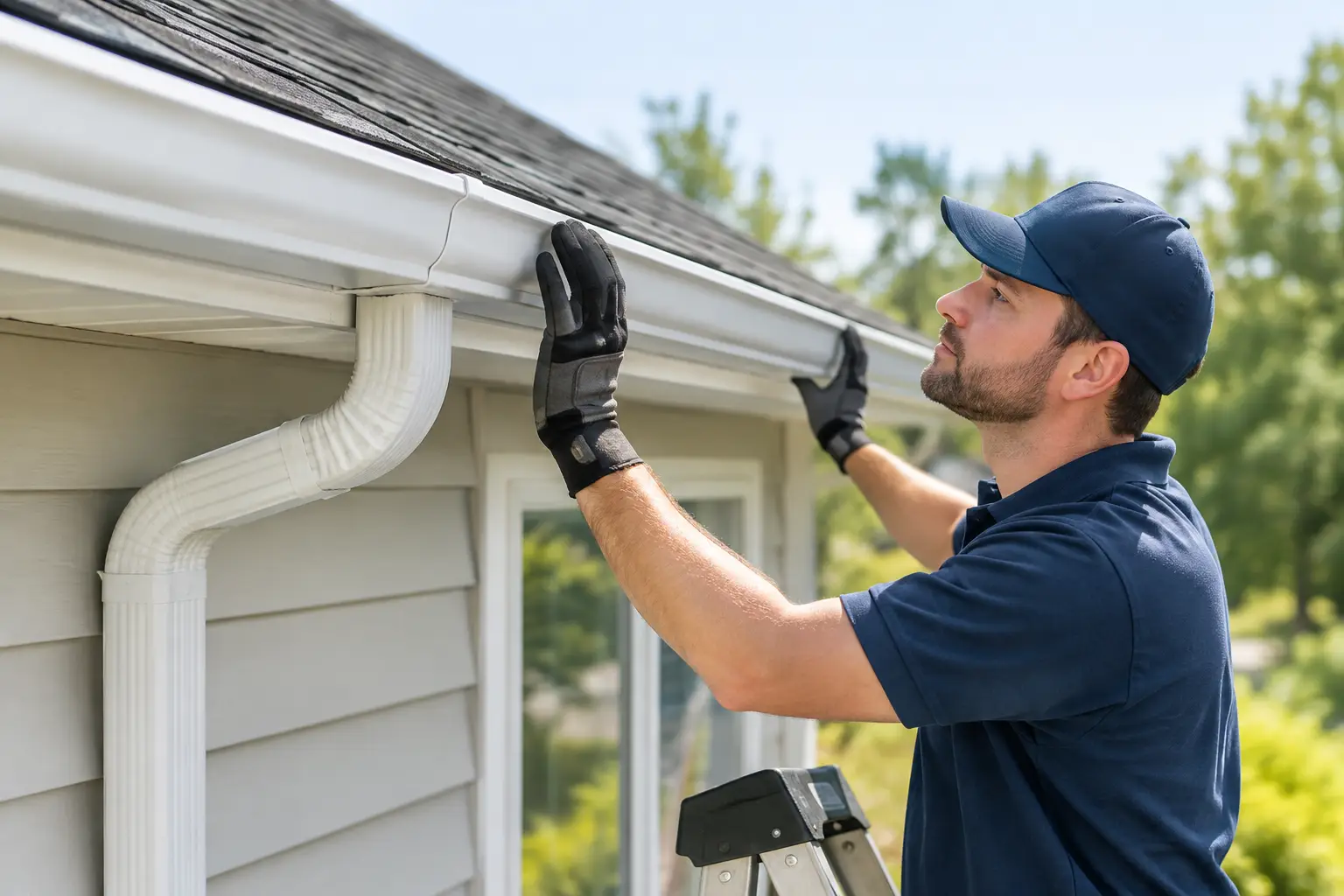
See a gutter replacement project example, from the first inspection to fitting new gutters, and learn what protects a Central Scotland home in winter.