October 8, 2026
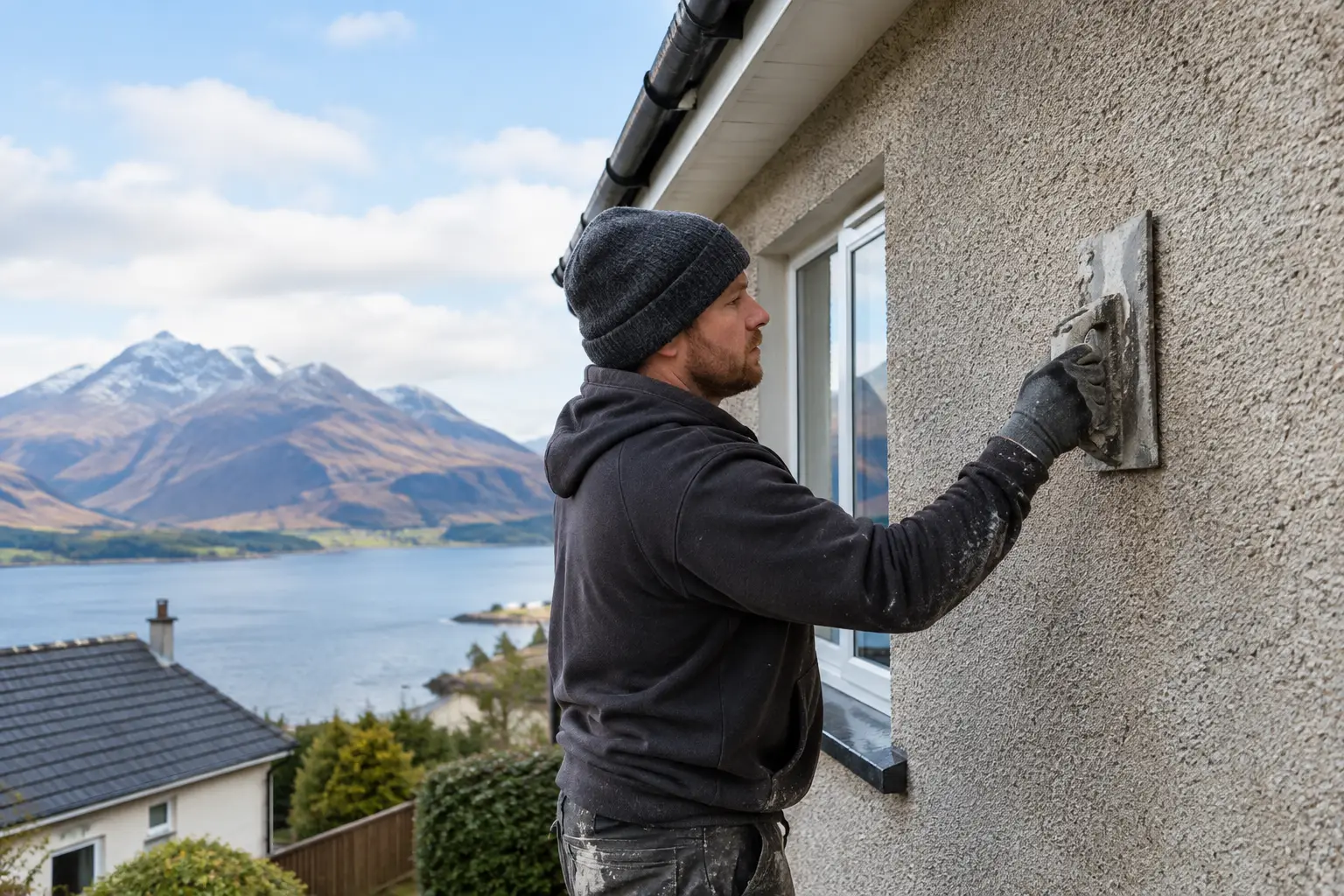
Is roughcasting worth it? See how this durable exterior finish protects Scottish homes, what affects the cost, and whether repair is enough for you...

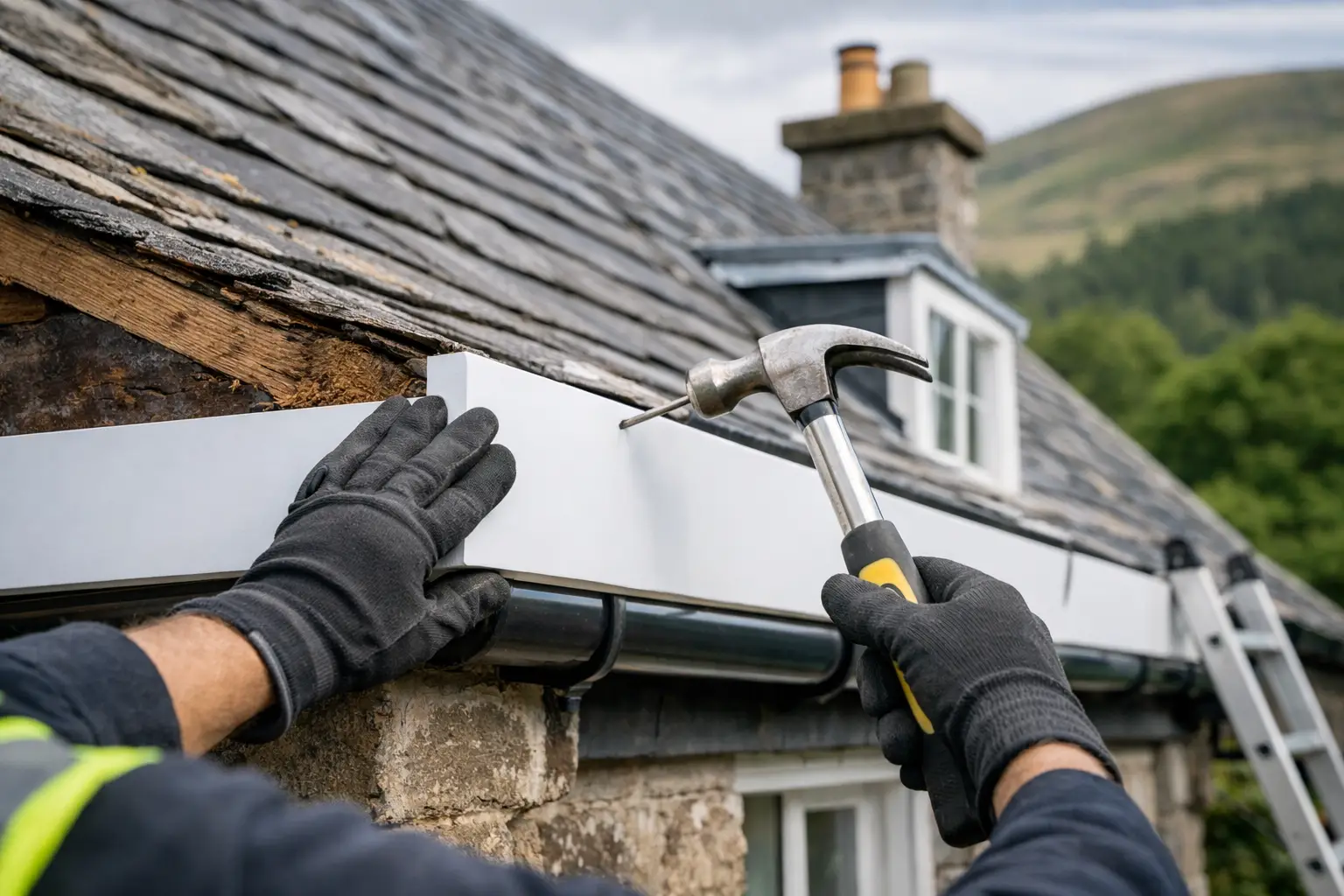
A stained patch beneath the roofline, peeling paint at the eaves or gutters that have begun to sag are not simply cosmetic issues. They can be early signs that water is reaching the fascia. Understanding your fascia board repair options helps you deal with a small defect before it becomes damaged roof timbers, unreliable guttering or damp around the property.
Fascia boards sit along the lower edge of the roof, behind the gutters. They support the gutter run and create a neat, weatherproof finish where the roof meets the walls. In Central Scotland, repeated rain, wind and freeze-thaw conditions can be particularly hard on older timber fascias, especially where gutters overflow or joints leak.
The best repair depends on the condition of the board and the reason it deteriorated. Replacing a visibly rotten section without fixing a leaking gutter or faulty roof edge only delays the same problem.
Timber fascia boards commonly fail after years of moisture exposure. Paint cracks, bare timber absorbs water, and rot can develop behind the surface before it is obvious from ground level. Water may also be coming from a slipped roof tile, damaged felt, overflowing gutters, blocked downpipes or a poorly fitted gutter bracket.
UPVC fascia boards do not rot, but they are not entirely maintenance-free. They can crack after impact, pull away if gutter fixings fail, or conceal decaying timber behind them where a thin capping board was fitted over an older fascia. A proper inspection should look at the roof edge, gutters, soffits and the timber structure rather than judging the job by the front-facing finish alone.
There is no single right answer for every property. A sound board with one localised defect may only need a targeted repair. Where rot has spread or the guttering is no longer securely supported, replacement is usually the safer and better-value choice.
If rot or splitting is limited to a short area, a roofing contractor may cut out the failed timber and fit a new matching section. The repair is secured to sound timber, treated where required, sealed at the joints and painted or finished to suit the existing roofline.
This can be a sensible option when the rest of the fascia is dry, solid and properly maintained. It avoids replacing good material and can keep costs controlled. However, it is only suitable when the surrounding board and rafter ends remain sound. Filling over soft timber or fixing a new piece onto decayed wood is not a lasting repair.
Sometimes the fascia itself is serviceable, but gutters have loosened because fixings have pulled out, brackets have broken or the gutter has been overloaded with leaves and standing water. Replacing brackets, correcting the gutter fall and renewing poor fixings can restore the system without major fascia work.
The key question is whether the screws still have solid timber to grip. If they do not, repeatedly tightening a loose bracket will not solve the underlying issue. Water can spill behind the gutter and accelerate the damage.
Full replacement is normally recommended where there is widespread rot, extensive paint failure, warped boards or insecure gutter support. The old fascia is removed so the contractor can inspect the rafter ends and roof edge. Any decayed timber should be repaired before the new fascia is installed.
New treated timber fascia is a good choice for homeowners who want to retain a traditional appearance, particularly on older properties. It needs regular preparation and repainting to keep water out, but a correctly fitted and maintained timber board can perform well for many years.
UPVC fascia is a popular replacement option because it is durable, clean-looking and requires far less routine painting than timber. It is available in white, black, anthracite grey and wood-effect finishes, allowing the roofline to suit the property.
For the best result, UPVC fascia boards should be fitted as a replacement system, not simply used to cover soft or rotten timber. Removing failed boards allows the roofline to be checked properly and gives gutter brackets a secure fixing point. Soffits are often renewed at the same time, particularly if ventilation is needed to protect the roof space from condensation.
UPVC has a higher initial cost than a small patch repair, but it can reduce future decorating and maintenance work. It may not be the preferred finish for every traditional building, so appearance, planning considerations and neighbouring properties can all influence the decision.
A fascia repair becomes a replacement job when the board is soft in more than one area, the damage extends behind the gutter, or there is concern about the timber supporting the roof edge. Visible staining on walls, mould in the loft, dripping joints and gutters sitting at an uneven angle are further warning signs.
Do not rely on a ladder inspection alone if access is unsafe. Fascias are located at height, and the condition behind the gutter can be difficult to judge from the ground. A professional assessment can identify whether the issue is isolated to the fascia or connected to roof tiles, underlay, flashing or drainage.
For landlords and property managers, acting early is especially worthwhile. A loose gutter or rotten roofline can develop into a tenant safety concern and may cause avoidable damage to external walls. Keeping a record of inspections and repairs also makes planned maintenance easier to manage across several properties.
A clear quotation should explain exactly what is being repaired or replaced. It should state whether the price includes safe access, removal of old material, replacement of affected timber, gutter removal and refitting, soffit work, ventilation and disposal of waste.
It should also make clear whether the gutters will be checked for correct falls and leaks once reinstated. This matters because a new fascia will still suffer if water is allowed to overflow behind it. Where roof edge felt has deteriorated, it may need attention at the same time so rainwater runs correctly into the gutter rather than behind it.
Ask about the material specification, colour and fixing method rather than accepting a vague description such as “new plastics”. A dependable contractor should explain why a repair, timber replacement or UPVC system is being recommended, along with the likely maintenance needs of each option. Insured workmanship and a written guarantee provide further reassurance for work that protects such a critical part of the roofline.
For a small, confirmed area of damage on an otherwise healthy timber fascia, a local repair is often the most economical route. For ageing boards with repeated issues, replacing the full run can prevent a cycle of patching, painting and gutter repairs. If you are already renewing gutters, roof edge details or soffits, completing the roofline work together can also be more efficient than arranging separate access later.
The right choice comes down to condition, cause and long-term plans for the property. A home being prepared for sale may benefit from a neat, durable roofline upgrade, while a well-maintained traditional property may be better served by a careful timber repair that preserves its existing character.
Forth Valley Roofing can inspect roofline concerns, explain the practical options in plain language and provide a free quote for work across Falkirk and the surrounding area. Addressing a loose gutter, failing paint finish or soft fascia board now is usually far simpler than dealing with water damage after another wet Scottish winter.
Is roughcasting worth it? See how this durable exterior finish protects Scottish homes, what affects the cost, and whether repair is enough for you...
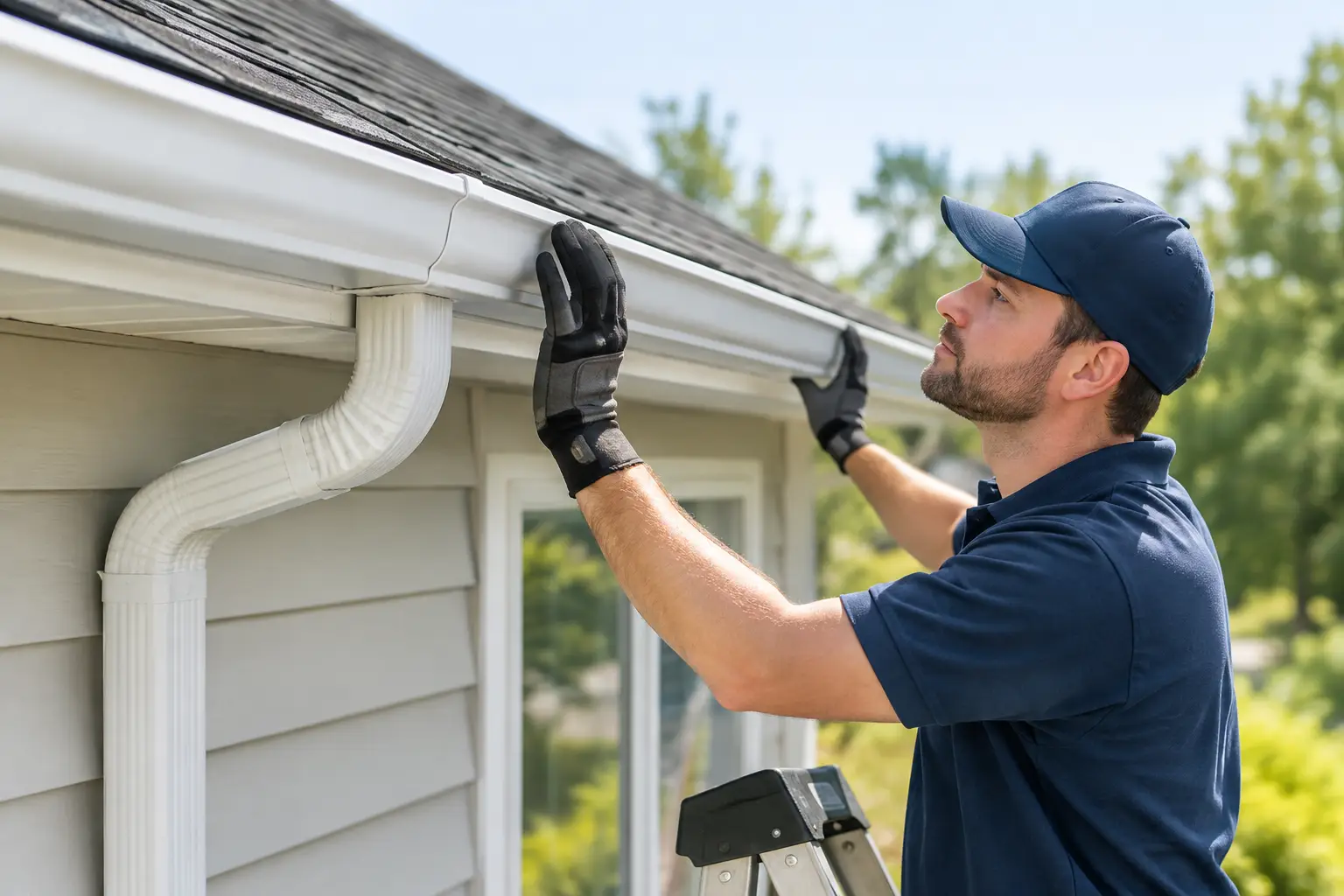
See a gutter replacement project example, from the first inspection to fitting new gutters, and learn what protects a Central Scotland home in winter.

Does roof ventilation reduce condensation? Learn when roof vents help, what causes loft moisture and how to protect your Central Scotland home this winter.