October 9, 2026
Learn how to assess heritage slate roofs, plan sympathetic repairs and protect a Central Scotland property from leaks, storm damage and costly disruption.

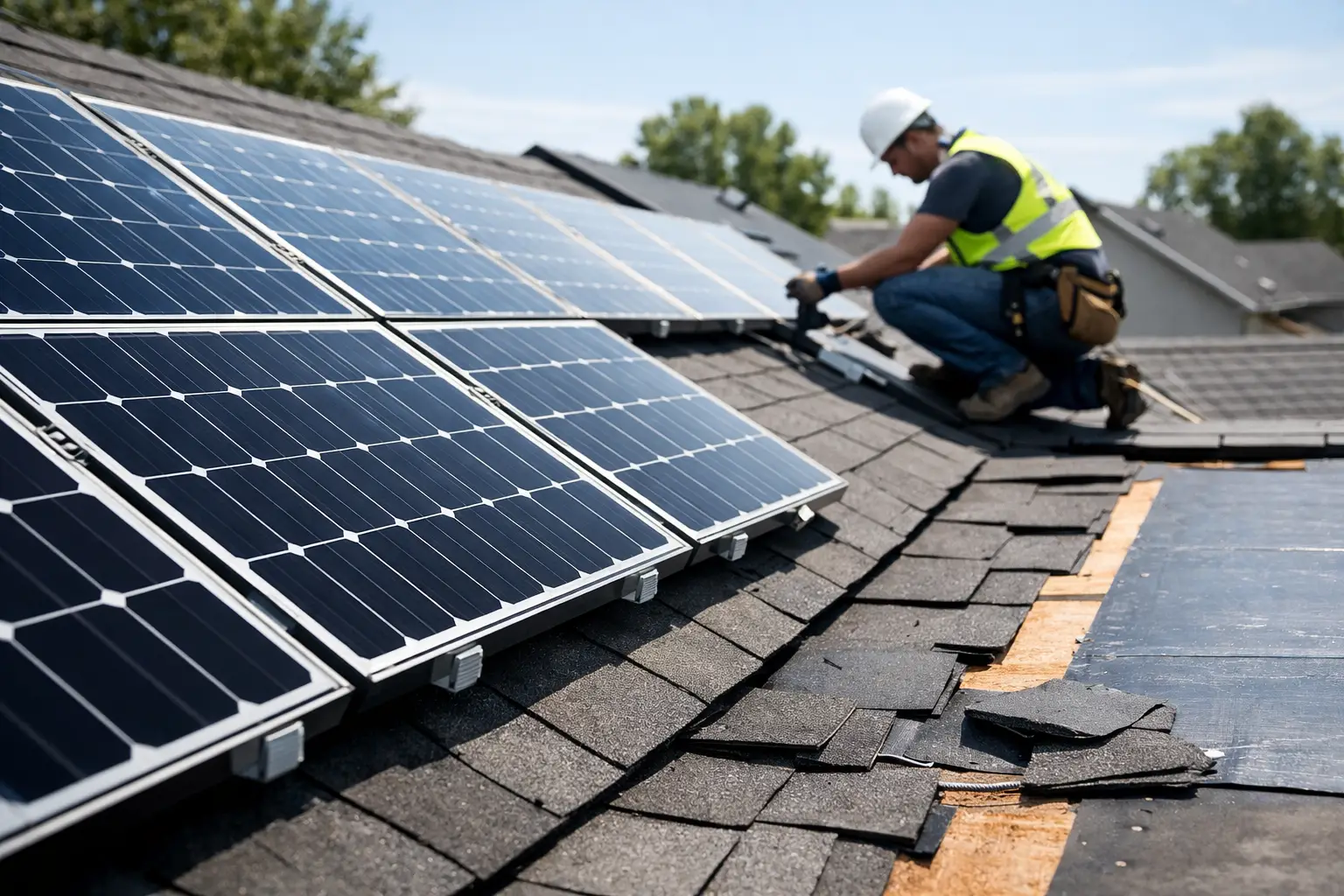
A solar installation should not leave you worrying about the roof beneath it. Yet it is sensible to ask, do solar panels affect roofs, particularly if your property has an older tiled roof, visible wear, or a history of leaks. The short answer is that professionally installed panels do not normally damage a sound roof. Problems tend to arise when the roof was already unsuitable, the fixing method was poor, or small faults were ignored before installation.
For homeowners across Central Scotland, this matters because roofs regularly face heavy rain, wind, frost and changing temperatures. Solar panels are a long-term addition to the property, so the condition of the roof needs to be treated as part of the project, not an afterthought.
Solar panels add weight and introduce mounting points, but neither is automatically a concern. A standard domestic system is designed to sit on rails fixed securely to the roof structure, rather than simply resting on the slates or tiles. The load is spread across multiple roof fixings, and a competent installer will assess whether the rafters, coverings and existing structure are suitable.
In many cases, panels can even reduce direct weather exposure on the area immediately beneath them. They shield sections of the roof from driving rain, hail and UV light. That said, the rest of the roof continues to age, and the covered section may weather differently from the exposed areas. This is usually an appearance issue rather than a structural one, but it can be noticeable if the panels are removed many years later.
The greater risk is not the panel itself. It is water getting through an incorrectly sealed penetration, a cracked tile caused during fitting, or an installer fixing into weak timber without carrying out a proper survey. These faults may take months to show, particularly in dry weather, before appearing as damp patches or a leak inside the loft.
A solar survey should include a close look at the roof covering and structure. If your roof is nearing the end of its useful life, fitting solar panels first can be false economy. Removing and reinstalling them for a reroof adds disruption, labour and cost that could have been avoided by planning both jobs together.
As a practical guide, a roof that is already showing widespread broken or slipping tiles, deteriorated pointing, sagging areas, recurring leaks or rotten roof timbers should be repaired or replaced before panels go on. The same applies to flat roofs with ageing felt, splits around upstands, standing water or previous patch repairs that are no longer holding.
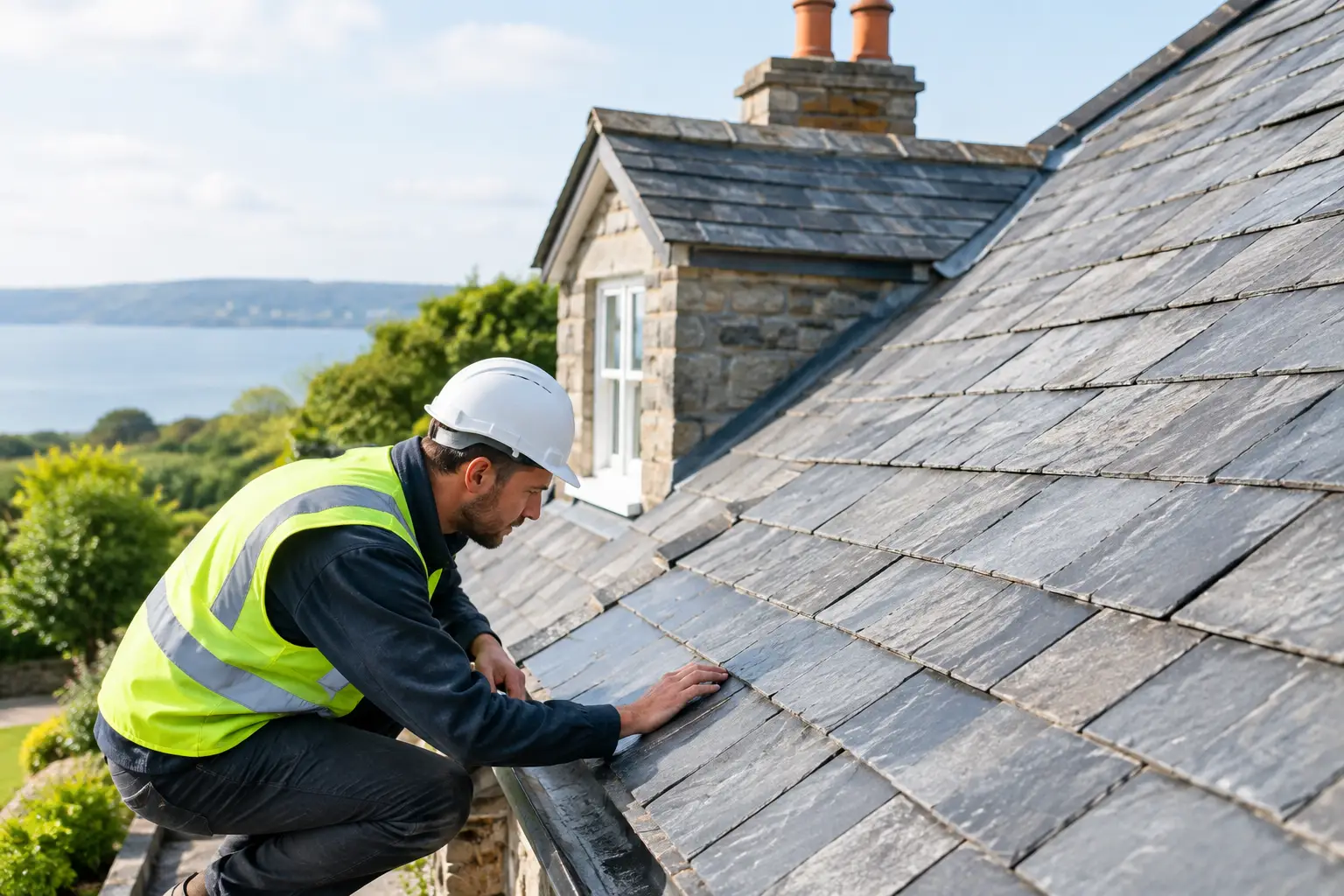
A newer roof is not automatically ready either. The materials, pitch, access, insulation arrangements and rafter condition all need checking. Slate roofs deserve particular care, as slates can crack if they are walked on carelessly or lifted without the right experience. Older properties may also have irregular roof construction that needs a more considered fixing plan.
Tiles, slates and membranes keep out the weather, while rafters and supporting timbers carry loads. Both need to be in good order. Replacing a few damaged tiles does not address weak timbers, and strong rafters do not make a tired, leaking roof covering suitable for a twenty-five-year solar installation.
A proper inspection should look inside the loft where possible, as well as from outside. Signs such as staining, daylight through the covering, mould, distorted timbers or damp insulation should be dealt with before work begins.
People often imagine a row of panels will put excessive strain on the house. In reality, the additional weight of a typical domestic system is usually well within what a sound pitched roof can support. Panels, rails and fixings add a distributed load rather than concentrating it in one small spot.
However, weight is only one part of the assessment. Wind uplift is also critical, especially on exposed properties and taller buildings. Strong gusts can place significant force on the array and its fixings. The mounting system must be designed for the roof type, pitch and local exposure, with the right number of fixings positioned into suitable structural timber.
Flat roofs need their own approach. Some systems use ballast rather than roof penetrations, while others use fixed mounting arrangements. Ballasted systems avoid drilling through the waterproof layer, but the roof must be checked for the added load and wind resistance. A flat roof that is soft, waterlogged or nearing replacement should not simply be covered over with panels.
The most important detail is where each bracket meets the roof. On a tiled or slated roof, the installer lifts the covering, secures a bracket into the roof structure, and uses appropriate flashing or weatherproofing methods so water continues to run safely down the roof. Tiles or slates should sit correctly afterwards, without being forced, cracked or left proud.
Poor workmanship can lead to gaps around fixings, dislodged tiles, damaged underlay and unnecessary holes. A rushed installation may look fine from the ground but create a slow leak during wind-driven rain. That is why it is worth asking clear questions before agreeing to work: will the roof be inspected first, how will roof penetrations be weatherproofed, and who is responsible if a roofing issue is found during installation?
It is also sensible to make sure roofing and solar work are properly coordinated. If repairs are required, they should be completed first rather than worked around. Forth Valley Roofing can assess roofing condition and carry out the necessary repairs or replacement work before a solar installation, helping homeowners avoid fitting panels over known defects.
Solar panels can make future roof work more involved, but not impossible. If a chimney repair, tile replacement, valley repair or reroof is needed beneath the array, some or all of the panels may need to be removed and refitted. This is another reason to address outstanding roofing concerns beforehand.
Keep records of the roof inspection, repairs, installation layout and any guarantees supplied. If you have an existing roof warranty, check whether third-party alterations affect its terms. A reputable installer should explain their workmanship cover and the product warranties separately, as they protect different parts of the job.
Access is worth discussing too. Panels should not prevent sensible access to gutters, roof valleys, chimneys or ventilation points. On certain roofs, a small change to panel layout can make later maintenance far easier. There is no single ideal arrangement for every property, so the best design balances energy generation with safe access and sound roofing details.
Once installed, a good solar system should need little attention. Still, the roof should not be forgotten. Check from ground level after severe storms for displaced tiles, loose flashing or obvious debris build-up. Keep gutters clear, particularly where leaves can gather below the lower edge of the panels and slow drainage.
Avoid climbing onto the roof or attempting to remove panels yourself. Aside from the safety risk, walking in the wrong place can crack tiles or damage cabling and fixings. If you notice staining on ceilings, damp in the loft, a rattle in high winds or a broken tile near the array, arrange an inspection promptly. Early repairs are generally simpler and more affordable than allowing water to travel through the roof structure.
Solar panels are not a substitute for roof maintenance. A roof that needs major repairs, a chimney that is allowing water in, or an old flat roof membrane with repeated failures should be dealt with first. Equally, if you expect to extend the property, convert the loft or replace the roof within a few years, it may make sense to plan the solar work around those changes.
The right answer depends on the property. A well-maintained roof with sound structure is normally an excellent base for solar panels. An ageing or damaged roof needs honest assessment before any installation is booked.
If you are considering solar, arrange a roof check early in the process. Knowing that the covering, fixings and structure are ready gives you confidence that your investment will protect your home as well as help power it.
Learn how to assess heritage slate roofs, plan sympathetic repairs and protect a Central Scotland property from leaks, storm damage and costly disruption.
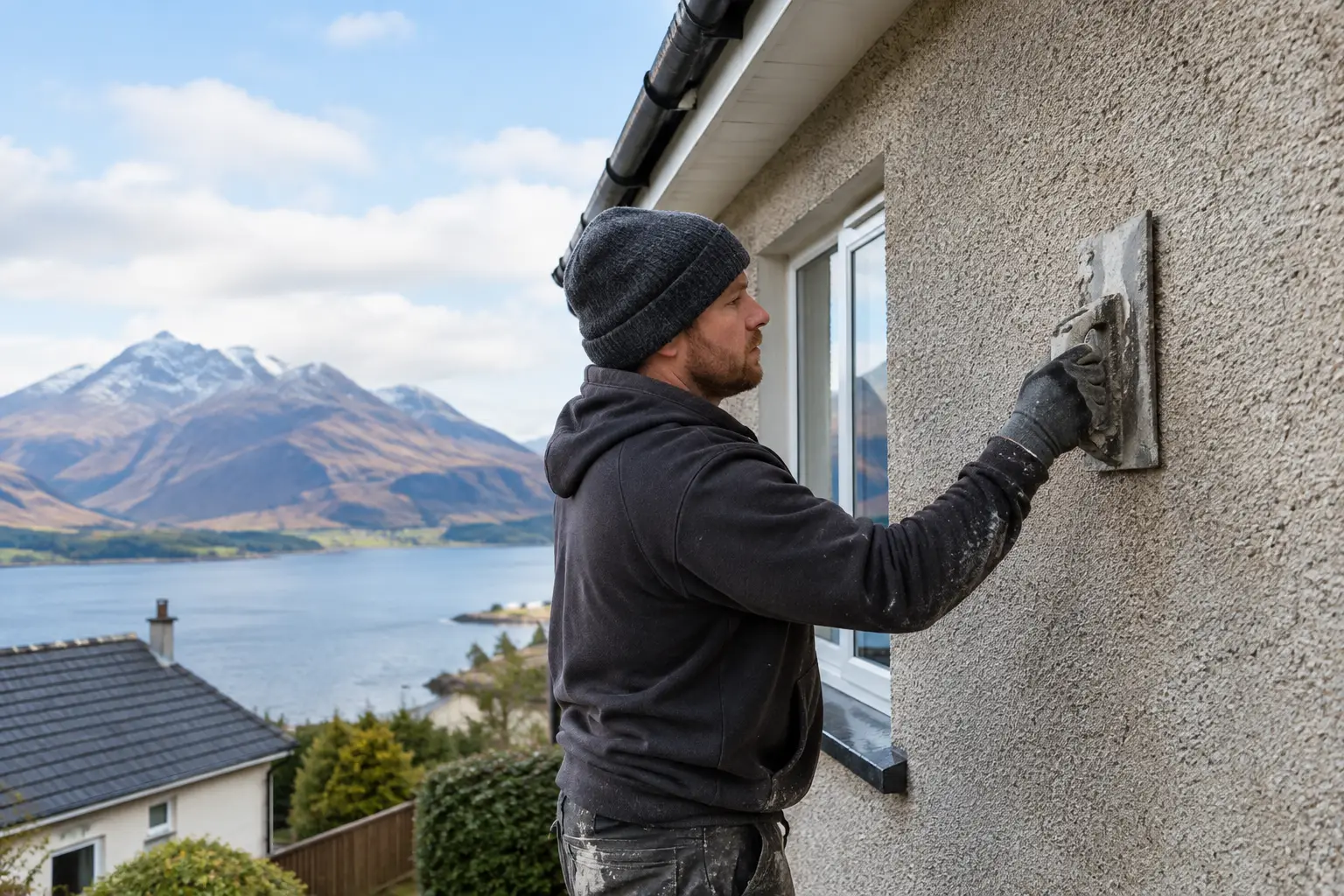
Is roughcasting worth it? See how this durable exterior finish protects Scottish homes, what affects the cost, and whether repair is enough for you...
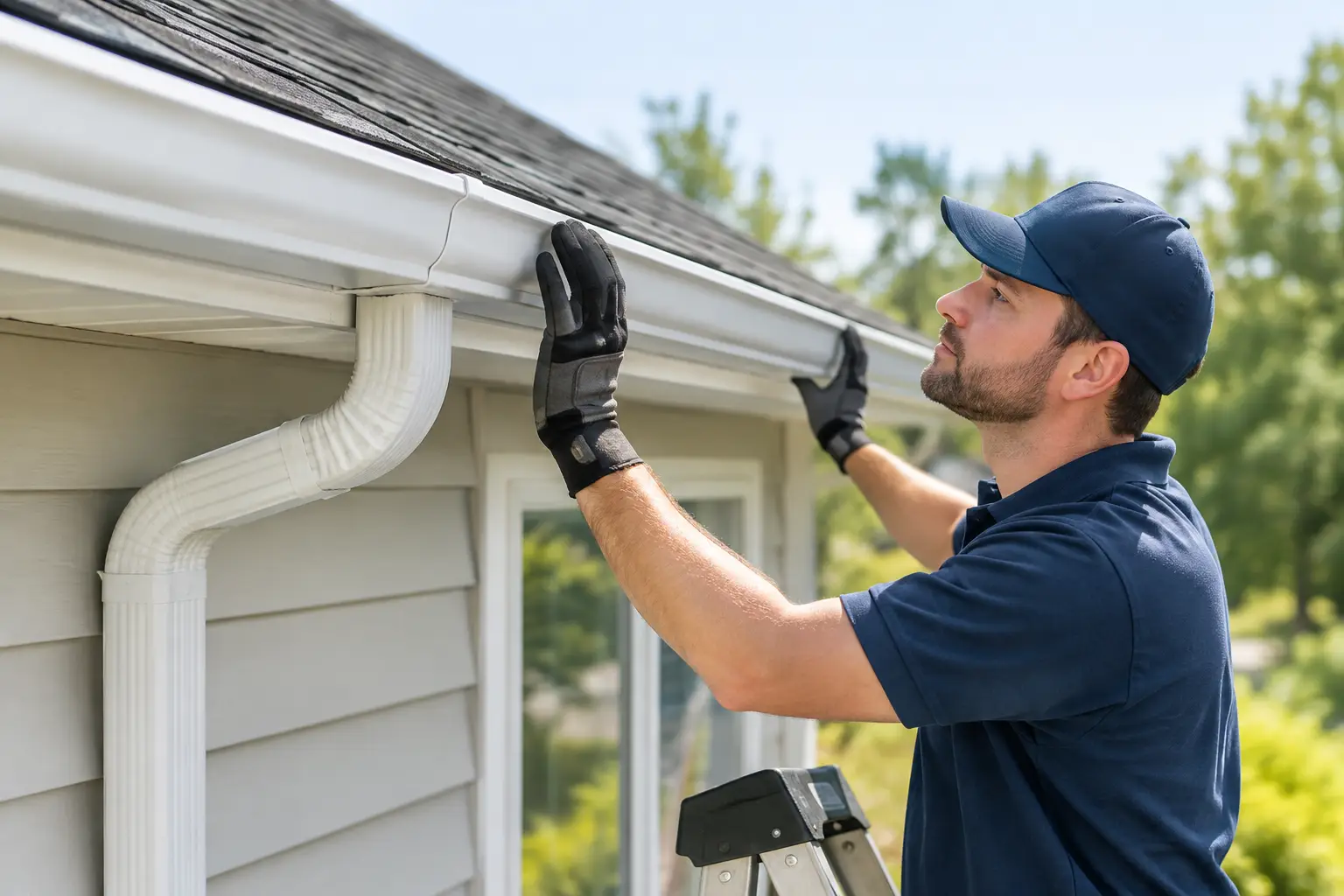
See a gutter replacement project example, from the first inspection to fitting new gutters, and learn what protects a Central Scotland home in winter.