

October 10, 2026
A practical roughcast maintenance guide Scotland homeowners can use to spot damp, cracks and weather damage before repairs become more costly over winter.

A roof rarely fails all at once. More often, the warning signs begin with a slipped tile after high winds, a damp patch in an upstairs room, or gutters that suddenly seem to overflow. For anyone considering a new roof Edinburgh properties need, the key question is not simply whether the roof looks old. It is whether repairs still offer good value and reliable protection against the Scottish weather.
A replacement roof is a significant investment, but it protects far more than the loft space. It safeguards the structure of the property, internal finishes, insulation and, in many cases, neighbouring homes in shared buildings. Getting the right advice before work begins can prevent rushed decisions and unexpected costs later on.
A few damaged slates or tiles do not automatically mean the whole roof needs replacing. Localised repairs are often the sensible option where the roof covering is generally sound, the timber structure is dry and the fault has a clear cause. Replacing broken tiles, renewing lead flashings or repairing a small area of felt can extend the life of a roof at a manageable cost.
The picture changes when problems keep returning. If leaks appear in different areas, large sections of tiles have become loose, the roof has visibly dipped, or the underfelt is perished throughout the loft, repeated repairs can become false economy. Water entering through an ageing roof may also affect battens, rafters, insulation and plasterwork before it becomes obvious from inside.
A professional survey should look beyond the surface. It should assess the roof covering, ridge and hip tiles, valleys, chimney junctions, leadwork, gutters, fascias, ventilation and the condition of the supporting timbers where accessible. That is how a homeowner can distinguish between a repairable defect and a roof that has reached the end of its serviceable life.
A full replacement is worth discussing where there is widespread tile or slate deterioration, persistent leaks despite previous repairs, sagging roof lines, decayed battens, extensive moss-related damage, or a roof covering that is simply beyond its expected lifespan. Granule loss and cracking on an older flat roof can point to the same conclusion, particularly if ponding water is becoming a regular issue.
Age alone is not a verdict. A well-maintained natural slate roof can last far longer than many tiled systems, while a poorly installed newer roof may need attention much sooner. The condition of the roof, its construction and its repair history matter more than a rough date of installation.
Edinburgh has a broad mix of traditional stone homes, Victorian and Georgian properties, terraces, modern estates and commercial premises. The best material depends on the roof design, the character of the building, planning considerations and the budget available.
Natural slate remains a popular choice for traditional homes because it suits the appearance of many local properties and has excellent longevity when properly fitted. It carries a higher initial cost than some alternatives, but can be a sound long-term investment. Reclaimed slate can sometimes help match an existing roof, although its condition and consistency need to be checked carefully.
Concrete and clay tiles are widely used on modern and suburban homes. Concrete tiles can offer a cost-effective, durable finish in a wide range of profiles and colours. Clay tiles often have a distinctive appearance and excellent lifespan, though they may cost more and need a roof structure suitable for their weight. The choice should never be made on appearance alone – tile weight, pitch, drainage detail and compatibility with the existing property all matter.
For garages, extensions, dormers and commercial roofs, a flat roofing system may be the practical choice. Modern systems are a long way from the short-lived felt roofs many homeowners remember. Fatra flat roofing systems, for example, can provide a durable waterproof finish when the deck, insulation, falls and edge details are correctly designed and installed. The quality of the preparation is just as important as the membrane itself.
If solar panels are planned, it is usually wise to consider them during the roofing project rather than shortly afterwards. Installing panels on a roof close to the end of its life can mean paying for removal and refitting when replacement becomes necessary. A new roof gives the opportunity to confirm that the structure, covering and cable routes are ready for the installation.
There is no meaningful one-price answer without inspecting the property. Two roofs with the same footprint can require very different levels of work. A straightforward pitched roof with clear access is a different project from a steep roof over several storeys, a shared tenement roof or a property with multiple chimneys and valleys.
The final cost is influenced by the roof size and pitch, chosen material, scaffolding requirements, condition of the timberwork, insulation upgrades, chimney repairs, leadwork, removal of the existing covering and waste disposal. Access can be especially relevant in busy Edinburgh streets, where permits, parking arrangements and scaffold placement may need to be considered before work starts.
The cheapest quote is not always the most affordable in the long run. A detailed quotation should state what is included, such as strip-off, new breathable membrane, battens, roof covering, ridges, flashings, gutters and making good around roof features. It should also explain how unexpected timber decay or hidden defects will be dealt with if they are uncovered once the old covering is removed.
Older buildings can present specific challenges. Traditional roofs may need materials and detailing that preserve the character of the property, and homes in conservation areas or listed buildings may have restrictions affecting the type of work and materials permitted. It is sensible to check the requirements before ordering materials or scheduling installation.
Shared roofs require another level of communication. In a tenement or converted building, responsibility for roof repairs and replacement may be shared between owners. Agreeing the scope, access and costs early can avoid delays once a defect is already causing damage. Landlords and property managers should also keep tenants informed about scaffold access, noise and any short-term disruption.
Good drainage is part of the job, not an afterthought. A new roof will not perform as it should if valleys, gutters and downpipes cannot carry rainwater away properly. Edinburgh’s heavy rain and wind can expose small weaknesses quickly, so the roof edge, lead details and guttering deserve the same attention as the tiles or slates themselves.
A reliable contractor should begin with a clear inspection and honest recommendation. Homeowners should be told whether repair, partial renewal or complete replacement is most appropriate, with the reasons explained in plain language. Photographs of problem areas can be useful, particularly where parts of the roof are difficult to see from ground level.
Before work starts, agree the materials, programme, access arrangements and what happens to waste. Scaffolding should be installed safely, and the work area kept as tidy as practical. Weather can affect roofing schedules, particularly in Scotland, but clear communication makes a major difference when plans need to change.
During installation, the team should inspect the structure as coverings are removed and raise any genuine issues promptly. A proper replacement normally involves more than laying new tiles on top of old defects. It is an opportunity to renew worn membranes and battens, address defective flashings, improve ventilation where required and leave the roof with a consistent, weatherproof finish.
On completion, ask for confirmation of the work carried out, details of the workmanship guarantee and advice on future maintenance. Forth Valley Roofing provides insured workmanship and a 5-year guarantee, giving property owners reassurance that support is available after the job is finished.
A new roof needs far less attention than an ageing one, but it should not be ignored. Check it from ground level after severe weather, keep gutters clear and arrange prompt repairs if a tile slips or leadwork is damaged. Avoid walking on the roof unless it is necessary and safe to do so, as even durable materials can be cracked by incorrect access.
The best time to arrange a survey is before a minor leak becomes internal damage. A clear assessment, a detailed quote and the right materials for the property will help your new roof provide dependable protection for many years to come.
A practical roughcast maintenance guide Scotland homeowners can use to spot damp, cracks and weather damage before repairs become more costly over winter.
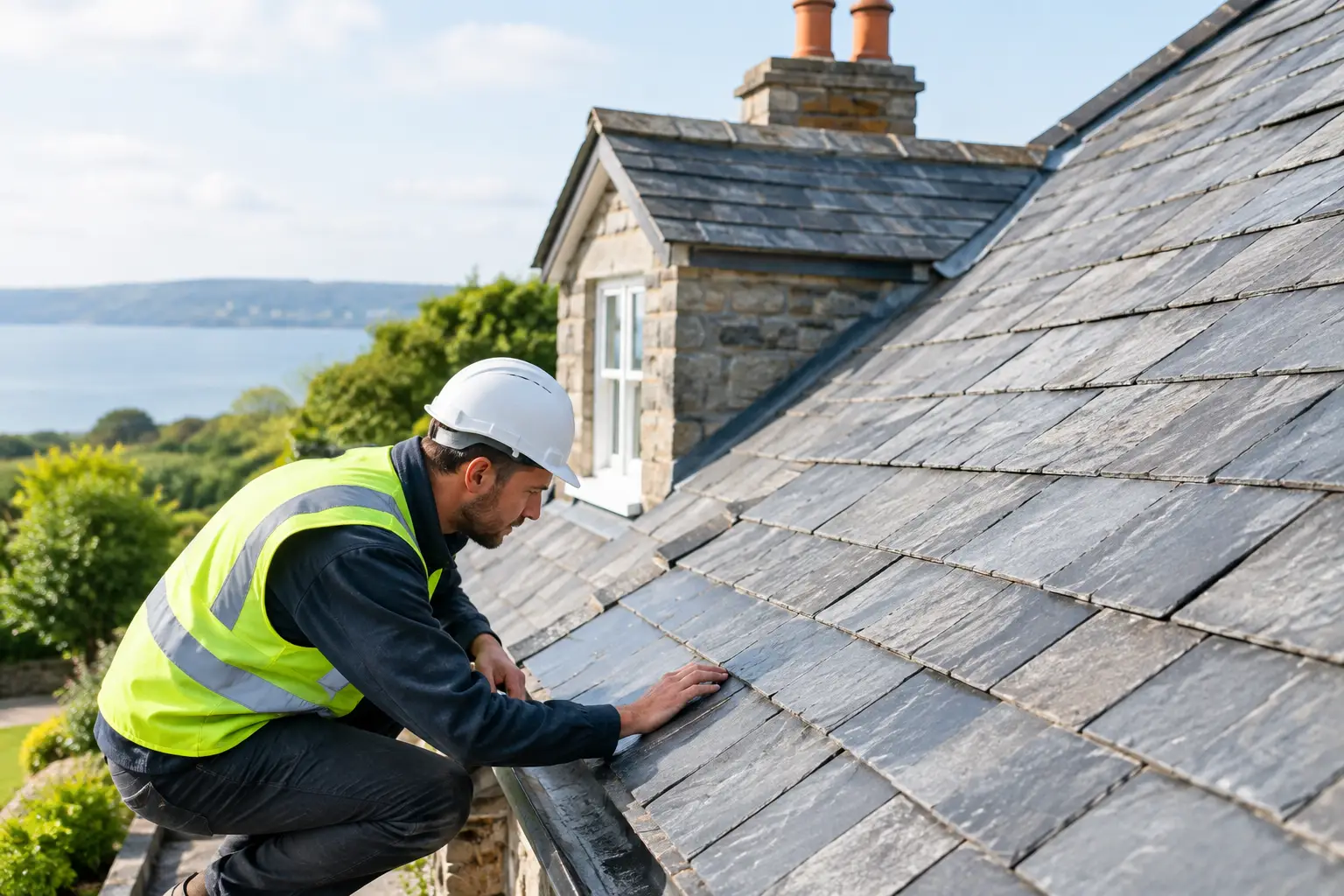
Learn how to assess heritage slate roofs, plan sympathetic repairs and protect a Central Scotland property from leaks, storm damage and costly disruption.
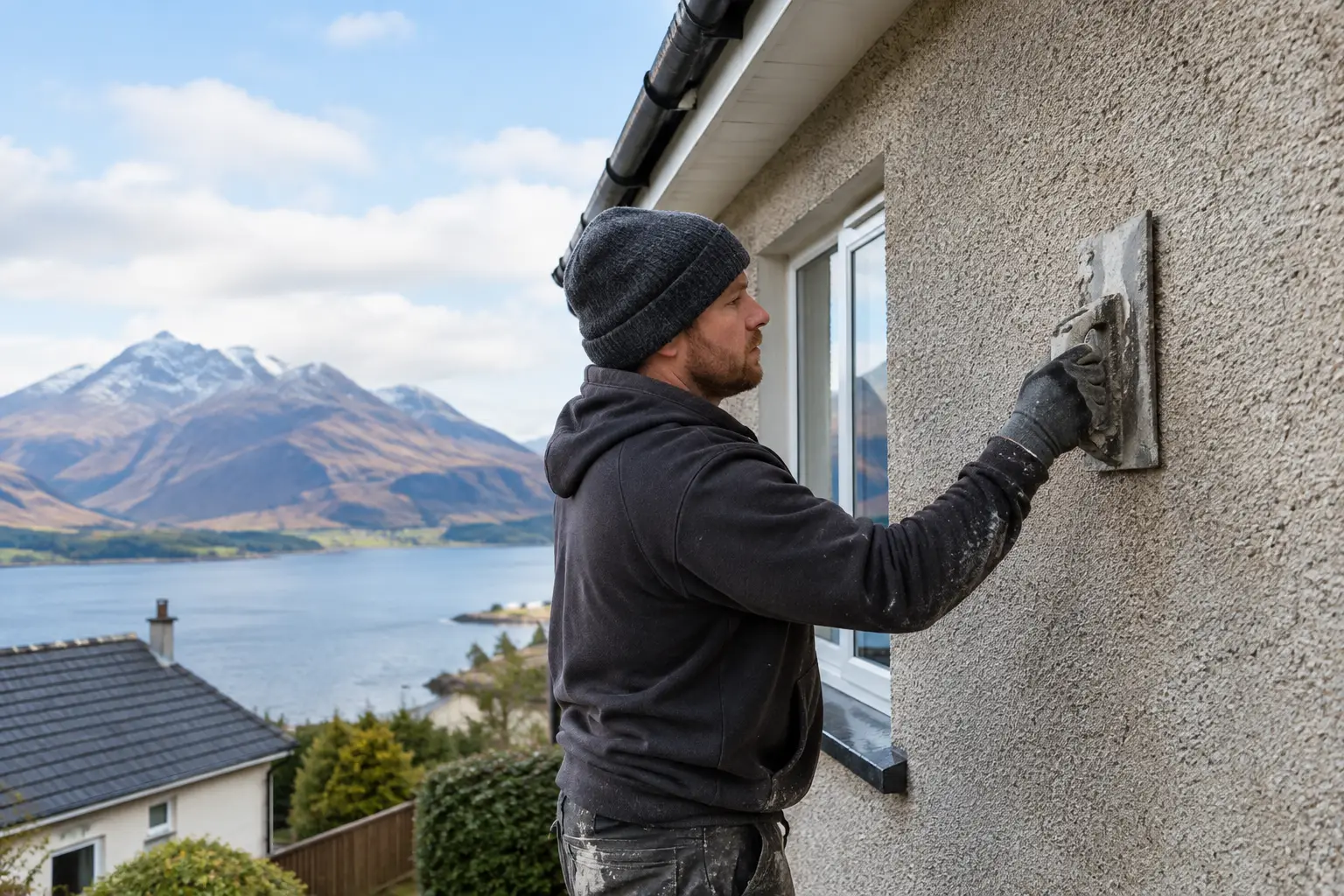
Is roughcasting worth it? See how this durable exterior finish protects Scottish homes, what affects the cost, and whether repair is enough for you...