October 9, 2026
Learn how to assess heritage slate roofs, plan sympathetic repairs and protect a Central Scotland property from leaks, storm damage and costly disruption.

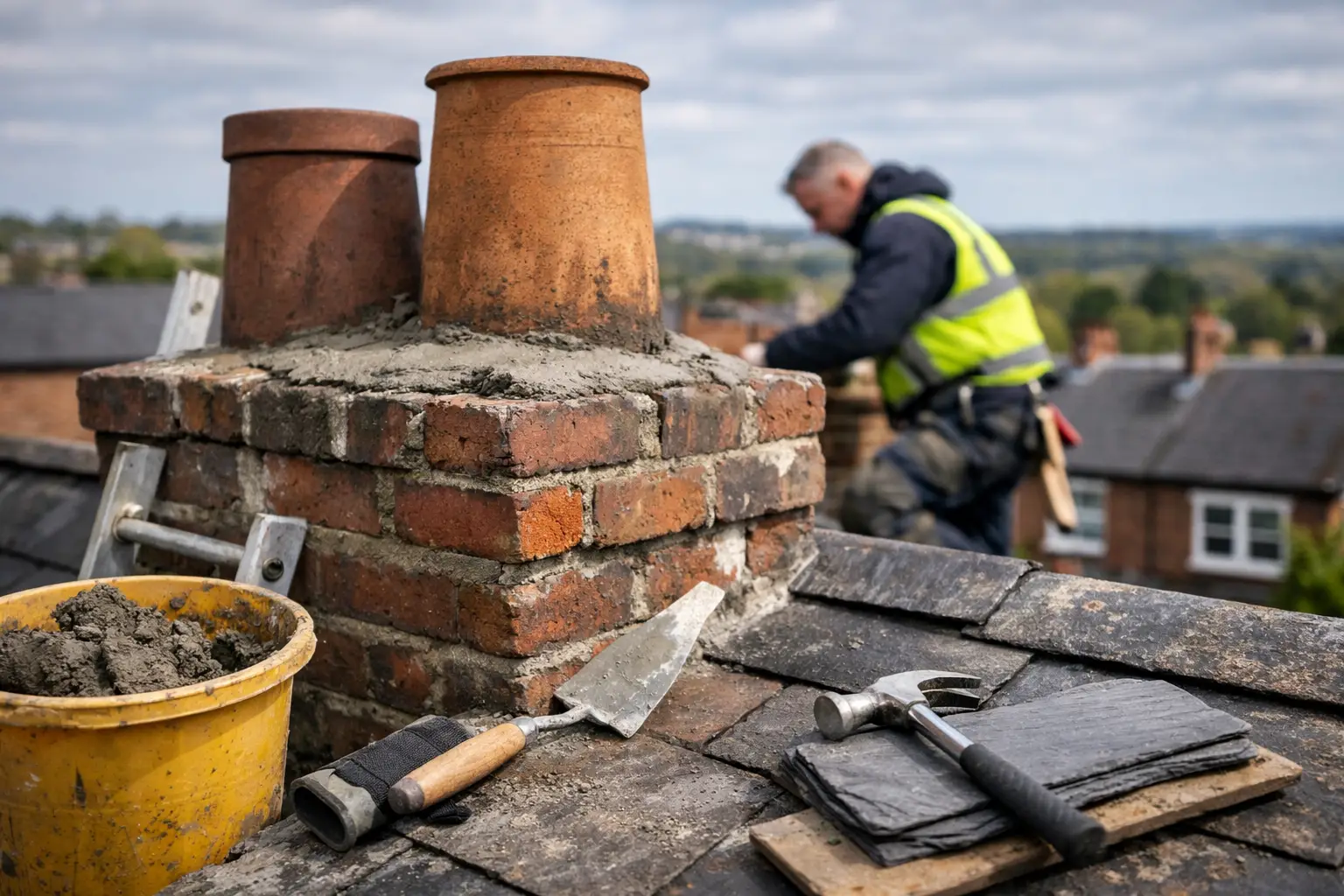
If you’ve noticed loose mortar, damp patches near the breast, bits of brick in the gutter, or a leaning stack, chimney repair cost UK homeowners face can vary more than most people expect. A small repointing job might be fairly modest, while structural work higher up on the roof can become a much bigger project once access, safety and weatherproofing are factored in.
That is why it helps to understand what drives the price before you ask for quotes. Chimneys sit in one of the most exposed parts of the property. They take the full force of rain, frost and wind, and in Central Scotland that wear adds up quickly.
The biggest factor is the type of repair. There is a clear difference between patching failed pointing and rebuilding the top section of a stack. The second is access. Even a straightforward repair becomes more expensive if scaffolding is needed, the roof is steep, or the chimney is difficult to reach safely.
Materials also matter. A modern cement flaunching repair will not cost the same as replacing damaged stonework on an older property. If lead flashings need renewed, pots need rebedded, or internal damp has already developed, the job can widen beyond the chimney itself.
Location has an effect too. Labour rates in some parts of the UK are higher than others, but local firms often give better value than large national operators because they know the property styles in the area and do not need to build in as much overhead. For homeowners across Falkirk, Stirling and the wider Central Belt, that local knowledge can make a real difference when diagnosing whether the issue is cosmetic, water-related or structural.
As a general guide, minor chimney repairs often start from around £250 to £500. This usually covers smaller jobs such as replacing a few loose bricks, localised repointing, sealing minor flashing gaps, or securing a chimney cowl.
Mid-range chimney repairs commonly fall between £500 and £1,200. This is where many homeowners land. It may involve more extensive repointing, renewing lead flashing, replacing flaunching around the pot, removing unstable masonry, or carrying out repairs across several faces of the stack.
For major structural work, costs can move from £1,200 to £3,000 or more. That usually applies when the chimney stack is leaning, the top courses are badly deteriorated, or partial rebuilding is required. If a full rebuild is needed above roof level, the figure can rise again depending on height, access and the condition uncovered once work starts.
Those ranges are not there to alarm anyone. They simply reflect the reality that chimney work is not just about bricks and mortar. Safe access, weather protection and making sure the repair lasts are all part of the cost.
Repointing is one of the most common chimney repairs because mortar joints fail long before the bricks necessarily do. In many cases, repointing a chimney stack costs between £400 and £1,000. The spread depends on the size of the stack, how much of the mortar has perished, and whether access is simple or scaffold is needed.
Done properly, repointing can add years to the life of a chimney. Done badly, it quickly fails again. That is why very low quotes are worth questioning. A proper repair involves removing loose mortar to the correct depth and using materials suited to the chimney, not smearing fresh mortar over the surface.
Lead flashing sits where the chimney meets the roof covering and stops water getting in at the junction. If it lifts, splits or was never fitted properly, leaks often show up inside before the problem is obvious outside. Repairing or replacing flashing usually falls around £300 to £900, though more complex lead work can be higher.
This is one of those jobs where the cheapest option can cost more in the long run. A quick sealant patch may hold for a short while, but if the lead is loose or incorrectly dressed, the leak often returns with the next spell of bad weather.
If a chimney pot is cracked, loose, or missing a suitable cowl, repairs are often in the £150 to £600 range depending on access. Flaunching, which is the mortar bedding around the base of the pot, also fails over time and lets water into the stack if it cracks.
These repairs can look minor from the ground, but they should not be ignored. Water entering through the top of a chimney can cause hidden damage internally and speed up decay in the stack.
Where the upper section of the stack has become unstable, rebuilding may be the safest route. A partial rebuild might cost from £1,000 to £2,500. A full rebuild above roof level can exceed that, especially on taller buildings or older homes with more specialised materials.
This is usually recommended when brick faces are badly spalled, mortar has extensively failed, or the chimney has started to move. In those cases, patching may only delay a larger bill.
Many people are surprised that scaffolding can make up a large share of the total chimney repair cost UK contractors quote. But chimney work happens at height, often on sloping roofs, and safe access is not optional.
For a small repair, roof ladders or tower access may be enough. For more involved work, full scaffolding is often the right choice because it allows the work to be done safely and properly. It can also reduce the risk of rushed or poor workmanship.
If you are comparing quotes, always check whether access is included. One price may look far cheaper simply because scaffolding has not been accounted for yet.
Chimneys can hide problems well. A bit of repointing on one face may seem enough, but if the flashing is also failing or frost has damaged the brickwork beneath, the repair may not last. This is where honest advice matters.
A dependable contractor should explain what is urgent, what can wait, and what the likely lifespan of each option will be. Sometimes a smaller repair is perfectly reasonable. Sometimes spending more now avoids repeat call-outs, interior water damage and the eventual cost of a rebuild.
That balance matters to homeowners and landlords alike. If the property is tenanted, delaying chimney work can lead to damp complaints and more disruption later. If it is your home, the same issue can quietly spread into ceilings, loft insulation and adjacent roof timbers.
Not every chimney issue is an emergency, but some signs should move quickly up your list. Loose masonry, leaning brickwork, falling debris, water stains near the chimney breast, or visible gaps in flashing all deserve prompt inspection.
After storms, it is also sensible to check from ground level for shifted pots or fresh debris below the stack. You do not need to climb up to know something is wrong. In fact, you should not. Chimney faults are best assessed safely by a qualified roofing professional.
A good quote should be clear about what is included, what materials are being used, whether waste removal is covered, and what access equipment is required. It should also explain whether the repair is localised or whether wider deterioration has been found.
This is where a local, insured roofing specialist often gives homeowners the most confidence. You want practical advice, a sensible price, and workmanship that is guaranteed. If a contractor cannot explain the problem in plain language, that is rarely a good sign.
At Forth Valley Roofing, this is exactly how we approach chimney repairs across Central Scotland – clear recommendations, fair pricing, and repairs carried out to a standard that protects the property for the long term.
In most cases, yes. A sound chimney protects the roof, reduces the risk of water ingress, and removes a potential safety issue. Even if the fireplace is no longer in use, the stack still needs to remain stable and watertight.
The real question is not whether chimney repair is worth it, but whether the proposed repair matches the condition of the chimney. A smaller repair can be very cost-effective if caught early. Leave it too long, and the job often becomes larger than it needed to be.
If you are trying to budget for chimney work, the best step is to get it checked before the damage spreads. A clear inspection and an honest quote usually cost far less than waiting for a leak, a collapse, or a full rebuild to force the issue.
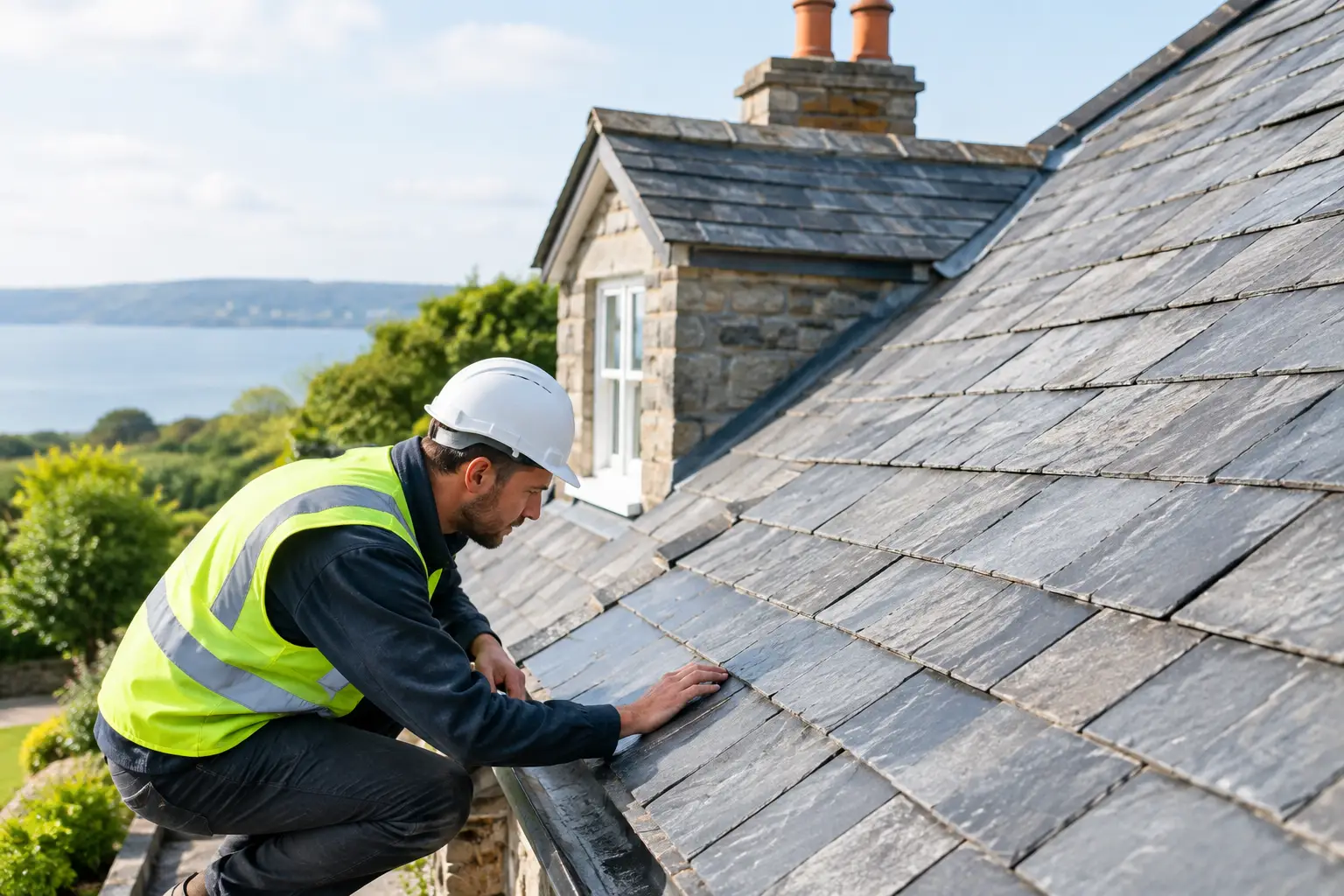
Learn how to assess heritage slate roofs, plan sympathetic repairs and protect a Central Scotland property from leaks, storm damage and costly disruption.
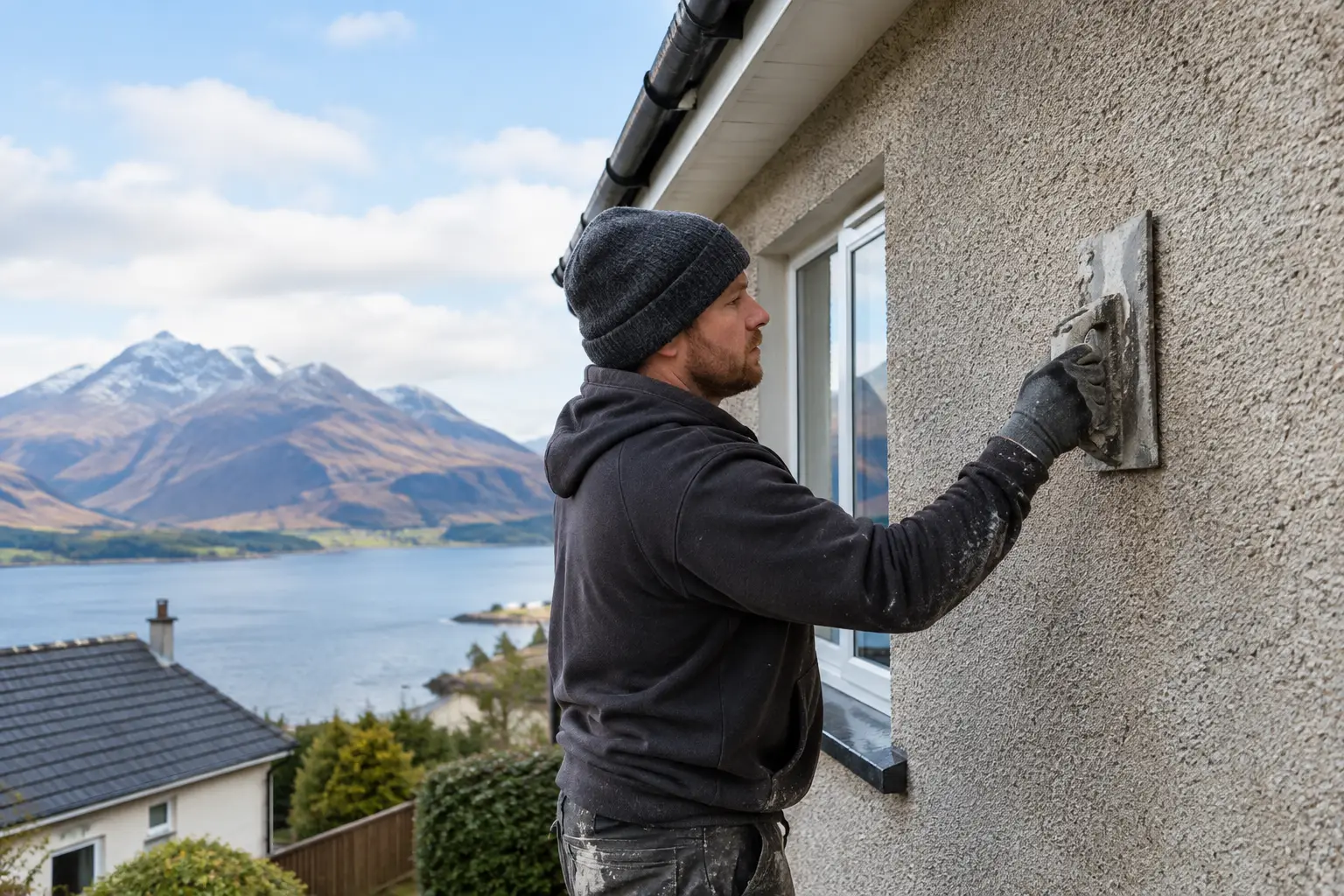
Is roughcasting worth it? See how this durable exterior finish protects Scottish homes, what affects the cost, and whether repair is enough for you...
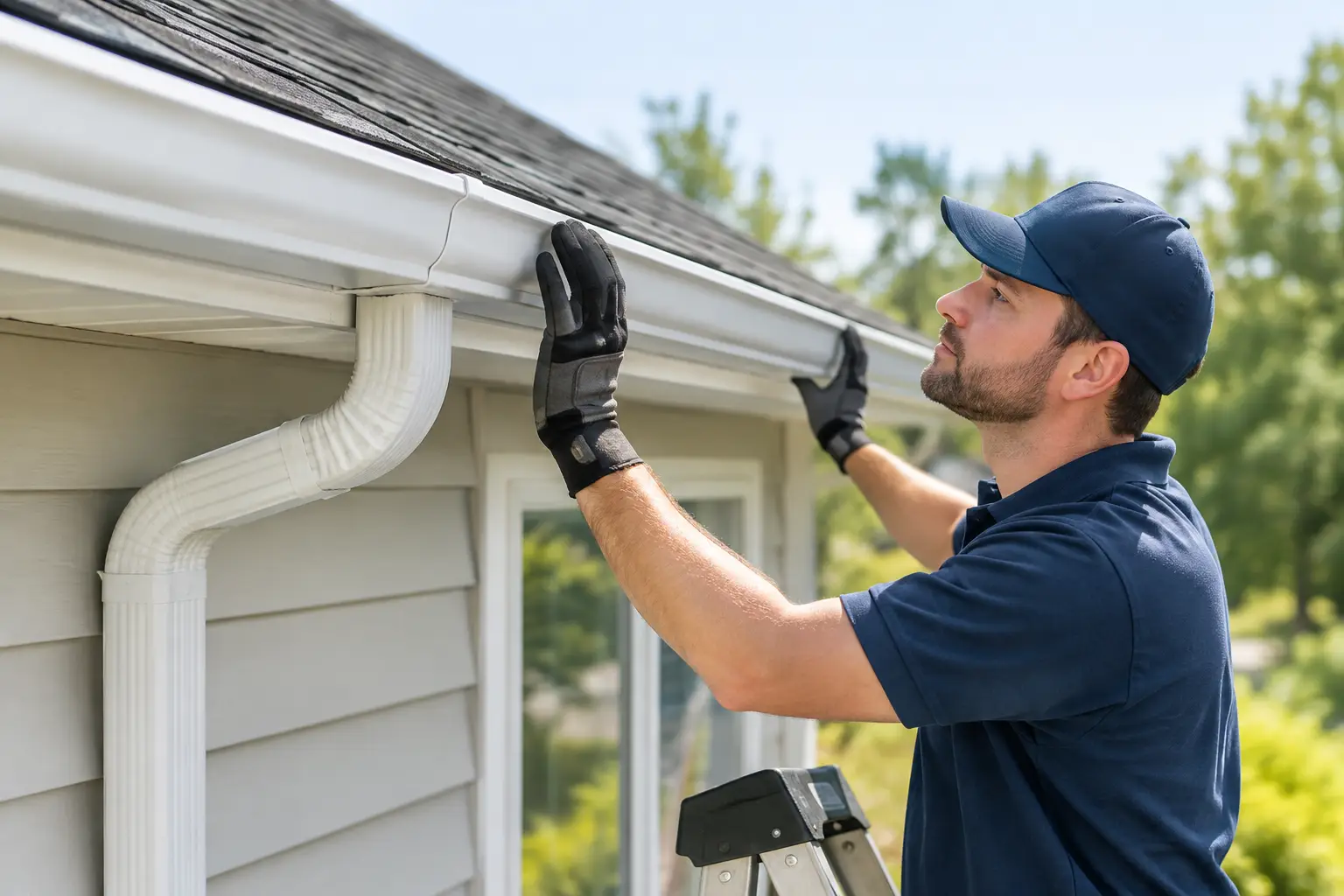
See a gutter replacement project example, from the first inspection to fitting new gutters, and learn what protects a Central Scotland home in winter.