October 7, 2026
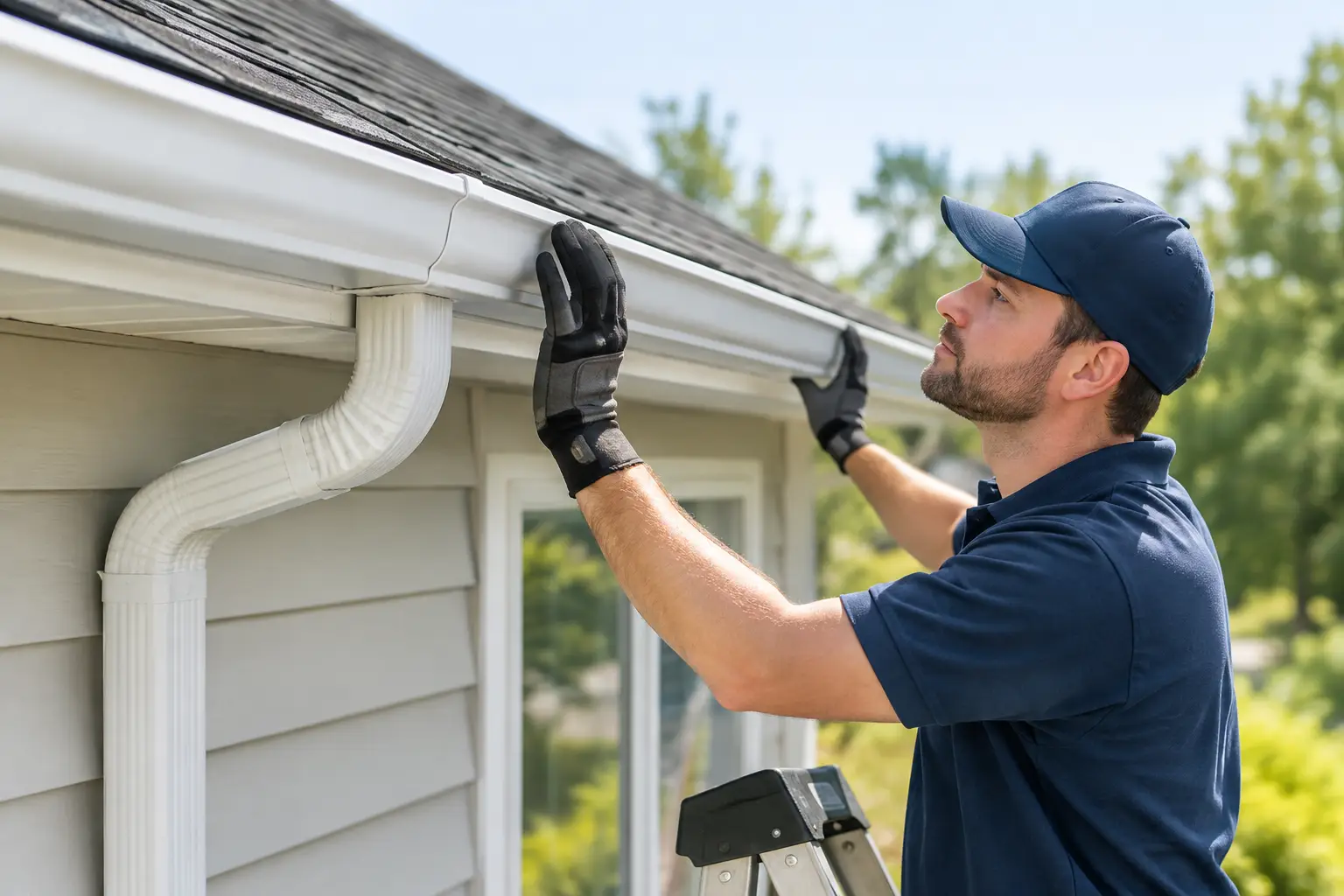
See a gutter replacement project example, from the first inspection to fitting new gutters, and learn what protects a Central Scotland home in winter.

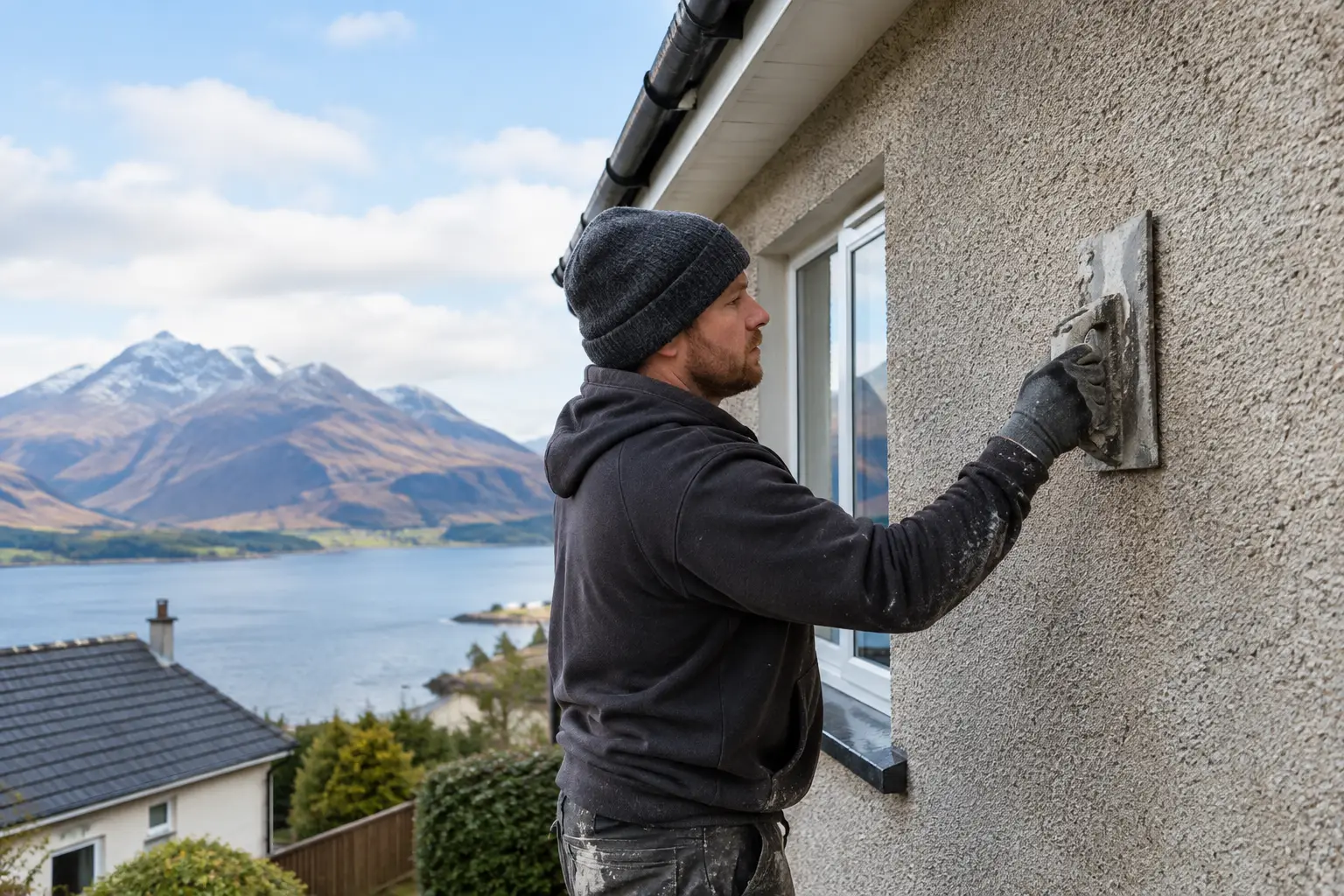
A tired, cracked exterior does more than make a property look uncared for. In Central Scotland, repeated rain, frost and wind can drive water into weak render, leaving masonry exposed and damp problems harder to ignore. So, is roughcasting worth it? For many homes, it is a practical long-term investment – but only when the wall condition, material choice and installation standard are right.
Roughcasting is not simply a cosmetic coating. Properly specified and applied, it gives external walls a durable, weather-resistant finish that suits the Scottish climate. However, it is not the answer to every crack or patch of failing render. A careful inspection should come before a decision to repair or replace.
Roughcasting, sometimes called wet dash render, is a textured external finish. A base coat is applied to the wall, then small stones or aggregate are thrown onto the fresh surface. Once it has cured, the result is a hard-wearing layer designed to shield the building beneath from the weather.
Its main job is to protect masonry. Brickwork, blockwork and older stone walls can gradually deteriorate when water gets into open joints, cracks or porous surfaces. A sound roughcast finish helps shed rainwater and reduces the direct impact of driving weather. That is particularly useful on exposed elevations, gable ends and properties in areas where wind-driven rain is common.
The textured finish also hides small surface imperfections better than smooth render. For homeowners dealing with patchy, ageing walls, roughcasting can give the property a much more uniform appearance without requiring a complete rebuild of the outer wall.
It depends on why the existing finish has failed. Small, localised damage can often be repaired. A few cracks around a window, an impact mark, or an isolated loose patch does not always justify roughcasting an entire house.
Full replacement is usually worth considering when failure is widespread. Signs include hollow-sounding areas, large cracks, blown render, persistent staining, loose aggregate, visible damp patches inside, or sections that have been repaired repeatedly over the years. At that point, patching can become false economy. New patches may differ in texture or colour, and the surrounding material may continue to fail.
Roughcasting can also make sense during wider exterior work. If roof repairs, gutter replacement, chimney work or new fascia and soffits are being carried out, it may be sensible to deal with vulnerable wall finishes at the same time. Fixing overflowing gutters or defective flashings first is essential, though. There is little value in applying new roughcast while water is still running down the wall from above.
The biggest benefit is weather protection. A professionally applied finish creates a tough outer layer that helps the wall cope with Scotland’s wet and changeable conditions. It is generally more impact-resistant than a smooth painted surface and less likely to show every small mark.
It can also reduce ongoing maintenance. Roughcast does not need frequent painting in the way some smooth rendered finishes do, although it should still be inspected periodically and kept clear of moss, algae and dirt. Quality work should last for many years when the substrate is stable and rainwater goods are working properly.
Appearance matters too. A clean, evenly finished exterior can improve kerb appeal and make an older property look properly maintained. For landlords and property managers, that can help protect the presentation of a rental property. For homeowners, it can make a house feel looked after rather than temporarily patched.
There is also value in addressing defects before they affect the structure. Water entering through damaged render may lead to damp internal walls, damaged plaster, heat loss and more extensive masonry repairs. Roughcasting is often worth it because it deals with the outside of the problem before the inside of the property suffers.
Roughcasting should never be used to cover up an unresolved issue. If there are active leaks, failing gutters, cracked brickwork, movement in the structure or salt contamination from long-term damp, these need to be investigated first. Applying a new finish over unstable walls can lead to cracking and detachment later.
Older properties need particular care. Some traditional solid-wall homes were built with breathable materials, including lime mortar. Using an overly hard or unsuitable cement-based render can restrict how moisture moves through the wall. That may trap moisture rather than solve the problem. In these cases, the right breathable system and preparation are more important than choosing the quickest option.
Planning restrictions can also be relevant. If your home is listed or in a conservation area, changing the external appearance may require advice before work begins. This is especially important where the existing finish is part of the building’s character.
Finally, roughcasting is not everyone’s preferred look. The texture is practical, but it is distinct. If you want a very smooth, modern appearance, another rendering system may suit the property better. The best finish is one that protects the walls and fits the style of the house.
There is no useful one-size-fits-all price because the condition of the walls makes a major difference. A straightforward job on accessible, sound blockwork will be very different from a property with loose render, difficult access, damaged masonry and several awkward elevations.
The quotation should account for preparation, not just the final coat. That can include removing failed material, repairing cracks and damaged areas, treating the background, protecting windows and doors, installing beads around edges, and ensuring the wall is ready to receive the new finish. Scaffolding may also be needed, particularly on gable ends or taller properties.
The size and shape of the house, the number of openings, the chosen aggregate, and whether gutters, downpipes or other fittings need to be removed and refitted will all influence the final cost. A clear written quote helps you compare like for like. Be wary of a low figure that does not explain preparation, access or how defects will be dealt with.
The long-term result depends heavily on the preparation. The existing surface needs to be assessed for weakness, moisture damage and movement. Loose or hollow areas should be removed rather than coated over, and cracks should be properly repaired according to their cause.
Weather conditions matter during installation as well. Render should not be applied in unsuitable temperatures, heavy rain or conditions likely to cause rapid drying or frost damage. The work also needs adequate curing time. Rushing this stage can weaken the finish and affect its appearance.
Colour and texture should be agreed in advance. Aggregate choice can alter the overall look considerably, and roughcast repairs rarely blend perfectly into a much older finish. If the current exterior is tired across several elevations, a full, consistent application may offer better value and a better result than multiple visible patches.
At Forth Valley Roofing, we assess the wider condition of the property before recommending exterior work. That means looking for the causes of water damage, not simply covering the visible symptoms, and explaining whether a repair or complete renewal is the sensible option.
Roughcasting is low-maintenance, not maintenance-free. Check it once or twice a year, particularly after severe weather. Look for cracking, loose areas, staining beneath gutters, vegetation growth and damage around windows, pipe brackets or roof junctions.
Keep gutters and downpipes clear so water does not overflow onto the finish. If algae or moss develops, use an appropriate cleaning method rather than aggressive pressure washing, which can damage the surface or force water into weak areas. Small defects are usually simpler and less costly to repair when dealt with early.
Roughcasting is worth it when your walls need dependable weather protection, the existing finish is failing beyond a sensible local repair, and the work is specified for the construction of your property. It can improve appearance, reduce exposure to rain and help prevent a minor external defect becoming an expensive internal problem.
The right next step is a proper site inspection, especially if you have cracks, damp marks or recurring render repairs. A local contractor should be able to explain the condition of the wall in plain language, set out the available options and provide a clear quote before any work begins. That gives you a finish chosen for the building you have, rather than a quick fix that may not last.
See a gutter replacement project example, from the first inspection to fitting new gutters, and learn what protects a Central Scotland home in winter.

Does roof ventilation reduce condensation? Learn when roof vents help, what causes loft moisture and how to protect your Central Scotland home this winter.

Does roughcasting stop damp? Learn when new render protects Scottish homes, when it will not, and how to deal with leaks, cracks and condensation...