October 8, 2026
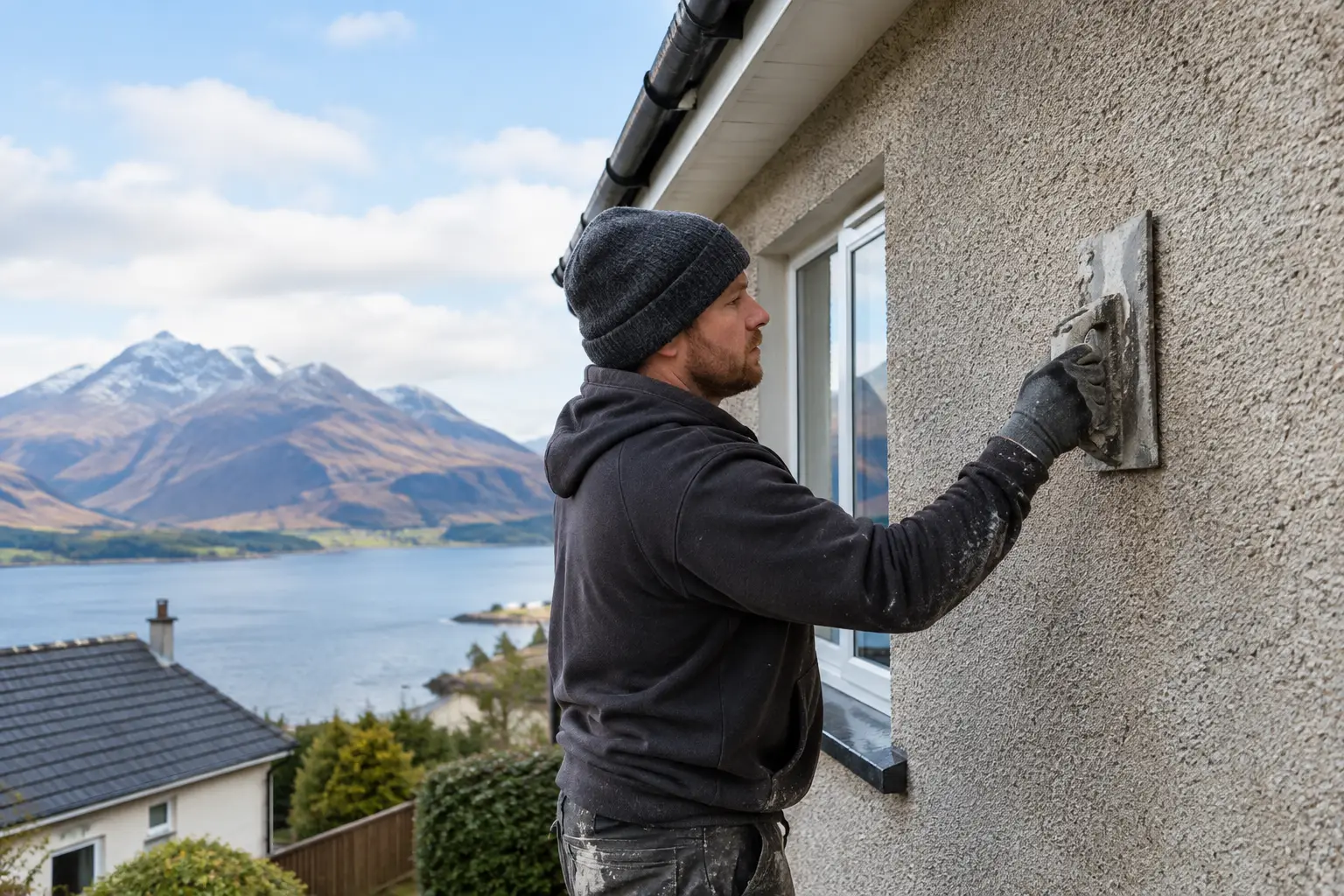
Is roughcasting worth it? See how this durable exterior finish protects Scottish homes, what affects the cost, and whether repair is enough for you...

Falkirk weather has a way of finding weak points in a property. One spell of heavy rain, a cold snap, or a run of windy days is often enough to show up peeling paint, rotten roofline timber, or damp patches around the eaves. That is why many homeowners start looking at the benefits of installing UPVC fascias and soffits on your Falkirk home before small roofline issues turn into expensive repairs.
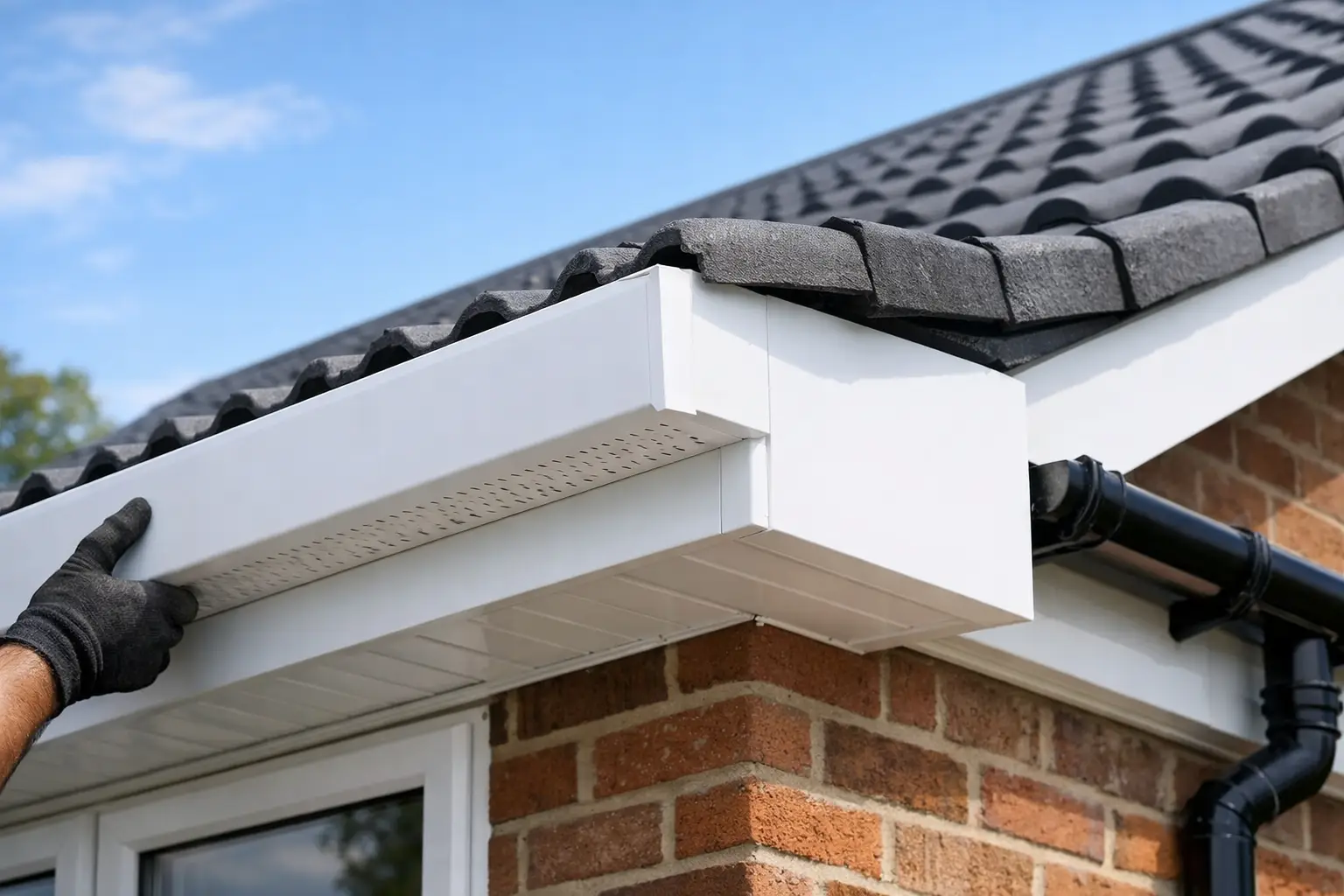
For many properties, fascias and soffits do more work than people realise. They help protect the roof edge, support the guttering, improve ventilation, and give the outside of the house a cleaner, more finished appearance. When older timber boards begin to fail, replacing them with UPVC is often a practical long-term upgrade rather than a cosmetic extra.
The fascia is the board fixed along the lower edge of the roof, where the guttering is attached. The soffit sits underneath that overhang, closing the gap between the wall and the roofline. Together, they help shield exposed roof timbers from moisture and reduce the chance of water getting into places it should not.
They also play a part in how well your guttering performs. If the fascia is weak, rotting, or pulling away, the gutter brackets can loosen and water can start overflowing against the walls. The soffit, meanwhile, helps keep the underside of the roofline tidy and can support ventilation into the loft space when designed properly.
The biggest reason homeowners choose UPVC is simple – it cuts down on maintenance. Traditional timber fascias and soffits need regular painting, checking, and patch repairs to stay in good condition. In a climate like Falkirk’s, where rain and damp are regular features rather than occasional annoyances, timber can start to deteriorate faster than many people expect.
UPVC does not rot, and it does not need repainting to keep its protective finish. A clean now and then is usually enough to keep it looking presentable. For busy homeowners, landlords, or anyone managing a rental property, that lower upkeep can make a real difference over the years.
Another major benefit is improved weather resistance. Rooflines take a lot of exposure from wind-driven rain, frost, and temperature changes. UPVC is designed to cope with these conditions far better than ageing softwood boards that have already absorbed years of moisture. When installed correctly, it creates a more reliable barrier at the roof edge and helps protect the structure behind it.
There is also the appearance of the property to consider. Old fascias and soffits can make a house look tired even when the rest of the exterior is in decent condition. Flaking paint, staining, and warped boards are easy to spot from the street. New UPVC roofline products give the property a neat, consistent finish and can sharpen up the whole look of the home without the disruption or cost of larger building work.
In Falkirk, water management around the roofline is not something to ignore. Frequent rain means gutters, fascias, soffits, and downpipes all need to do their job properly. If one part of the system starts failing, the effects can spread quickly. Overflowing gutters can soak walls, damaged fascias can allow moisture into the roof edge, and blocked or poorly ventilated soffits can contribute to condensation problems in the loft.
That does not mean every home needs full replacement straight away. In some cases, a localised repair is enough. But if the roofline is made of older timber and there are already signs of rot, staining, soft spots, or repeated gutter issues, replacing it with UPVC can be the more cost-effective option in the long run.
One of the less obvious benefits of installing UPVC fascias and soffits on your Falkirk home is the protection they offer to the hidden parts of the roof. Once moisture gets into the roof edge, it can start affecting rafter ends, felt, battens, and surrounding masonry. Those are not the sort of issues most homeowners spot early, because the damage often develops behind the visible boards.
By replacing failing fascias and soffits before the problem spreads, you can help prevent more serious structural repair work later. That is especially relevant if the guttering has been leaking for some time or if birds, insects, or general weathering have already opened up access points under the eaves.
Good-quality installation matters here. Simply covering rotten timber with a cosmetic board may improve the look for a while, but it does not solve the underlying problem. If the existing structure is unsound, it should be properly assessed and replaced where needed so the new roofline performs as it should.
Soffits are not just there to close off the underside of the roof. They can also support airflow into the roof space. Proper ventilation helps reduce condensation build-up, which is a common issue in lofts, particularly during colder months when warm indoor air meets cold roofing materials.
If ventilation is poor, moisture can collect over time and affect insulation, timbers, and the general condition of the loft space. Ventilated UPVC soffits can help maintain airflow and reduce the risk of these issues. It is not a cure for every condensation problem, because insulation levels and general property ventilation also matter, but it is an important part of a healthy roof system.
Many homeowners look at fascias and soffits when they are already having guttering replaced. That often makes sense. If new gutters are fixed onto weak or worn fascia boards, the performance of the whole system is compromised from the start.
Replacing the roofline and guttering together can be more efficient and can save disruption later. It also allows the installer to make sure the falls, fixings, joints, and drainage points all work together properly. If your gutters are sagging, leaking at joints, or pulling away from the property, it is worth checking whether the fascia behind them is part of the problem.
There are a few. UPVC is low-maintenance, but not no-maintenance. Dirt can still build up, especially on lighter colours, and gutters still need regular clearing to prevent overflow. It also needs to be fitted correctly to allow for movement and proper ventilation. Poor installation can lead to gaps, bowing, or trapped moisture.
There is also the question of appearance. While white UPVC remains the most popular option, some homeowners prefer a more traditional look, particularly on older properties. In those cases, the style and finish need careful thought so the new roofline suits the house. The right choice depends on the age of the property, its character, and whether you want the roofline to stand out or blend in.
Cost matters too. Full replacement is a bigger upfront investment than a quick repair or overclad job. But if the existing timber is deteriorating, paying for repeated small fixes can end up costing more over time. The best approach is usually an honest inspection of the current condition rather than guessing from ground level.
If you can see peeling paint, cracks, sagging sections, staining, or signs of rot, it is worth having the roofline checked. The same applies if your gutters keep coming loose or overflowing even after clearing. Problems at the roof edge are often connected, and treating one part without looking at the rest can be a false economy.
For homeowners planning to stay in the property, UPVC fascias and soffits are often a sensible upgrade because they reduce maintenance and protect the building fabric. For landlords and property managers, they can help limit recurring exterior issues and make the property easier to maintain between tenancies. Either way, the value is not just in how the house looks, but in how well it stands up to the weather.
A dependable local contractor should be able to explain whether your current roofline can be repaired, whether full replacement is the better route, and what type of system suits the property. That straightforward advice matters just as much as the materials.
If your roofline is starting to show its age, dealing with it early is usually the better move. A sound, well-fitted UPVC system can take one more worry off your list and help keep your Falkirk home protected through the seasons.
Is roughcasting worth it? See how this durable exterior finish protects Scottish homes, what affects the cost, and whether repair is enough for you...
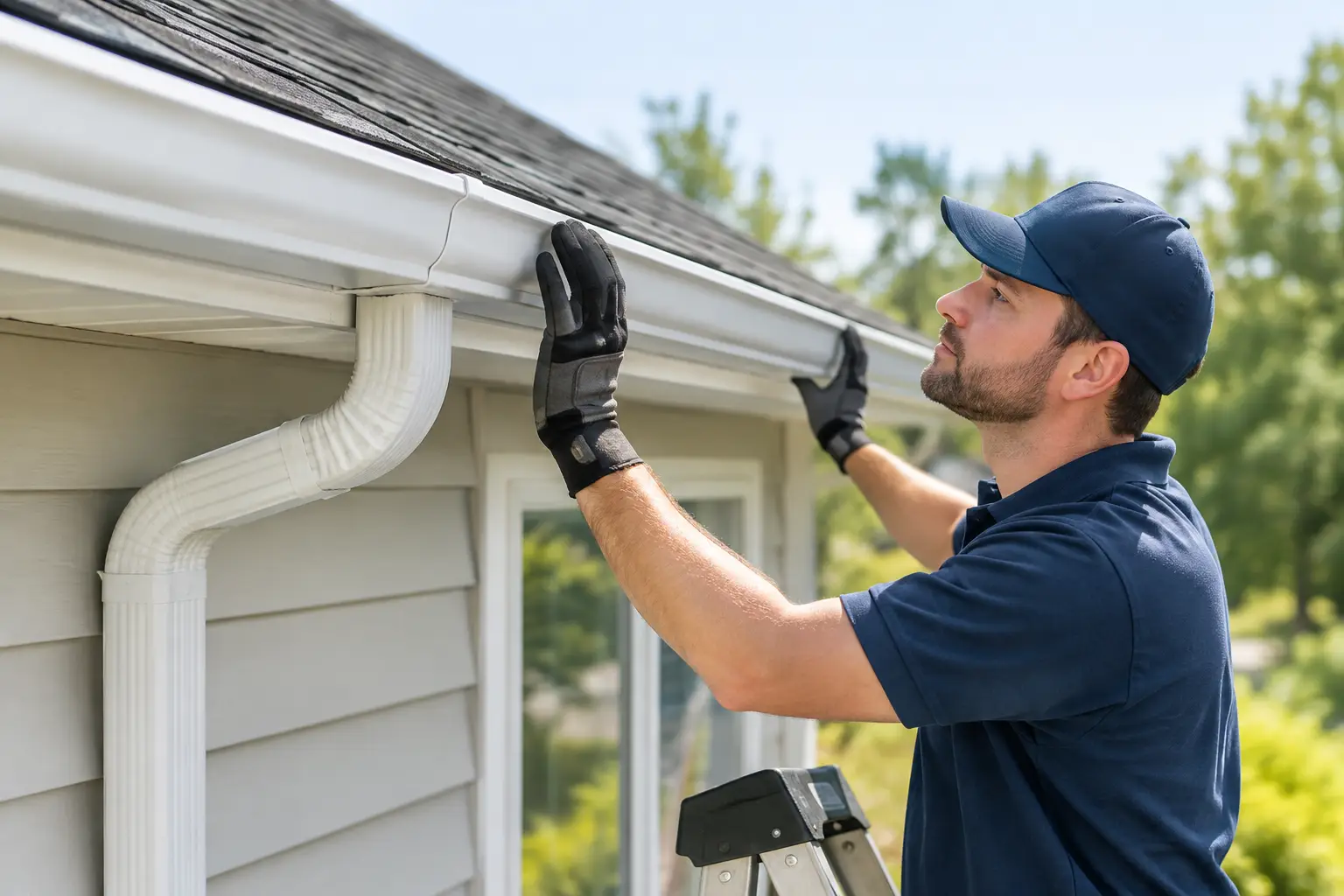
See a gutter replacement project example, from the first inspection to fitting new gutters, and learn what protects a Central Scotland home in winter.

Does roof ventilation reduce condensation? Learn when roof vents help, what causes loft moisture and how to protect your Central Scotland home this winter.