
October 10, 2026
A practical roughcast maintenance guide Scotland homeowners can use to spot damp, cracks and weather damage before repairs become more costly over winter.

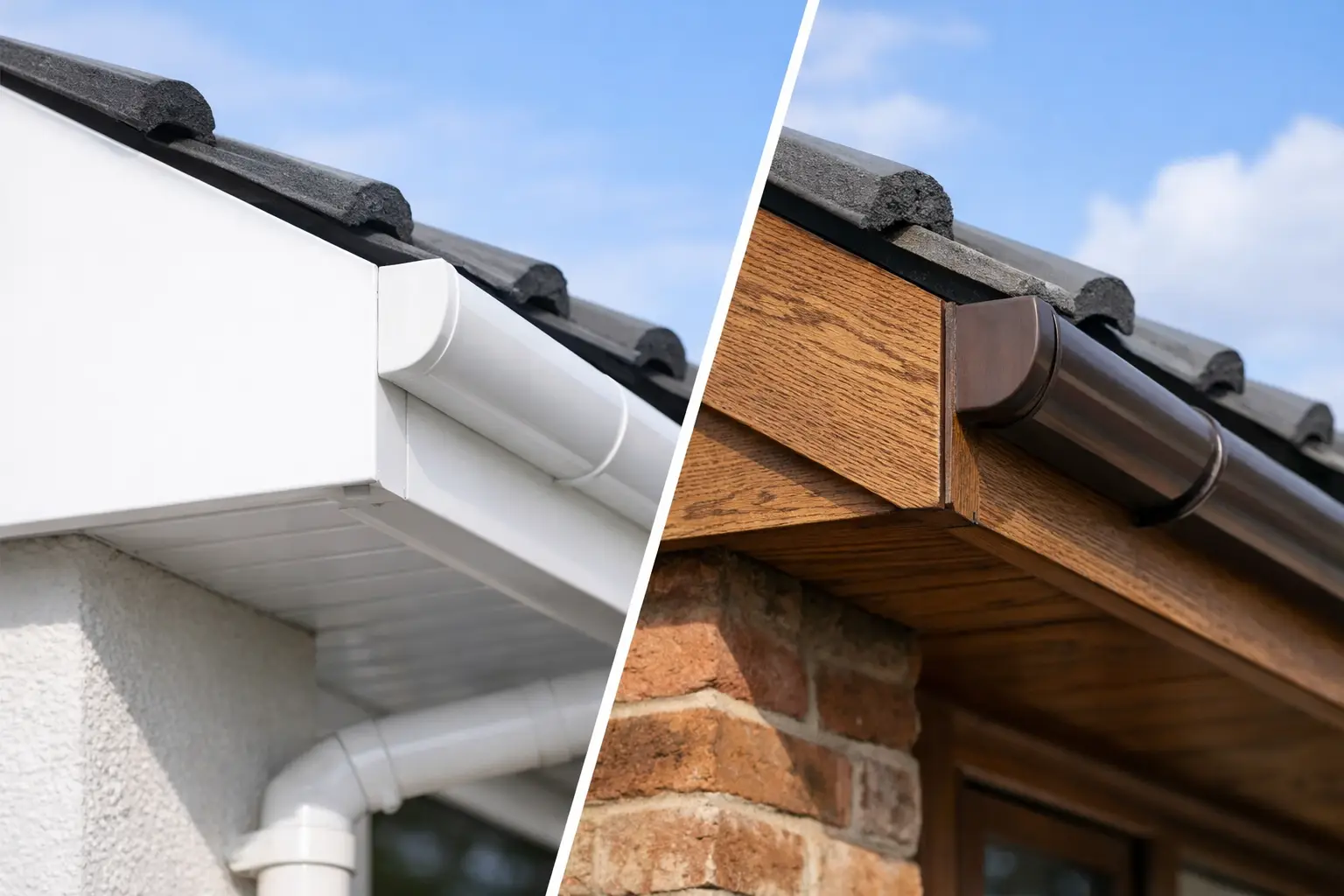
A fascia board may sit just below the roofline, but it has an important job. It supports the guttering, helps protect the roof edge and gives the property a finished appearance. When comparing UPVC fascias versus timber, the right answer is not always simply the cheapest board or the one that looks best on day one. It depends on the condition of the roofline, the style of the property and how much future maintenance you are prepared to take on.
For many homes across Central Scotland, UPVC is the practical choice because it handles wet weather with very little upkeep. Timber still has a place, particularly on traditional properties, but it needs proper specification and regular care to last well.
Fascias are the long boards fixed along the lower edge of a pitched roof. Guttering is generally attached to them, so they carry more weight than many people realise, especially when gutters are full during heavy rain. Fascias work alongside soffits, which cover the underside of the roof overhang, and ventilation components that help prevent condensation in the roof space.
A failing fascia can lead to more than a tired-looking roofline. Rotting timber, loose gutters and gaps around the eaves can allow water into the roof structure. Birds and insects may also find their way into open sections. Replacing damaged boards early is usually more straightforward than waiting until rafters, underfelt or guttering need repair as well.
The biggest difference is how each material reacts to moisture. UPVC does not rot, absorb water or need painting. Quality timber can last for many years, but it is a natural material and relies on paint, preservative treatment and sound detailing to keep water out.
UPVC fascia boards are low maintenance. A wash with warm soapy water from time to time is normally enough to remove dirt, traffic film and algae. Gutters still need clearing, but the boards themselves do not require regular decorating.
Timber needs a more active maintenance plan. Paintwork should be inspected regularly for cracks, peeling and exposed end grain. In Scotland’s changeable weather, water can enter small breaks in the coating and begin to soften the timber beneath. Prompt preparation and repainting can protect it, but missed maintenance often turns a simple decorating job into a replacement project.
For a landlord or busy homeowner, this difference can be decisive. UPVC reduces the number of routine jobs around the property and makes future costs easier to predict.
Timber has a natural grain and can be painted in almost any colour. On period homes, cottages and properties with original timber details, it can be the most sympathetic option. It may also be required where planning restrictions or conservation considerations apply.
UPVC has improved considerably in appearance. White remains common, but black, anthracite grey, brown and wood-effect finishes can suit both modern and traditional houses. It will not fully replicate real painted timber at close range, yet a well-fitted UPVC roofline looks neat and consistent for years without repeated painting.
The key is to look at the whole exterior. Fascias should complement the windows, gutters, render or roughcast finish and roof tiles. A board chosen only from a small sample can look very different once it runs around the full property.
Correctly installed UPVC boards have a long service life and are well suited to rain, frost and changing temperatures. They will not decay in the way timber can. However, that does not mean every UPVC installation is equal. Thin capping boards fitted over rotten timber are not the same as full replacement fascia boards fixed securely to sound roof timbers.
Timber can also last a long time when it is high quality, adequately ventilated, primed on all sides and kept well maintained. The trade-off is that its lifespan is more dependent on ongoing attention. Areas beside gutters, joints and roof valleys deserve particular care because they are exposed to regular water run-off.
Initial cost varies according to access, scaffold requirements, the size of the roofline, gutter replacement and whether hidden damage is found once the old boards come off. Timber can sometimes appear competitive at the outset, but the lifetime cost should include preparation, painting and possible repairs.
UPVC may cost more or less than timber depending on the finish selected and the extent of the work. Its main financial advantage is usually lower maintenance over the years. It is also often supplied as part of a complete roofline upgrade with new soffits, gutters and downpipes, which can avoid mismatched materials and repeated call-outs.
A reliable quote should explain whether it includes removal of old boards, disposal, ventilation, guttering, access equipment and repairs to any damaged rafter ends. Comparing a like-for-like specification matters more than comparing a single headline figure.
One issue we often see on older homes is UPVC capping fitted directly over decayed timber. This may improve the appearance temporarily, but it does not remove the underlying problem. If the original fascia can no longer support gutter brackets properly, adding a cover board may leave the roof edge vulnerable.
A proper inspection should establish whether the existing timber is sound and whether a capping system is appropriate. Where there is rot, movement or evidence of water damage, full replacement boards are normally the safer long-term solution. The installer should also check the condition of the eaves felt, rafters and gutter falls while the roofline is accessible.
UPVC is not automatically right for every building. Timber may be preferable if you own a listed property, live in a conservation area or want to retain an original architectural detail. It can also be a good choice where the surrounding joinery is timber and you are committed to a regular decorating schedule.
If choosing timber, ask for a suitable exterior-grade product and ensure all cut ends are treated before fitting. The design should allow water to drain clear rather than sit against joints. Good gutter alignment is equally important, as overflowing gutters can damage even well-maintained boards.
UPVC suits homeowners who want a clean, durable roofline with minimal upkeep. It is particularly useful where existing fascias are rotting, paint is repeatedly failing or gutters have become loose. A full UPVC fascia, soffit and gutter replacement can provide a consistent finish and improve drainage around the eaves.
It is a practical choice for rental properties too, where reducing planned maintenance is valuable. That said, the quality of fitting remains crucial. Boards need adequate fixing, suitable ventilation where required and properly supported gutter brackets. Poor workmanship can cause sagging gutters and water overflow regardless of the material chosen.
Before approving work, ask whether the existing boards will be removed or capped, and whether any hidden timber repairs are allowed for. Confirm the type and thickness of UPVC board proposed, the gutter system included and how roof ventilation will be maintained. If you are considering timber, ask how it will be primed, painted and protected at joints and cut edges.
It is also sensible to look at the roof itself. If tiles, flashing or underfelt are close to the end of their useful life, coordinating the work can save disruption later. A roofline project is a good opportunity to deal with small defects before they become an internal leak.
For homeowners in Falkirk and across Central Scotland, the practical choice is usually a professionally installed UPVC system, while timber remains worthwhile where property character calls for it and maintenance is planned for. The best next step is a close inspection of the existing roof edge, not a decision based on appearance alone. Sound fixings, clear gutters and properly protected eaves will do more for your home than any fascia material chosen in isolation.
A practical roughcast maintenance guide Scotland homeowners can use to spot damp, cracks and weather damage before repairs become more costly over winter.
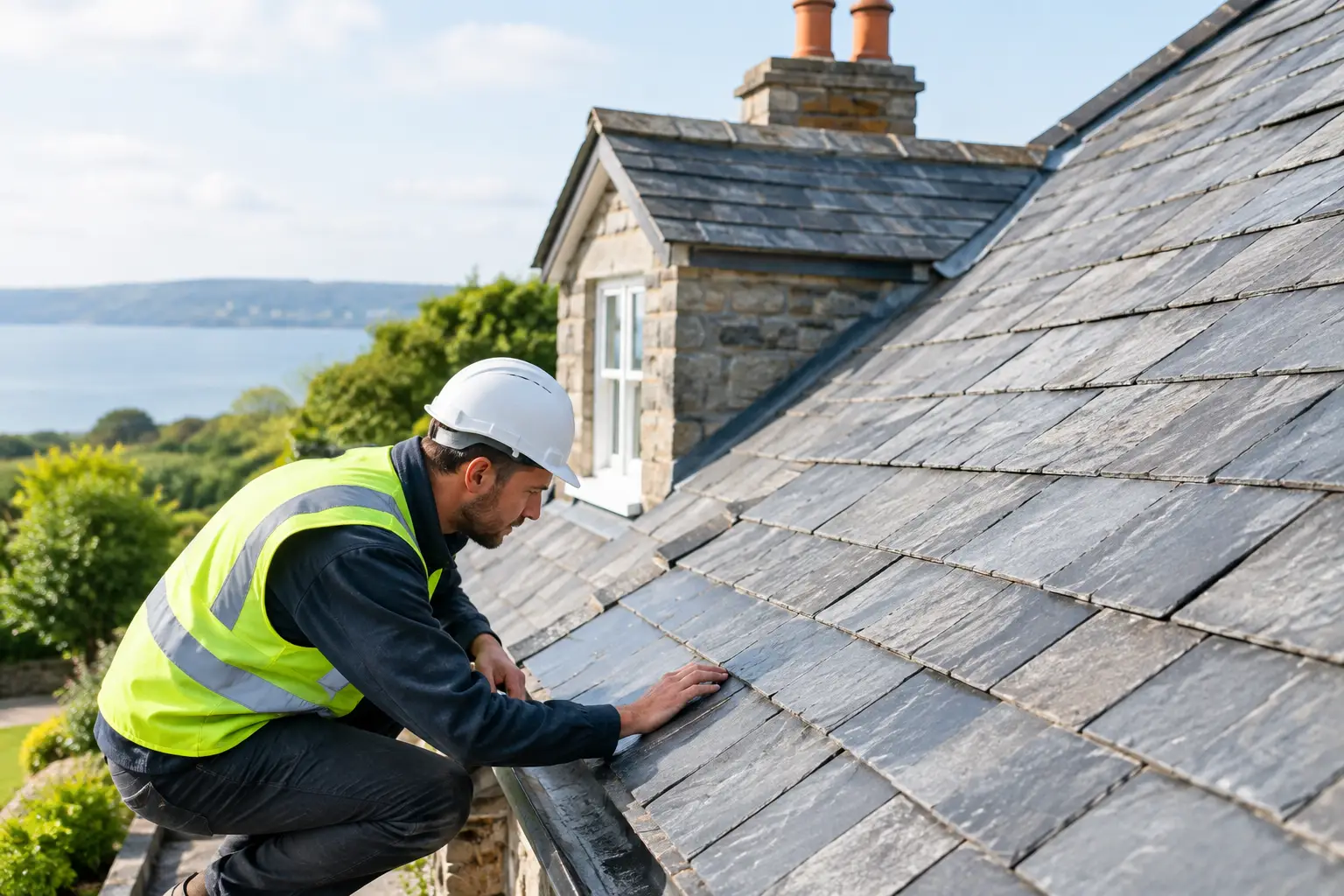
Learn how to assess heritage slate roofs, plan sympathetic repairs and protect a Central Scotland property from leaks, storm damage and costly disruption.
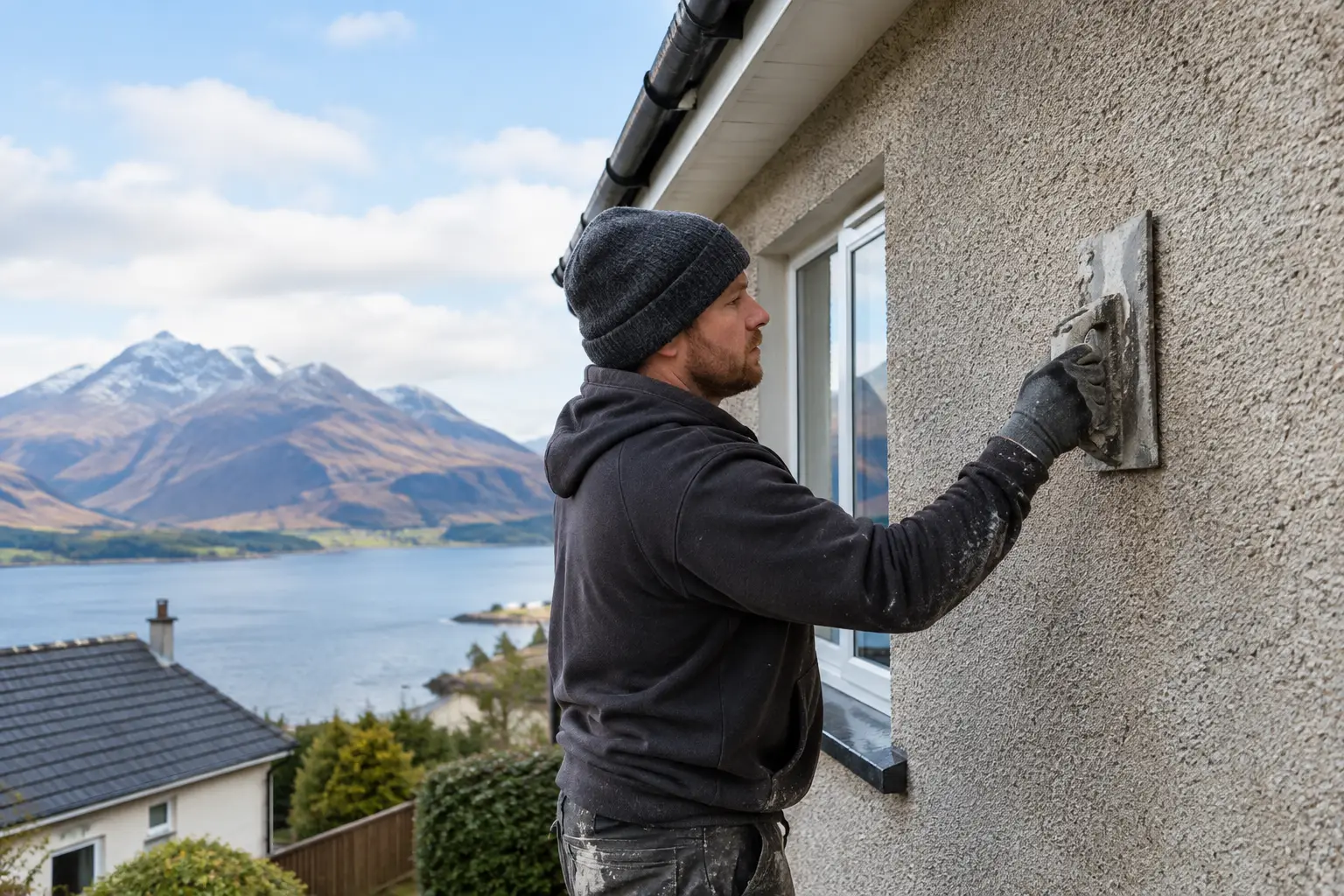
Is roughcasting worth it? See how this durable exterior finish protects Scottish homes, what affects the cost, and whether repair is enough for you...