

October 10, 2026
A practical roughcast maintenance guide Scotland homeowners can use to spot damp, cracks and weather damage before repairs become more costly over winter.

If your roofline is starting to look tired, soffits are often part of the reason. Choosing the best soffit materials for homes is not just about appearance – it affects ventilation, maintenance, weather resistance and how well your roofline stands up over time.
In Scotland, that matters more than many homeowners realise. Soffits sit underneath the roof overhang, where they help protect the rafters and support airflow into the roof space. When the wrong material is fitted, or old boards are left to deteriorate, you can end up with peeling paint, moisture problems, pest access and a roofline that dates the whole property.
A soffit has a simple job, but it needs to do it consistently in all weather. It should protect the underside of the roof edge from wind-driven rain, reduce the chance of damp getting into exposed timbers, and allow enough ventilation to help prevent condensation in the loft.
It also needs to stay stable through changing temperatures and wet conditions. In places such as Falkirk and across Central Scotland, where roofs take a fair amount of wind and rain through the year, low-maintenance materials tend to make the most sense for most properties.
There is no single right answer for every house. The best option depends on the property style, your budget, and how much ongoing upkeep you are willing to take on.
For many households, uPVC is the most practical choice. It is widely used because it is affordable, durable and easy to maintain. It does not need regular painting, it resists rot, and it works well alongside modern fascia and guttering systems.
This is usually the first recommendation for homeowners who want a clean finish without future hassle. A quick wash now and then is often enough to keep it looking tidy. Vented uPVC soffits are also readily available, which helps with roof ventilation.
The trade-off is appearance. On some period properties, standard white uPVC can look a bit too modern or out of keeping. There are coloured and woodgrain-effect finishes available, but they still do not fully match the look of real timber.
Timber has a natural look that suits traditional homes, cottages and some older properties. If appearance is the main priority, especially on a house with original timber detailing, wood can be the right fit.
That said, timber asks more of the homeowner. It needs painting or staining, and it needs that maintenance repeated over the years. If the protective finish starts to fail, moisture can get in and lead to swelling, decay or cracking.
Timber soffits can perform well when properly installed and maintained, but they are rarely the lowest-maintenance option. For landlords or busy homeowners, that ongoing upkeep is often the deciding factor against them.
Aluminium is strong, lightweight and resistant to rust when finished properly. It can give a neat, modern appearance and generally performs well in harsh weather. It also tends to last a long time without the rot issues associated with timber.
This makes it a solid option for homeowners looking for longevity and a sharper architectural finish. It is often used on higher-end projects or properties where a more contemporary roofline is wanted.
The downside is cost. Aluminium is typically more expensive than uPVC, both in materials and installation. Repairs can also be less straightforward if panels are dented or damaged.
Fibre cement is another material worth considering, though it is less common on standard domestic roofline replacements. It is durable, non-combustible and resistant to rot and insects. It can also suit homes where a more solid, painted finish is preferred.
However, it is heavier than uPVC or aluminium and can be more labour-intensive to fit. Depending on the product chosen, it may also require painting and more care during installation. For many homeowners, that makes it less attractive unless there is a specific reason to choose it.
For most homes, uPVC comes out on top because it handles wet weather well and keeps maintenance low. That matters when you are dealing with repeated rain, frost and damp conditions through the year. It is also well suited to properties where the fascia and guttering are being replaced at the same time.
Timber can still be the right choice for certain character properties, but only if you are happy to stay on top of maintenance. Aluminium performs very well too, especially where durability and appearance justify the higher price.
So when people ask about the best soffit materials for homes, the honest answer is that uPVC is usually the most sensible all-rounder, while timber and aluminium suit more specific situations.
It is easy to focus on the upfront price, especially if your roofline is being replaced as part of wider repairs. But soffits are one of those elements where cheaper in the short term does not always mean better value.
Timber may suit the property better visually, but regular repainting and occasional repairs add to the lifetime cost. Aluminium costs more initially, though it may pay back through longevity. uPVC often strikes the best balance because the installation cost is reasonable and the ongoing upkeep is minimal.
This is where professional advice helps. A soffit material should be chosen in relation to the whole roofline – fascia boards, gutters, ventilation and the condition of the existing structure all matter.
A soffit can look perfectly fine from the ground and still contribute to problems if ventilation is poor. Roof spaces need airflow to reduce the risk of condensation building up, particularly during colder months when warm indoor air meets a cold loft space.
That is why vented soffits are often recommended. They help air circulate without leaving the roof vulnerable to rain ingress or pests. In many cases, the best material choice is only part of the job. The design and installation need to support proper ventilation as well.
If a property has had previous issues with damp insulation, mould in the loft or signs of trapped moisture, it is worth checking whether the soffits are doing their job properly.
Not every house should be treated the same. A modern estate home, a traditional sandstone property and a rental property being updated for lower maintenance all have different priorities.
For a standard family home, uPVC is usually the straightforward and dependable option. For an older house where original features matter, timber may be worth the extra care. For homeowners investing in a long-term exterior upgrade, aluminium can be attractive if the budget allows.
What matters is choosing a material that suits both the building and the owner. A product only counts as the right choice if it fits the way the property is used and maintained.
Sometimes the material question only comes up because there is already a problem. Peeling paint, soft spots, visible gaps, wasp or bird entry, staining and sagging boards can all point to failing soffits.
You may also notice issues indirectly, such as poor loft ventilation or damp near the roof edge. In some cases, soffits are replaced during other roofline work because it is more efficient than repairing sections individually.
If the fascia boards and guttering are also dated or damaged, it usually makes sense to deal with the full roofline together rather than patching one element at a time.
Even the best soffit material will underperform if it is badly fitted. Boards need to be secure, neatly finished and properly ventilated. The installer should also check the condition of the rafters and roof edge before covering anything over.
This is one area where a rushed cosmetic job can create bigger problems later. Capping over rotten timber or ignoring ventilation issues may save money at first, but it often leads to more extensive repairs down the line.
A reliable local contractor should be able to explain what condition the existing roofline is in, what material suits the property best, and whether full replacement is better value than a short-term repair. That practical, no-pressure advice is usually worth more than simply choosing the cheapest quote.
For homeowners across Falkirk and nearby areas, roofline work often comes down to a simple question: what will look good, last well, and not turn into another maintenance job next year? In most cases, uPVC answers that question best. But if your home needs a more traditional finish or you want a premium modern look, timber and aluminium both have their place.
The right soffit should quietly do its job for years. If you choose a material that suits your property, your budget and the local weather, that is exactly what it will do.
A practical roughcast maintenance guide Scotland homeowners can use to spot damp, cracks and weather damage before repairs become more costly over winter.
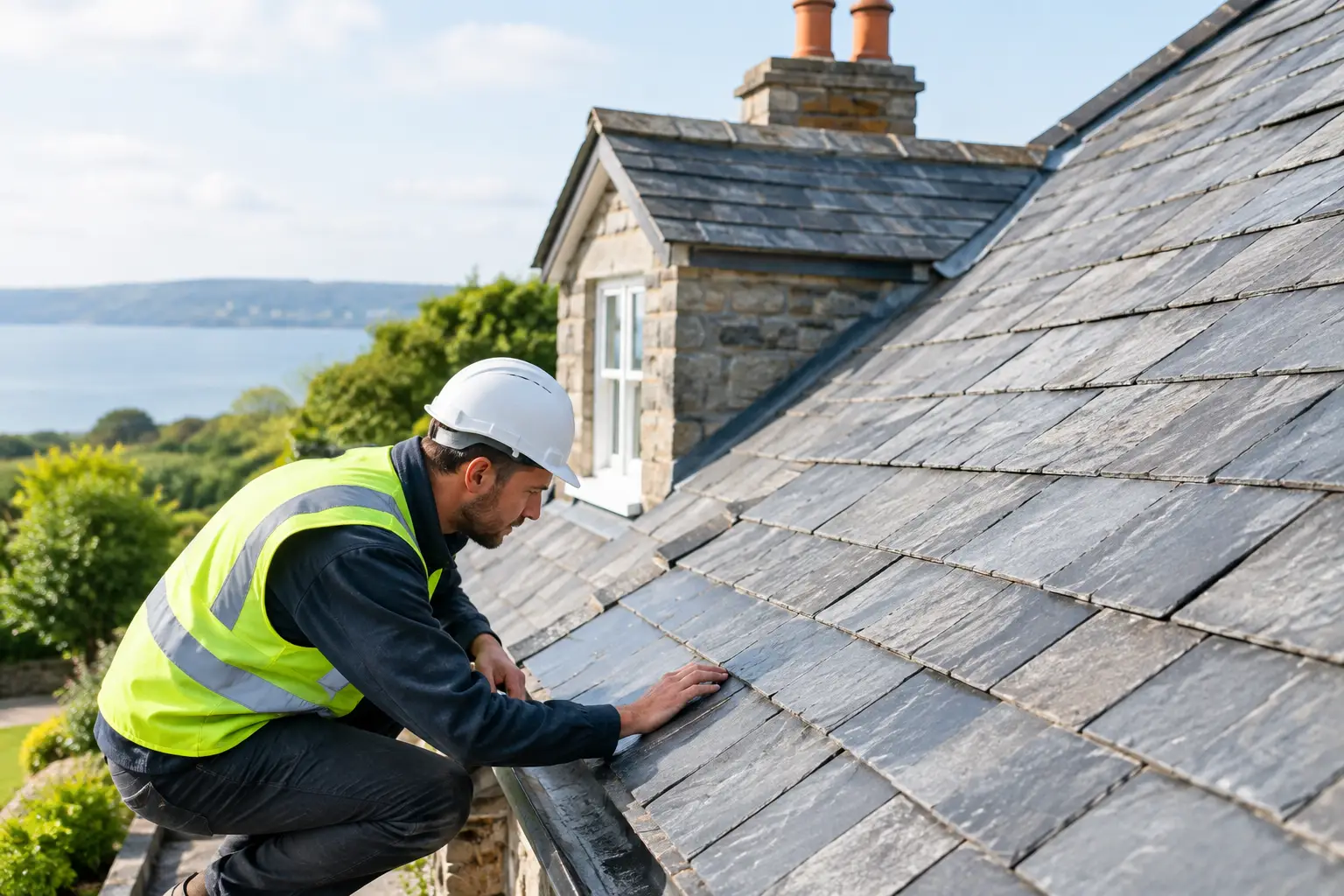
Learn how to assess heritage slate roofs, plan sympathetic repairs and protect a Central Scotland property from leaks, storm damage and costly disruption.
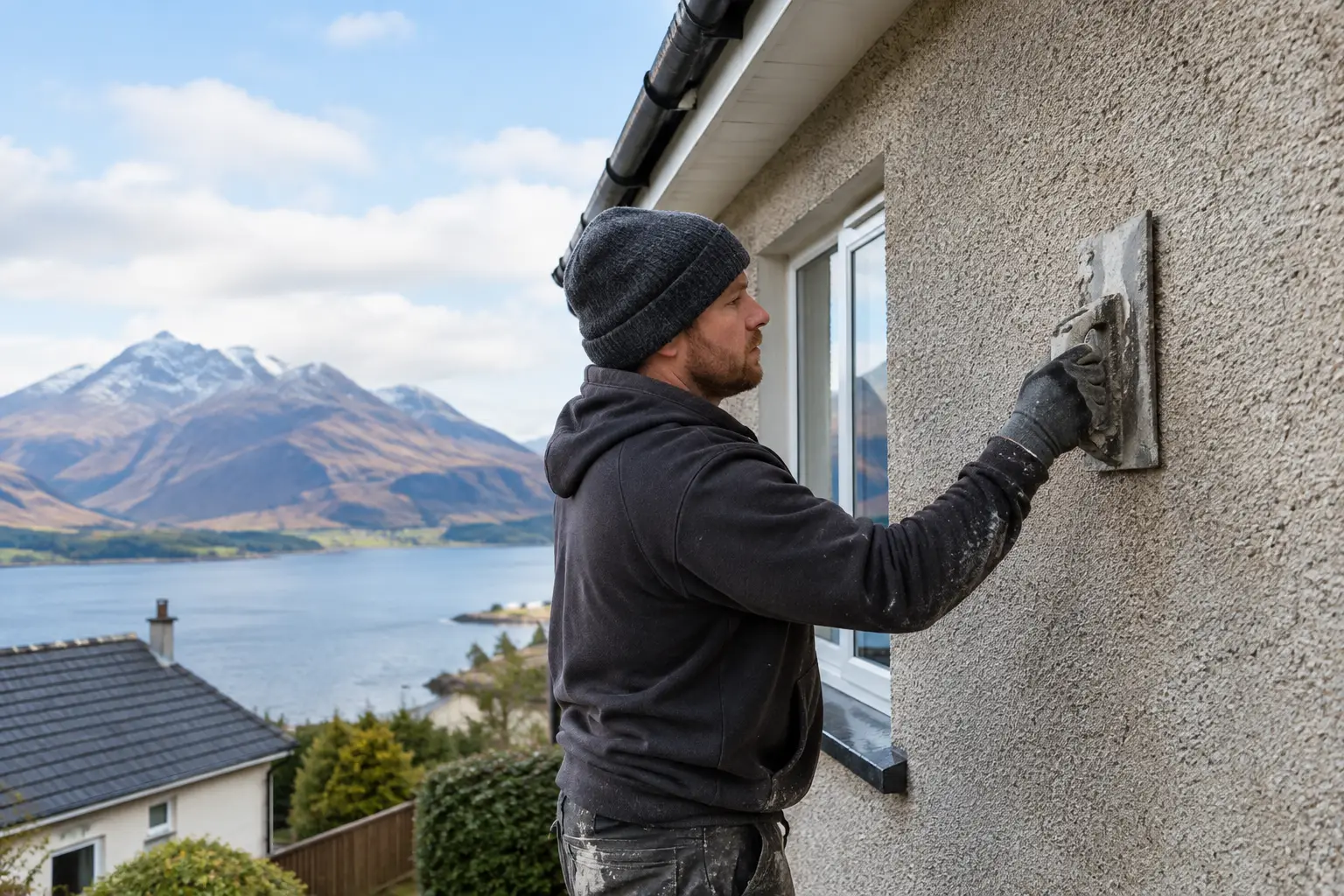
Is roughcasting worth it? See how this durable exterior finish protects Scottish homes, what affects the cost, and whether repair is enough for you...