

October 9, 2026
Learn how to assess heritage slate roofs, plan sympathetic repairs and protect a Central Scotland property from leaks, storm damage and costly disruption.

A storm damaged roof example often starts with something easy to dismiss: one slipped slate on the path, a small brown mark on an upstairs ceiling, or a gutter hanging slightly lower after a night of strong wind. In Central Scotland, where wind-driven rain can find its way through the smallest opening, that minor sign can become a leak, damaged insulation and costly internal repairs if it is left unchecked.
The safest response is not to climb up and investigate. Assess what you can see from ground level, protect the inside of the property, and arrange for a professional roofer to inspect the damage. A clear assessment tells you whether you need a straightforward repair or more substantial work.
Consider a typical pitched roof on a semi-detached home in Falkirk. After a period of high winds and heavy rain, the owner notices several slates in the garden and a drip appearing around the loft hatch. From the ground, there is a visible gap partway up one roof slope. The guttering is also overflowing, although it was cleared earlier in the year.
On inspection, the immediate problem is found to be a number of dislodged slates, along with damaged fixings on nearby slates. Wind has lifted the edge of the covering and driven rain beneath it. Water has tracked across the roofing felt before entering the loft space. The overflowing gutter has made matters worse by allowing water to run back towards the eaves.
In a case like this, the proper repair may involve replacing matching slates, renewing failed fixings, repairing the affected underlay, checking the battens beneath, and securing the verge or ridge if it has loosened. The gutter section also needs attention, but it is not automatically the cause of the roof leak. Good roofing work identifies the full route water has taken rather than treating the first visible symptom.
The scale of work depends on what lies beneath the missing slates. If the battens and felt are sound, a targeted repair can be effective and affordable. If prolonged water entry has rotted timber or exposed weaknesses across an ageing roof, patching alone may only postpone the next problem. A roofer should explain that distinction clearly before work begins.
Not all storm damage is obvious from the pavement. A roof can look broadly intact while wind has cracked mortar, lifted flashing or loosened tiles that have not yet fallen. The signs below are worth taking seriously, particularly after severe weather.
Slates and tiles can crack on impact, shift out of position or come away entirely when fixings fail. One missing slate is enough to create a route for rain. A row of uneven tiles or slates can indicate wind lift over a larger area, so it should not be treated as a simple appearance issue.
Fresh water staining, wet insulation, dripping timbers and a damp smell are all signs that water has entered the roof structure. Check the loft with a torch when it is safe to do so, but avoid standing on plasterboard or touching any electrical fittings near water. Take photographs of what you can see, including the position of the stain and any active drip.
A ceiling mark does not always sit directly beneath the roof defect. Water can travel along rafters, felt and pipes before it shows itself indoors. That is why a professional inspection is more reliable than repairing only the area above the mark.
Lead flashing around chimneys, valleys, dormers and abutments is particularly important because these are natural junctions in the roof. If flashing has lifted, split or pulled away from the masonry, rain can enter quickly. Cracked ridge mortar and loose chimney pointing can also worsen during repeated freeze-thaw weather.
Gutters are part of the roof’s drainage system. A section that has come loose, cracked or become blocked can send water over brickwork, behind fascias and towards the roof edge. It may be a separate repair, or it may point to storm damage around the eaves. Either way, do not ignore persistent overflow during rain.
Start with safety. Stay off ladders, keep clear of fallen slates or tiles, and do not attempt to refit a roof covering from a window. Strong winds can leave materials unstable even after the weather seems to have settled.
Inside, move furniture and valuables away from the leak. Place a bucket beneath drips and use towels to limit spread across flooring. If a ceiling is bulging with water, keep the room clear and seek professional advice promptly. A water-loaded ceiling can fail without much warning.
Next, record the evidence. Take photographs and short videos from safe ground level of fallen materials, visible gaps, damaged guttering and internal water marks. Note the date and the weather conditions. This information can help a roofer assess urgency and may be useful if you need to speak to your insurer.
Avoid covering the roof yourself with loose tarpaulin. It can catch the wind, cause further damage and create a serious fall risk. An emergency roofer can install a secure temporary covering where appropriate, then return for a lasting repair once conditions allow.
A storm damaged roof does not always need replacing. In fact, replacing an entire roof because of a small, isolated defect is rarely the right first recommendation. The aim should be to restore a weather-tight roof with work that matches the condition and remaining life of the existing covering.
Targeted repairs are usually suitable where damage is limited to a few slates or tiles, a small section of flashing, ridge work or a localised gutter failure. They are often the quickest route to stopping water ingress, especially when the roof is otherwise in good order.
Temporary protection has a different purpose. It limits further rain damage where conditions are unsafe for permanent work, or where a full inspection is needed before materials can be ordered. It should not be presented as a permanent fix. Ask what has been temporarily secured, what permanent work is expected, and when that work can be completed.
Replacement becomes a more realistic option when the roof is near the end of its useful life, defects are widespread, the underlying structure has deteriorated, or repairs would be repeated across several areas. This can be a bigger investment, but it may offer better value than responding to leaks every winter. The right answer depends on the roof’s age, material, construction and the extent of hidden damage.
A dependable roofer should be able to show you what has failed and explain the proposed repair in plain language. Ask whether the issue is confined to the roof covering or has reached the felt, battens or timber structure. Ask how the repair will tie into the existing roof, whether replacement materials will be a close match, and whether guttering, flashing or chimney details also need work.
It is also sensible to confirm the expected timescale, what protection will be used if rain returns, and what guarantee applies to the completed repair. A written quote should separate urgent make-safe work from longer-term repairs where possible. That gives you a fair basis for deciding what needs done now and what can be planned.
Forth Valley Roofing provides clear roof assessments and responsive repairs for homeowners, landlords and property managers across Falkirk and surrounding areas. Insured workmanship, straightforward advice and a five-year guarantee help customers make decisions with confidence.
You cannot prevent every storm, but regular checks reduce the chance of a small weakness becoming an emergency. Have loose slates, damaged pointing, worn flashing and overflowing gutters dealt with before autumn weather arrives. After major winds, walk around the property from ground level and look for changes, even if there is no obvious leak indoors.
If you have seen a storm damaged roof example at your own property, acting early is usually the most cost-effective step. A prompt inspection can protect the roof structure, the rooms below it and the peace of mind that comes from knowing your home is weather-tight again.
Learn how to assess heritage slate roofs, plan sympathetic repairs and protect a Central Scotland property from leaks, storm damage and costly disruption.
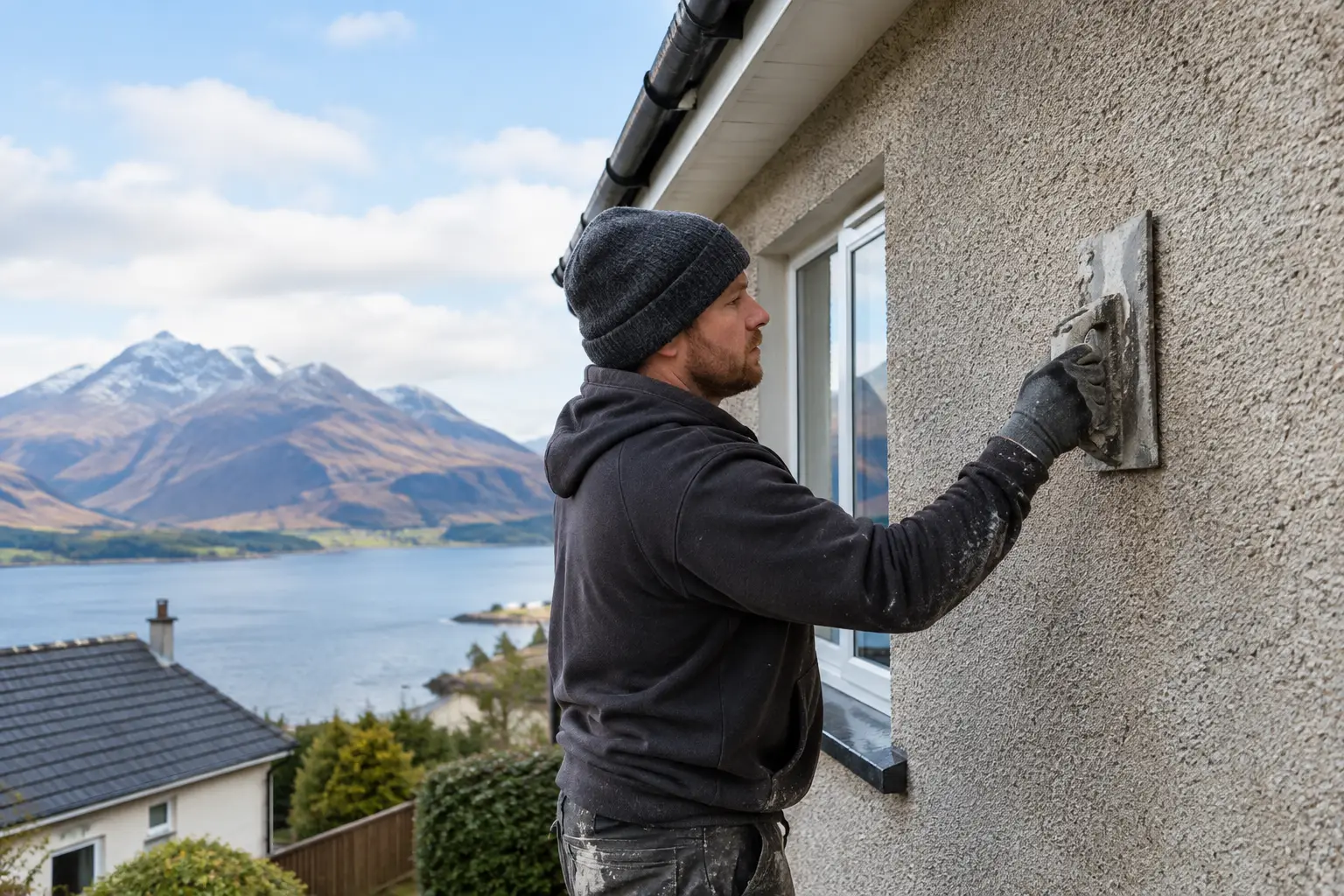
Is roughcasting worth it? See how this durable exterior finish protects Scottish homes, what affects the cost, and whether repair is enough for you...
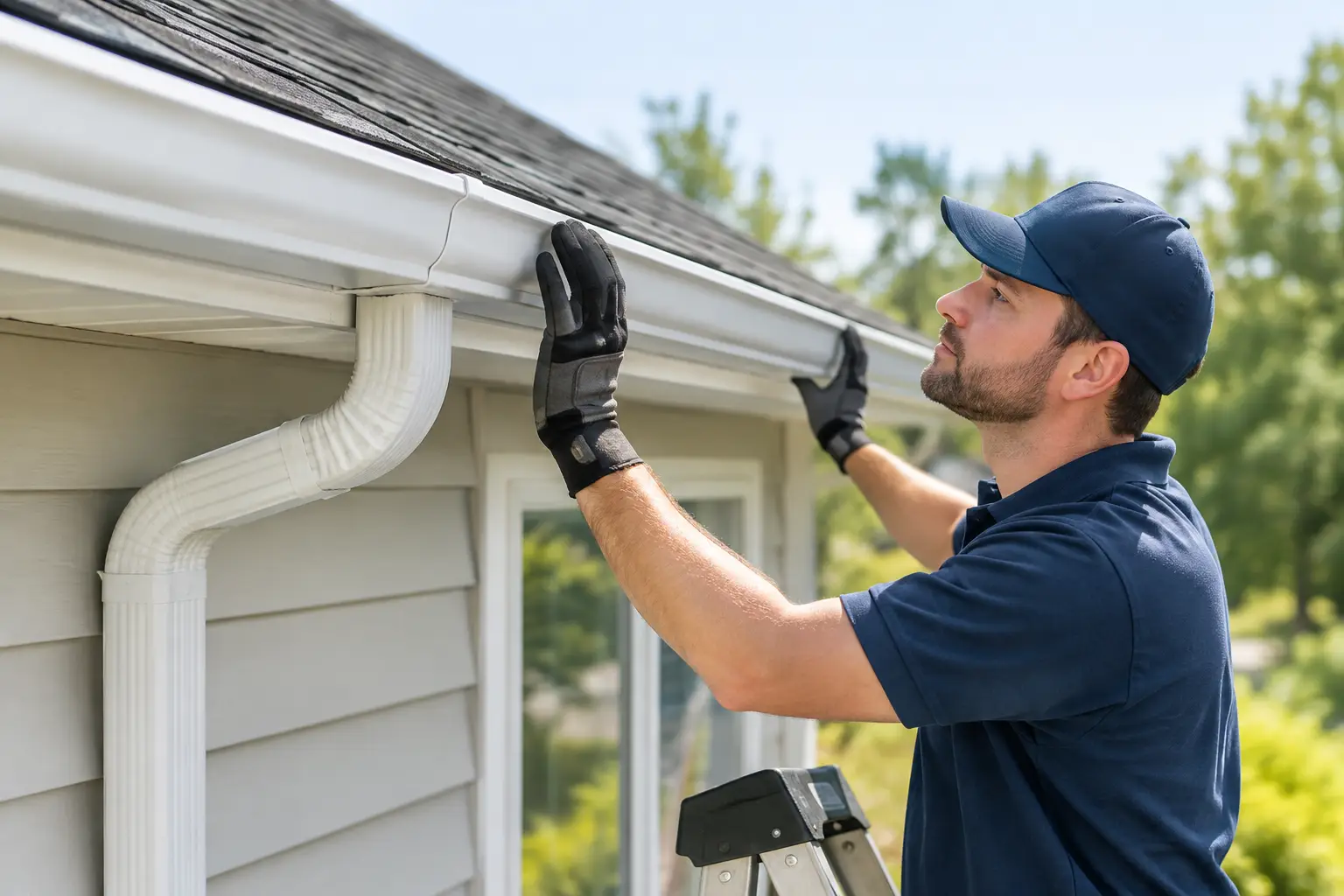
See a gutter replacement project example, from the first inspection to fitting new gutters, and learn what protects a Central Scotland home in winter.