
October 8, 2026
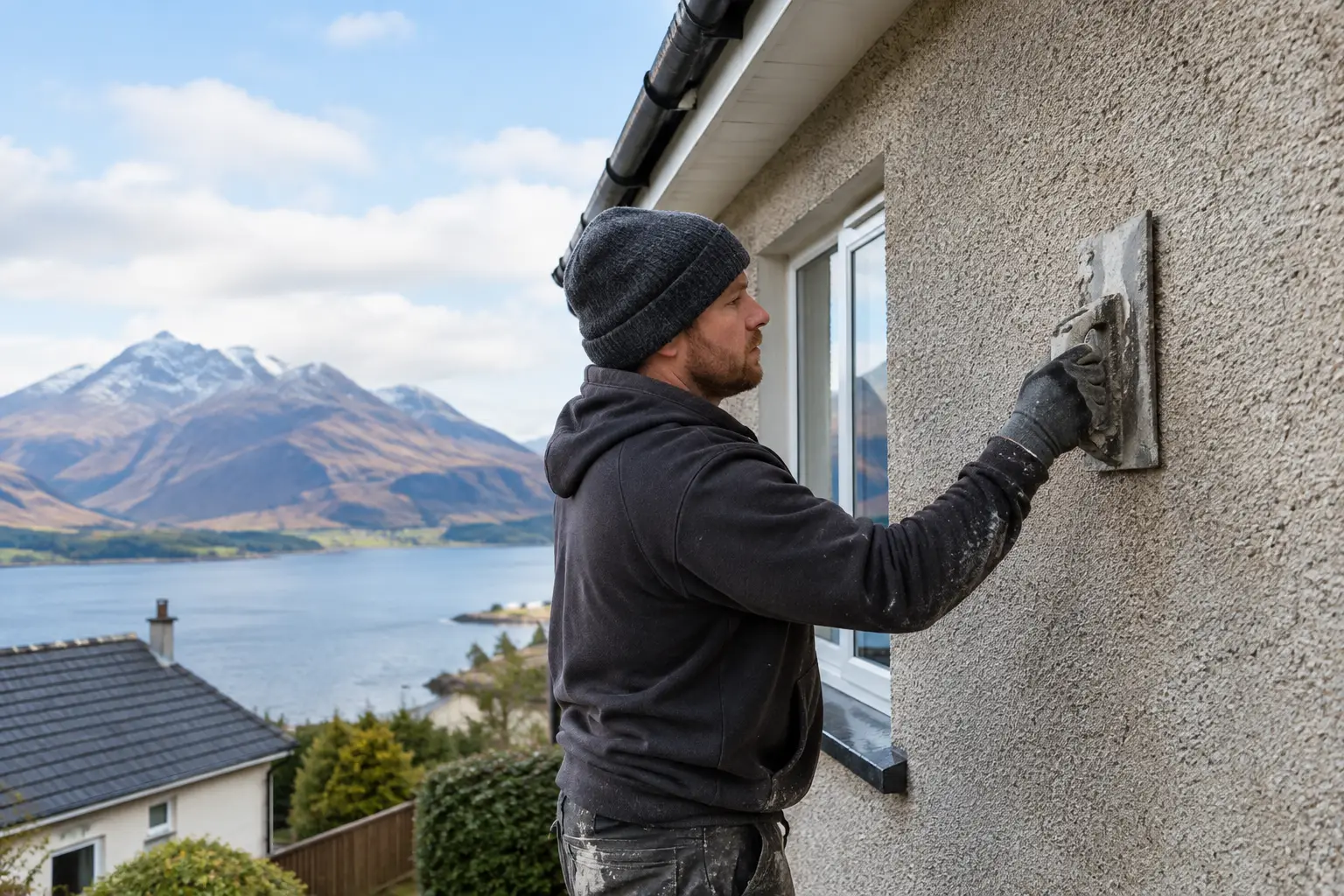
Is roughcasting worth it? See how this durable exterior finish protects Scottish homes, what affects the cost, and whether repair is enough for you...

A roof replacement is no longer only about keeping rain out. Across Central Scotland, more homeowners are asking whether a new roof could also produce electricity, reduce daytime bills and make better use of a surface they already own. That is the real story behind solar roofs UK trends: solar is increasingly being considered at the same time as roof repairs, extensions and planned renewals, rather than as a separate project years later.
For a property in Falkirk, Stirling, West Lothian or the surrounding area, the best option still depends on the roof itself. Its age, pitch, direction, shading and structural condition matter more than a fashionable product name. A sensible solar installation starts with a sound roof and clear expectations about what the system can deliver.
Traditional solar panels fixed above existing roof tiles remain the most common option. They are proven, generally cost-effective and can be fitted to many suitable roofs without replacing the whole covering. Modern black-framed panels can also look far neater than the older blue-toned systems many people remember.
The growing alternative is the integrated solar roof, often called solar tiles or in-roof solar. Instead of mounting panels above the tiles or slates, the solar units sit within the roof covering. This creates a flatter, more built-in finish, which appeals to homeowners carrying out a full re-roof or building an extension.
The visual result can be excellent, particularly on a prominent front elevation. However, integrated systems are not automatically the right answer for every home. They can cost more to install, and future access or replacement work needs to be considered carefully. Conventional on-roof panels may generate similar amounts of electricity for a lower upfront outlay, leaving more budget for battery storage, insulation or essential roof repairs.
For most properties, the timing of the work is the deciding factor. If a roof has another decade or two of serviceable life, adding standard panels may make more financial sense. If tiles are failing, underlay is deteriorating or a full renewal is already planned, it is worth comparing an integrated design before the new roof is specified.
One of the clearest developments is the rising interest in home batteries. Solar panels generate most power during daylight hours, while many households use more electricity in the morning and evening. Without a battery, surplus electricity may be exported to the grid when the household is not using it.
A battery stores some of that excess generation for later use. It can improve self-consumption, helping a household rely less on bought-in electricity after sunset. It may also be useful for households with electric vehicles, heat pumps or high daytime and evening demand.
That said, batteries are not a guaranteed saving for every household. They add a significant initial cost, have a finite usable capacity and should be sized around actual consumption rather than sold as a standard add-on. A family where someone works from home may use much of their solar generation directly during the day. In that case, a smaller battery, or no battery at all, may be the more sensible choice.
The Smart Export Guarantee also remains part of the picture. Eligible households can be paid for electricity exported to the grid, although rates and tariff terms vary by supplier. This means unused solar power is not necessarily wasted, but it is still wise to compare likely export income with the cost of storing power at home.
Solar equipment is designed to last for many years. Fitting it over a roof that is already near the end of its life can create avoidable expense later, because the panels may need to be removed and reinstated when roofing work becomes necessary.
Before committing to solar, a competent roofing inspection should check the condition of the coverings, battens, underlay, flashings, chimneys, valleys, gutters and roofline. On older homes, the roof structure may also need assessment to confirm it can carry the additional loading safely. Panels themselves are not exceptionally heavy, but wind loading and fixing arrangements must be properly accounted for.
This is particularly relevant in exposed parts of Central Scotland, where driving rain and strong winds test every weak point in a roof. Good workmanship around penetrations, flashings and fixings is essential. A solar system should never compromise the roof’s weatherproofing.
If a roof needs work, combining roofing and solar planning can reduce disruption. The layout can be agreed before tiles are lifted, cable routes can be thought through, and any necessary strengthening can be completed as part of one coordinated project. It also helps avoid the familiar problem of one contractor blaming another if a leak appears later.
South-facing roofs usually offer the highest annual generation, but east- and west-facing arrays can work very well. An east-facing roof generates more power earlier in the day, while a west-facing roof can better match evening usage. A split array across both slopes can provide a more balanced output through the day.
Shade is often more important than people expect. Chimneys, dormers, neighbouring buildings and mature trees can reduce output, especially if they shade a panel repeatedly. Modern systems can be designed to limit the effect of partial shading, but every property needs a proper survey rather than a rough estimate from a satellite image.
Many domestic solar installations can be carried out under permitted development rights, but there are exceptions. Listed buildings, conservation areas, unusual mounting positions and certain building types may require additional checks. It is better to establish this before ordering equipment, especially where the appearance of the roof is a key consideration.
Building regulations and electrical requirements also apply. The installation needs to be designed and completed by appropriately qualified professionals, with the right certification and notification process followed. The local electricity network operator may need to be informed or grant approval, depending on the system size and technical arrangement.
Homeowners should also check whether their mortgage provider, insurer or any factor or management company has conditions that affect the work. For landlords and property managers, tenant usage patterns and responsibility for maintenance should be agreed before installation. Clear paperwork protects everyone involved.
Solar generation is valuable, but it cannot solve heat loss through a poorly insulated home. In many Scottish properties, loft insulation, draught reduction and sensible heating controls can be just as important as panels on the roof. Reducing unnecessary demand means more of the solar electricity can cover useful household use.
A planned roof renewal is a practical chance to look at ventilation and insulation together. Roof ventilation must not be blocked or treated as an afterthought, as trapped moisture can damage timbers and insulation over time. The aim is a warm, dry, well-ventilated roof space with a weatherproof external covering.
For households considering a heat pump, electric vehicle or future battery, it is also worth allowing for expansion. That does not always mean buying the largest system immediately. It may mean choosing an inverter, consumer unit arrangement and cable route that make later upgrades easier and safer.
A useful quotation should explain more than the number of panels. Ask how the roof condition has been assessed, what output is predicted, how shading has been allowed for and whether the quote includes scaffolding, electrical certification and any required roof alterations. If a battery is included, ask why that capacity has been recommended and what assumptions have been made about your electricity use.
It is also reasonable to ask about guarantees for the panels, inverter, battery and roofing work separately. These are different parts of the project, often with different manufacturers and terms. Knowing who is responsible if an issue develops is far more valuable than choosing on the lowest headline price alone.
At Forth Valley Roofing, the practical approach is to treat solar as part of the wider condition of the property. A roof should first protect the building properly, then support an energy upgrade that suits the household and budget.
The most worthwhile solar roof is not necessarily the most expensive or the most discreet. It is the one fitted to a sound roof, designed around how the property is used, and installed with enough care that you can rely on it through Scottish winters as well as brighter summer days.
Is roughcasting worth it? See how this durable exterior finish protects Scottish homes, what affects the cost, and whether repair is enough for you...
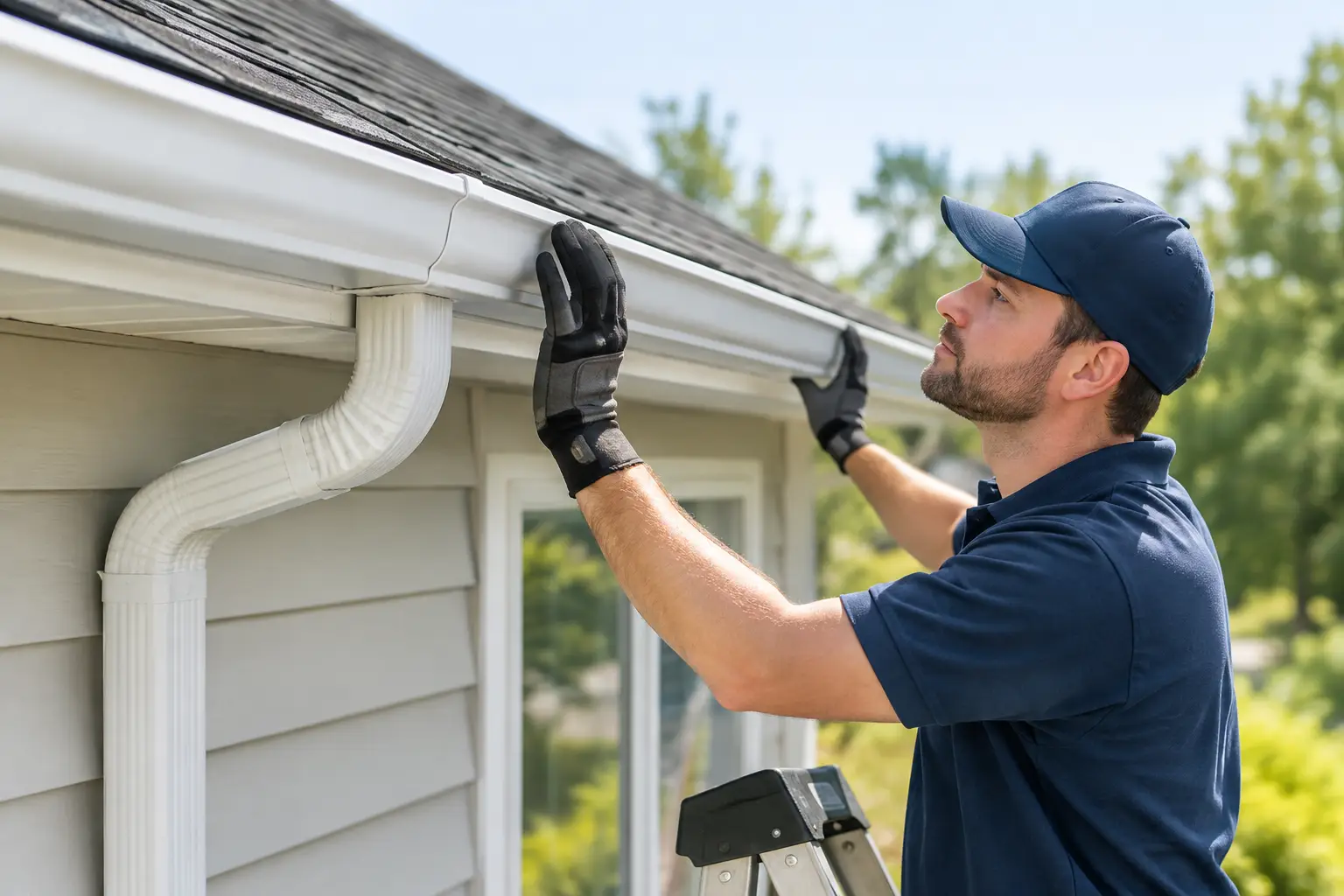
See a gutter replacement project example, from the first inspection to fitting new gutters, and learn what protects a Central Scotland home in winter.

Does roof ventilation reduce condensation? Learn when roof vents help, what causes loft moisture and how to protect your Central Scotland home this winter.