

October 10, 2026
A practical roughcast maintenance guide Scotland homeowners can use to spot damp, cracks and weather damage before repairs become more costly over winter.

A new roof is one of those jobs most property owners put off until there is no real choice left. Maybe the tiles are slipping after repeated storms, maybe the loft has started showing signs of damp, or maybe repairs are becoming a regular cost instead of a one-off fix. If you are weighing up a replacement, this new roof installation guide will help you understand what the process looks like, what affects cost, and how to make sensible decisions before work starts.
For most homes, a new roof is not just about appearance. It is about protecting the structure of the property, preventing water ingress, improving energy efficiency, and avoiding the cycle of patch repairs that never fully solve the problem. When handled properly, a replacement roof should give you long-term peace of mind rather than another issue to worry about next winter.
Not every roof needs to be replaced. In many cases, a targeted repair is the right option, especially if the issue is limited to a small section of damaged tiles, localised flashing failure, or minor flat roof wear. A good contractor should be honest about that.
That said, there comes a point where repair work starts costing more over time than replacing the roof properly. If the roof is at the end of its expected lifespan, if there are recurring leaks in different areas, or if the underfelt and battens have deteriorated, a full replacement is often the more practical investment. The same applies when the roof structure has been affected by long-term moisture or poor historic workmanship.
Older properties across Central Scotland often show this pattern. From the outside, the roof may not look beyond saving, but once the coverings are stripped back, hidden defects become obvious. That is why a proper survey matters before anyone gives firm advice.
The main value of any new roof installation guide is not just explaining the sequence of work. It should help you decide whether the job is necessary, what standard of materials to expect, and what questions to ask before signing anything.
The most important early decisions usually come down to roof type, material choice, and scope. A pitched roof replacement will differ from a flat roof installation. A detached house may need more extensive scaffolding and access planning than a terraced property. If chimney repairs, lead work, fascias, soffits or guttering also need attention, it often makes sense to deal with those at the same time rather than bringing separate trades back later.
There is no one-size-fits-all answer here. The right solution depends on the age of the property, exposure to weather, your budget, and whether you are planning to stay long term or preparing the home for sale or let.
A straightforward roof replacement follows a clear process, even if the details vary from job to job. It usually begins with an inspection and written quote. At this stage, you should expect the contractor to explain the condition of the current roof, the work recommended, the materials proposed, and any likely additional items that may only become visible once the old roof is removed.
Once the work is booked in, scaffolding is normally erected to allow safe access. The old roof covering is stripped away, and the underlying structure is checked. This is a key stage because rotten battens, failed felt, and damaged timbers can only be assessed fully when exposed.
After that, the roof is rebuilt in layers. New underlay and battens are fitted, followed by the chosen roof covering, whether that is concrete tiles, slate, or another suitable material. Flashings, ridges, verges and ventilation details are completed, and the site is cleared as the work progresses.
A professional team should keep disruption manageable. Roofing is not a silent job, and there will be periods of noise and activity, but good communication makes a big difference. You should know what is happening each day, how long the work is expected to take, and whether the schedule has changed because of weather or unexpected findings.
Material choice affects appearance, lifespan, maintenance, and price. For many homes, concrete tiles are a practical option. They are widely used, generally cost-effective, and suit a broad range of property styles. Natural slate offers a more traditional finish and can last for decades, but the upfront cost is usually higher.
If your property already has slate, it is worth thinking carefully before switching to a different material. A cheaper option now may not look right on the building and could affect its character. On the other hand, not every house needs the cost of premium materials. It depends on the age of the home, local planning considerations, and your long-term priorities.
Flat roofs need a different conversation altogether. Systems such as felt, fibreglass, or single-ply membranes each have their strengths. The right choice depends on roof size, foot traffic, insulation needs, and how exposed the area is. A garage roof and a main extension roof may not require the same system.
The size of the roof is only part of the picture. Cost is also shaped by pitch, access, material type, scaffold requirements, the condition of the roof deck or timbers underneath, and whether extra elements such as chimneys, lead valleys, skylights, or guttering need work.
This is why very cheap quotes should be treated with caution. If a price looks far below others, there is usually a reason. It may exclude waste removal, scaffolding, replacement of damaged timber, or finishing details that are essential to the job. In some cases, cheaper work also means poorer materials or rushed installation, which simply stores up problems for later.
A fair quote should be clear about what is included. You do not need every technical term, but you should understand the scope well enough to compare one contractor with another on a like-for-like basis.
Homeowners often feel they need to know roofing inside out before speaking to a contractor. You do not. What matters is asking sensible questions and making sure the answers are straightforward.
Ask whether the company is insured, whether workmanship is guaranteed, and what happens if hidden issues are found once the roof is stripped. Ask how waste will be handled, whether scaffolding is included, and how long the work is likely to take in normal weather. If you are replacing a roof on a lived-in home, it is also reasonable to ask how the property will be protected if rain interrupts the job.
You should also ask who will actually carry out the work. Some companies quote for jobs and then pass them elsewhere. Others use their own roofers and manage the job directly. For many property owners, that difference matters.
Roofing work always depends to some extent on the weather. In Scotland, that is a reality rather than an excuse. High winds, persistent rain and freezing conditions can make certain stages unsafe or affect installation quality.
That does not mean you need to wait for perfect sunshine. Experienced roofers plan around the forecast, protect exposed areas carefully, and move efficiently when conditions allow. Still, if your job runs into a weather delay, the right response is clear communication, not silence.
If the roof is already leaking badly, temporary protective work may be needed before the full installation date. That can be especially important after storm damage, when demand for emergency roofing rises quickly.
Good materials fitted badly will still fail. Many of the worst roofing issues are not caused by the tile or membrane itself but by poor detailing around ridges, valleys, abutments, chimneys and edges. That is where water finds its way in.
This is why experience and care matter so much. A dependable local contractor should explain the work in plain language, turn up when agreed, and stand behind the finished result. Guarantees are part of that, but so is the way the job is handled from first quote to final tidy-up.
For homeowners in Falkirk and the surrounding area, working with a roofing company that understands local property styles and weather conditions can be a genuine advantage. Forth Valley Roofing takes that practical approach – clear advice, insured work, fair pricing and a focus on doing the job properly the first time.
A new roof is a serious investment, but it should not feel like a gamble. If you get clear advice, a detailed quote, and honest answers about materials, timescales and guarantees, the decision becomes much easier. The right roof will protect your home for years, and the right contractor will make the process feel organised, not stressful.
A practical roughcast maintenance guide Scotland homeowners can use to spot damp, cracks and weather damage before repairs become more costly over winter.
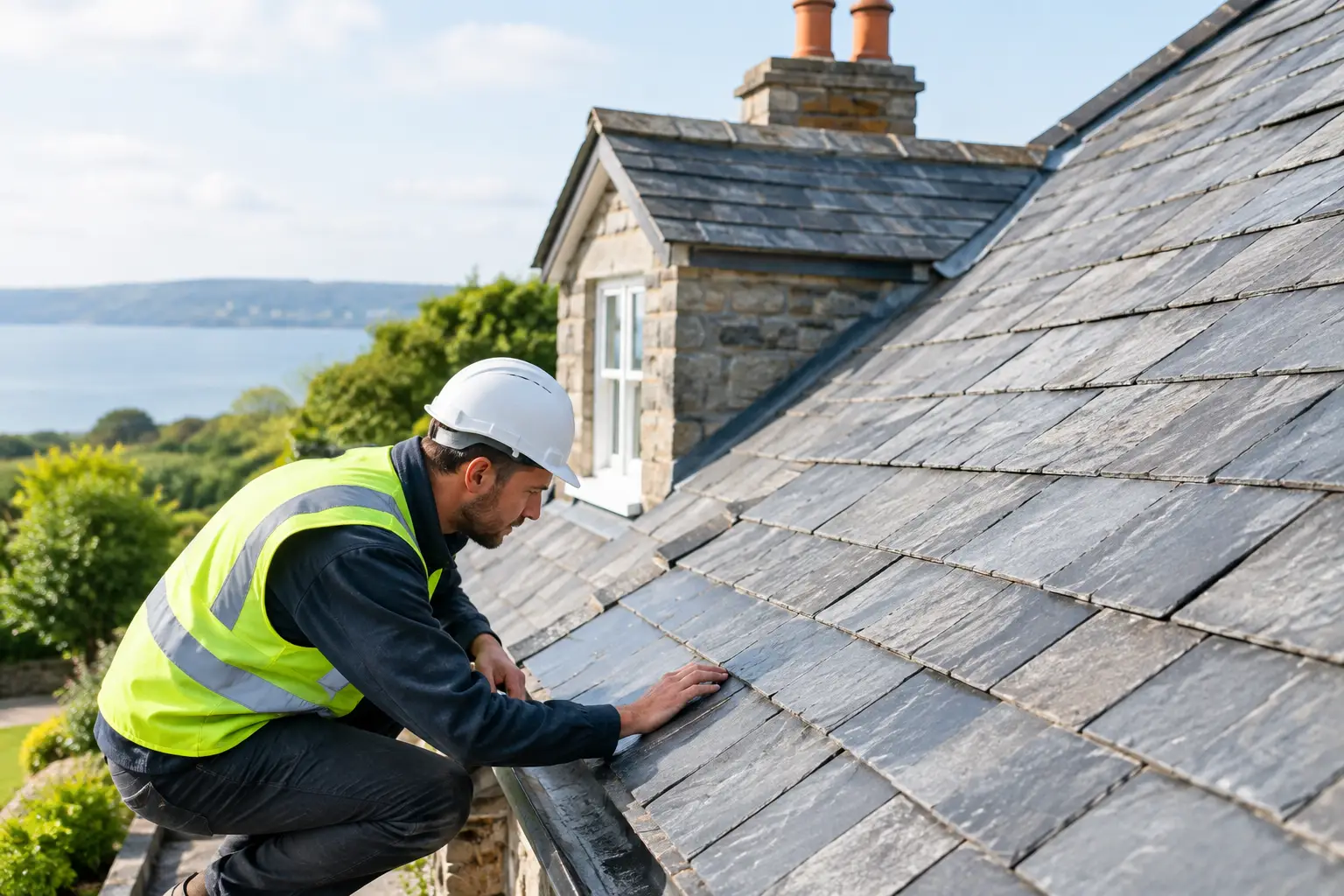
Learn how to assess heritage slate roofs, plan sympathetic repairs and protect a Central Scotland property from leaks, storm damage and costly disruption.
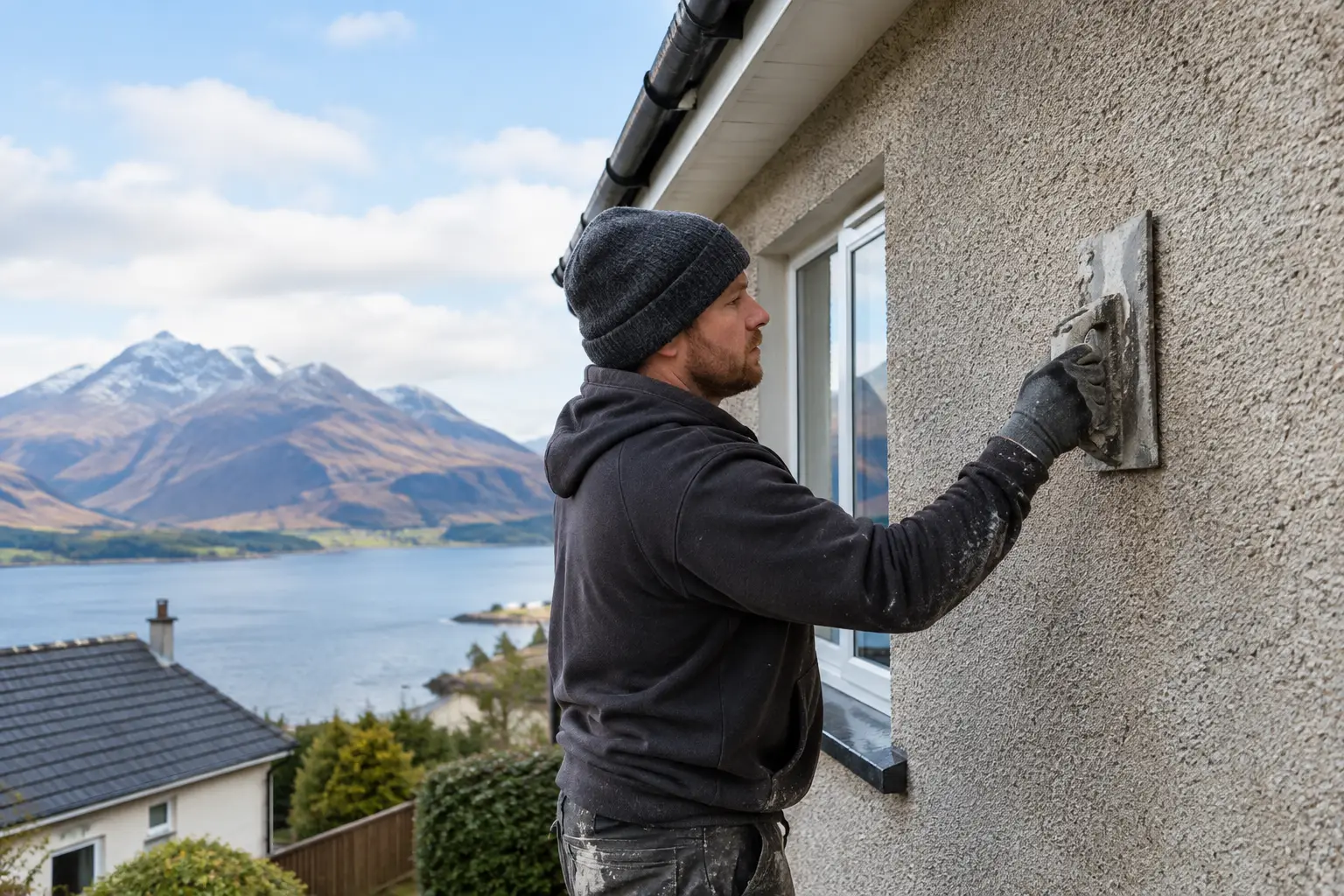
Is roughcasting worth it? See how this durable exterior finish protects Scottish homes, what affects the cost, and whether repair is enough for you...