
October 8, 2026
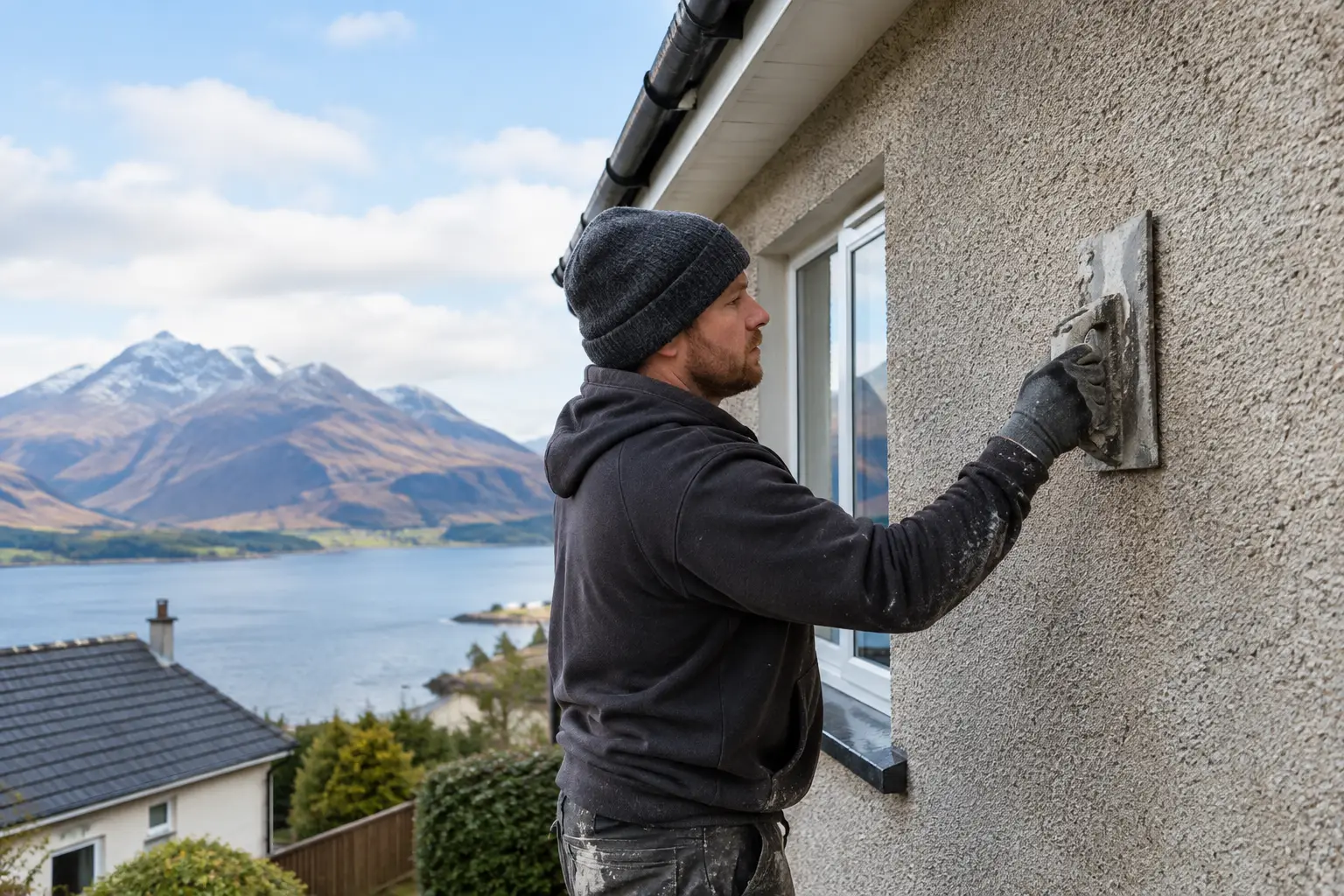
Is roughcasting worth it? See how this durable exterior finish protects Scottish homes, what affects the cost, and whether repair is enough for you...

A lot of fascia and soffit problems are spotted too late – usually when the gutters start sagging, damp marks appear indoors, or birds have already found a way into the roofline. If you are wondering when to replace fascias and soffits, the answer usually comes down to condition rather than age alone. Small defects can sometimes be repaired, but once the roofline starts failing, leaving it too long often leads to bigger and more expensive problems.
Your fascias and soffits do more than tidy up the edge of the roof. Fascias support the guttering and help protect the roof structure from water ingress, while soffits cover the underside of the overhang and help with ventilation. When these parts weaken, rainwater, pests and damp can all start causing damage where you cannot easily see it.
Repairs make sense when the issue is localised. A short section with minor damage, a loose board, or a small area affected by damp may not always mean full replacement is needed. But if the material is rotten, warped, cracked in several places or no longer holding the guttering securely, replacement is often the better long-term option.
This is especially true with older timber rooflines that have been patched up more than once. Fresh paint can improve the appearance for a while, but it does not solve hidden rot or soft spots underneath. If one section has failed, there is a fair chance other areas are close behind.
For many homeowners and landlords, replacing old boards with modern UPVC is the most practical choice. It reduces ongoing maintenance, improves the look of the property and gives you a more reliable roof edge in the face of Scottish weather.
One of the clearest warning signs is peeling paint or staining on timber fascias and soffits. That often means moisture has already got into the material. If you press the timber and it feels soft, or you can see sections splitting, that is no longer a cosmetic issue.
Sagging gutters are another common sign. Gutters rely on the fascia boards behind them for support. If the board has weakened, the brackets can start pulling away, which affects drainage and increases the risk of overflowing water during heavy rain.
You may also notice poor ventilation in the roof space. Damaged or blocked soffits can reduce airflow, which can contribute to condensation build-up in the loft. Over time, that can affect insulation, timbers and even lead to mould.
Pest activity should not be ignored either. Birds, wasps and insects often exploit small gaps in the soffits or along the roofline. What starts as a minor entry point can quickly become a recurring problem.
There is no single lifespan that applies to every property. Timber fascias and soffits can last for many years if they are well maintained, regularly painted and protected from repeated water exposure. In practice, though, many older timber rooflines in Central Scotland begin showing age sooner because of the climate.
Rain, frost, wind and temperature changes all put stress on external materials. Once water gets into unprotected timber, deterioration can move quickly. UPVC systems generally last longer and need less upkeep, but even they should still be checked for cracks, loose joints or signs of movement.
Age matters, but condition matters more. A twenty-year-old roofline that has been looked after may be sound. A much newer one that was poorly fitted or neglected may already need replacement.
Fascias and soffits are often seen as finishing details, but they play a protective role. If they fail, the knock-on effects can spread into other parts of the property.
Overflowing or unstable gutters can send water down external walls, causing staining, damp penetration and damage around windows or doors. Water entering at roof level can also affect rafters, felt and insulation. In some cases, what could have been a straightforward roofline replacement turns into a wider repair job.
There is also the safety side to think about. Loose guttering or decayed boards at height are not something to leave in place, particularly after storms or strong winds. Acting early is usually cheaper, tidier and less disruptive than waiting until damage spreads.
It depends on the extent of the problem, the material already in place and your plans for the property. If you are dealing with one isolated defect and the rest of the roofline is in good order, repair may be enough. That can be a sensible option for newer installations or for limited storm damage.
If multiple sections are failing, the guttering has become unstable, or there are recurring issues with rot and repainting, replacement is usually the smarter investment. It avoids repeated call-outs and gives you a cleaner, more durable result.
This also matters if you are planning to sell, let or refurbish the property. Worn roofline details can affect kerb appeal and raise concerns during inspections. A properly installed fascia and soffit replacement helps present the property as well maintained.
A proper replacement should begin with inspection, not guesswork. The contractor should assess the condition of the existing boards, guttering and the roof edge behind them. If there is hidden rot in the timber ends or damage to the underfelt, that needs to be identified before new materials go on.
The old boards are then removed where required, and any damaged timber beneath is repaired or replaced. New fascias and soffits are fitted securely, with attention paid to ventilation, alignment and gutter support. If the gutters are old or poorly fixed, it often makes sense to deal with those at the same time.
One point worth knowing is that capping over rotten or failing timber is not the same as full replacement. In some situations, capping can be appropriate, but if the timber underneath is already compromised, covering it up is only delaying the issue. A good contractor will explain the difference clearly.
In Falkirk, Stirling, West Lothian and across Central Scotland, rooflines take a fair amount of punishment. Driving rain, winter frost and strong winds all add wear over time. That means minor faults can become serious more quickly than they might in milder parts of the country.
This is why routine checks matter. You do not need to climb a ladder or inspect every inch yourself, but if you can see flaking paint, sagging gutters, staining, plant growth or visible gaps from the ground, it is worth getting the roofline looked at. The sooner the issue is identified, the more options you usually have.
If your fascias or soffits show visible damage, if the gutters are no longer sitting properly, or if you have noticed damp issues near the roofline, it is time to get an expert opinion. The same applies after bad weather, especially if the property is older or the roofline has not been replaced in years.
A reliable roofer should give you a clear assessment of whether repair is realistic or whether replacement is the better route. You should expect honest advice, a straightforward quote and an explanation of any work recommended. At Forth Valley Roofing, that practical approach matters because most customers simply want to know what needs done, what can wait, and what will properly protect the property.
Replacing fascias and soffits is not always urgent the moment a small defect appears, but it should never be ignored once the signs are there. A sound roofline keeps water moving where it should, helps your roof breathe properly and supports the parts of the property that are easy to forget until something goes wrong. If yours is starting to fail, dealing with it early is usually the better decision.
Is roughcasting worth it? See how this durable exterior finish protects Scottish homes, what affects the cost, and whether repair is enough for you...
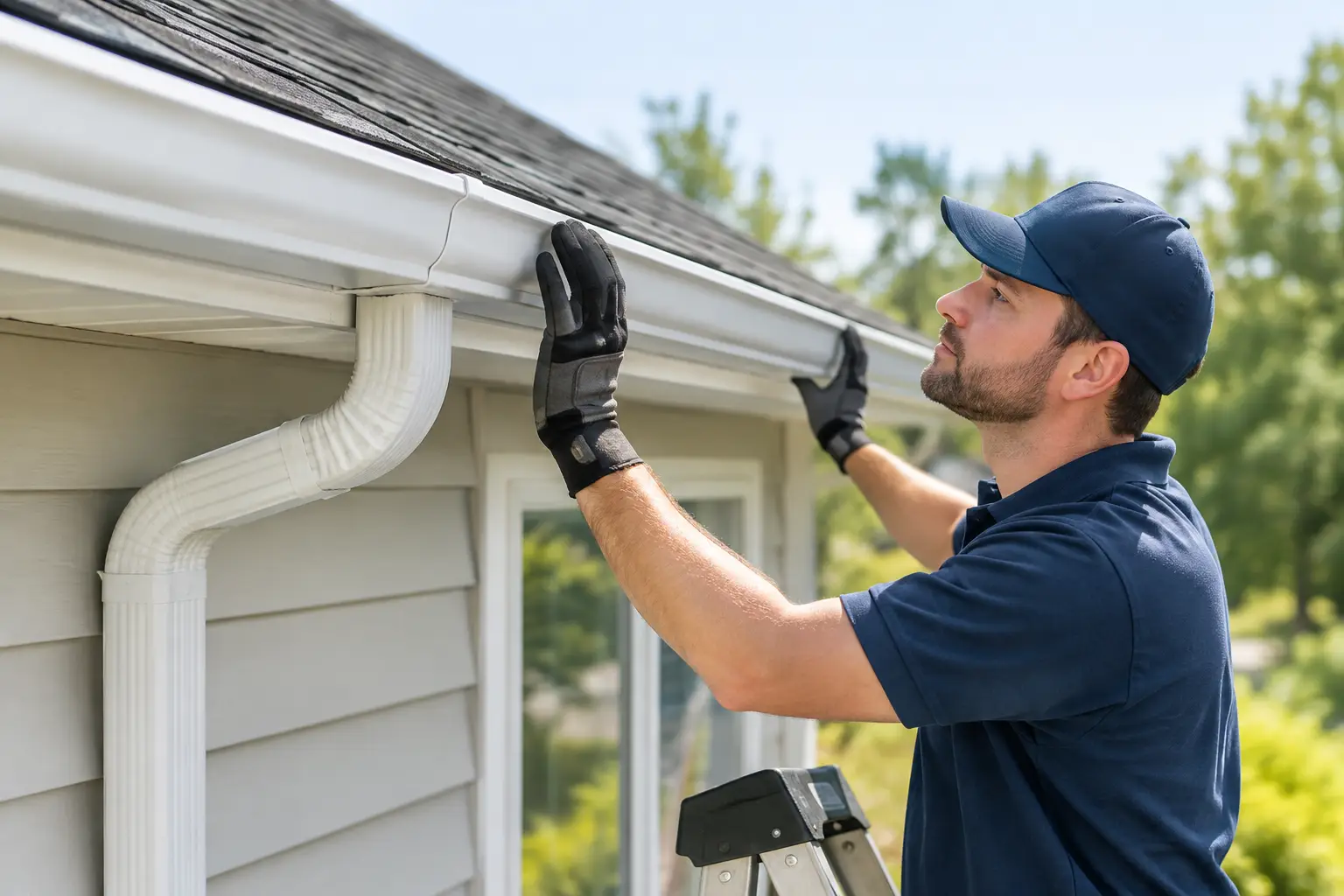
See a gutter replacement project example, from the first inspection to fitting new gutters, and learn what protects a Central Scotland home in winter.

Does roof ventilation reduce condensation? Learn when roof vents help, what causes loft moisture and how to protect your Central Scotland home this winter.