
October 8, 2026
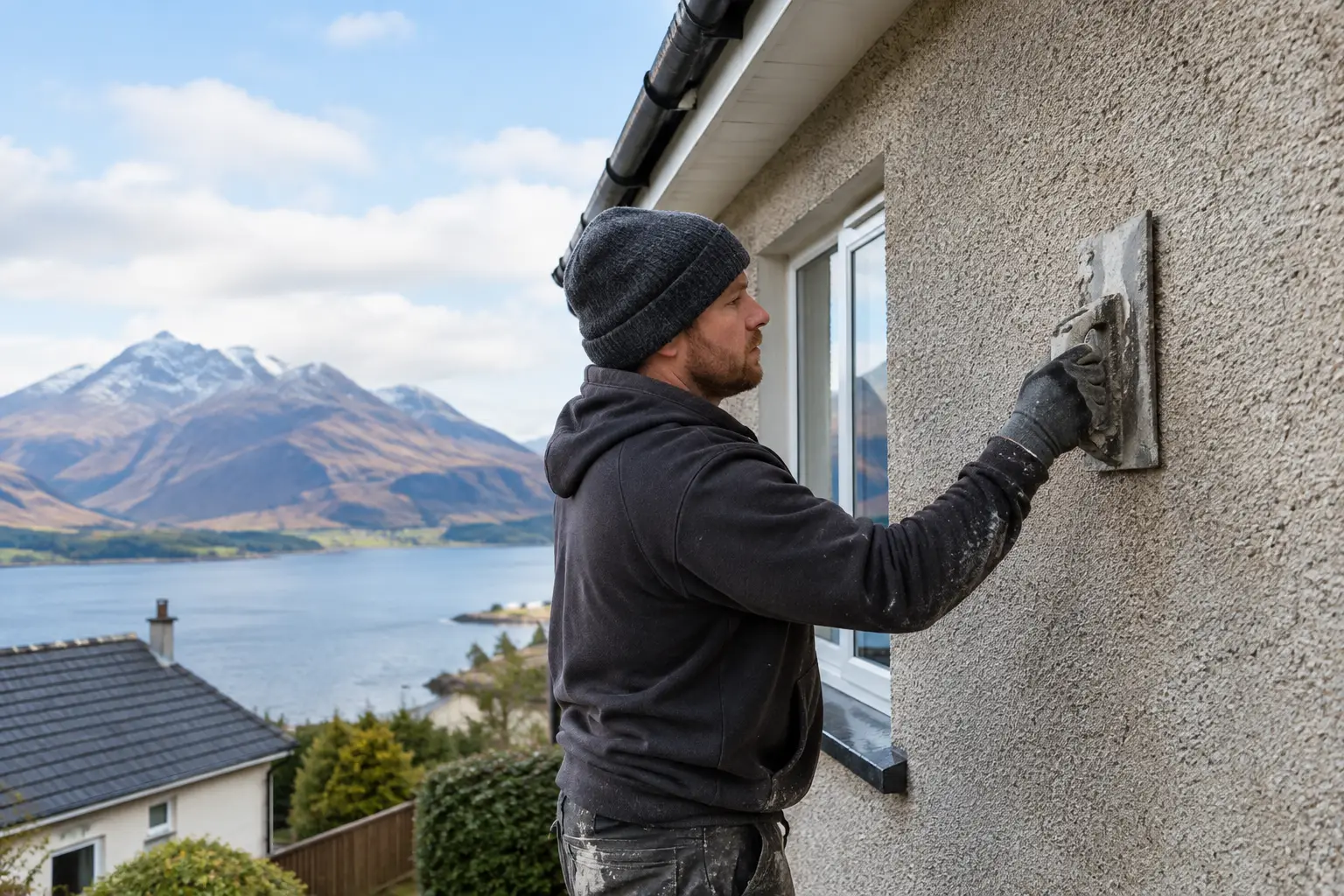
Is roughcasting worth it? See how this durable exterior finish protects Scottish homes, what affects the cost, and whether repair is enough for you...

A damp patch on the ceiling after heavy rain usually triggers the same question: how do I know if I need a roof repair or a full replacement? It is a fair concern, because the right decision can save you a lot of money, while the wrong one can lead to repeat problems, internal damage and a bigger bill later on.
The honest answer is that it depends on the age of the roof, the extent of the damage, the type of roofing system and whether the issue is isolated or part of a wider decline. A slipped tile after a storm is very different from a roof that has been patched several times and is now failing in multiple areas. The key is to look at the whole condition of the roof rather than just the most obvious symptom.
In simple terms, a repair is usually the better option when the damage is limited, the rest of the roof is still in sound condition, and the underlying structure has not been compromised. A full replacement becomes the more sensible route when problems are widespread, the roof is nearing the end of its service life, or repairs would only delay a larger failure.
That sounds straightforward, but roofs rarely fail in a perfectly neat way. A small leak may be coming from one broken tile, or it may be the first visible sign of worn underlay, failing flashings and years of weather exposure. That is why a proper inspection matters.
If your roof has suffered a recent, localised issue, repair work is often the most practical and affordable answer. This is common after strong winds, driving rain or frost damage, especially across Central Scotland where weather can be hard on roofs throughout the year.
One or two missing or cracked tiles can usually be replaced without disturbing the rest of the roof. Localised lead flashing issues around a chimney or dormer can also often be repaired effectively if the surrounding materials are still sound. The same goes for minor flat roof defects, such as a small split or isolated area of lifted membrane, provided the roof covering is otherwise in decent condition.
Repairs also make sense when the roof is relatively modern. If a roof has many years of life left, replacing the entire thing because of one section of damage would rarely be good value. In those cases, a targeted repair can restore weather protection quickly and keep costs under control.
Another good sign is when there is a clear, identifiable cause. If the leak started immediately after a storm and the damage can be traced to one specific area, that usually points towards repair rather than replacement.
There are times when repairing a roof becomes false economy. If issues are showing up in several areas at once, that is often a sign the roof system as a whole is wearing out.
Repeated leaks are one of the clearest warnings. If you have already paid for repairs more than once and water is still getting in, the problem may no longer be isolated. You may be dealing with widespread deterioration in the tiles, slates, underlay, battens or flashing details.
Roof age matters too. Different materials have different lifespans, but no roof lasts forever. If your roof is older and showing visible wear across large sections, replacement may be the more cost-effective choice over the medium to long term. Spending money on patching an ageing roof every year can add up quickly.
Sagging is another major concern. If the roofline appears uneven or dipped, that can point to structural movement, moisture damage in the timbers, or long-term failure beneath the outer covering. At that stage, cosmetic repairs on the surface will not deal with the real issue.
You should also take a full replacement seriously if there is widespread moss retention, crumbling mortar at the ridges or verges, recurring chimney flashing failure, or signs that the roof has simply reached the end of its useful life. On flat roofs, blistering, pooling water, cracking and multiple previous patch repairs can all indicate that a new system is the smarter option.
Many homeowners judge the roof by what they can see from ground level. That is understandable, but it only tells part of the story. The real condition of a roof often becomes clearer during close inspection.
A few slipped tiles may look minor, but if water has been getting in for some time, the battens may have rotted and the felt or membrane beneath may have deteriorated. Likewise, staining in the loft, wet insulation, mould or daylight showing through are strong signs that the roof is no longer doing its job properly.
This is why roof decisions should not be based on guesswork. Surface damage can be repaired. Deeper system failure usually points towards replacement.
Most people first ask whether repair is cheaper than replacement. In the short term, yes, it usually is. But the better question is whether the repair will genuinely solve the problem.
A modest repair bill can be good value if it gives you years of reliable performance. The same repair becomes poor value if it only buys a few months before another leak appears. That is where honest advice matters.
A full replacement is a bigger investment, but it can give you peace of mind, improved weather resistance, better appearance and a fresh guarantee. It may also prevent damage to ceilings, insulation, plasterwork and electrical fittings inside the property. For landlords and property managers, it can reduce the risk of recurring maintenance issues and tenant complaints.
Not all roofs should be judged the same way. Pitched slate and tile roofs often allow for isolated repairs if the main structure remains sound. Flat roofs can also be repaired, but once water ingress becomes widespread or the covering starts breaking down across the surface, replacement is often the better route.
Leadwork, chimneys, valleys, fascias and soffits can also affect the diagnosis. Sometimes the main roof covering is sound, but the leak is coming from defective lead flashing or poor water drainage. In that case, replacing the whole roof would be unnecessary. On the other hand, if several elements are failing together, a larger renewal project may make more sense than addressing each issue separately.
A proper roofing assessment should do more than point at the obvious damage. It should explain where the fault is, how far it extends, whether it is repairable, what the likely remaining lifespan of the roof is, and whether any internal or structural damage is present.
You should expect clear advice in plain language. If repair is enough, that should be stated. If replacement is recommended, you should be told why. Good roofing advice is not about pushing the biggest job. It is about matching the work to the condition of the roof and the budget of the property owner.
For homeowners in places such as Falkirk, Stirling, Larbert, Bonnybridge and across Central Scotland, local weather exposure is also part of the conversation. Roofs here deal with wind, driving rain, frost and seasonal wear, so recommendations need to reflect real site conditions rather than generic rules.
If water is actively entering the property, if sections of the roof look unstable, or if storm damage has left areas exposed, it is best not to leave it. Small roof problems have a habit of becoming joinery, plastering and insulation problems as well.
Even if you are unsure whether you need a roof repair or a full replacement, getting it checked early gives you more options. Emergency patching may stop immediate water ingress, but a follow-up inspection is what helps you decide the right long-term fix.
At Forth Valley Roofing, we always encourage property owners to act before minor damage becomes major expense. The best decision is the one based on the actual condition of the roof, not hope, guesswork or the cheapest quote on the day.
If your roof is leaking, ageing or showing visible signs of wear, the most useful next step is a clear inspection from a roofer who will tell you straight. Sometimes a repair is all you need. Sometimes replacement is the wiser investment. Either way, knowing where you stand puts you back in control.
Is roughcasting worth it? See how this durable exterior finish protects Scottish homes, what affects the cost, and whether repair is enough for you...
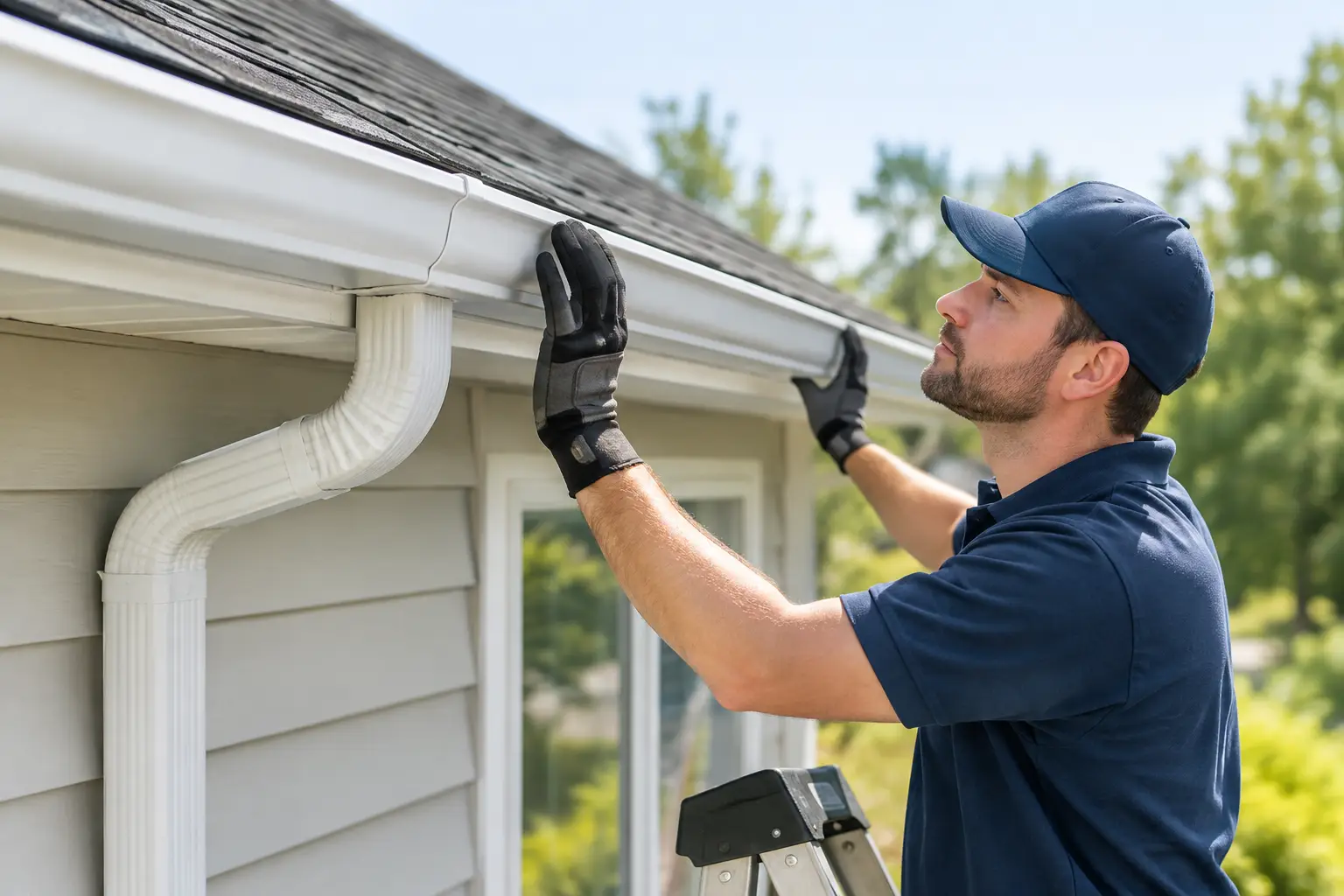
See a gutter replacement project example, from the first inspection to fitting new gutters, and learn what protects a Central Scotland home in winter.

Does roof ventilation reduce condensation? Learn when roof vents help, what causes loft moisture and how to protect your Central Scotland home this winter.