

October 10, 2026
A practical roughcast maintenance guide Scotland homeowners can use to spot damp, cracks and weather damage before repairs become more costly over winter.

Cracks in roughcast rarely start as a big problem. More often, it begins with a hairline split near a window, a patch that stays damp after rain, or loose render that sounds hollow when tapped. If you own a home in Scotland, where wind and driving rain put external walls under constant pressure, having a clear guide to roughcasting exterior walls can help you spot issues early and make better decisions about repairs or replacement.
Roughcasting is one of the most common wall finishes on homes across Central Scotland, and for good reason. Done properly, it protects the structure underneath, improves the look of a property, and stands up well to harsh weather. But like any external finish, it only performs well when the materials, preparation and application are right.
Roughcasting is an external wall finish made from a wet render coat, usually a mix of cement, lime, sand and water, with decorative stone or aggregate dashed onto the surface. Once cured, it forms a tough outer layer that helps shield masonry from rain and general weathering.
Its main job is protection, but appearance matters too. Roughcast gives walls a textured finish that can freshen up an older property and cover uneven surfaces better than plain paint. On many Scottish homes, it is part of the traditional look of the building rather than just a practical add-on.
That said, roughcasting is not a cure-all. If there are underlying structural cracks, water ingress from the roofline, or damaged pointing beneath the surface, roughcast should not be used to hide the problem. The wall needs to be assessed properly first.
For most homeowners, the key question is not how to throw render onto a wall. It is knowing when roughcasting is the right option, what standard of work to expect, and how to avoid paying for a finish that fails too soon.
A proper roughcasting job starts well before any render is mixed. The existing wall surface needs to be checked for loose material, cracks, damp issues and movement. If old render is blown or failing, it usually needs to come off. If the background is unstable, the new finish will only be as strong as the surface underneath.
Preparation matters just as much as the final coat. The wall may need cleaning, repairs to masonry, and a bonding or scratch coat to help the roughcast adhere. Beads are often fitted around openings and edges to keep lines neat and improve durability. Only after that should the top coat and aggregate be applied.
Weather conditions also play a bigger part than many people realise. In very wet, very cold or overly hot conditions, render can cure badly. In Scotland, timing and experience matter. A contractor who works regularly on external wall finishes locally will understand how to manage those conditions and when it is better to wait.
Roughcasting works well when the existing wall finish is badly worn, patch repairs are becoming too visible, or a property needs stronger weather protection. It is often a sensible option for older homes with tired external walls, especially where the surface has become uneven or unattractive over time.
It can also add value in a practical sense. A freshly roughcast home looks well maintained, and that makes a difference to buyers, tenants and anyone trying to keep on top of ongoing exterior upkeep. For landlords and property managers, it can reduce repeated maintenance compared with repainting poor-quality external surfaces every few years.
Still, it depends on the property. Some homes suit roughcast better than others, and planning or aesthetic considerations may come into play, particularly on older or more distinctive buildings. A smooth render or a more sympathetic repair might sometimes be the better route.
Not every problem means a full replacement is needed. Small localised cracks, minor impact damage and isolated blown patches can often be repaired if the surrounding finish is sound. The challenge is working out whether the issue is cosmetic or a sign of wider failure.
Common warning signs include cracking around doors and windows, bulging sections, loose or drummy areas, staining from trapped moisture, and pieces of roughcast breaking away. If you can see persistent damp inside the property on the corresponding wall, that needs investigating quickly.
Patch repairs can be cost-effective, but colour and texture matching is not always perfect, especially on older roughcast that has weathered over time. If several elevations are failing, or repairs have been carried out again and again, full replacement often makes more financial sense in the long run.
The size of the property is only one part of the price. Access is a major factor, particularly if scaffolding is needed or the house has awkward elevations, extensions or conservatories nearby. The condition of the existing wall is another big one, because preparation and removal work can add a fair amount to the labour involved.
Material choice matters too. Different aggregates create different finishes and costs, and some homeowners want a closer match to neighbouring properties or the original appearance of the house. Repairs to underlying brickwork or stonework will also affect the total.
The cheapest quote is not always the best value. Poor preparation, weak mixes or rushed application can leave you with cracking, detachment or water penetration far sooner than expected. A fair quote should be clear about preparation, repairs, scaffolding, materials, waste removal and what finish you are getting.
A well-applied roughcast finish can last for decades, but lifespan depends on workmanship, exposure and maintenance. A sheltered wall may stay in good condition much longer than one taking the full force of wind and rain year after year.
Properties in exposed parts of Falkirk and across Central Scotland often face more demanding conditions, so regular visual checks are worthwhile. Look at high-stress areas such as below guttering, around downpipes, at wall junctions and near window heads. Water from a leaking gutter can damage roughcast surprisingly quickly.
Routine care is fairly simple. Keep gutters and roof drainage working properly, deal with cracks early, and avoid letting climbing plants take over the wall. Gentle cleaning may help with surface staining, but aggressive pressure washing can do more harm than good.
This is where experience counts. If the base layers are sound and damage is isolated, a repair may be enough. If the surface is worn but still well bonded, recoating part of the system may be possible. If the existing roughcast is detached in multiple places or moisture is getting trapped behind it, starting again is usually the safer option.
There is a clear trade-off here. Repairs cost less upfront, but repeated patching on a failing wall can become false economy. Full replacement costs more at the start, yet it often gives a longer-lasting result and a more even appearance.
A good contractor should talk you through those options plainly. You should be told what has failed, why it has failed, and whether the proposed work is likely to last. If that explanation is missing, it is worth asking more questions before going ahead.
Roughcasting is one of those jobs where the finish can look simple from the ground, but getting it right takes proper trade knowledge. The wall background, the mix, the curing conditions and the consistency of the application all matter.
Look for a contractor with experience in external wall finishes, clear communication and insured workmanship. Ask whether preparation and repairs are included, what guarantee is provided, and whether they expect any matching issues if only part of the wall is being repaired. A free quote is useful, but what matters more is whether the advice is specific to your property rather than a one-size-fits-all sales pitch.
For homeowners who want a practical, local service, Forth Valley Roofing often sees roughcasting issues tied in with other exterior defects such as leaking gutters, roof edge problems and failed flashing. That joined-up view can be helpful because wall finishes do not fail in isolation very often.
The best roughcasting jobs are rarely the ones done fastest or cheapest. They are the ones where the wall was properly assessed, the preparation was not skipped, and the finish was applied with local weather and long-term performance in mind.
If your exterior walls are showing cracks, damp patches or loose roughcast, it is worth dealing with it before a small defect becomes a larger repair. A well-finished wall should not just look better from the street. It should give you confidence every time the rain starts.
A practical roughcast maintenance guide Scotland homeowners can use to spot damp, cracks and weather damage before repairs become more costly over winter.
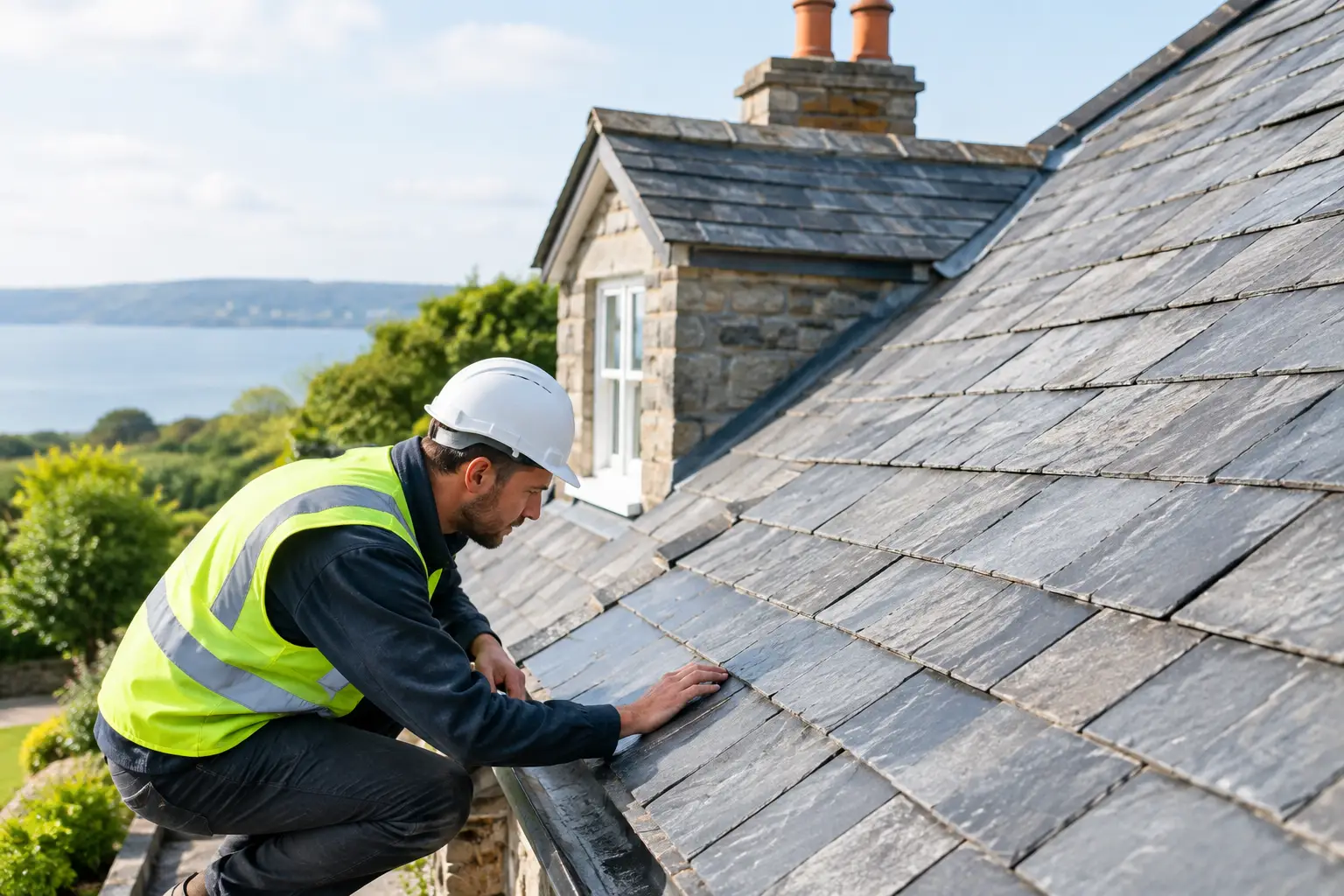
Learn how to assess heritage slate roofs, plan sympathetic repairs and protect a Central Scotland property from leaks, storm damage and costly disruption.
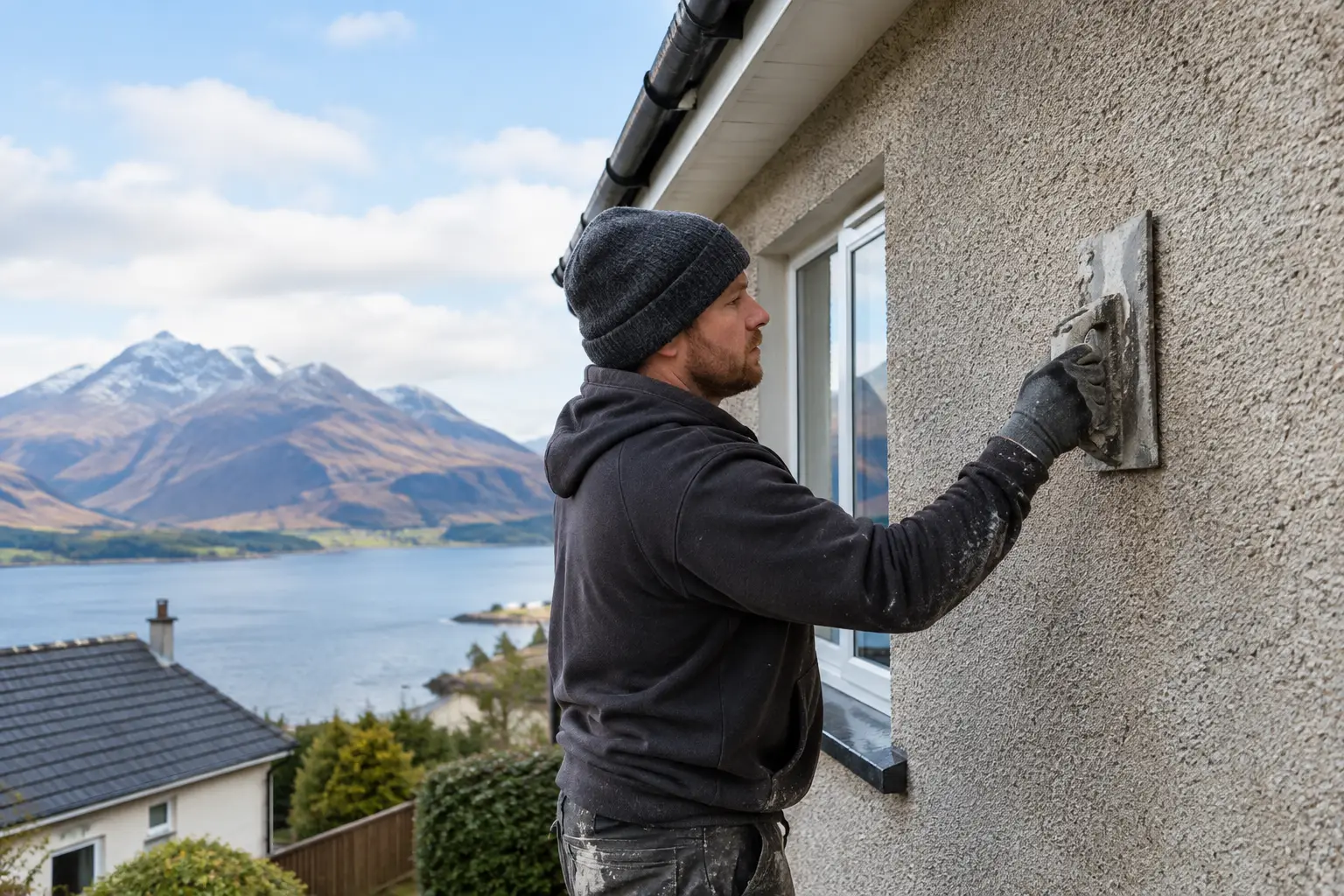
Is roughcasting worth it? See how this durable exterior finish protects Scottish homes, what affects the cost, and whether repair is enough for you...