October 9, 2026
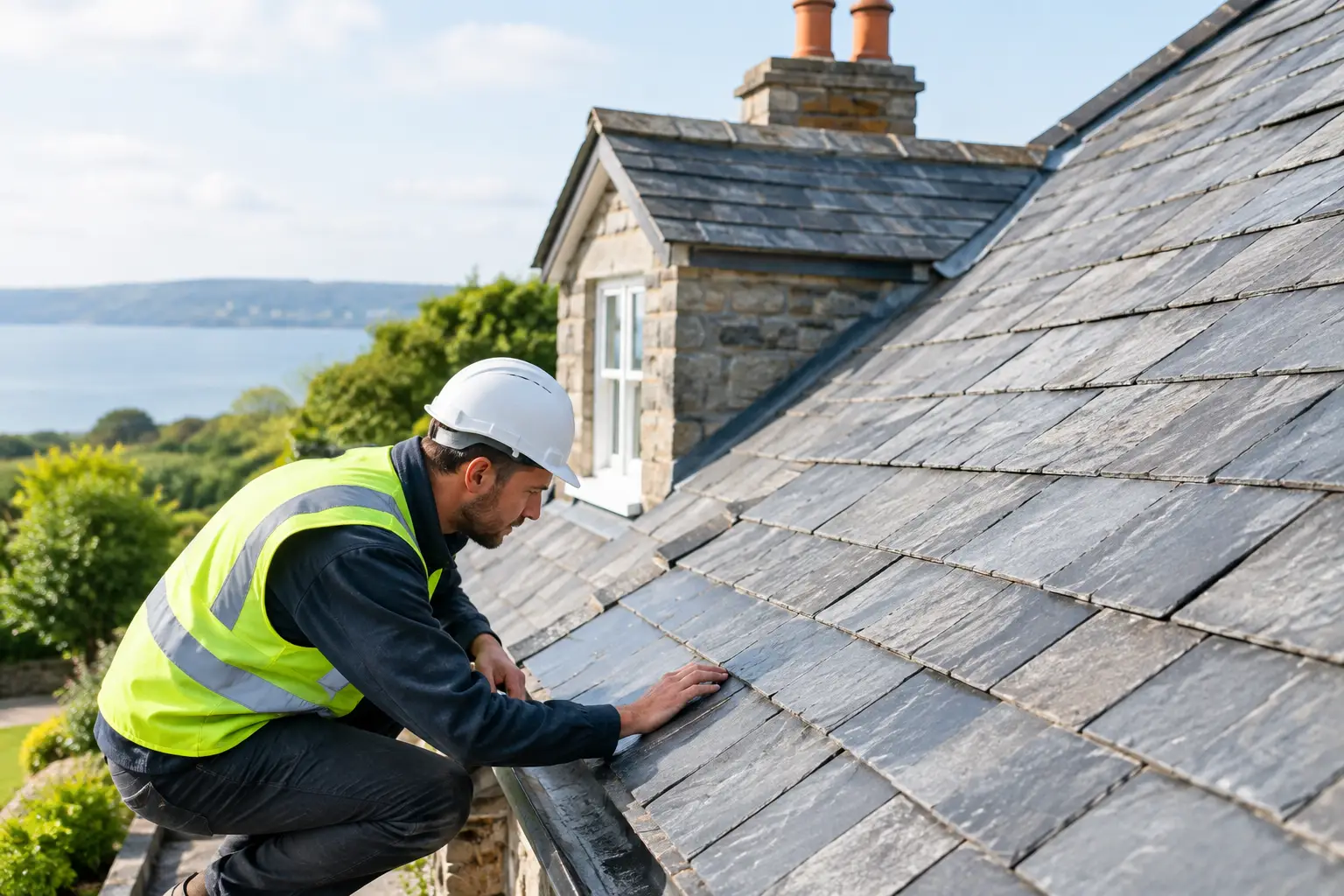
Learn how to assess heritage slate roofs, plan sympathetic repairs and protect a Central Scotland property from leaks, storm damage and costly disruption.

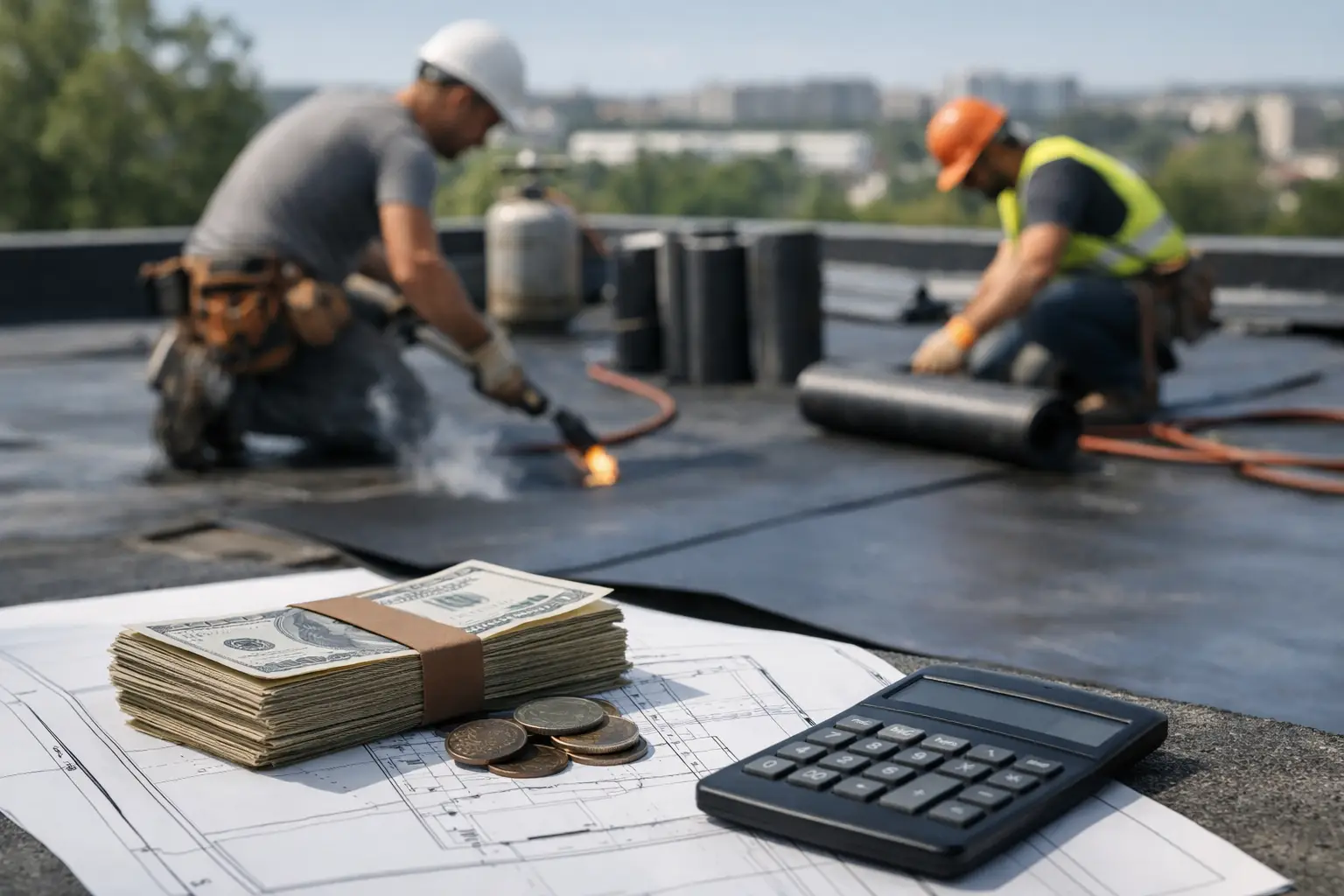
A leaking flat roof rarely waits for a convenient moment. One small split can turn into damp ceilings, damaged insulation and a repair bill that keeps growing, so it is no surprise that many homeowners ask how much does flat roof cost to replace before the problem gets any worse.
The honest answer is that flat roof replacement costs vary quite a bit depending on the roof size, the material you choose, the condition of the deck underneath and how easy the property is to work on. In Central Scotland, most people are not looking for a vague national average. They want a realistic idea of what they may actually pay, and what pushes the figure up or down.
For a typical flat roof on a garage, extension or small outbuilding, replacement often starts from around £1,200 to £2,500. For a larger extension roof or a more complex installation, costs can rise to £3,000 to £6,000 or more. Bigger commercial roofs or high-spec systems can go well beyond that.
That is a wide range, but there is a reason for it. A small single garage roof that is easy to access is a very different job from replacing a flat roof over a two-storey extension with old timber decking, multiple rooflights and poor drainage.
As a rough guide, many flat roof replacements are priced by square metre. In general, you might expect figures somewhere between £70 and £130 per square metre for straightforward work, though premium systems and extra remedial work can take that higher.
The biggest factor is size. A larger roof needs more material and more labour, so the overall cost rises with the square metreage. That said, very small roofs can sometimes look expensive per square metre because there is still setup time, waste disposal and labour involved.
Material choice matters as well. Felt remains a common option and can be cost-effective for many domestic properties. EPDM rubber is popular for its durability and clean finish. GRP fibreglass can suit certain roofs where a hard, seamless surface is preferred. Modern single-ply systems such as Fatra are also chosen for performance and longevity, especially where a more robust specification is needed. Each system has its own price point, lifespan and maintenance profile.
The condition of the roof beneath the surface is another major cost driver. If the decking is rotten, the insulation is saturated or the timber structure has started to fail, those issues need sorting before the new membrane goes on. This is where a cheap-looking quote can become expensive later if underlying problems have not been identified properly.
Access can also make a big difference. A flat roof over a rear extension with clear access from the garden is usually more straightforward than a roof above a conservatory, near power lines or in a tight city-centre location. If scaffolding is needed, that adds to the cost.
Finally, details around the roof edges matter more than many people realise. Upstands, flashings, outlets, parapet walls, drip trims and rooflights all take time and skill. The more detailing involved, the more labour goes into the job.
A garage flat roof is usually at the lower end of the price range because it is often easy to access and fairly simple in layout. If the structure is sound and the new covering can be fitted without major deck repairs, the cost is generally more manageable.
An extension flat roof often costs more. These roofs tend to be more visible, more important to the thermal performance of the home and sometimes more complicated due to lanterns, vents or connecting walls. If the room below is a main living space, many owners also choose a higher-performing system with improved insulation.
A dormer flat roof or bay roof can seem small, but the detailing can make it more specialised. Working at height, tying into existing slates or tiles and protecting nearby finishes all affect the price.
Commercial flat roofs are a different category again. The square metre rate may become more efficient on larger areas, but health and safety requirements, access planning, insulation standards and drainage design often make the overall project more involved.
Sometimes a repair is the sensible option. If the roof is relatively new and the issue is localised, patching a split seam, resealing an edge or replacing a damaged section may give you several more years of service.
If the roof is older, leaking in more than one place or showing signs of widespread wear, replacement is often better value. Spending money on repeated repairs to a flat roof that is at the end of its life can become a false economy. You pay for call-outs, temporary fixes and interior damage while still ending up needing a full replacement later.
A proper inspection helps here. The key question is not just whether the leak can be stopped today, but whether the roof is still fundamentally sound.
A clear quote should tell you more than just the final price. It should explain what system is being installed, whether the old roof covering is being removed, what happens if rotten decking is found and whether insulation upgrades are included.
You should also expect details on waste removal, edge trims, flashings and any access equipment required. If one contractor is much cheaper than the others, it is worth checking whether they have left out important parts of the job rather than simply offering better value.
Guarantees matter too. Workmanship guarantees and insurance-backed reassurance help you know where you stand if there is a problem after the job is complete. A dependable roofer should be able to explain the expected lifespan of the system and what kind of maintenance, if any, is recommended.
The best way to manage cost is to act before a small issue becomes structural damage. Once water gets into timber, insulation and plasterboard, the job usually expands beyond the roof covering itself.
It also helps to choose the right system for the building rather than simply the cheapest one on paper. A lower upfront price does not always mean lower long-term cost. If a more durable material gives you a longer service life and fewer repair issues, it may be the better investment.
Comparing like-for-like quotes is essential. Make sure each roofer is pricing the same specification, similar materials and the same scope of work. Without that, the numbers can be misleading.
For local property owners, using an established roofing company with experience across flat roofs, repairs and replacements usually gives a more realistic quote from the start. At Forth Valley Roofing, that practical approach matters because customers need straight answers, solid workmanship and no surprises halfway through the job.
Some warning signs are obvious, such as persistent leaks, sagging areas or visible splits in the surface. Others are easier to miss. Blistering, standing water that does not drain properly, recurring damp patches and repeated repair history can all suggest that the roof is nearing the end of its life.
Age is another clue. Even if the roof is not actively leaking today, older coverings often become brittle, less watertight and more vulnerable during heavy rain, frost and wind. In Scotland, where roofs take a fair amount of weather, deterioration can move quickly once it starts.
If you are planning to sell, let or refurbish a property, replacing a failing flat roof can also prevent bigger headaches later. It is one of those jobs that protects the value of the building as much as the inside of it.
If you are trying to plan ahead, a sensible starting budget for a straightforward domestic flat roof replacement is often in the low thousands rather than the hundreds. For a small simple roof, you may pay less. For a larger roof with insulation upgrades, deck replacement or access complications, the cost can climb quickly.
That is why site-specific quotes matter. Until the roof is measured properly and the existing condition is assessed, any figure is only a guide. The good news is that a professional survey should give you a much clearer picture of both the immediate cost and the long-term value of the work.
A flat roof is not something most people replace often, so it pays to get it done properly once, with the right materials and the right advice for the property. A clear quote, honest recommendations and workmanship you can rely on will always matter more than the lowest number on the page.
Learn how to assess heritage slate roofs, plan sympathetic repairs and protect a Central Scotland property from leaks, storm damage and costly disruption.
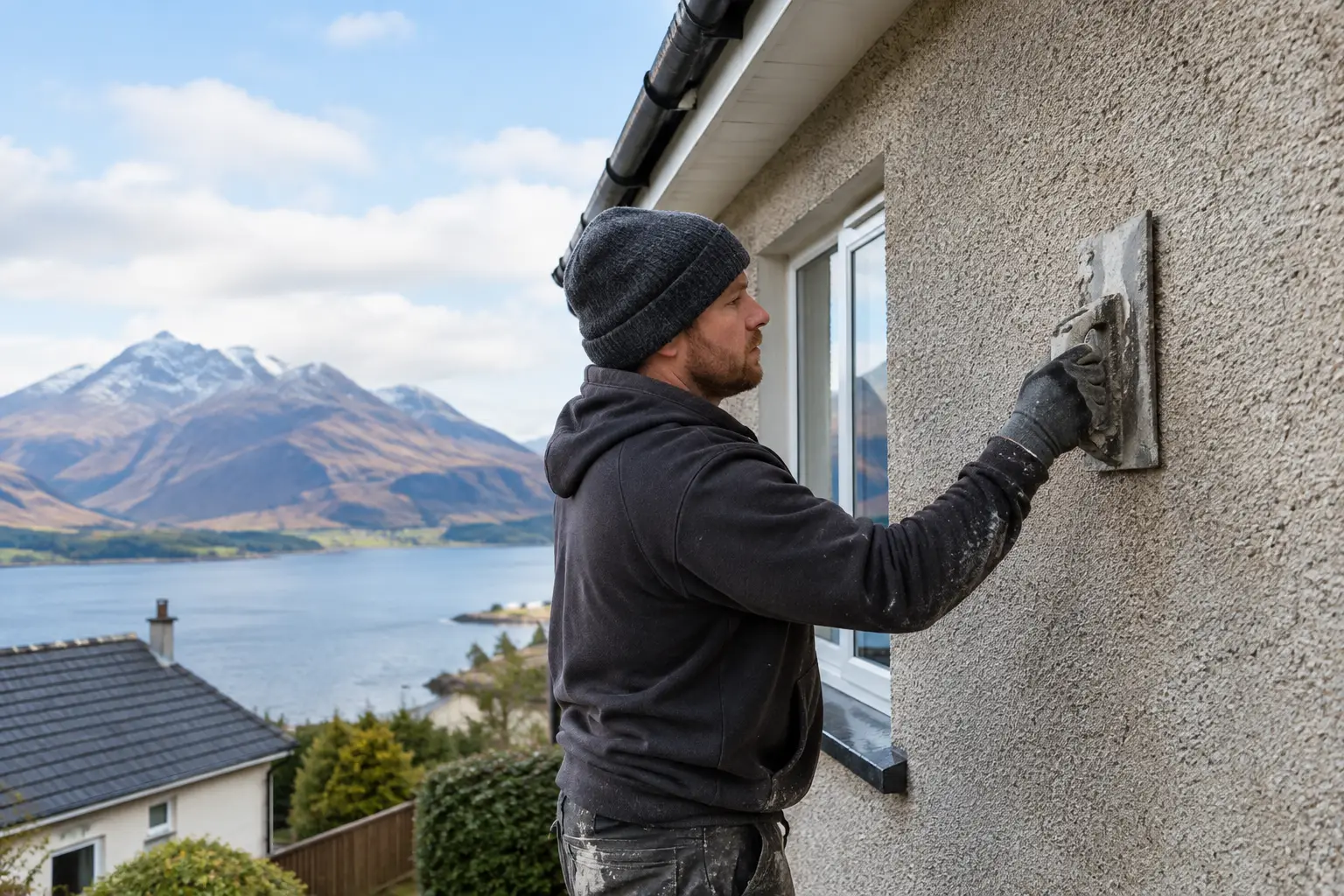
Is roughcasting worth it? See how this durable exterior finish protects Scottish homes, what affects the cost, and whether repair is enough for you...
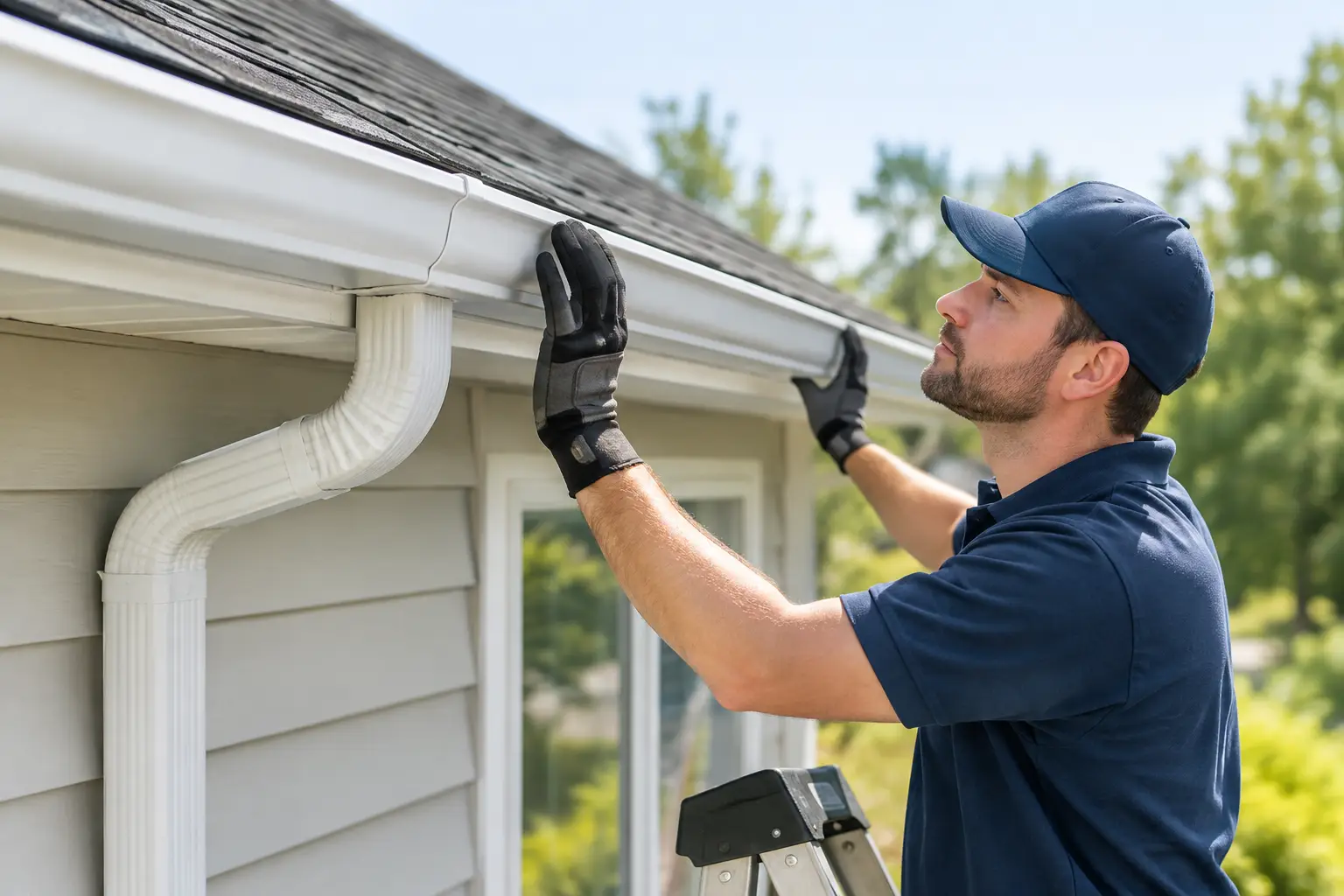
See a gutter replacement project example, from the first inspection to fitting new gutters, and learn what protects a Central Scotland home in winter.