

October 10, 2026
A practical roughcast maintenance guide Scotland homeowners can use to spot damp, cracks and weather damage before repairs become more costly over winter.

A roof leak at 10pm, slates on the ground after high winds, or water spreading across a bedroom ceiling changes the question quickly. You do not just need a roofer – you need the best emergency roofer Falkirk homeowners can trust to assess the problem properly, make the property safe and explain what happens next.
The right emergency contractor will not promise miracles over the phone or pressure you into a full replacement before inspecting the roof. They will focus first on stopping further damage safely, then give clear advice on the repair required. That distinction matters when your home, tenants or business premises are exposed to the Scottish weather.
When a roof problem appears, it is natural to want to investigate straight away. Please do not climb onto the roof, particularly in rain, wind, darkness or icy conditions. A missing slate may look straightforward from the ground, but damaged battens, loose ridge tiles and wet surfaces can turn a small repair into a serious accident.
From inside the property, move valuables away from the leak and place a suitable container beneath dripping water. If water is close to light fittings or electrical wiring, switch off the electricity at the consumer unit only if it is safe to do so, and seek electrical advice. A bulging ceiling can hold a significant amount of water, so keep clear of the area rather than attempting to puncture it yourself.
Outside, keep family members, neighbours and vehicles away from any area where tiles, slates, leadwork or guttering may fall. If the damage has created an immediate risk to people or the public, contact the relevant emergency services. For most roof failures, a reputable emergency roofer can then attend, inspect the issue and advise on the safest course of action.
Not every defect needs an out-of-hours call, but waiting is rarely sensible when water is getting into the building or parts of the roof are loose. Emergency roofing work commonly involves storm-damaged slates and tiles, failed flashing around chimneys, punctured flat roofs, damaged ridge or verge mortar, fallen guttering, and leaks around roof windows or valleys.
A small stain on a ceiling may not look urgent, yet it can indicate water travelling along timbers before reaching the room below. Equally, one displaced tile after a storm can expose the underlay and roof structure to repeated rain. Early action often means a targeted repair rather than damaged insulation, timber rot, plaster repairs and a much larger bill.
There are occasions where a temporary repair is the sensible answer. If heavy rain or high winds make permanent work unsafe, an emergency roofer may secure loose materials, install a temporary weatherproof covering or make a local repair that limits water ingress. The permanent repair can then be completed when conditions allow. That is responsible roofing practice, not a shortcut.
Urgency should not mean accepting vague answers or unclear prices. A good local roofer will communicate plainly, ask useful questions and give you confidence that the work is being handled correctly.
Before recommending major works, a contractor should inspect the affected area where safe to do so. They should explain the likely source of the leak or damage, what needs immediate attention and whether further work is advisable once the roof has dried or been examined in daylight.
Be cautious of anyone who identifies a complete roof replacement from the pavement, without a meaningful inspection. Some ageing roofs do need replacing, but an emergency should be assessed on its own facts. A failed flashing detail, cracked slate or blocked valley may be repairable without replacing the whole roof.
Ask whether photographs can be provided. Clear before-and-after images are particularly helpful for landlords, property managers and homeowners who cannot safely view the roof themselves. They also make it easier to understand exactly what you are paying for.
Roofing is specialist work carried out at height. Ask whether the contractor is insured and what guarantee applies to the workmanship. A guarantee should be explained in practical terms: what it covers, how long it lasts and whether it applies to the specific repair or only to a larger installation.
The written scope matters too. It should set out the affected area, materials being used, labour involved and whether waste removal is included. For a temporary repair, it should be clear that further work may be needed and why. Straight answers at this stage prevent misunderstandings later.
A contractor who works regularly across Falkirk will understand the roof types seen locally, from traditional slate roofs to tiled extensions, garage flat roofs and more modern systems. Local knowledge is useful when tracing recurring problems around chimneys, valleys, roughcast walls, gutters and older roof details.
Reviews can also be useful, but read beyond the star rating. Look for comments about arriving as agreed, keeping customers informed, leaving the site tidy and resolving the issue rather than simply covering it over. Emergency work is as much about reliability and communication as it is about the repair itself.
An emergency call-out may cost more than planned work because it requires rapid attendance, safe access arrangements and potentially temporary protection. That said, you should still receive a clear explanation of charges. If the full extent of the damage cannot be confirmed immediately, the contractor should distinguish between the emergency work completed and any recommended follow-on repair.
The cheapest quote is not always the best value. Poorly fitted lead flashing, unsuitable patch materials or rushed tile repairs can fail in the next spell of bad weather. A sound repair using appropriate materials and proper fixing methods is usually the more economical choice over time.
A short conversation can tell you a great deal about the contractor you are considering. Ask what they believe has caused the problem, whether they can make the area safe today, and whether the repair is temporary or permanent. It is also reasonable to ask how they will access the roof, whether scaffolding may be required and what disruption to expect.
If you manage a rental property, ask for photographs and a written record of the work. If the property is commercial, confirm whether access, working hours or protection for customers and staff needs to be planned. The best emergency roofer will adapt the job around the property rather than treating every roof as the same.
Some roofing emergencies cannot be predicted, especially after severe weather. Others develop slowly. Loose mortar, worn leadwork, overflowing gutters and cracked flat-roof coverings often provide warning signs before water enters the property.
A periodic roof and gutter check is particularly worthwhile after winter and after major storms. From ground level, look for slipped slates, uneven ridge lines, sagging gutters, vegetation in valleys, staining on external walls and debris around downpipes. These signs do not diagnose the fault on their own, but they are a good reason to arrange a professional inspection.
Do not overlook the edges of the roof. Fascias, soffits and gutters control how rainwater leaves the building, while chimney flashings and pointing protect common weak points. Keeping these elements in good condition reduces the pressure placed on the roof during prolonged rain.
When water is coming through the ceiling or the wind has lifted roof materials, fast action matters. Take sensible safety steps, record visible damage from the ground if you can do so safely, and choose a contractor who will assess the roof honestly rather than sell from fear.
Forth Valley Roofing provides emergency roofing support across Falkirk, with practical advice, insured workmanship and a five-year guarantee on completed work. The aim should always be simple: make the property safe, stop the damage worsening and give you a clear route to a lasting repair.
A practical roughcast maintenance guide Scotland homeowners can use to spot damp, cracks and weather damage before repairs become more costly over winter.
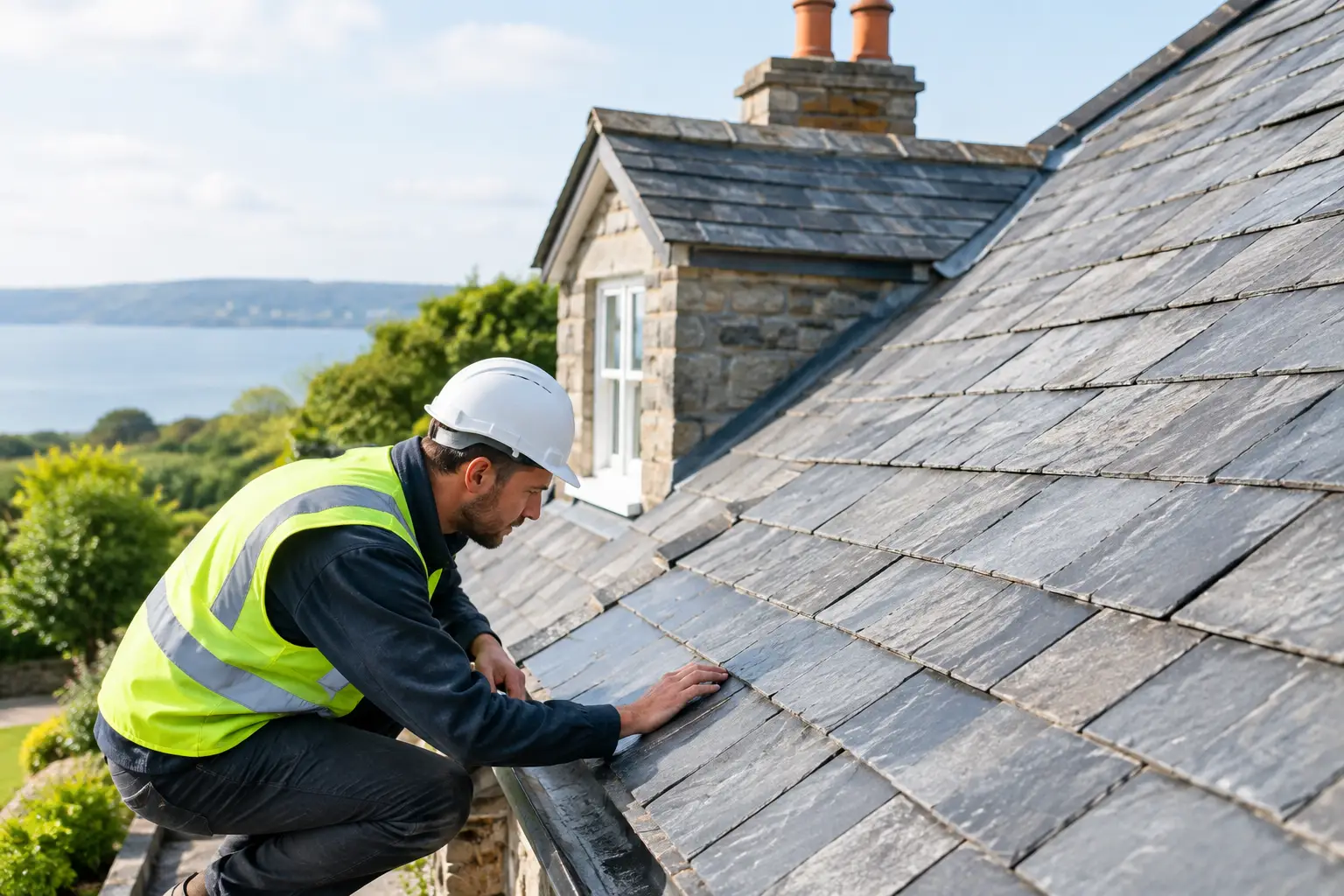
Learn how to assess heritage slate roofs, plan sympathetic repairs and protect a Central Scotland property from leaks, storm damage and costly disruption.
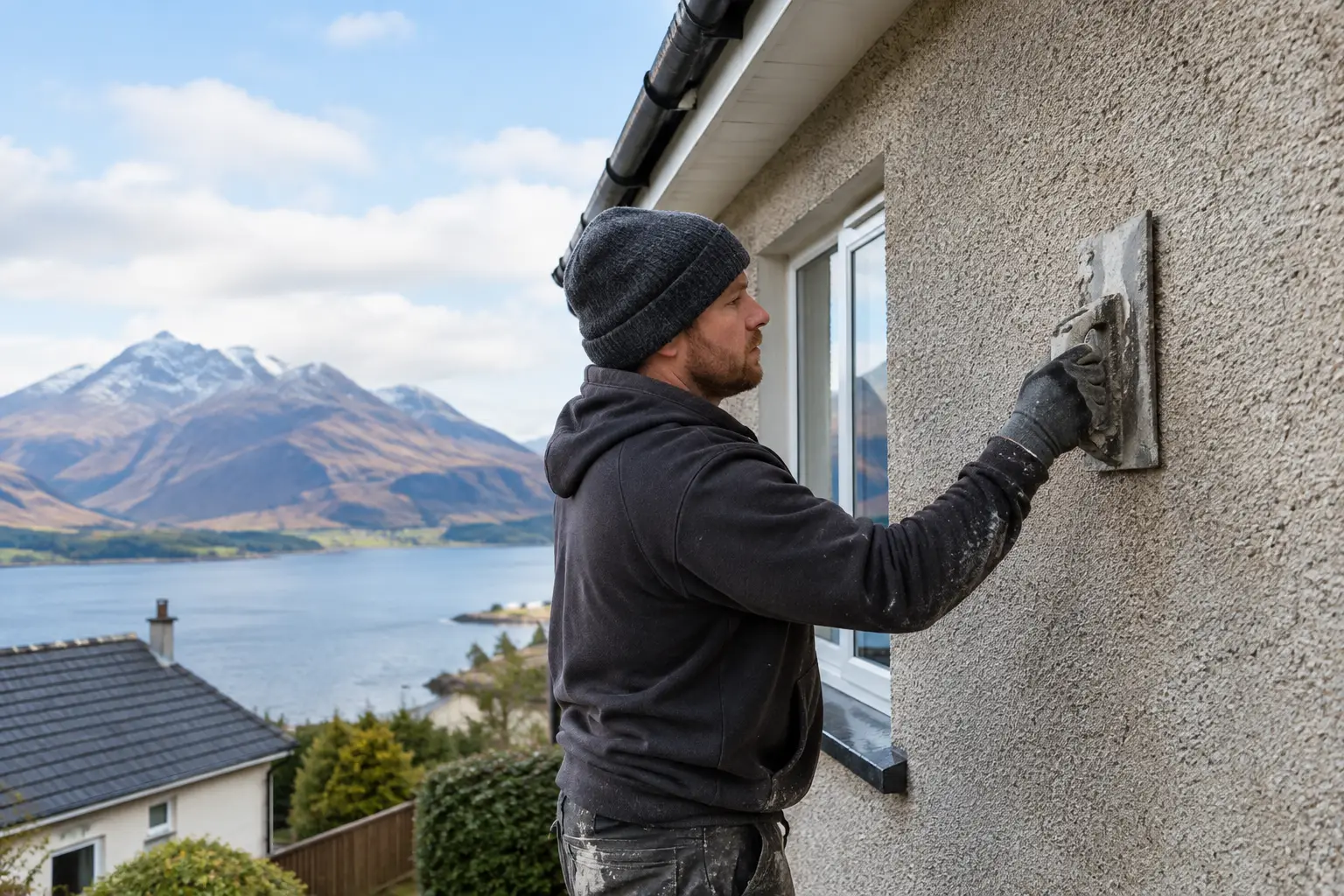
Is roughcasting worth it? See how this durable exterior finish protects Scottish homes, what affects the cost, and whether repair is enough for you...