
October 9, 2026
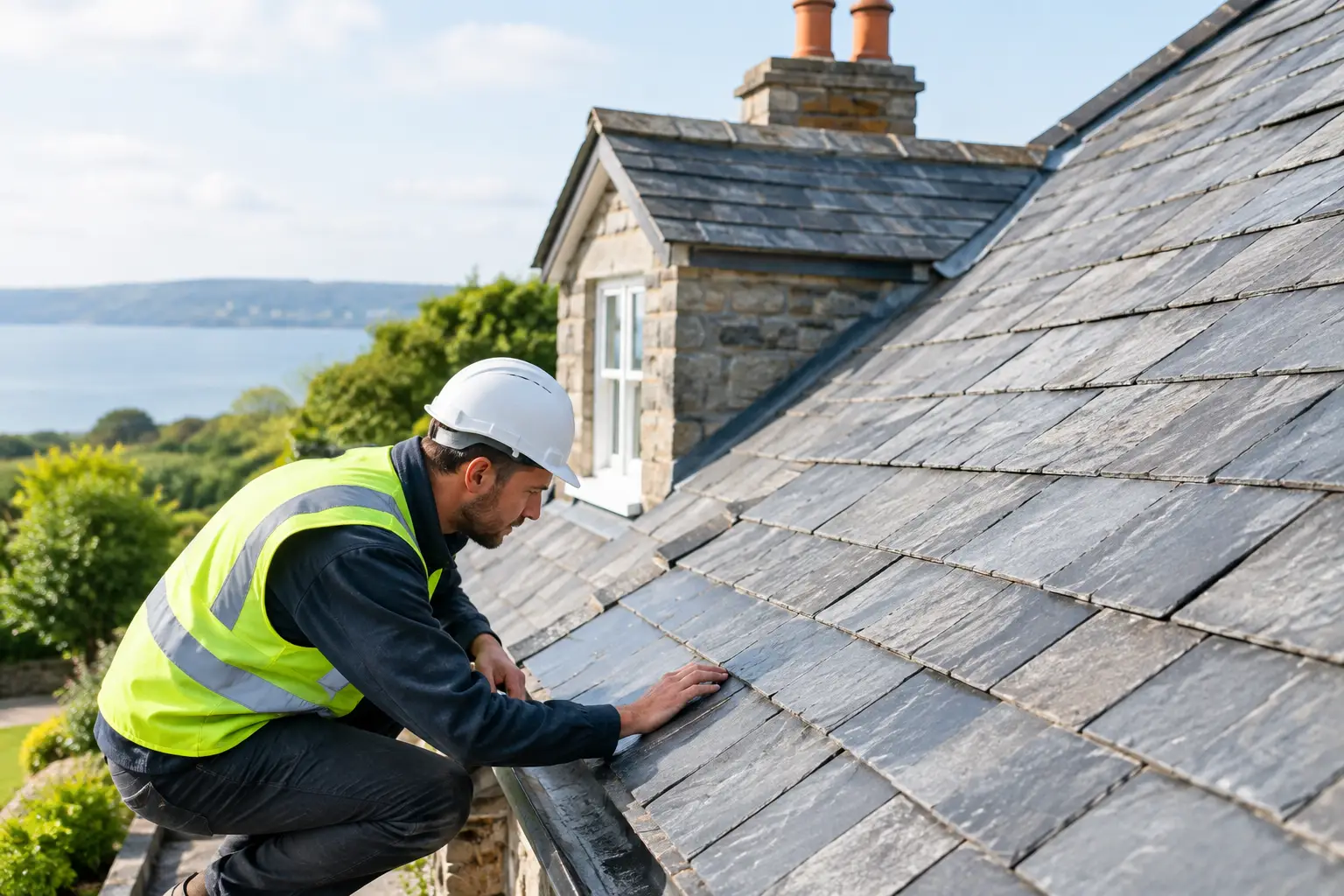
Learn how to assess heritage slate roofs, plan sympathetic repairs and protect a Central Scotland property from leaks, storm damage and costly disruption.

A roof problem rarely starts with water pouring through the ceiling. More often, it begins with a cracked tile after high winds, a lifted flashing around the chimney, or a blocked gutter forcing rainwater back where it should never go. That is exactly why the importance of regular roof inspections for Falkirk homeowners should not be overlooked. In this part of Scotland, where heavy rain, strong winds and cold snaps are part of normal life, small roofing faults can turn into expensive repairs faster than most people expect.
Many homeowners only think about the roof when there is an obvious leak. By that stage, the issue has often moved beyond the outer covering and started affecting timbers, insulation, plasterwork or internal decoration. A routine inspection gives you the chance to catch wear early, plan repairs properly and avoid the stress of dealing with damage during bad weather.
Falkirk properties deal with a mix of weather conditions that put steady pressure on roofing materials throughout the year. Rain, wind-driven debris, moss growth and temperature changes all play their part. Even a well-built roof will not stay in perfect condition indefinitely, and different roofing systems age in different ways.
Pitched roofs may develop slipped or broken tiles. Flat roofs can suffer from ponding water, seam failure or surface wear. Leadwork around chimneys and valleys can split or loosen over time. Gutters and downpipes can block, overflow or pull away from the property. None of these issues necessarily look urgent at first, but each one can allow moisture in if left unresolved.
Regular inspections matter because roofs usually fail gradually, not all at once. When a roofer checks the condition of the covering, flashings, ridges, gutters and key junctions, they can spot the early signs before you end up facing a larger repair bill. For homeowners, landlords and property managers, that is often the difference between a manageable maintenance job and a disruptive emergency.
A proper inspection is not just a quick glance from ground level. It is about checking the parts of the roof most likely to wear or loosen first, and understanding how one fault can affect another area.
Broken or missing slates and tiles are one of the most common findings, especially after storms. A single damaged section may seem minor, but it can expose the underlay and battens to repeated water ingress. Over time, that can lead to rot, internal damp patches or weakened roof structure.
Chimney flashings are another common weak point. The lead around a chimney stack needs to stay secure and weather-tight. If it lifts or cracks, water can track into the roof space without immediately showing obvious signs indoors. By the time staining appears on an upstairs ceiling, the problem may have been developing for months.
Flat roofs need careful checking too. Blistering, splits, worn coverings and standing water all need attention. Some flat roof issues can be repaired early at sensible cost, but if they are ignored, a larger section may eventually need replacement.
Then there is rainwater management. Gutters, downpipes and fascias are part of the roof’s defence system. When gutters are blocked with moss and debris, water can overflow onto walls, soffits and roof edges. That can create damp problems that homeowners do not always connect to the roof straight away.
There is a common assumption that no leak means no problem. In practice, roofs can deteriorate for quite a while before water becomes visible indoors. Moisture often travels along timbers, under felt or through cavity areas before it appears where you can actually see it.
That delay is what makes reactive roofing more expensive. Instead of paying for a straightforward tile repair or flashing fix, you may be dealing with damaged insulation, stained ceilings, rotten timber or mould in the loft. You may also need urgent work carried out during poor weather, which is never ideal for planning or budget.
There is also the question of disruption. A small scheduled repair is far easier to manage than an emergency call-out when rain is already getting into the property. For families, landlords with tenants, or anyone responsible for an older home, prevention is usually the more practical route.
There is no single answer that suits every property. It depends on the roof’s age, the materials used, nearby trees, past repair history and how exposed the house is to wind and weather.
As a sensible rule, most homes benefit from a professional roof inspection every year, with an additional check after severe storms. Older roofs, properties with recurring issues, and homes with large trees nearby may need closer monitoring. Flat roofs also tend to benefit from more regular attention because drainage and surface wear can change quickly.
For newer roofs, inspections are still worthwhile. A newer installation is less likely to have widespread wear, but that does not mean it is immune from storm damage, movement around roof details or blocked gutters. Regular checks help protect the life of the roof from the start.
This is one area where location really matters. Falkirk homeowners are not dealing with roofing conditions in a mild, dry part of the country. Wind and rain are regular features here, especially through autumn and winter, and freeze-thaw conditions can make small cracks or weak points worse.
That means roof maintenance in Falkirk is not just about appearance. It is about protecting the structure of the home from the kind of weather exposure that can exploit minor faults very quickly. A tile loosened by one storm may not cause a visible issue immediately, but the next spell of heavy rain can be enough to push the problem further.
Homes in more exposed spots, or those with older chimneys and traditional roofing materials, can be particularly vulnerable. In those cases, regular inspections are less of an optional extra and more of a sensible part of ongoing property care.
One of the most practical benefits of roof inspections is financial clarity. Roofing problems become stressful when they arrive as a surprise. If a roofer identifies early wear, you have time to understand the issue, weigh up your options and schedule repairs before the situation becomes urgent.
That matters for homeowners trying to spread maintenance costs sensibly. It also matters for landlords and property managers, where delayed roofing work can affect tenants, insurance discussions and wider property condition.
Not every issue found during an inspection needs immediate major work. Sometimes the right decision is a small repair now and continued monitoring. Sometimes a roof is approaching the stage where replacement makes more financial sense than repeated patching. The value of inspection is that you can make that choice based on the actual condition of the roof, rather than guessing from the ground.
A roof inspection is only as useful as the advice that comes with it. Homeowners need clear, honest feedback in plain language, not vague warnings or pressure to commit on the spot.
A dependable local roofing company should explain what they have found, which issues are urgent, which can be monitored, and what repair options are available. They should also be properly insured and able to carry out work to a good standard if repairs are needed. If a guarantee is offered on the workmanship, that adds further reassurance.
For many homeowners in Falkirk, there is real value in dealing with a local firm that understands the housing stock in the area and the kind of weather-related problems that come up repeatedly. That local knowledge often helps with practical recommendations rather than one-size-fits-all advice.
Your roof does a quiet job until something goes wrong, and by then the damage often reaches further than the roofline itself. Regular inspections are not about creating unnecessary work. They are about spotting the kind of minor defects that can otherwise grow into leaks, damp, structural decay and avoidable expense.
If your roof has not been checked in some time, arranging an inspection is a sensible step. For Falkirk homeowners, it is one of the simplest ways to protect the property, stay ahead of repairs and keep bigger problems from taking hold.
Learn how to assess heritage slate roofs, plan sympathetic repairs and protect a Central Scotland property from leaks, storm damage and costly disruption.
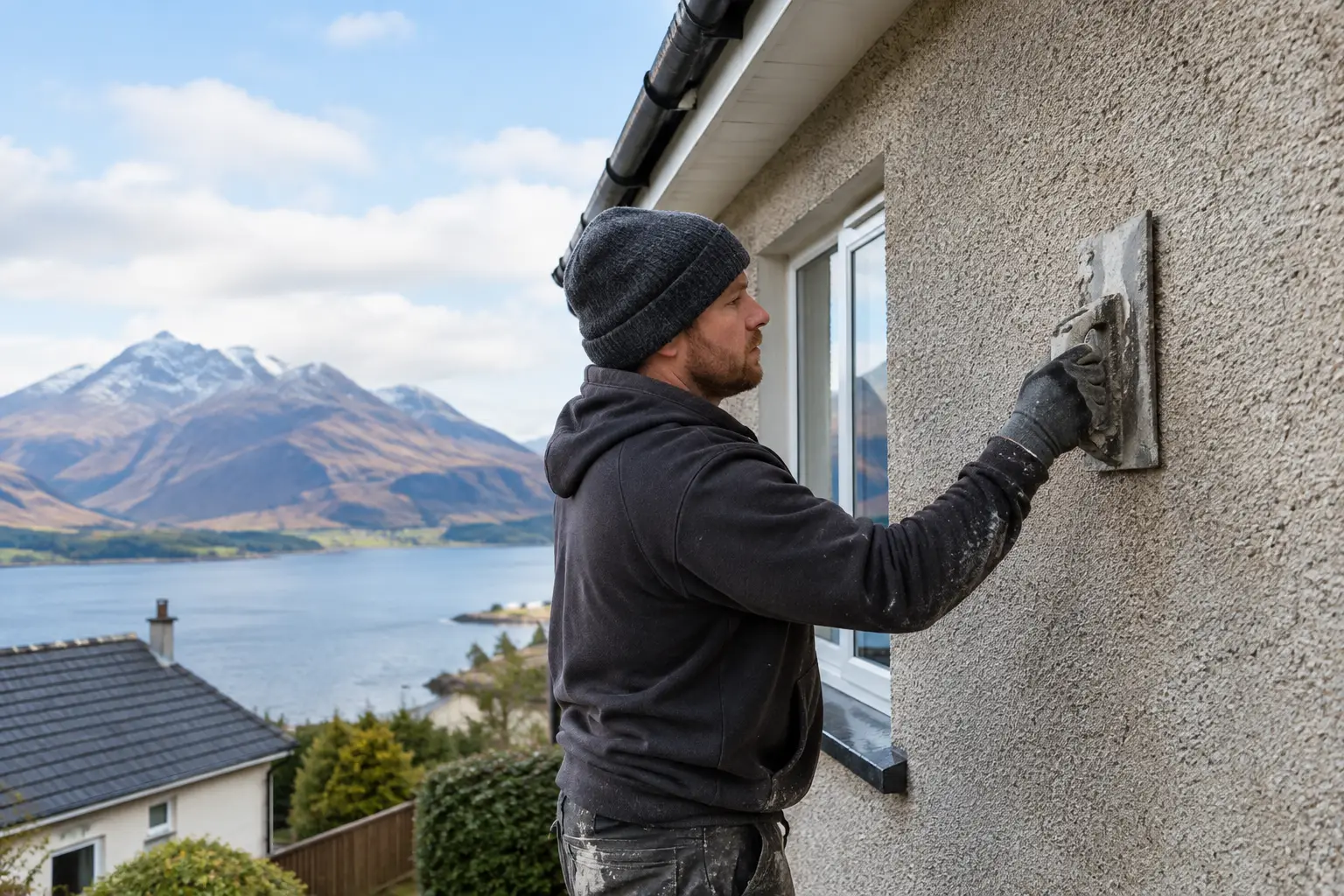
Is roughcasting worth it? See how this durable exterior finish protects Scottish homes, what affects the cost, and whether repair is enough for you...
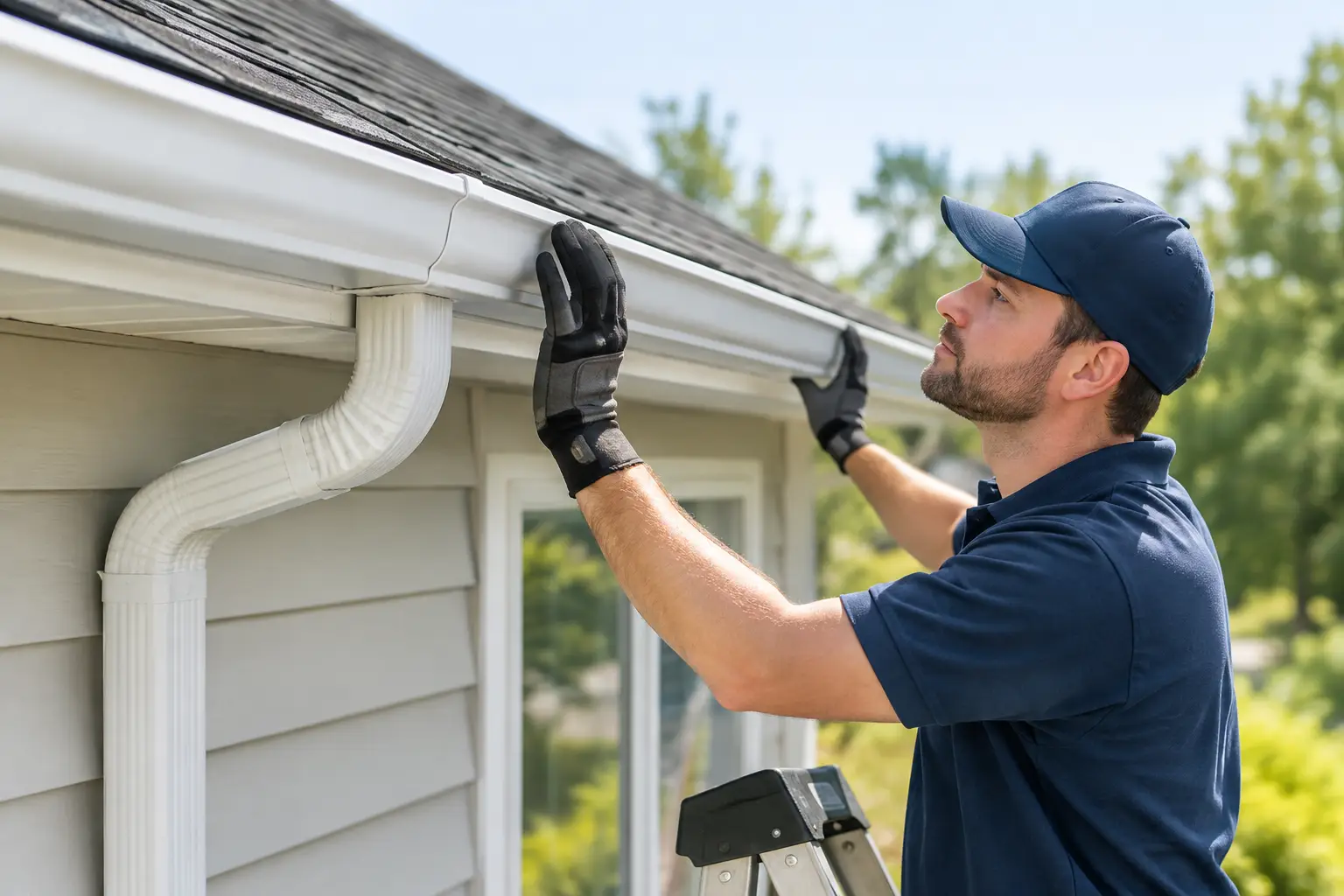
See a gutter replacement project example, from the first inspection to fitting new gutters, and learn what protects a Central Scotland home in winter.