October 8, 2026
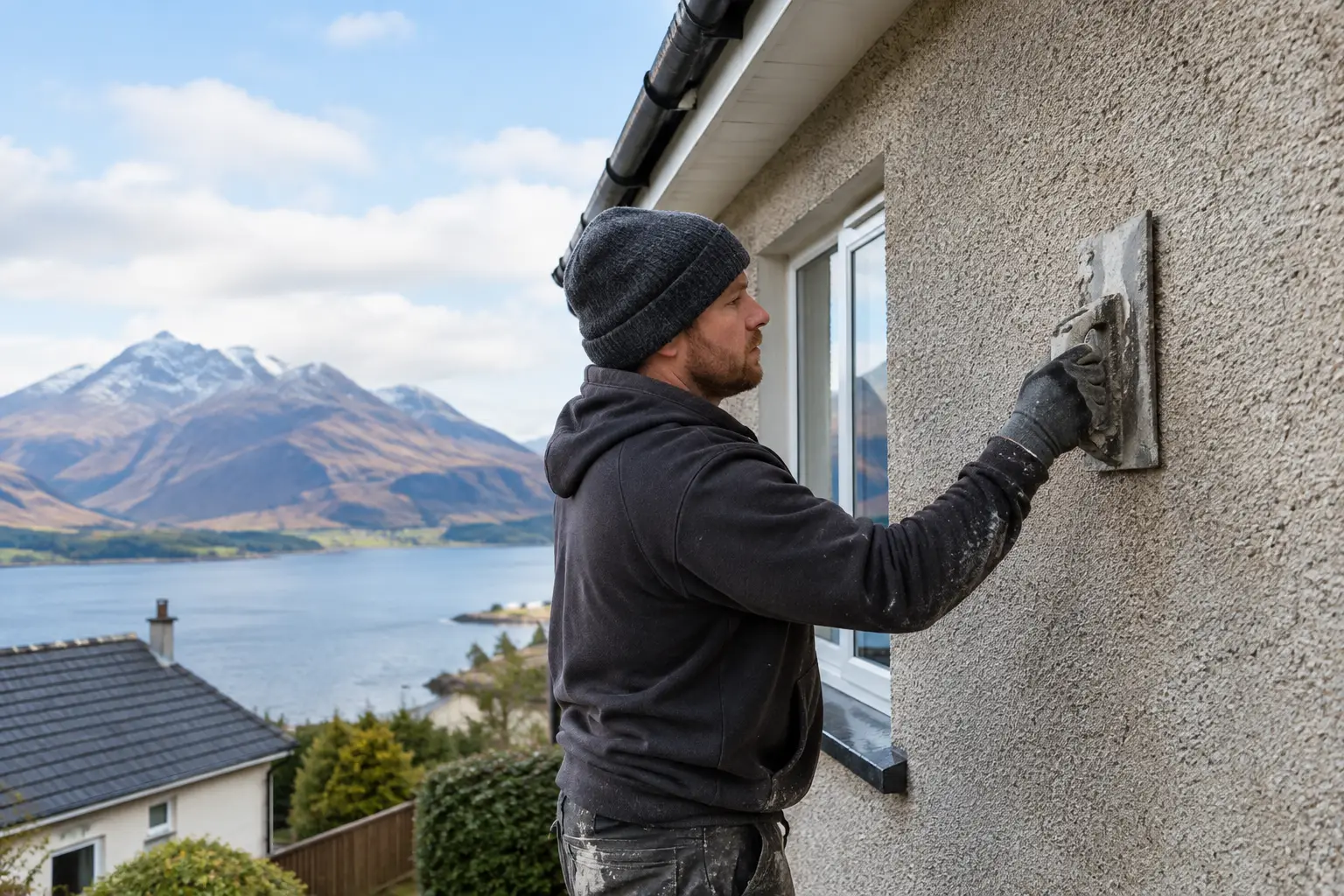
Is roughcasting worth it? See how this durable exterior finish protects Scottish homes, what affects the cost, and whether repair is enough for you...

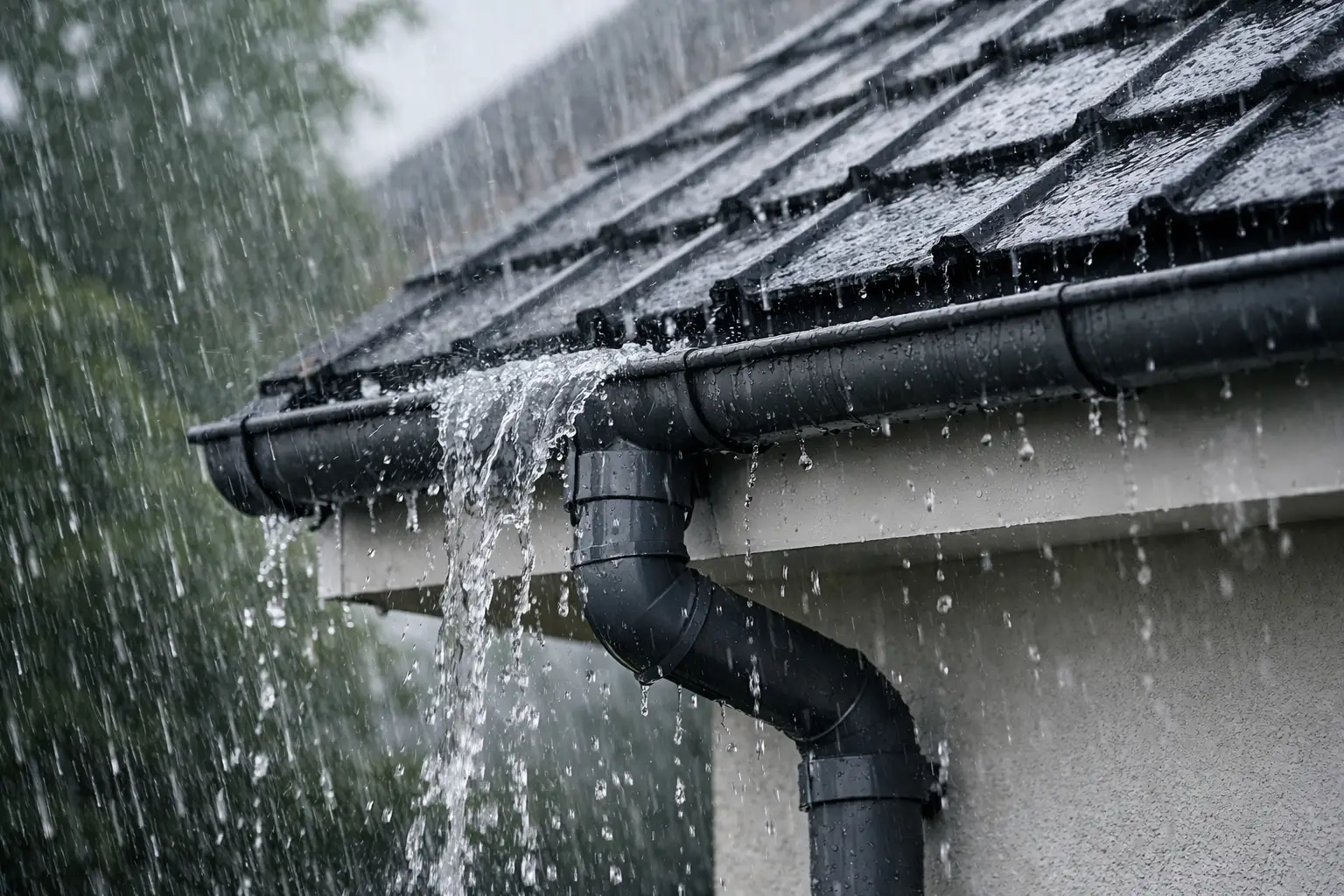
When a gutter overflows in heavy rain, the problem is rarely just the weather. More often, the guttering is too small, poorly pitched, blocked, or simply the wrong type for the roof it is trying to drain. If you are looking for the best gutters for heavy rain, the right answer depends on roof size, rainfall levels, the number of downpipes, and the condition of the fascias and soffits behind them.
In places across Central Scotland, where prolonged rain and wind-driven showers are part of normal life, gutter choice matters more than many homeowners realise. A system that copes well with light rainfall can struggle badly during a proper downpour. That leads to water running down walls, saturation around the foundations, and staining or rot around roofline timbers. Good guttering should move water away quickly and reliably, not just look tidy from the ground.
Capacity is the main issue. The more roof area you have, the more rainwater the gutter needs to catch and carry away. A small standard profile may be fine on a modest porch or garage, but it can be overwhelmed on a larger semi-detached or detached house, especially if the roof has long slopes that shed water quickly.
Shape matters as well. Some gutter profiles hold more water than others even if they appear similar at first glance. Depth matters too, because a deeper gutter can cope better when water comes off the roof edge in a rush. The number and position of downpipes also make a major difference. Even a large-capacity gutter will struggle if the outlet points are too few or badly located.
Installation quality is just as important as the product itself. If the fall is wrong, joints are weak, or brackets are spaced poorly, heavy rain will find the weak point. That is why a proper assessment matters more than simply choosing the most expensive material.
For many homes, deepflow guttering is one of the best options for heavy rainfall. It is designed with a greater front-to-back capacity than standard half-round systems, which helps it handle larger volumes of water. On houses that regularly see overflowing gutters during storms, moving from standard half-round to deepflow can make a noticeable difference.
Half-round gutters are still common and can work well, but they are usually better suited to smaller or average roof areas rather than homes that already struggle in heavy rain. If everything else is right – clean runs, good falls, enough downpipes – half-round can perform perfectly well. The problem comes when the roof area is large or rainfall is particularly intense.
Square line guttering is often chosen for its sharper appearance, especially on more modern properties. It can also offer decent capacity, but performance varies by manufacturer and size. Some square systems cope very well, while others are chosen more for looks than drainage performance. It is not a bad choice, but it should be selected on actual capacity rather than appearance alone.
Ogee guttering is another style some homeowners prefer, particularly on period or traditional-looking homes. It can carry a good volume of water and often performs better than people expect. That said, ornate profiles can sometimes be harder to clean and maintain, so there is a balance between appearance and practicality.
For properties with very large roofs, commercial units, or repeated overflow problems, oversized or industrial-profile guttering may be the right answer. It is not necessary for every home, but on some buildings it is the most sensible way to stop recurring drainage issues.
In many domestic cases, yes. Deepflow tends to be the most straightforward upgrade when standard guttering is not coping. It increases capacity without making the roofline look excessively bulky, and it suits many houses across the UK where rainfall is frequent and heavy. Still, it is not automatic. If the real issue is blocked outlets, failing brackets or too few downpipes, replacing standard gutters with deepflow alone will not fully solve it.
Material affects durability, maintenance, appearance and price, but it does not change the basic need for correct sizing.
uPVC is the most common choice on UK homes for good reason. It is affordable, low-maintenance and available in standard, deepflow and decorative profiles. Quality uPVC guttering performs well in heavy rain when it is sized and fitted properly. For many homeowners, it gives the best balance of cost and performance.
Aluminium is a strong step up if you want a longer-lasting system with a neater finish. It is lightweight, resistant to rust and well suited to both domestic and commercial properties. Properly installed aluminium guttering can deal very well with heavy rainfall, and it often has a smarter appearance than plastic systems.
Cast iron is durable and attractive on older buildings, but it is heavier, more expensive and needs more upkeep. It can work extremely well in wet conditions, but it is usually chosen for heritage style and long-term strength rather than simple value for money.
Steel guttering is also available for heavier-duty applications, though it is less common on standard homes. It offers strength, but the overall suitability depends on coating quality, exposure and maintenance.
For most households looking for the best gutters for heavy rain, high-quality deepflow uPVC or aluminium are usually the strongest practical choices.
A lot of drainage problems come from undersized guttering. Homeowners often focus on leaks at the joints or visible overflow at one corner, but the system may have been too small from the start. Roof pitch, roof area and valley positions all affect how much water reaches the gutter during a storm.
A roof valley can send a surprising amount of water into one short section of gutter. That area often needs special attention, whether that means a larger outlet, a wider profile, or an extra downpipe. Likewise, a long uninterrupted roof slope can discharge water quickly and overwhelm a small system.
This is why a like-for-like replacement is not always the best move. If the old gutters have struggled for years, fitting the same profile again may simply repeat the problem.
The gutter itself gets most of the attention, but downpipes do much of the real work. If water cannot leave the gutter fast enough, it backs up and spills over the edge. Sometimes the fix is not a bigger gutter at all. It is an additional downpipe, a better outlet position, or clearing a restriction in the underground drainage.
On larger homes, extensions, and properties with awkward roof layouts, adding another downpipe can transform performance. It reduces the distance water has to travel and relieves pressure during sudden heavy rainfall.
A proper inspection should look at the whole rainwater system, not just the visible gutter runs.
One of the biggest mistakes is choosing purely on appearance. A smart square or ogee profile may suit the house, but if it does not have the capacity needed, looks will not matter in the next storm.
Another common issue is ignoring the supporting roofline. Gutters fixed to weak, rotten or warped fascia boards will not stay true for long. Water adds weight quickly in heavy rain, and any weakness in the fixings or timber behind them can lead to sagging.
Poor maintenance is another problem. Even the best guttering will fail if it is packed with moss, leaves or roof debris. In areas with overhanging trees, regular cleaning matters just as much as profile choice.
Finally, some properties need more than new gutters. If the roof covering is shedding debris, the falls are wrong, or the drainage below ground is blocked, the guttering can only do so much.
If gutters overflow every time there is a downpour, that is the clearest sign the current setup is not coping. Other warning signs include water streaks on external walls, damp patches near the roofline, loose brackets, standing water in the gutter, and repeated leaks at joints.
If you are replacing fascias and soffits, it is often sensible to review the gutter system at the same time rather than treating it as a separate issue. The same applies if you have built an extension or altered the roof. Changes to roof area can affect how much water the guttering needs to handle.
For homeowners in wetter parts of Scotland, it is worth being proactive. A gutter system that is only just adequate in average weather is usually the one that fails first in a storm.
There is no single gutter that suits every building. A small terraced house may be perfectly well served by a well-fitted half-round or square system. A larger detached home, a block with roof valleys, or a property exposed to driving rain may need deepflow or oversized guttering to perform properly.
The best results come from matching the gutter profile, material and outlet layout to the building itself. That is the difference between a short-term replacement and a system that protects the property for years. At Forth Valley Roofing, that is how we approach guttering advice – practical recommendations based on what the roof actually needs, not a one-size-fits-all answer.
If your gutters are struggling every time the rain turns heavy, the right upgrade can do more than stop annoying overflow. It can protect brickwork, roofline timbers and the ground around your home before small water problems turn into expensive repairs.
Is roughcasting worth it? See how this durable exterior finish protects Scottish homes, what affects the cost, and whether repair is enough for you...
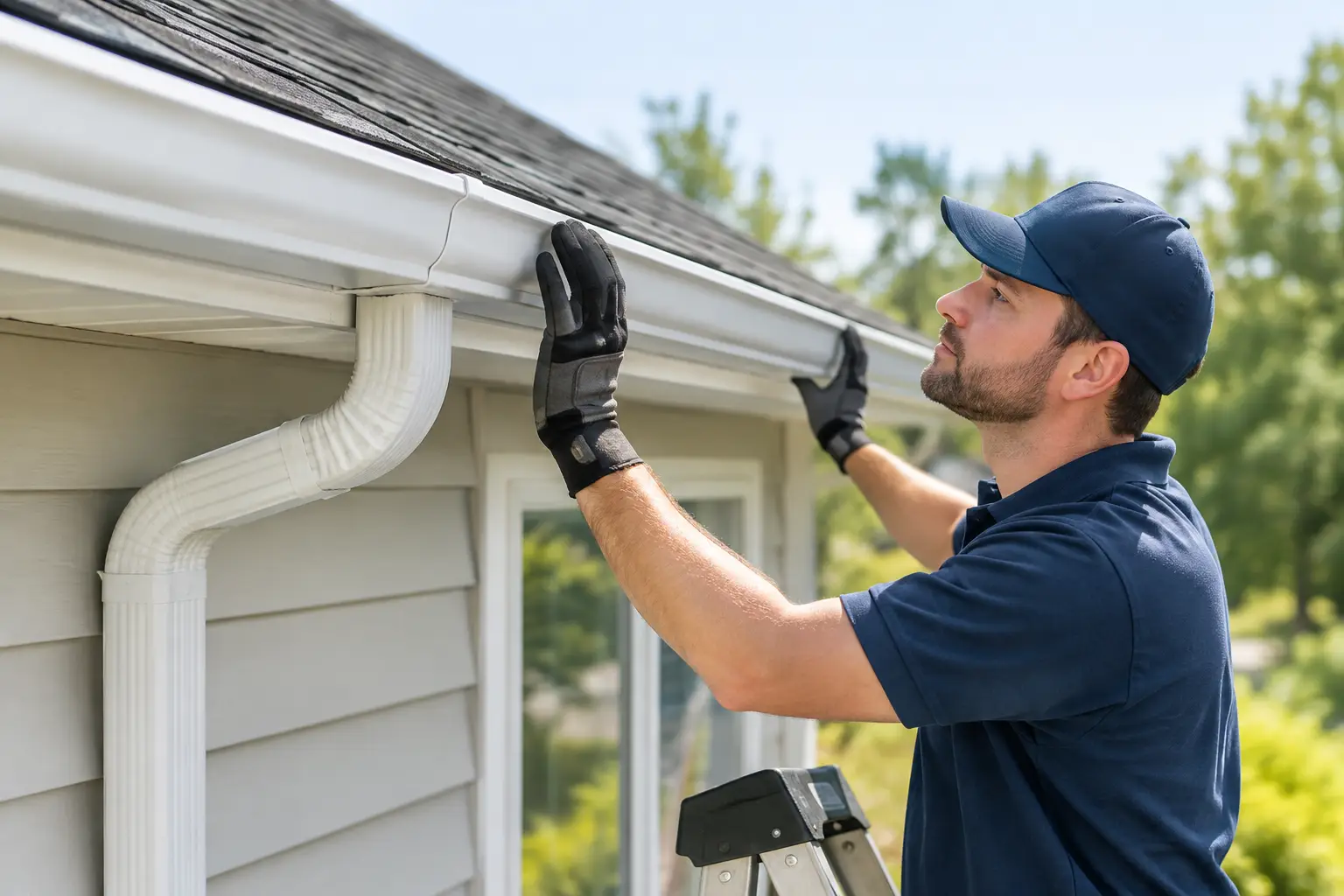
See a gutter replacement project example, from the first inspection to fitting new gutters, and learn what protects a Central Scotland home in winter.

Does roof ventilation reduce condensation? Learn when roof vents help, what causes loft moisture and how to protect your Central Scotland home this winter.