

October 9, 2026
Learn how to assess heritage slate roofs, plan sympathetic repairs and protect a Central Scotland property from leaks, storm damage and costly disruption.

The first hard frost usually finds the weak spots. A slipped tile that looked harmless in October can become a leak by December, and a gutter that was only slow to drain can turn into overflowing water running down brickwork. That is why a proper roof maintenance checklist for winter is less about box-ticking and more about protecting your home before cold weather puts everything under strain.
In Central Scotland, winter roofing problems are rarely caused by one big issue alone. More often, it is a mix of wear, wind, rain, blocked drainage and freezing conditions. For homeowners, landlords and property managers, the sensible approach is to catch smaller faults early, when repairs are simpler, safer and usually more affordable.
A roof deals with a lot in a Scottish winter. Heavy rain tests drainage, strong winds can lift tiles or ridge sections, and repeated freezing and thawing can widen small cracks in mortar, flashings and roof coverings. If water gets into the structure and temperatures drop overnight, the damage can escalate quickly.
Older roofs are especially vulnerable, but newer roofs are not exempt. Even a relatively modern system can develop trouble if gutters are full of leaves, a flat roof outlet is blocked or previous repair work has started to fail. The aim is not to assume the worst. It is to know what to look for before bad weather makes access harder and the repair more urgent.
A good roof maintenance checklist for winter starts at ground level. In most cases, you can spot warning signs without climbing a ladder. Walk around the property and look for slipped, cracked or missing tiles or slates. Check ridge lines for uneven sections, and look at the roof from a few angles to see whether anything appears out of line.
Pay close attention to gutters and downpipes. If joints are leaking, brackets are loose or vegetation is visible, water is unlikely to be draining properly. In winter, blocked gutters matter more than people realise. Overflowing water can soak masonry, cause staining and contribute to damp around the roofline and upper walls.
Look at fascias and soffits as well. Peeling paint, water marks and soft spots can all point to long-term moisture exposure. If your property has UPVC roofline products, inspect for sagging sections, gaps or signs that fixings have loosened.
Chimneys are another common weak point. Damaged pointing, cracked flaunching and worn lead flashings often show up after autumn storms but become much more serious once frost gets in. If you can see debris on the ground near the chimney stack, that should not be ignored.
Flat roofs need a slightly different check. Look for standing water, bubbling, splits at the edges, damaged joints and blocked outlets. Some ponding can be normal depending on the roof design, but deep or persistent standing water is worth getting assessed, especially before freezing weather arrives.
External signs tell part of the story. The loft or top-floor ceiling often tells the rest. Inside the property, look for damp patches, discolouration, mould growth, peeling paint and a musty smell. Daylight showing through the loft is another warning sign, especially around eaves, valleys and roof penetrations.
Insulation can also reveal hidden leaks. If sections feel wet, compressed or unusually cold, moisture may be getting in from above. This is one of those situations where timing matters. What feels like a minor loft issue in autumn can become ceiling damage in the middle of winter.
Condensation is another factor worth mentioning. Not every winter moisture problem is a roof leak. Poor ventilation in loft spaces can create condensation that mimics leak damage. The difference matters, because the fix may involve ventilation improvements rather than roof replacement. A good inspection should separate one issue from the other.
When people think about roofs, they tend to focus on tiles and slates first. In reality, drainage is just as important. If water cannot leave the roof properly, the covering itself ends up under more pressure.
Check that gutters are clear of leaves, moss and silt. Make sure downpipes are not blocked at the top or base. Look at gullies and drains around the property too, because a clear downpipe does not help much if the water has nowhere to go next.
Valleys deserve extra attention. These areas handle concentrated water flow, so they are often where trouble starts. Debris build-up, loose mortar, corroded flashings or displaced sections can all lead to leaks. If you have trees close to the property, valley clearing becomes even more important before winter sets in.
Not every roofing issue needs a major job, but some faults should move quickly to the top of the list. Missing tiles or slates, leaking flashings, failed ridge pointing, damaged flat roof seams and badly blocked gutters are all worth dealing with before temperatures drop.
There is also a practical safety reason to act early. Winter repairs can be more weather-dependent, and access conditions are often worse. A straightforward fix in mild conditions can become delayed once ice, high winds or persistent rain arrive.
This is where professional judgement matters. Sometimes a localised repair is the right answer. Sometimes visible damage points to wider wear across the roof slope. It depends on the age of the roof, the extent of deterioration and whether previous repairs have held up properly. Honest advice is important here, especially if you are trying to balance cost against long-term value.
There is a difference between sensible observation and risky DIY. Homeowners can do a lot from the ground and inside the loft, but walking on a roof in winter conditions is not worth the gamble. Wet surfaces, frost and hidden weak spots make falls far more likely.
A roofer should be called if you can see slipped or broken coverings, signs of active leaks, damaged chimney work, persistent standing water on a flat roof or repeated gutter overflow despite clearing. The same applies if you are unsure whether the issue is structural, drainage-related or caused by condensation.
For properties in exposed parts of Falkirk, Stirling, West Lothian and the wider Central Scotland area, winter inspections can be particularly worthwhile. Wind-driven rain and repeated storms tend to expose defects quickly. Forth Valley Roofing often sees cases where a small repair could have prevented internal damage if it had been caught a few weeks earlier.
If you manage property rather than live in it, the checklist needs a slightly broader view. It is not just about the roof surface. You also need to think about tenant safety, water ingress affecting interiors, and how quickly issues can be reported and resolved.
That usually means scheduling inspections before winter rather than waiting for complaints. It also means keeping an eye on gutters, shared access areas, chimney stability and any flat roofing over extensions, dormers or communal entrances. A reactive approach often costs more, especially if an undetected leak damages ceilings, electrics or insulation.
For older rental properties, having roofline components and drainage checked together is often worthwhile. A leak may not come from where the stain appears inside, and piecemeal assumptions can lead to repeat call-outs.
A well-maintained roof does not have to look brand new. It needs to be watertight, stable and able to drain properly in poor weather. That is the standard to aim for before winter arrives.
If your roof is already showing signs of age, the right next step may be a targeted repair, a maintenance visit or a more detailed survey rather than waiting to see how it copes. Winter has a habit of answering that question in the most inconvenient way possible.
A little attention before the cold sets in can save a lot of disruption later, and that is usually the difference between a planned repair and an emergency one.
Learn how to assess heritage slate roofs, plan sympathetic repairs and protect a Central Scotland property from leaks, storm damage and costly disruption.

Is roughcasting worth it? See how this durable exterior finish protects Scottish homes, what affects the cost, and whether repair is enough for you...
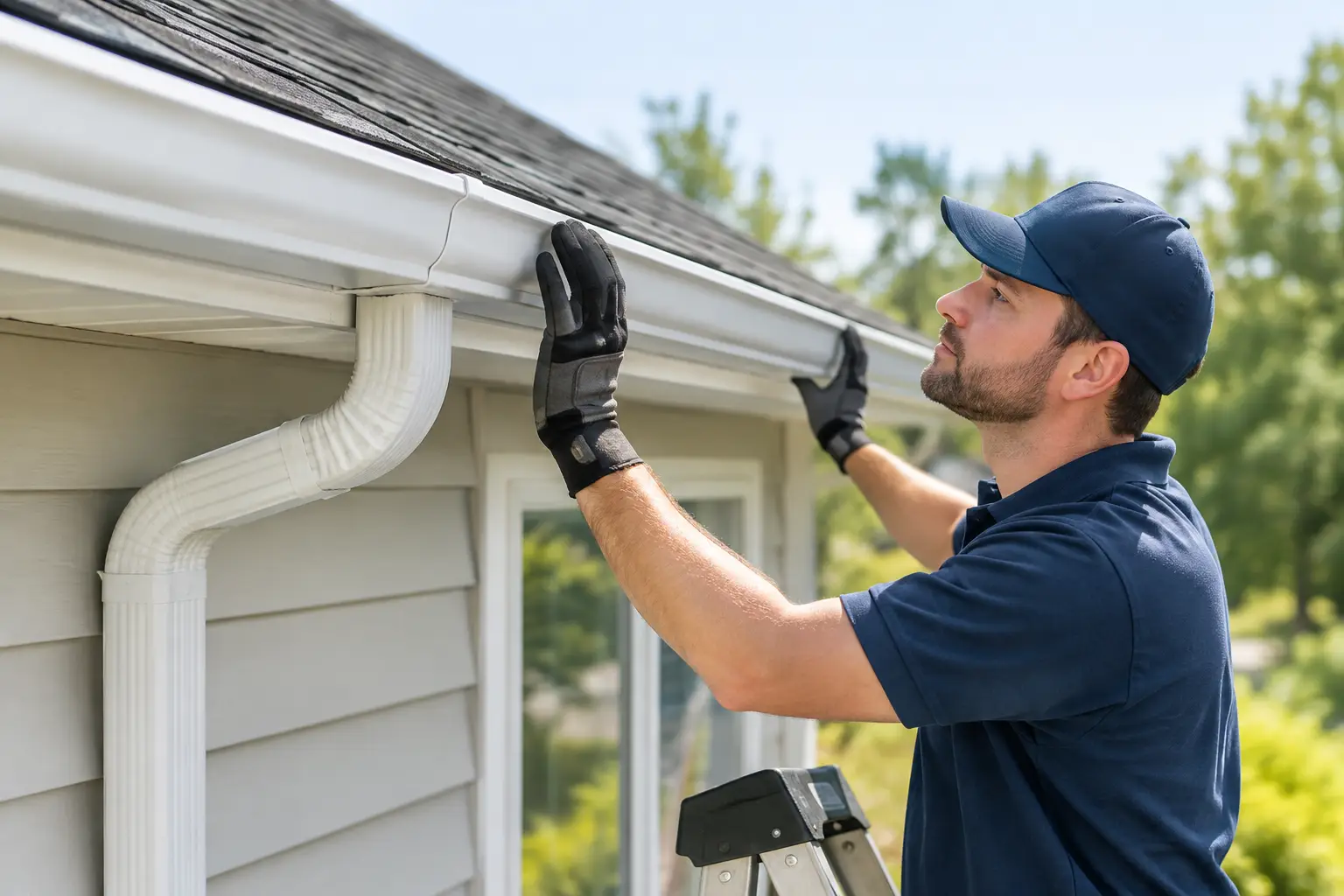
See a gutter replacement project example, from the first inspection to fitting new gutters, and learn what protects a Central Scotland home in winter.