

October 10, 2026
A practical roughcast maintenance guide Scotland homeowners can use to spot damp, cracks and weather damage before repairs become more costly over winter.

When paint keeps peeling around the roofline, gutters start pulling away, or you notice damp marks near the eaves, the problem is often more than cosmetic. This fascia soffit replacement guide explains what homeowners need to know before work starts, so you can spot the warning signs early and make a sensible decision about repair or full replacement.
Your fascia and soffits do two quiet but essential jobs. They tidy the roof edge and, more importantly, help protect the roof structure from rain, wind and trapped moisture. When they fail, water can get into the ends of the rafters, ventilation can suffer, and guttering can lose its support. Left too long, a relatively straightforward external job can turn into a more expensive roofline repair.
The fascia is the long board fixed along the lower edge of the roof, where the guttering is usually attached. The soffit sits underneath that overhang, closing the gap between the wall and the roof edge. Together, they help keep out birds, insects and driving rain while giving the roofline a neat finish.
They also affect ventilation. Many modern soffit systems are designed to allow air into the roof space, which helps reduce condensation. That matters in Scottish homes, where cold weather, damp conditions and poor loft ventilation can create ongoing moisture issues.
Some roofline problems are obvious, but others are easy to miss from ground level. If the boards are timber, look for flaking paint, soft spots, black staining, visible rot and joints opening up. With older UPVC capping boards, sagging sections or movement behind the cover board can suggest the original timber underneath has deteriorated.
Guttering problems are another clue. If brackets are loosening, gutters are overflowing despite being cleared, or the line of the gutter looks uneven, the fascia may no longer be solid enough to support it properly. In a few cases, you might also notice birds getting into the eaves or signs of wasp nests around gaps in the soffits.
Inside the property, damp patches near the top of external walls can sometimes point to failed roofline components. It does not always mean the fascia or soffits are to blame – roof coverings, flashings and gutter joints can cause similar issues – but it is worth having the full roof edge checked.
This depends on the age of the installation, the material, and how much hidden damage is present. A localised repair can be enough if one section has come loose or a small area has been affected by weathering. That is more likely where the rest of the roofline is still sound.
Full replacement is usually the better option where timber has started rotting in several areas, the gutter fixings are failing, or old boards have been repeatedly patched over the years. It also makes sense when capping boards have been fitted over decayed timber, because covering the problem rarely stops it getting worse underneath.
For many homeowners, the real trade-off is short-term cost versus long-term value. Repairing small sections can be cheaper today, but if the surrounding boards are near the end of their life, you can end up paying twice. A proper inspection should tell you whether the issue is isolated or whether the whole run is worn out.
UPVC is the most common choice for replacement work because it is low maintenance, weather-resistant and available in different styles and colours. For most homes, it gives a clean finish and removes the cycle of sanding, filling and repainting that comes with timber.
Timber still suits some properties, especially older homes where maintaining the original appearance matters. It can look excellent when installed and painted properly, but it needs regular upkeep and is more vulnerable to rot if water gets in. Aluminium is another option on some buildings, though it is less common on standard domestic properties.
There is no single best material for every house. If you want the lowest maintenance option, UPVC is usually the practical answer. If appearance on a traditional property is the priority, timber may be worth the extra upkeep.
A proper replacement job starts with access equipment and a close inspection of the roofline. The contractor will remove the existing guttering, fascia and soffit boards and check the condition of the rafter ends and any supporting timber behind them. This part matters because hidden decay is common, especially where water has been getting behind old boards for years.
If damaged timber is found, that should be repaired before new boards go on. New soffits are then fixed in place, with ventilation details included where needed, followed by the fascia boards and guttering. The finish should be secure, level and sealed correctly, with enough support to cope with heavy rainwater flow.
This is also the right time to deal with related roofline issues. If gutters are old or undersized, replacing them alongside the fascia and soffits can avoid future problems. The same goes for checking the lower edge of the roof covering and making sure the first row of tiles or slates is draining properly into the gutter.
Prices vary depending on the size of the property, access, material choice, and how much remedial work is needed once the old boards come off. A straightforward replacement on a modern house is very different from work on an older property with awkward access or widespread timber decay.
The main cost drivers are usually scaffold or access equipment, the length of roofline being replaced, whether guttering is included, and the amount of repair work hidden beneath the old installation. That is why very cheap quotes can be misleading. If a price seems far lower than others, it is worth checking exactly what is included and whether the contractor is replacing the boards fully or just capping over existing timber.
A clear written quote should state the materials, whether guttering and downpipes are included, how damaged timber will be handled, and what guarantee comes with the work. That level of detail helps avoid confusion once the job is underway.
A roofline replacement is not just a cosmetic upgrade. If the soffits are not ventilated where required, condensation can build up in the loft and create a different set of problems. Likewise, if the drip edge into the gutter is poor, water can run behind the fascia instead of into the drainage system.
Small detailing errors often cause the biggest headaches later. Loose joints, badly aligned gutters, insufficient support brackets or poorly sealed corners can all shorten the life of the installation. Good workmanship is what turns new materials into a roofline that actually lasts.
This is one of those jobs where experience matters. A reliable contractor should be able to explain whether you need repair or replacement, talk you through material options in plain language, and point out any related issues with the roof edge or guttering.
It is sensible to ask whether the work is insured, whether there is a guarantee, and how they deal with hidden timber damage if it is found during the job. Communication matters as much as price. You want to know what is happening, what extra work is genuinely necessary, and what the finished result will include.
For homeowners in Falkirk and surrounding areas, choosing a local roofing company often makes that process easier. A contractor who works regularly on homes in the area is more likely to understand the effect of local weather conditions and the common issues seen on different property types.
If your fascia and soffits are already showing clear signs of rot or movement, waiting rarely improves the situation. Water damage around the roofline tends to spread, not stabilise. The earlier the problem is dealt with, the better the chance of keeping the repair limited to the external boards rather than the supporting roof timbers.
That does not mean every worn-looking roofline needs urgent full replacement. Some installations simply need maintenance, cleaning or a targeted repair. The key is getting a proper assessment before damage develops into something more disruptive and more expensive.
A good roofline should do its job quietly for years without drawing attention to itself. If yours is no longer doing that, a careful inspection and honest advice are the best place to start – and a well-timed replacement can save a lot of trouble later.
A practical roughcast maintenance guide Scotland homeowners can use to spot damp, cracks and weather damage before repairs become more costly over winter.
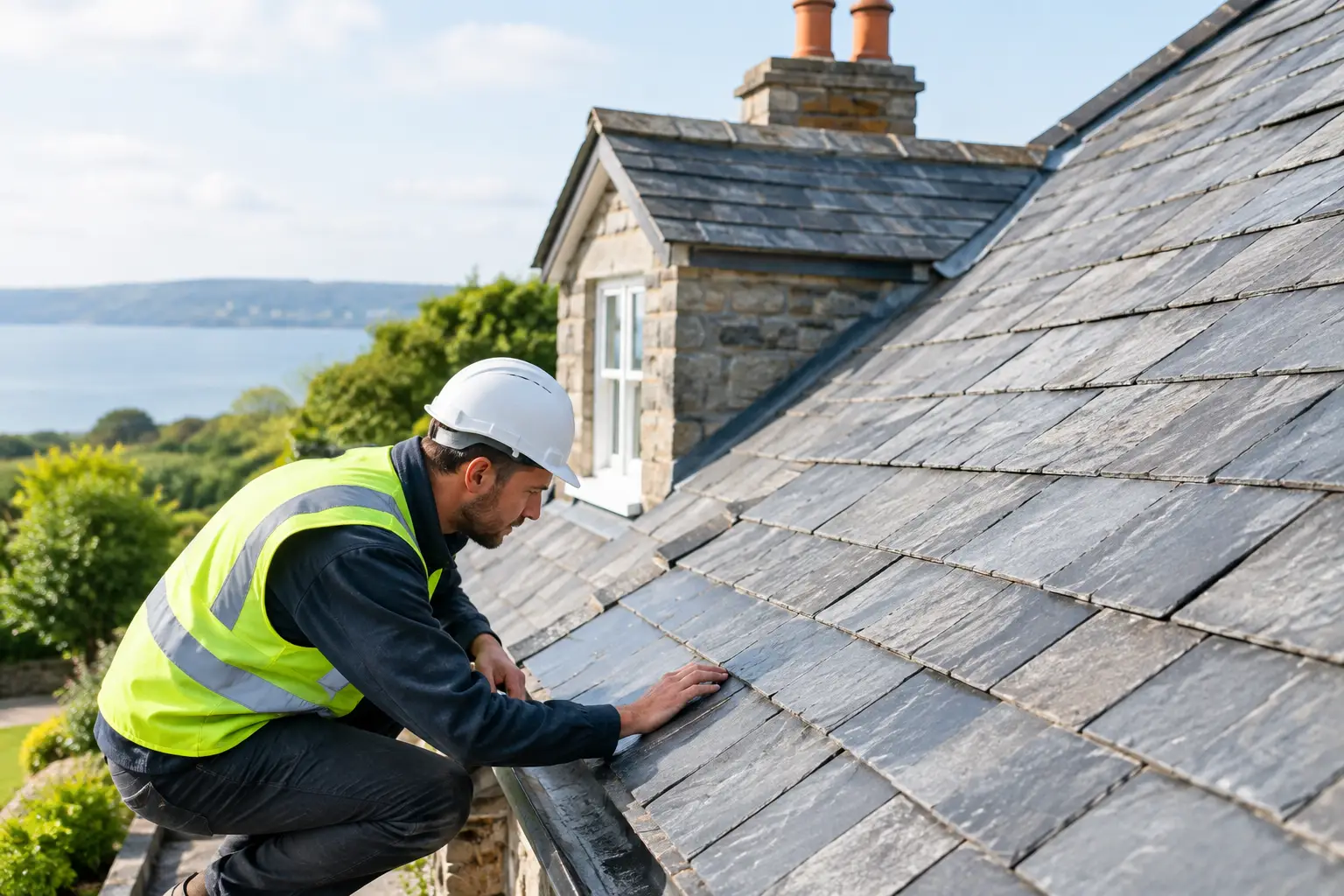
Learn how to assess heritage slate roofs, plan sympathetic repairs and protect a Central Scotland property from leaks, storm damage and costly disruption.
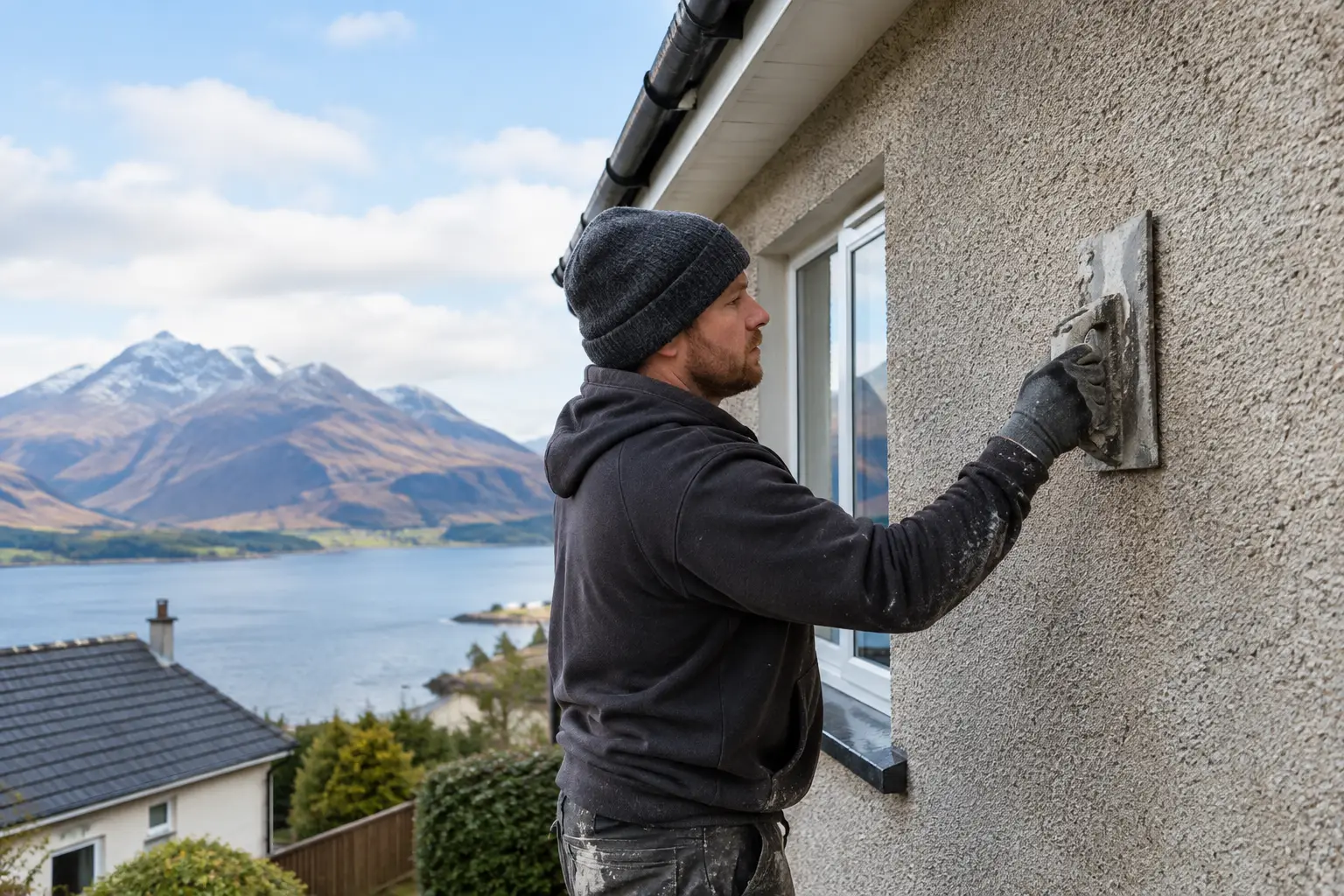
Is roughcasting worth it? See how this durable exterior finish protects Scottish homes, what affects the cost, and whether repair is enough for you...