
October 10, 2026
A practical roughcast maintenance guide Scotland homeowners can use to spot damp, cracks and weather damage before repairs become more costly over winter.

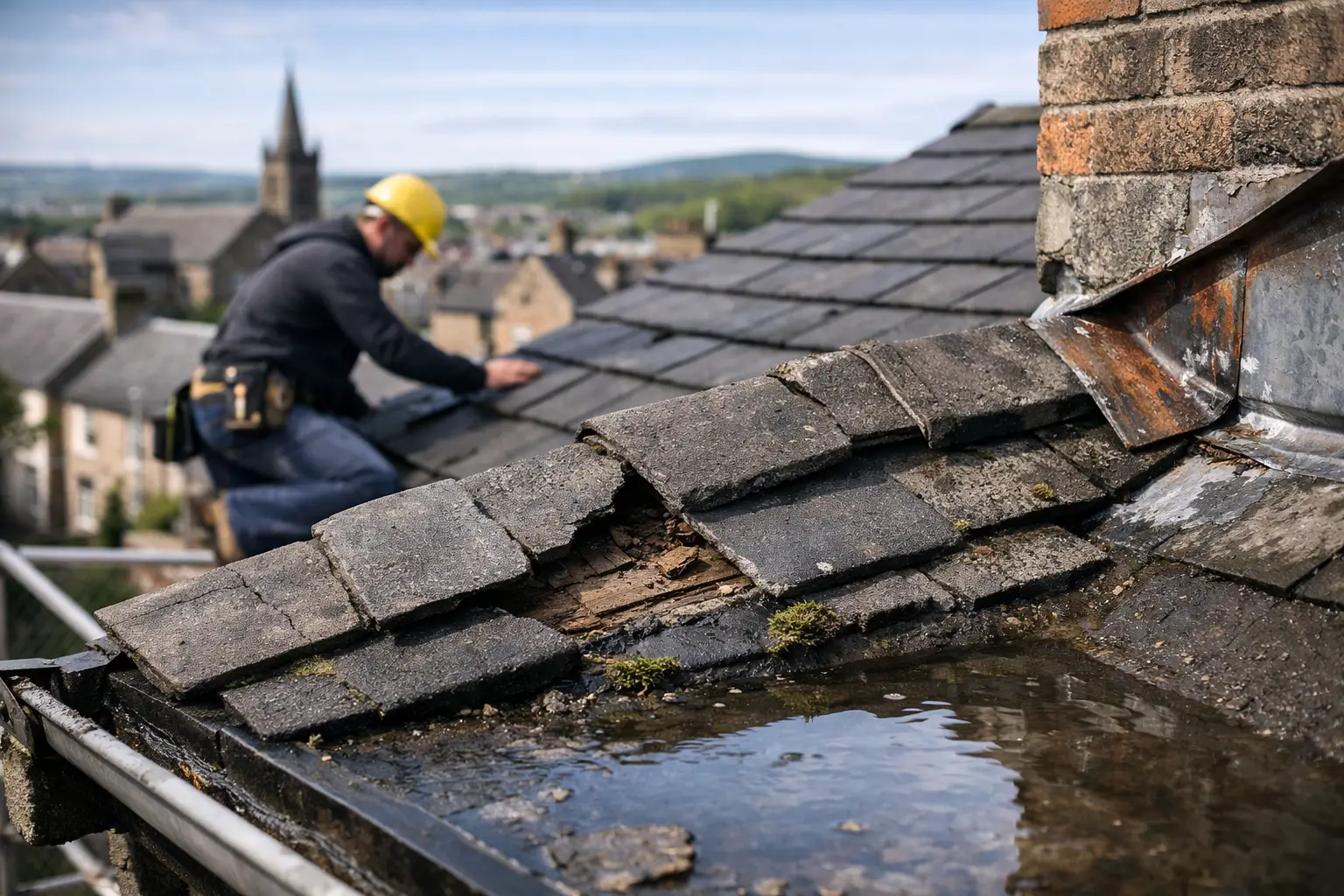
A roof in Falkirk usually tells you there is a problem before it fails completely. You might notice a damp patch near the loft hatch after heavy rain, a slipped tile on the drive, or gutters overflowing long before the storm has passed. If you are asking what are the most common roofing problems in Falkirk homes, the answer usually comes down to weather exposure, ageing materials, and small defects that have been left too long.
Around Falkirk, roofs deal with a bit of everything – wind, driving rain, frost, moss growth, and seasonal temperature changes that slowly wear materials down. That means even a well-built roof can develop faults over time. The key is spotting the early signs and understanding which problems need quick attention.
The most common issues we see on homes in this area are slipped or broken tiles, leaks around chimneys and flashing, blocked or damaged gutters, flat roof wear, ridge tile movement, and general ageing on older roofs. In many cases, the roof itself is only part of the problem. Water often gets in through weak points such as joints, valleys, leadwork, or failing mortar rather than through the main roof covering.
It also depends on the age and style of the property. A newer home may be more likely to suffer from isolated storm damage or poor ventilation, while an older house may have years of gradual wear in the underfelt, battens, pointing, and roofline components.
This is one of the most obvious roofing problems and one of the most common across Falkirk. Strong winds can lift tiles, frost can weaken them, and impact damage can crack them without the issue being obvious from ground level. Even one missing tile can let water onto the underlay and timber beneath.
The risk here is not always immediate flooding. More often, water gets in little by little. That can lead to damp insulation, stained ceilings, and timber decay in the loft space. If the roof is older, one slipped tile can be a sign that neighbouring tiles are also becoming loose.
Concrete tiles and slate both have their own failure patterns. Slate can slip if fixings fail, while concrete tiles may crack or become porous with age. The right repair depends on the material, the pitch, and whether the issue is isolated or part of a wider decline.
A lot of roof leaks start where the roof meets another structure. Chimneys are a common example. The lead flashing around the base is there to stop water getting into the joint, but over time it can split, lift, or come away from the brickwork.
Mortar joints on the chimney itself can also deteriorate. Once that happens, rain can work its way into the stack and track down into the roof space. Homeowners often assume the whole roof is leaking when the real fault is concentrated around the chimney or leadwork.
This is the kind of problem that benefits from early repair. Replacing or dressing lead properly, repointing where needed, and checking adjoining tiles can usually stop a small issue becoming a much larger one.
Gutters are easy to ignore because they sit at the roof edge, but they play a big part in protecting the property. In Falkirk, leaves, moss, and general debris can quickly build up and stop rainwater flowing away properly. When gutters overflow, water can run down walls, soak fascias, and back up under the roof edge.
Damaged brackets, leaking joints, and poor falls in the gutter run can all add to the problem. In winter, trapped water can freeze and place extra strain on the system. What starts as a drainage issue can then lead to damp patches, staining, rot in the roofline, or even masonry damage.
For landlords and property managers especially, regular gutter checks can prevent repeated call-outs. It is a straightforward maintenance job, but leaving it unchecked can create avoidable repair costs elsewhere.
Flat roofs are common on extensions, garages, dormers, and porches throughout Falkirk. They are reliable when installed correctly, but they do not behave in the same way as pitched roofs. Small defects can allow water to sit on the surface, and standing water increases the stress on the covering.
Cracks, splits, blistering, and failed seams are all warning signs. If the roof has started to sag or the falls are poor, ponding water can become a recurring issue. That does not always mean full replacement is needed, but it does mean the roof should be inspected properly rather than patched repeatedly.
Some older felt roofs are simply reaching the end of their service life. In those cases, ongoing repairs can become false economy. A more durable replacement system may be the better long-term option, especially if leaks have already affected the structure below.
Ridge tiles take the brunt of wind exposure, so they are often among the first parts of a roof to show movement. Traditional mortar bedding can crack over time, especially after cycles of wet weather and freezing temperatures. Once gaps open up, the ridge becomes less secure and more vulnerable in strong winds.
This can be a safety issue as well as a weatherproofing one. A loose ridge tile should never be left in place in the hope that it will last another winter. In some cases, rebedding or repointing is enough. In others, a dry ridge system may be a better upgrade because it offers stronger fixing and improved ventilation.
Moss is very common on roofs in damp parts of Central Scotland, especially where sections of the roof get less direct sun. A small amount may not seem serious, but heavy growth can hold moisture against the roof covering and interfere with drainage.
As moss breaks away, it often ends up in the gutters and downpipes. That leads to the overflow problems mentioned earlier. On some roofs, moss can also lift tile edges slightly or accelerate wear on older surfaces.
The answer is not always aggressive cleaning. Some cleaning methods can do more harm than good if tiles are brittle or the roof is already weakened. It is usually better to assess the roof condition first and choose a method that protects the material rather than forcing a cosmetic result.
Not every roofing problem is dramatic. On older Falkirk homes, there can be a gradual decline in several parts of the roof at once – underfelt torn in places, timber battens weakened by years of moisture, flashing nearing the end of its life, and patch repairs from different periods all starting to fail together.
This is where homeowners sometimes spend money on repeated small fixes without addressing the wider condition of the roof. That does not mean every older roof needs replaced, but it does mean a proper inspection matters. A local contractor should be able to explain whether the issue is isolated, whether more repairs are likely soon, and whether a planned replacement would make better financial sense.
Not all moisture problems come from rainwater getting in. Some are caused by warm, damp air rising into the loft and condensing on cold surfaces. This is especially common in winter and can be mistaken for a roof leak.
Signs include water droplets on felt, a musty smell in the loft, mould on timbers, and damp insulation. The cause may be poor ventilation, blocked vents, or insulation laid in a way that reduces airflow. The fix is different from a standard leak repair, which is why accurate diagnosis matters.
If you have visible tile damage, water marks indoors, overflowing gutters, damp in the loft, or debris coming down after high winds, it is worth arranging an inspection sooner rather than later. Roofing problems rarely improve on their own, and delays tend to make repairs more disruptive and more expensive.
The best approach is a practical one. Find out exactly where the fault is, what condition the surrounding roof is in, and whether the recommended repair is likely to last. Clear advice matters just as much as the repair itself.
For homeowners in Falkirk, the real issue is not just what has gone wrong today. It is whether a small roofing fault is about to become internal damage, heat loss, or a much bigger bill in a few months’ time. A dependable local company such as Forth Valley Roofing should be able to talk you through that honestly, carry out the work properly, and leave you knowing the roof is ready for the next spell of bad weather.
If you have noticed even a minor change in your roof, it is usually worth getting it checked while the fix is still simple.
A practical roughcast maintenance guide Scotland homeowners can use to spot damp, cracks and weather damage before repairs become more costly over winter.
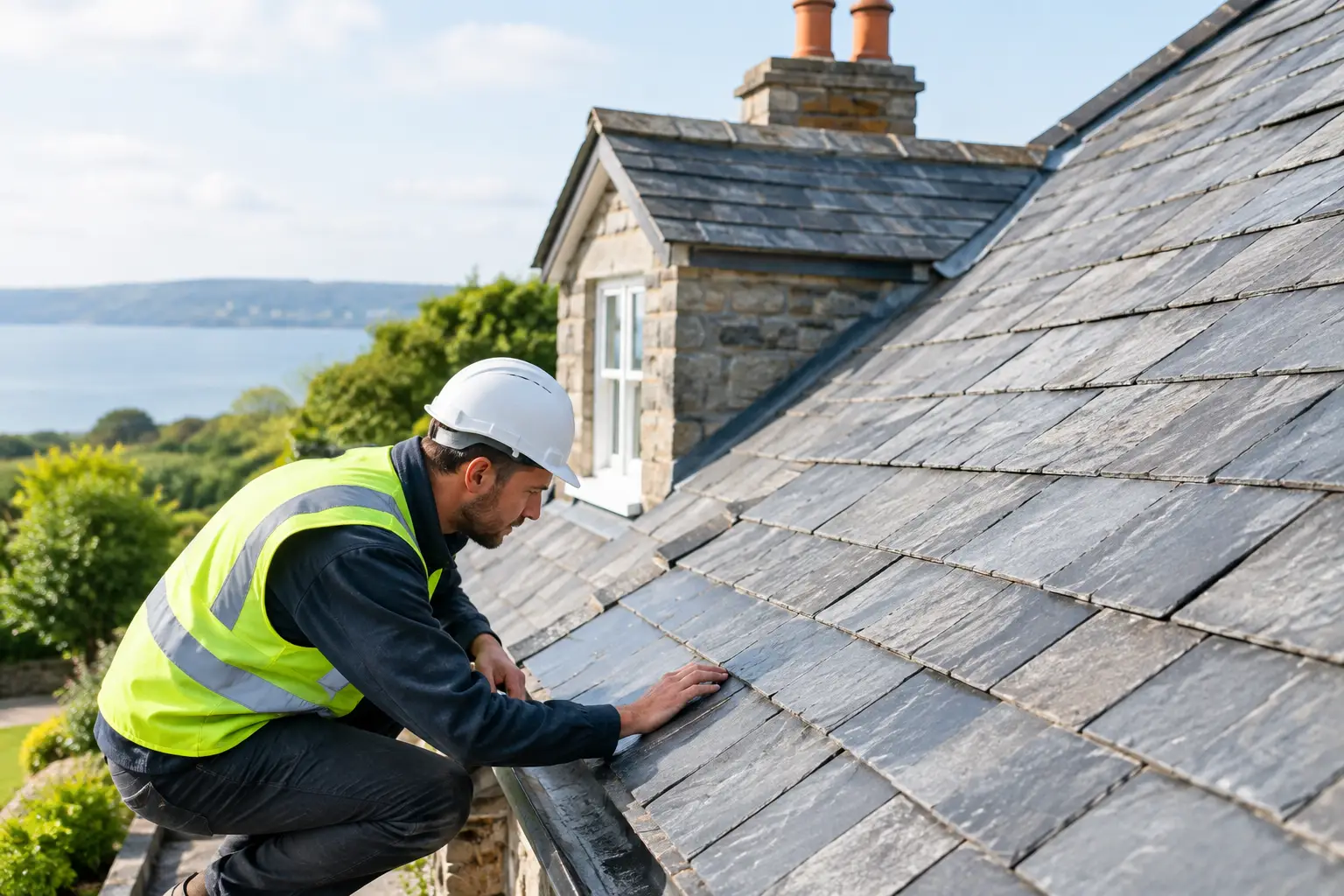
Learn how to assess heritage slate roofs, plan sympathetic repairs and protect a Central Scotland property from leaks, storm damage and costly disruption.
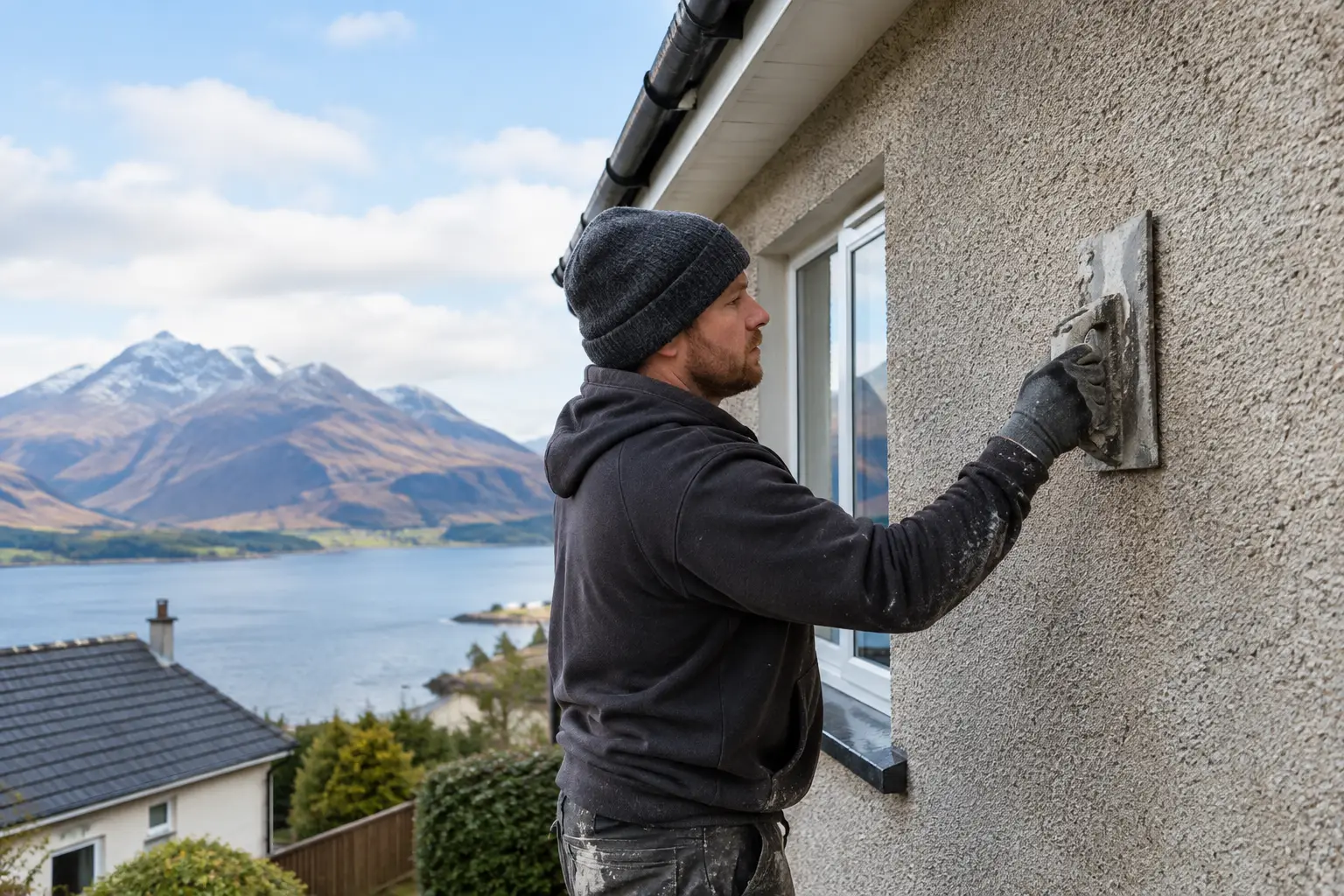
Is roughcasting worth it? See how this durable exterior finish protects Scottish homes, what affects the cost, and whether repair is enough for you...