
October 10, 2026
A practical roughcast maintenance guide Scotland homeowners can use to spot damp, cracks and weather damage before repairs become more costly over winter.

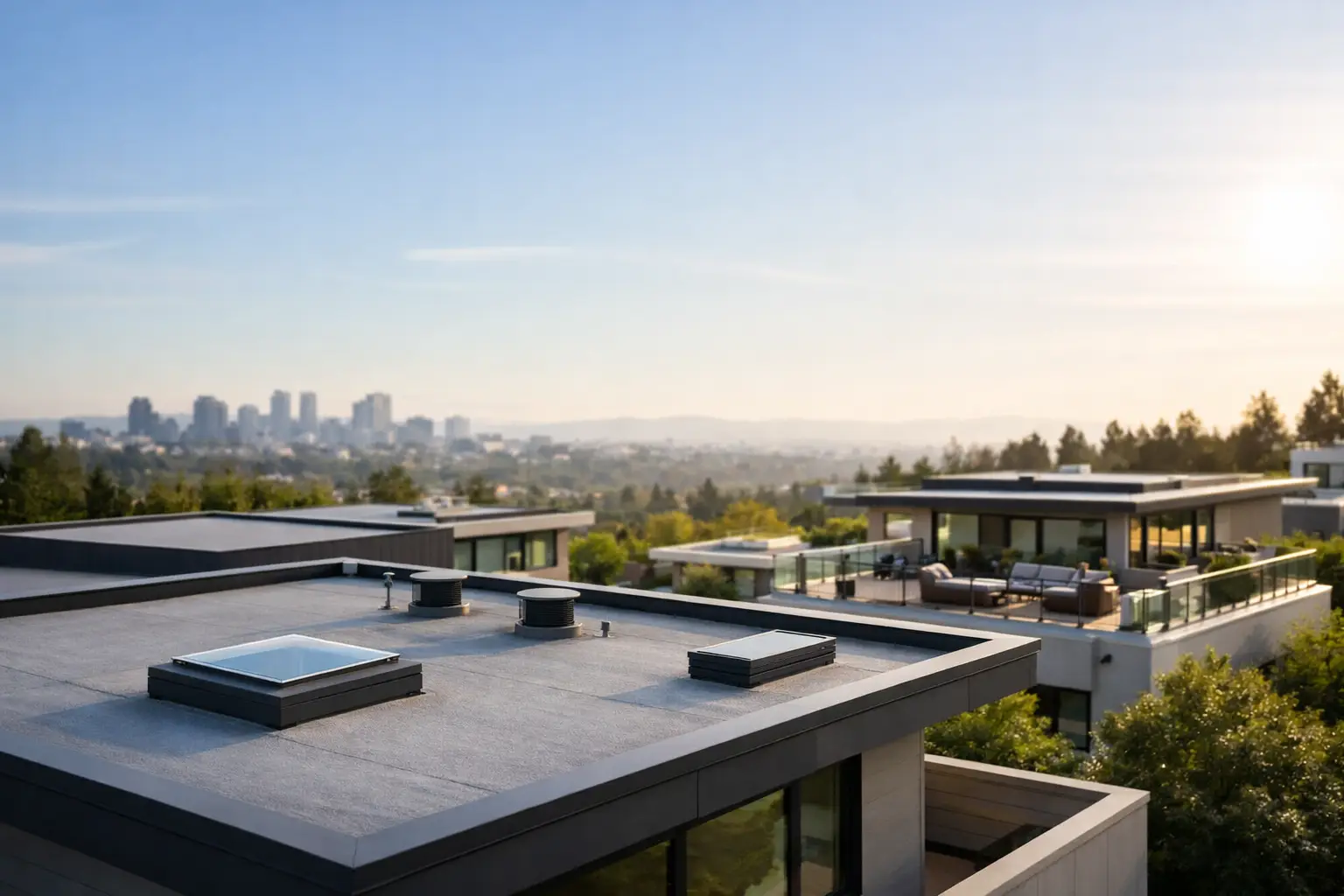
Drive around Falkirk for long enough and you start to notice the change. Extensions, garages, garden rooms, dormers and even full reroofing projects are increasingly being finished with flat roofing systems rather than traditional pitched designs. When people ask why flat roofs are becoming more popular across Falkirk, the answer is not just fashion. It comes down to cost, practicality, better materials and the way people now use their homes.
For years, flat roofs had a mixed reputation. Many property owners associated them with older felt roofs that blistered, pooled water or started leaking earlier than expected. That reputation has been hard to shake, but the market has moved on. Modern flat roofing systems are a different product altogether, and that change is a big part of why more homeowners and landlords are now seriously considering them.
The biggest reason is straightforward – they suit the type of work people are actually carrying out. A lot of roofing enquiries now involve home extensions, rear kitchen additions, garage replacements, porch roofs and outbuildings. In those cases, a flat roof is often the most practical and cost-effective option.
It usually requires fewer materials than a pitched roof, takes less structural timber and can be quicker to install. That matters to homeowners who want to improve the property without letting the budget run away. It also matters to landlords and property managers who need a roofing solution that is durable, tidy and easier to maintain over time.
There is also a design shift behind it. Modern homes and renovated older properties increasingly favour cleaner rooflines. A flat roof can give an extension a sharper, more contemporary look, especially when paired with large doors, rooflights or modern render finishes. In many parts of Falkirk, that look works well because it adds usable space without making an extension feel too bulky or out of place.
If flat roofs were still being judged on systems installed decades ago, they would not be gaining ground. What has changed is the quality of materials and installation methods now available.
High-performance systems such as modern single-ply membranes and reinforced flat roofing products offer far better weather resistance than older coverings. When installed properly, they are built to cope with Scotland’s rain, wind and temperature changes far more reliably than many people expect. A professionally fitted flat roof should not be seen as a compromise. In many cases, it is the right solution for the structure.
This is where workmanship matters just as much as the material itself. A well-designed flat roof needs correct falls, proper edge detailing, secure flashings and sound drainage planning. If those basics are done properly, the result is a roof that performs well for years. If they are rushed or poorly planned, problems can appear early, no matter what material has been used.
That is one reason property owners are being more selective about who they hire. They are not only buying a roof covering. They are buying the standard of installation behind it.
One common misunderstanding still causes confusion. A flat roof is not truly flat. It should always have a slight fall to allow water to run towards the drainage points. When people see standing water on an older roof, they often assume all flat roofs behave the same way.
In reality, ponding usually points to age, poor design, movement in the structure or previous repair work that has altered the roof line. A new flat roof should be built with drainage in mind from the start.
Budget is often the first thing customers think about, and fairly so. Roofing work is a serious investment, whether it is a small extension or a larger replacement project. Flat roofs are often more affordable than pitched alternatives because they use less material and involve less complex construction.
That said, cheapest is not always best. There is a difference between an affordable flat roof and a low-price job that cuts corners on insulation, detailing or finish. The better long-term decision is usually to choose a system that balances upfront cost with lifespan, guarantee and expected maintenance.
For many Falkirk property owners, that balance is exactly why flat roofs appeal. They can achieve a clean finish and dependable weather protection without the extra build cost of a pitched structure. On extensions in particular, that can free up budget for better doors, glazing, insulation or interior work.
The popularity of flat roofs also says something about how homes are being used. More households want flexible space – home offices, open-plan kitchens, utility extensions, converted garages and garden buildings that can be used all year round. Flat roofing suits those projects well because it keeps the structure simple and efficient.
A flat roof also makes it easier to include features such as roof lanterns or skylights. That can make a major difference in rooms where natural light is a priority. For a rear extension, for example, a flat roof with well-placed glazing can bring daylight deep into the property without the height and complexity of a pitched design.
There are practical energy benefits too. Modern flat roofs can be insulated to a high standard, helping improve thermal performance and comfort. In a climate like ours, where wind and rain test buildings year-round, that extra efficiency matters.
Garages, workshops and garden rooms are another reason flat roofs are becoming more common. These structures often do not need the added height or complexity of a pitched roof. A flat system can keep the build neat, functional and easier to integrate with the existing property.
For landlords or homeowners upgrading older garages, replacing an ageing roof with a modern flat roofing system is often a practical way to avoid recurring repair bills and ongoing patch jobs.
Another reason flat roofs are gaining popularity is that inspection and maintenance are generally more straightforward. Access tends to be easier, repairs can be more localised and issues such as splits, flashing wear or drainage blockage can often be identified quickly.
That does not mean flat roofs are maintenance-free. No roof is. Leaves, moss, debris and blocked outlets can still cause trouble if they are ignored. But where a pitched roof may hide certain defects until water has already worked its way in, a flat roof often allows problems to be spotted earlier during routine checks.
For commercial properties and managed buildings, that ease of inspection can be especially useful. It helps property managers stay ahead of minor issues before they become expensive ones.
A good roofing company should be honest about this. Flat roofs are not automatically the best answer for every building.
If a property has a traditional design, or if attic space, drainage layout or planning considerations point towards a pitched roof, then a pitched option may still make more sense. Some owners also simply prefer the look of tiles or slate, and appearance is a valid part of the decision.
Flat roofs also place more importance on proper installation details. Because the roof pitch is low, small errors in falls, joints or outlets can have a bigger effect. That is why choosing the right contractor matters so much. Good materials help, but they do not make up for poor workmanship.
If you are considering a flat roof, focus on the quality of the system, the installer’s experience and the clarity of the quote. Ask what material is being used, how drainage will be handled, what insulation is included and what guarantee comes with the work.
It is also worth asking whether the recommendation suits the building or simply suits the contractor. A dependable roofer will explain the pros and cons in plain terms, not push one option without context. At Forth Valley Roofing, that practical approach matters because roofing decisions need to work in real weather, on real budgets and for the long term.
Flat roofs are becoming more popular because they match what local property owners need right now. They are cost-conscious without looking cheap, modern without being impractical and, when installed properly, reliable enough to shake off the old doubts many people still have.
In Falkirk, where many projects involve extensions, upgrades and making better use of existing space, that combination is hard to ignore. The flat roof is no longer seen as a second-best option tucked away on garages and utility rooms. More often, it is a deliberate choice based on performance, appearance and value.
If you are weighing up roofing options for an extension, garage or replacement project, the best place to start is not with old assumptions. It is with a clear look at how the building will be used, what level of performance you need and whether the roof in front of you has been designed properly for the job.
A practical roughcast maintenance guide Scotland homeowners can use to spot damp, cracks and weather damage before repairs become more costly over winter.
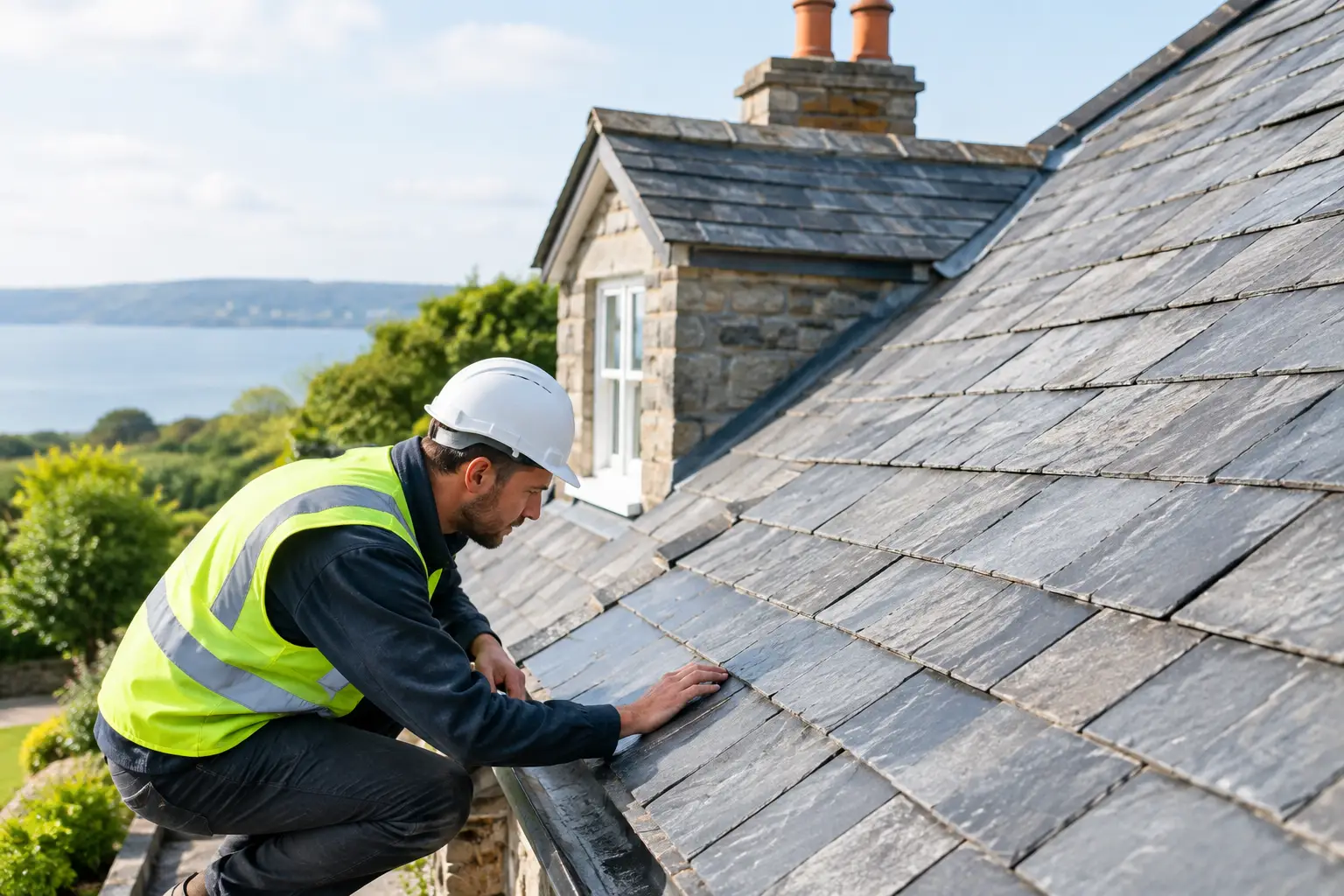
Learn how to assess heritage slate roofs, plan sympathetic repairs and protect a Central Scotland property from leaks, storm damage and costly disruption.
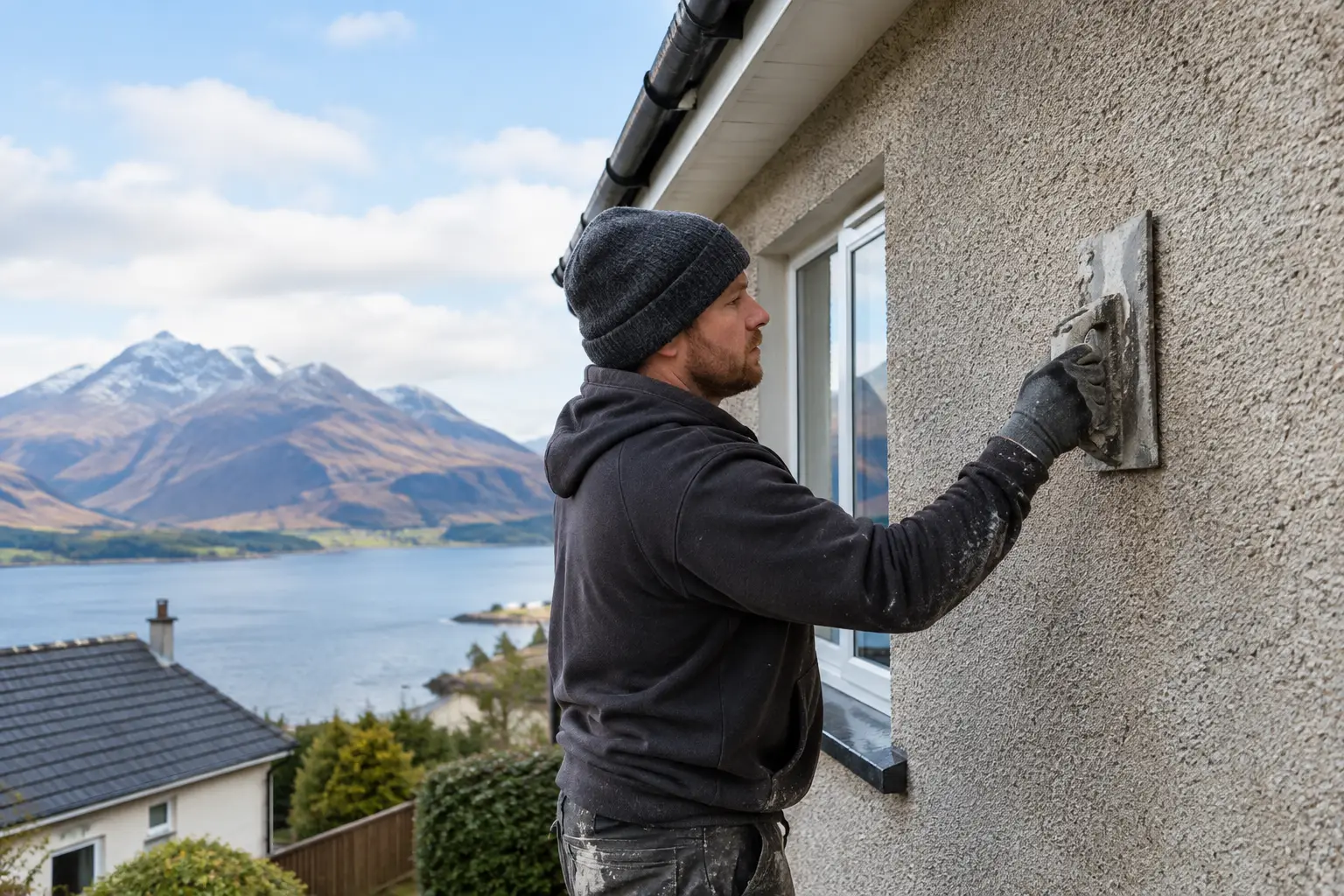
Is roughcasting worth it? See how this durable exterior finish protects Scottish homes, what affects the cost, and whether repair is enough for you...