October 8, 2026
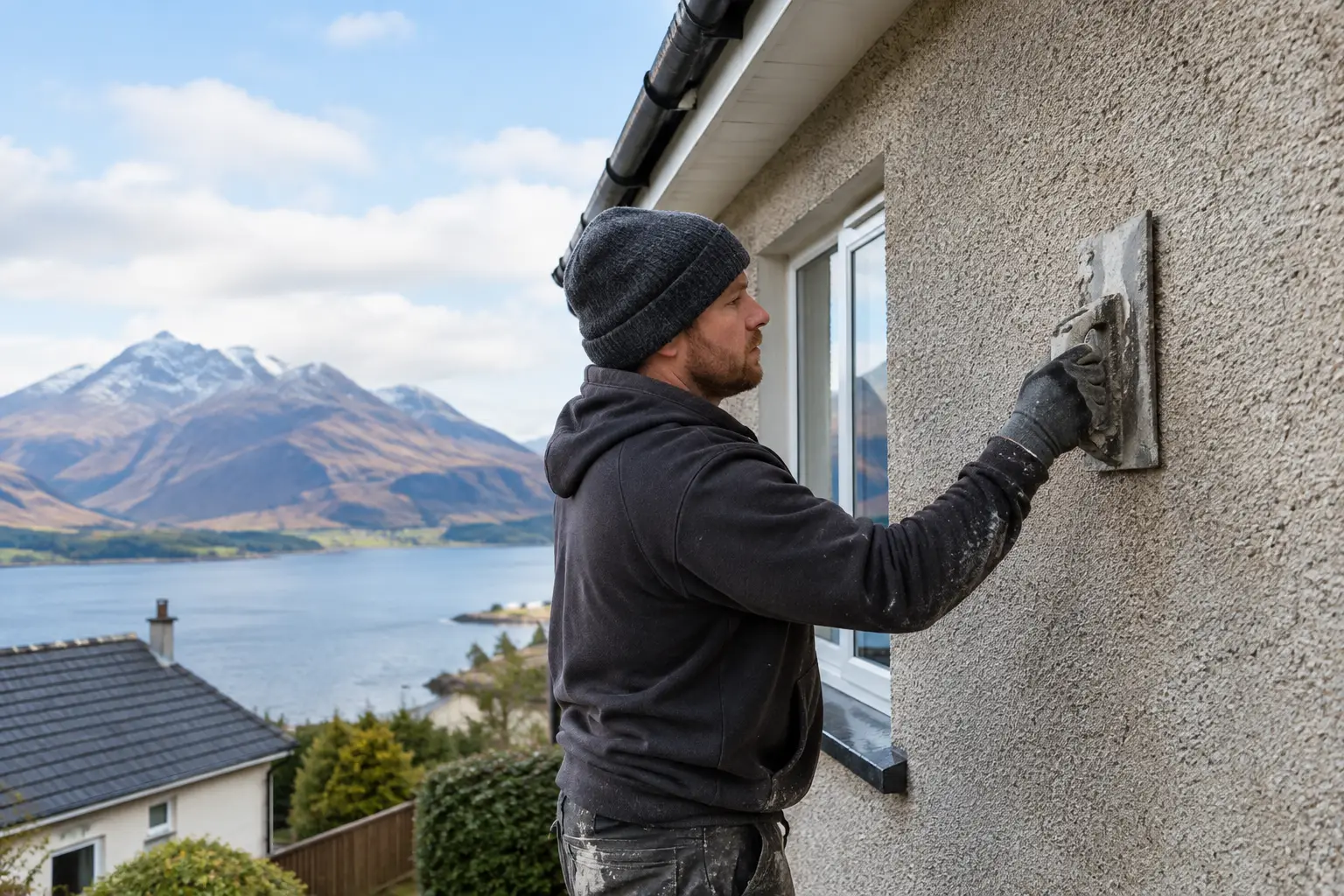
Is roughcasting worth it? See how this durable exterior finish protects Scottish homes, what affects the cost, and whether repair is enough for you...

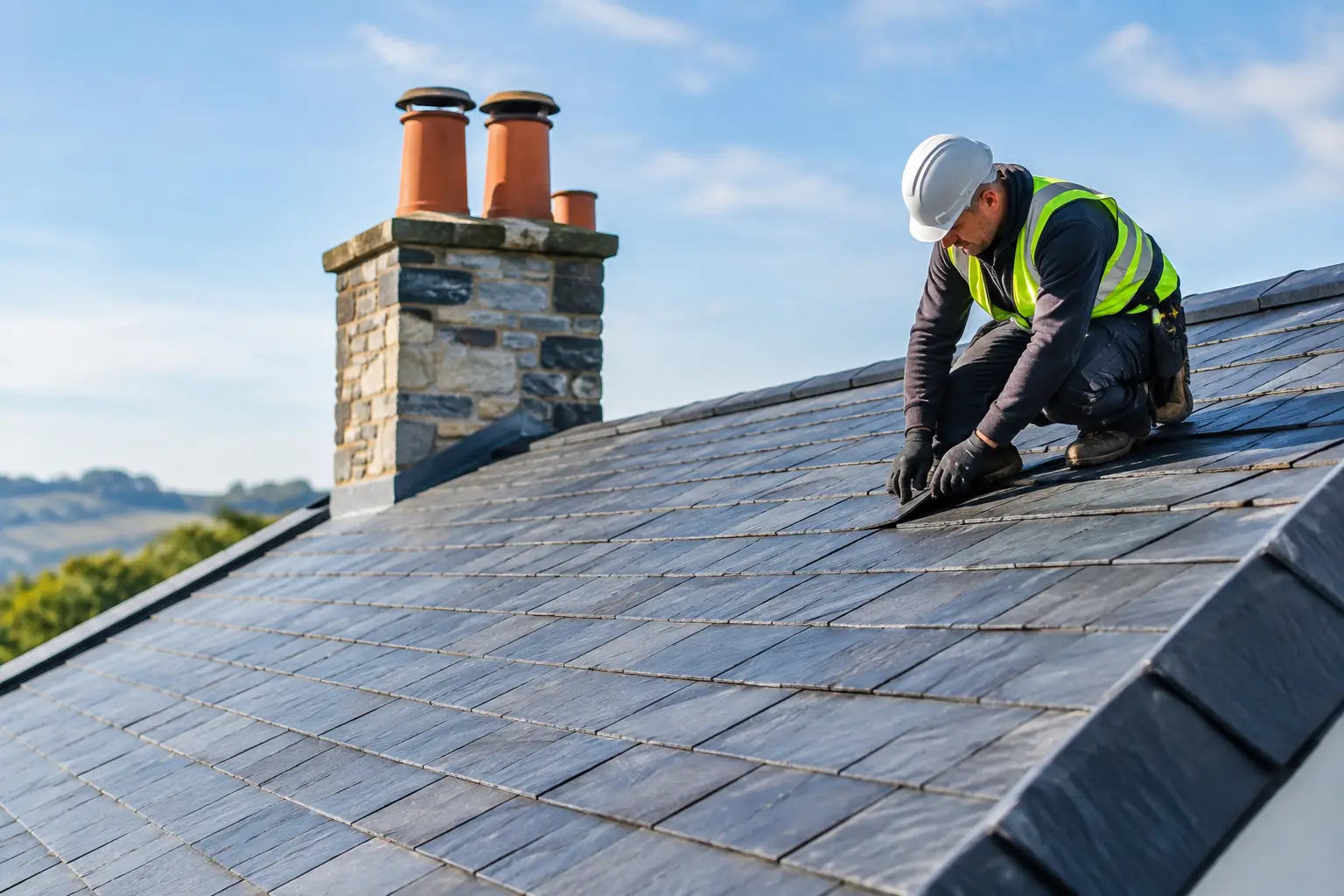
A slipped slate is not always a sign that an entire roof has reached the end of its life. On many older homes across Central Scotland, the slates themselves remain sound while the nails, flashings, ridge details or local roof timbers need attention. Proper slate roof restoration deals with the real cause of the problem, protecting the character of the property without replacing sound materials unnecessarily.
That distinction matters. Slate is one of the most durable roofing materials available, but no roof is maintenance-free. Years of wind, frost, rain and temperature changes can affect the fixings and details around it. A careful inspection helps establish whether your roof needs targeted repairs, a larger restoration programme, or, in some cases, full replacement.
Slate roof restoration is not simply putting a few loose slates back in place. It is a planned process of assessing the roof covering and its supporting details, repairing defects and retaining as much serviceable original slate as possible.
The work may include replacing slipped, cracked or missing slates; renewing failed nails and hooks; repairing leadwork around chimneys, valleys and abutments; and addressing worn ridge or hip mortar. Gutters and roof valleys may also need cleared or repaired where poor drainage has allowed water to track beneath the slates.
The right scope depends on the roof’s age, pitch, original construction and current condition. A well-restored slate roof should look in keeping with the property, shed water properly and give you confidence during the next spell of heavy weather.
A proper survey should look beyond the obvious missing slate. Water can enter a roof some distance from where it appears inside, particularly around chimneys, valleys and roof junctions. Damp patches in a loft, staining on ceilings or loose slates in the gutter are all reasons to arrange an inspection, but they do not tell the full story on their own.
Natural slate can last for generations when it is good quality and correctly installed. The weak point on an older roof is often the nail rather than the slate itself. Traditional iron nails can corrode over time, causing individual slates to slide out of position. This is often called nail sickness.
Where this is limited to isolated areas, individual repairs may be enough. If slates are regularly slipping across several slopes, the roof may need more extensive work. The contractor should explain whether the problem is localised or widespread, and why the recommended approach is appropriate.
A roof rarely fails without warning. You might notice a slate lying on the ground after high winds, uneven lines in the roof covering, mortar debris around the property, cracked leadwork or gutters overflowing in normal rain. Inside, a musty smell in the loft or a newly marked ceiling can indicate moisture getting through.
Do not climb onto a slate roof to investigate. Slate can be brittle underfoot, and walking in the wrong place can cause more damage. A professional roofer has the access equipment and experience to inspect it safely.
Good restoration work starts with access. Depending on the roof, this may mean scaffolding or a suitable roof ladder system, allowing the team to work safely without damaging the slates. Shortcuts at this stage can lead to broken slates, poor repairs and unnecessary risk.
Damaged slates are removed carefully and replaced with matching or sympathetic alternatives. Matching the size, thickness, colour and texture is more than a cosmetic concern. Slates need to lap correctly so water runs down and away from the roof structure. Where reclaimed slate is suitable, it can help preserve the appearance of an older property. In other cases, new slate may be the more reliable and available choice.
Fixings are equally important. Modern non-corroding nails or slate hooks can be used where appropriate, but the method needs to suit the roof design and exposure. A roof in an open, windier location may require a different approach from one in a sheltered street.
The details around the slate deserve the same attention. Lead flashings should be correctly formed and secured, not covered with temporary sealant. Valleys must direct water cleanly to the gutters, while ridge and hip details need to remain weather-tight without restricting the roof’s natural movement.
Homeowners are often told that an old slate roof needs complete replacement when a well-planned repair could provide many more years of service. Equally, repeatedly patching a roof with widespread fixing failure can become poor value. The sensible choice depends on evidence, not the age of the roof alone.
Targeted repair is generally suitable where the problem is confined to a small area, such as storm damage, a few broken slates or a localised flashing failure. Restoration is more appropriate where several elements are ageing but the main slate covering remains worthwhile. This could involve repairs across multiple areas, renewed flashings, selective re-slating and attention to ridges, valleys and drainage.
Replacement may be the best long-term option where the slates are extensively delaminating, the roof structure has significant deterioration, or a high proportion of slates and fixings have failed. If replacement is recommended, ask why restoration is not considered viable and what evidence supports that view. A clear explanation is part of a trustworthy quotation.
The best material is not always the cheapest available slate. Natural slate has a distinctive appearance and a long lifespan, making it a strong choice for traditional homes and conservation-sensitive areas. It is also often possible to retain sound existing slates and blend in carefully selected replacements.
Fibre cement slate can be a practical alternative on some roofs. It is lighter and can offer a consistent finish, though it will not replicate the depth and natural variation of traditional slate. The roof pitch, local planning requirements, budget and the character of the building should all be considered before deciding.
A quality restoration should also account for ventilation and insulation. Improving a loft space without considering airflow can create condensation issues. Roof work is an opportunity to review the whole system rather than treating the visible slate layer in isolation.
Roofing prices vary because every slate roof presents different access, material and repair requirements. A useful quote should set out the proposed work in plain language, including the affected areas, materials, access arrangements and any repairs to leadwork, ridges, valleys or gutters.
It should also make clear what happens if hidden issues are found once work begins. Rotten battens or damaged timbers cannot always be confirmed from ground level, but you should be told how any additional work will be discussed and approved. Avoid vague allowances that leave you uncertain about what has been included.
For properties in Falkirk, Stirling, Edinburgh and the surrounding areas, weather exposure can make prompt repairs especially worthwhile. A small defect left through a wet winter can allow water into timbers, insulation and internal finishes, increasing the eventual cost.
Once restoration is complete, regular visual checks from the ground can help you spot changes early. Keep gutters and downpipes clear so rainwater does not back up at the eaves. After severe winds, check for fallen slates or debris, and arrange a professional inspection if anything looks out of place.
Avoid pressure washing, coating or sealing a slate roof unless there is a very specific, professionally justified reason. These treatments can damage the slate, disturb fixings or trap moisture. Gentle maintenance and timely repairs are normally the better route.
If you are unsure whether your roof needs a simple repair or more extensive slate roof restoration, arrange a proper assessment before the next leak forces the decision. Forth Valley Roofing can provide clear advice, a free quote and workmanship backed by a five-year guarantee, so you can make a decision based on the condition of your roof rather than guesswork.
Is roughcasting worth it? See how this durable exterior finish protects Scottish homes, what affects the cost, and whether repair is enough for you...
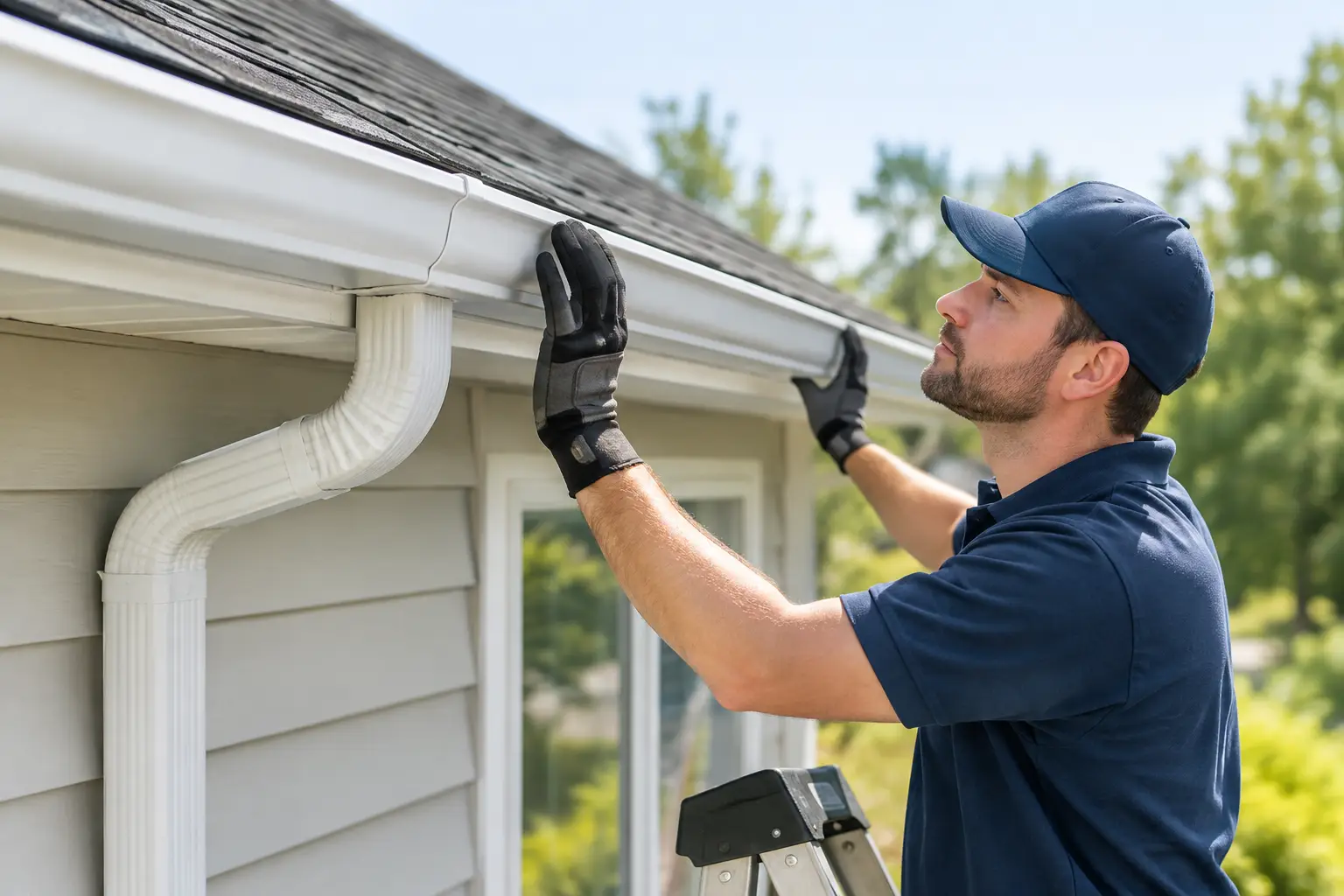
See a gutter replacement project example, from the first inspection to fitting new gutters, and learn what protects a Central Scotland home in winter.

Does roof ventilation reduce condensation? Learn when roof vents help, what causes loft moisture and how to protect your Central Scotland home this winter.