

October 10, 2026
A practical roughcast maintenance guide Scotland homeowners can use to spot damp, cracks and weather damage before repairs become more costly over winter.

If you are pricing external wall work, the first figure you will usually look for is the roughcasting cost per square metre. That makes sense, but it is only the starting point. Two houses with the same wall area can still come back with very different quotes depending on access, existing wall condition, finish choice, and how much preparation is needed before any new coat goes on.
For homeowners and landlords across Central Scotland, roughcasting is often less about appearance alone and more about weather protection. Done properly, it helps shield brickwork or blockwork from wind-driven rain, covers tired or uneven surfaces, and gives the property a cleaner, more durable finish. Done cheaply, without proper prep, it can fail far sooner than it should.
As a general guide, roughcasting cost per square metre in Scotland often falls somewhere between £40 and £90 per m2 for straightforward work. On simpler jobs with good access and minimal repairs, pricing may sit near the lower end. On older properties, larger detached homes, or walls needing significant preparation, the rate can move well beyond that.
That range is broad because roughcasting is not a one-price-fits-all service. The square metre rate usually reflects labour, materials, base coats, finish coats, and standard site setup. It does not always include extra repairs, scaffolding, waste removal, or decorative detailing, so it is worth checking exactly what is covered before comparing one quote with another.
For many householders, the mistake is assuming the cheapest rate per m2 offers the best value. In practice, a slightly higher figure may include important work that prevents cracking, detachment, or water ingress later on.
The biggest factor is wall condition. If the existing render is blown, cracked, hollow, or holding moisture, it may need to be removed before new roughcasting can be applied. That adds labour, disposal costs, and time. If the substrate underneath is damaged, repairs to blockwork or masonry can push the job higher again.
Access also matters more than people expect. A simple gable wall with open ground around it is easier to work on than a rear elevation above a conservatory, extension roof, narrow path, or sloping garden. Once scaffolding becomes more complex, the price follows.
Property size affects value too, but not always in a straight line. Larger homes may have a better rate per m2 because setup costs are spread across more area. Smaller jobs can look expensive on paper because the contractor still has to cover labour, transport, protection, and mobilisation.
The finish you choose can alter the price. Traditional wet dash roughcasting, dry dash, and render systems each have different material and labour requirements. Colour choice may also affect cost if a premium finish or specific aggregate is requested.
Then there is location and exposure. Homes in exposed parts of Stirling, Falkirk or the wider Central Belt often need careful specification because they take more punishment from rain and wind. On these properties, proper preparation and the right materials matter far more than shaving a few pounds off the rate.
A proper roughcasting quote should tell you more than a total. At minimum, it should explain whether old render is being removed, whether repairs are included, what finish is being applied, and whether scaffolding is part of the price.
It should also set out how reveals, window edges, doors, pipes and external fixtures are handled. These details affect both appearance and durability. If one quote includes making good around openings and another does not, they are not truly comparable.
Waste removal is another point worth checking. Stripping failed render creates a surprising amount of rubble, and disposal can be a real cost on larger jobs. Protective sheeting, site tidiness, and clean-up should not be afterthoughts either.
A trustworthy contractor will normally explain the process in plain terms. That matters because roughcasting is one of those jobs where hidden defects often show up only after work starts. Clear communication from the outset reduces awkward surprises later.
Many older homes across Central Scotland have already had several rounds of patching, repainting or partial rendering over the years. Once those layers start failing, a proper job usually means taking things back further than the owner expected.
You may find loose areas around window heads, hairline cracks that run deeper than they look, or sections where moisture has become trapped behind the existing finish. None of that means the work is impossible, but it does mean the final cost per square metre can rise because more remedial work is needed.
Older houses can also be less uniform. Uneven walls, awkward corners, old extensions, and mixed materials all slow the job down. A modern property with clean elevations is generally quicker and more predictable.
In many cases, yes – if the existing exterior is tired, porous, or starting to let in damp. Roughcasting improves weather resistance and reduces the amount of ongoing patch repairs you may otherwise keep paying for. It also freshens up kerb appeal, which matters whether you plan to stay long term or eventually sell.
That said, it is not always the right answer. If only a small isolated section has failed, a localised repair may be more sensible than redoing the full elevation. Equally, if the underlying wall has structural movement, covering it over with new roughcasting will not solve the root problem.
The right approach depends on the condition of the building. A good contractor should be honest about that rather than pushing a full replacement where it is not needed.
When comparing roughcasting cost per square metre, look beyond the headline figure. Ask whether the measurements are for net wall area or gross area. Openings such as windows and doors can make a difference to how prices are calculated.
Check the prep work carefully. One firm may quote cheaply because they are applying over questionable existing surfaces. Another may include removal, repairs, and a better-quality finish. The second quote will look dearer at first glance, but it may save you from problems a year or two down the line.
Timeframe matters as well. External work is weather-dependent, and rushed jobs rarely age well. It is reasonable to ask how long the work should take, what happens if weather delays it, and how the property will be protected during the process.
Insurance and guarantee cover are important too. Exterior wall finishes take a battering in Scottish conditions, so you want the reassurance that workmanship is backed properly. This is one area where local reputation counts for a lot. Companies that rely on word of mouth in their own area tend to take aftercare more seriously.
A smaller semi-detached house with simple access and limited prep may come in at the lower-middle end of the market rate. A larger detached house needing full scaffold access on multiple elevations, old render removal, and masonry repairs will naturally land much higher.
For example, a straightforward 100 m2 job at £50 per m2 looks very different from a more involved 140 m2 job at £85 per m2 once access, repairs, and waste are added. That is why rough estimates can only go so far until someone sees the property in person.
If you are budgeting, treat online figures as guidance rather than a promise. They help set expectations, but they cannot replace a site visit and a detailed written quote.
The best value usually comes from doing the work properly once, rather than choosing the lowest upfront price. Good roughcasting depends on sound preparation, suitable materials, and proper application in the right conditions.
If your walls are already showing cracking, staining, or loose patches, leaving it too long can make the final bill worse. Small failures often spread as water gets behind the finish. Acting early can sometimes mean a simpler and cheaper scope of work.
At Forth Valley Roofing, we often find that customers feel more confident once the job is broken down clearly – what needs done now, what is optional, and what is likely to affect lifespan. That straightforward approach matters when you are investing in the exterior of your home.
If you are weighing up roughcasting quotes, the most useful question is not just what the rate is per square metre, but what that rate is actually buying you. A clear quote, honest advice, and solid workmanship usually tell you more than the cheapest number on the page.
A practical roughcast maintenance guide Scotland homeowners can use to spot damp, cracks and weather damage before repairs become more costly over winter.
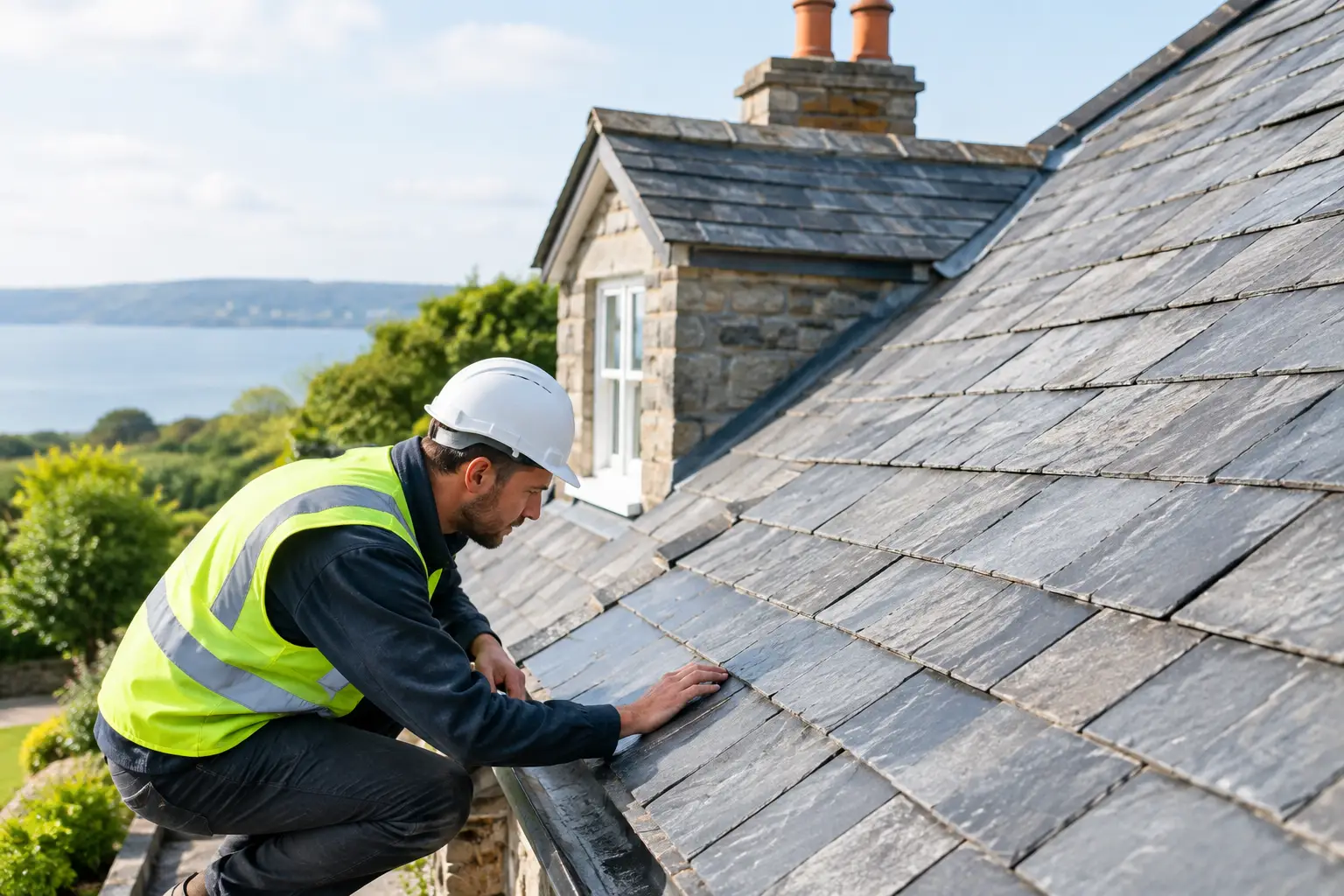
Learn how to assess heritage slate roofs, plan sympathetic repairs and protect a Central Scotland property from leaks, storm damage and costly disruption.
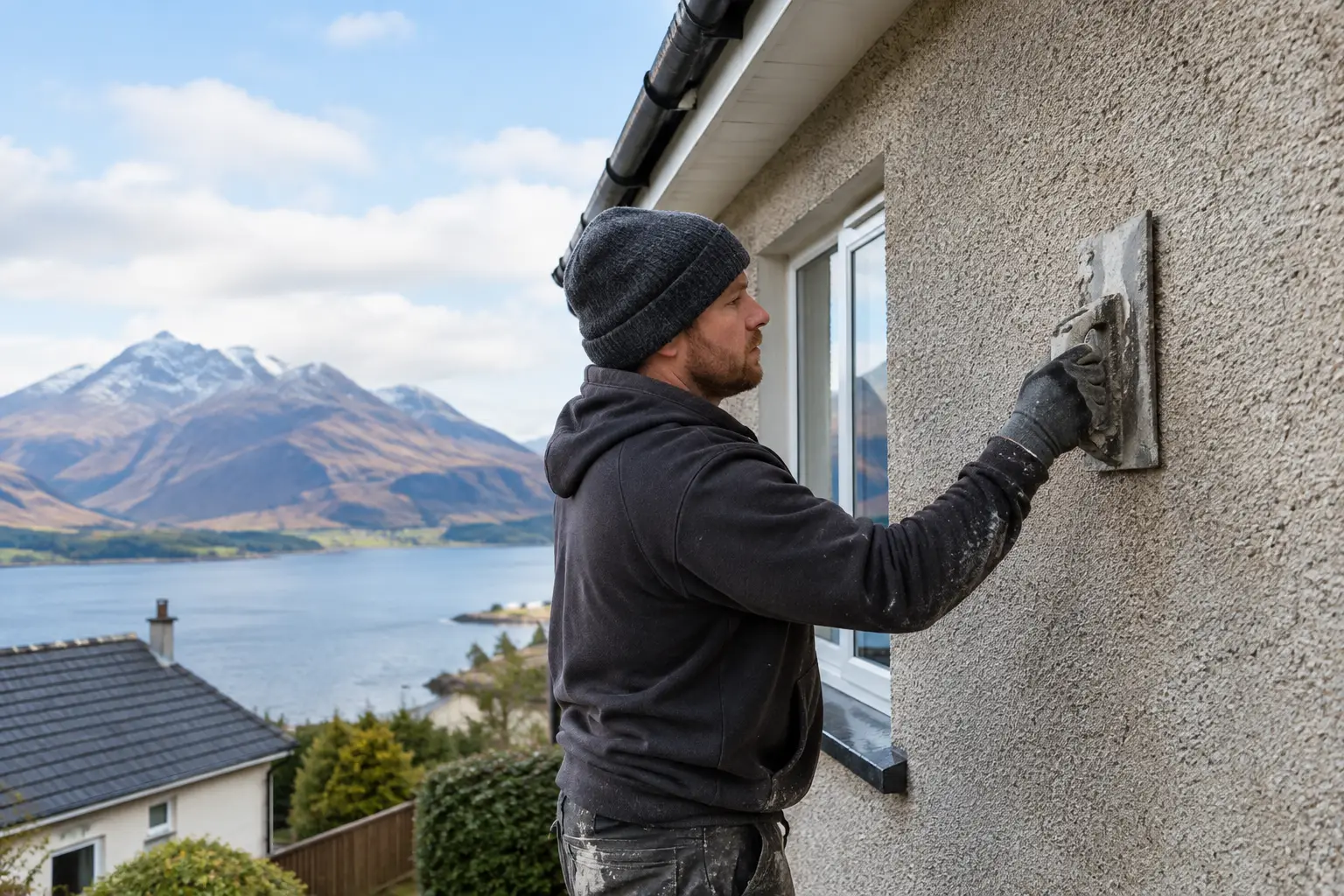
Is roughcasting worth it? See how this durable exterior finish protects Scottish homes, what affects the cost, and whether repair is enough for you...