October 8, 2026
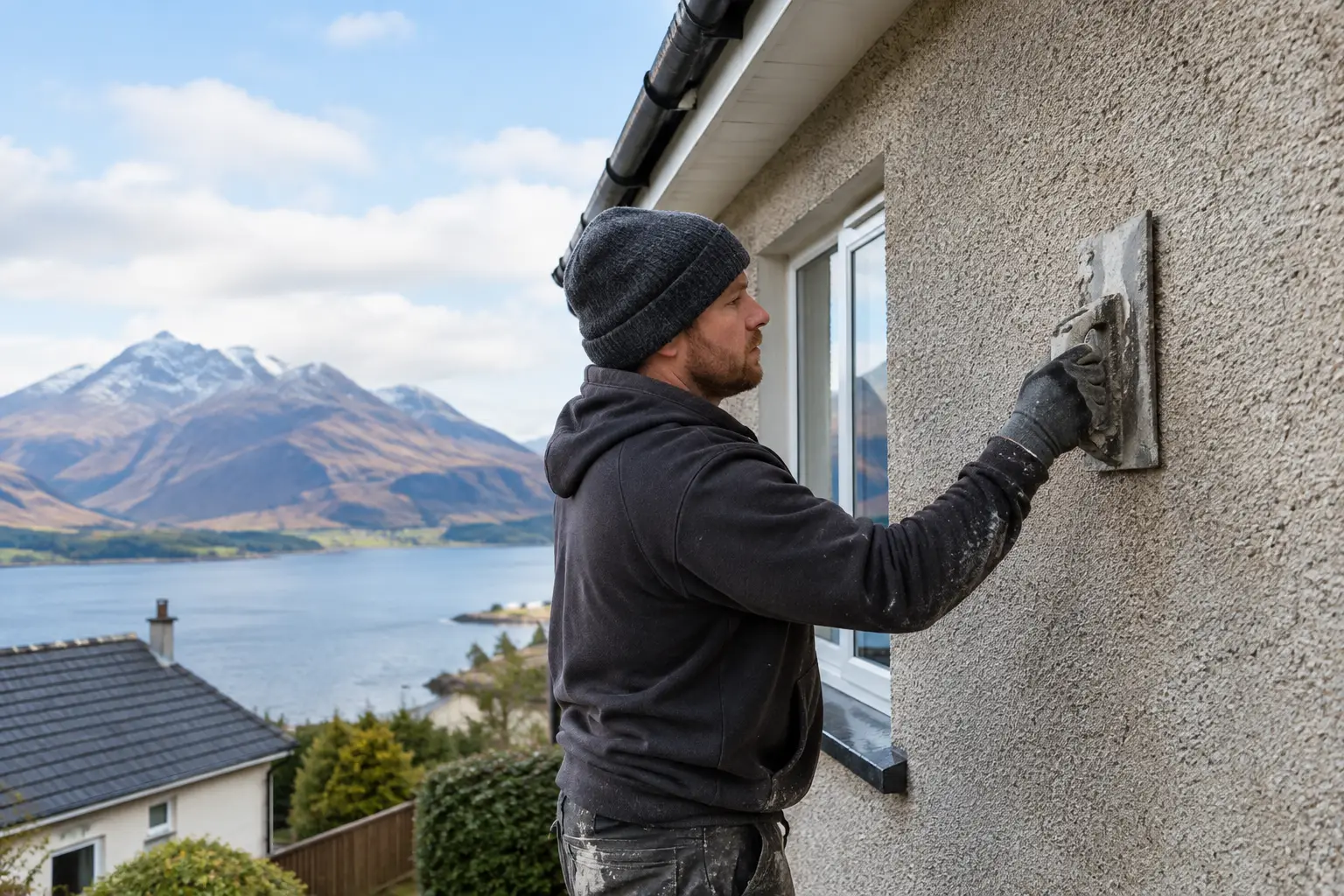
Is roughcasting worth it? See how this durable exterior finish protects Scottish homes, what affects the cost, and whether repair is enough for you...

A replacement roof is not the place to choose a tile by colour alone. In Central Scotland, a roof has to cope with persistent rain, wind-driven weather, frost, moss growth and, in exposed areas, severe gusts. This roof tile brands review looks at the names homeowners most often encounter and, more importantly, how to choose a tile system that suits the property beneath it.
The right answer is rarely simply the cheapest tile or the best-known manufacturer. Roof pitch, the condition of the timber structure, the local exposure level, planning considerations and the look of neighbouring homes can all affect the best choice. A good roofing contractor should explain those points before recommending a material.
A tile brand matters because it determines more than the appearance of the roof. Each manufacturer has its own profiles, sizes, fixing requirements, compatible ridge systems and approved accessories. Using a complete, properly fitted system helps reduce weak points around verges, valleys, ridges and roof penetrations.
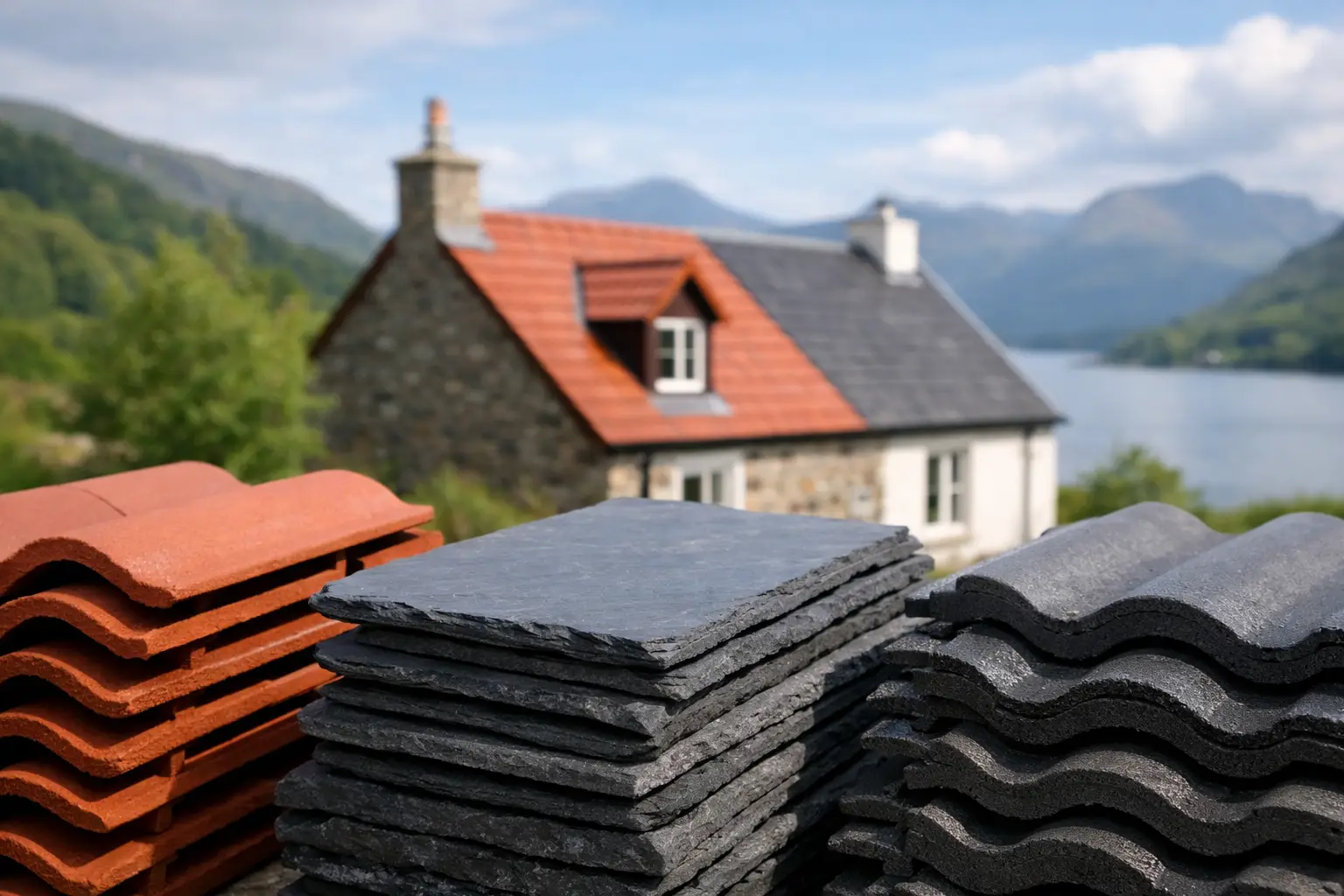
For homeowners, the main considerations are weather performance, lifespan, appearance, availability and cost. Concrete tiles are widely used across Scotland because they are strong, practical and available in styles that suit both modern and traditional homes. Clay tiles offer lasting colour and a distinctive finish, but may cost more and can be less suitable where a roof structure cannot take additional weight without assessment. Natural slate remains a popular choice for period properties, although it is a separate category from manufactured roof tiles and requires specialist installation.
It is also worth remembering that no tile performs well if the detailing is poor. A quality tile can still leak if the underlay, battens, flashing or fixings are wrong. Equally, a well-installed roof using an appropriate mid-range tile can give decades of dependable service.
Marley is one of the most recognised names in UK roofing materials. Its range includes concrete roof tiles, clay tiles and integrated roofing components, making it a practical option for many full roof replacements. Homeowners often choose Marley for the breadth of profile and colour options, from clean-lined modern tiles to traditional-looking designs.
A key benefit is the availability of matching ridges, hips, dry verge systems and other accessories. This allows the roof to be designed as a coordinated system rather than a collection of parts from different suppliers. Marley concrete tiles are commonly specified where a durable, cost-conscious solution is needed without compromising on a neat finish.
The trade-off is that particular profiles can look noticeably different from older, weathered tiles. For a small repair, matching a new Marley tile to an existing roof can be difficult if the original tile has faded or is no longer made. In that situation, a roofer may need to source reclaimed tiles or discuss whether a wider section should be renewed for a consistent result.
Redland has a long-standing reputation in the UK market and offers a broad selection of concrete and clay tiles, including low-pitch options. That makes it a brand worth considering when the roof design limits the materials that can safely be used.
A shallow roof pitch needs particular care. Water drains more slowly, and wind can drive rain beneath tiles that would perform perfectly well on a steeper roof. Redland systems may offer suitable options for these applications, but the exact product specification and fixing method must be checked against the roof pitch and site exposure. There should never be a one-size-fits-all approach.
Redland is also frequently considered for properties where a traditional tile appearance is wanted. The available profiles can work well on suburban homes, extensions and larger renovation projects. As with any manufacturer, colour samples are useful, but viewing completed roofs can give a better sense of how a tile will look in changing Scottish light and after a period of weathering.
Sandtoft is particularly well known for clay roofing products and heritage-inspired styles. It can be a strong choice where the character of the property matters as much as day-to-day performance, such as traditional cottages, period homes or projects in visually sensitive areas.
Clay tiles have a depth of colour and finish that many homeowners prefer. Their colour is generally inherent in the material rather than applied as a surface coating, so they can retain their appearance very well over time. They are also a worthwhile option for homeowners who want a more premium finish.
However, clay is not automatically the right choice for every property. Tile weights vary, and the roof structure should be suitable for the proposed covering. Budget also needs to include compatible fittings, labour and any required strengthening work, not just the cost of the tile itself. A cheaper-looking quote can become expensive if these details have been overlooked.
There are other reputable roof tile manufacturers on the market, and the best choice may depend on what is locally available, what profile suits the roof and whether an existing tile needs matched. For repairs, the manufacturer is sometimes less important than identifying the exact tile shape, size, interlock and headlap.
Many older roofs contain discontinued tiles. Even two tiles that appear similar can have slightly different dimensions, which can affect how they interlock and shed water. A professional inspection is the sensible starting point before ordering replacement materials or agreeing to a repair.
Brand comparison is useful, but material selection usually comes first. Concrete tiles are practical, versatile and generally offer good value on standard pitched roofs. They are available in a wide range of colours and profiles, including styles made to resemble slate or traditional plain tiles.
Clay tiles are often chosen for visual character, colour retention and long-term appeal. They can suit many homes, but the higher initial cost and structural requirements must be considered. They also need careful handling during installation, particularly where valleys, cuts and complex roof details are involved.
Natural slate is a classic choice across Scotland, especially on older buildings. It offers a distinctive appearance and can last for a very long time when correctly installed. Yet slate work is skilled work, and a slate roof should not be treated like a concrete-tile replacement. The fixing method, roof structure, leadwork and ventilation arrangements all need appropriate attention.
Tiles are only the visible outer layer. Underneath them are battens, breathable membrane or underlay, fixings, ventilation and structural timbers. At the edges and junctions, details such as lead flashings, valleys, ridge tiles, chimney abutments and gutters manage large volumes of water.
This is why two quotes for apparently identical tiles can differ. One may include new membrane, treated battens, mechanical fixings, dry ridge work and repairs to damaged timber. Another may only cover a basic retiling job. Ask what is included, what will be inspected once the old covering is removed, and how unexpected defects will be priced.
For homes in Falkirk, Stirling and other exposed parts of Central Scotland, fixing specifications deserve particular attention. Wind loading is not a minor detail. Tiles, ridges and verges need to be secured correctly for the property and location, not merely fitted to look tidy on the day work is completed.
Start with a roof survey rather than a catalogue. The survey should establish the roof pitch, measure the covering area, identify any signs of timber deterioration and assess the condition of chimneys, leadwork and rainwater goods. It should also consider whether the property needs a like-for-like replacement or whether a different profile would improve the finish and performance.
Then compare quotes on a like-for-like basis. Check the named tile, colour, accessories, underlay, battens, waste removal, scaffolding, guarantee and expected timescale. If a quote does not identify the proposed tile system, ask for clarification. Clear information before work starts helps avoid disputes later.
It is sensible to choose a tile that complements the property rather than follows a passing trend. A charcoal grey tile can suit a contemporary extension, while a softer red or brown clay finish may sit better on a traditional home. Planning restrictions can apply in conservation areas or to listed buildings, so this should be checked before materials are ordered.
Forth Valley Roofing can assess the condition of your roof, explain suitable tile options in plain language and provide a clear quote for repair or replacement work. The best roof tile brand is the one that is properly specified for your home, fitted to a high standard and supported by workmanship you can rely on for years to come.
Is roughcasting worth it? See how this durable exterior finish protects Scottish homes, what affects the cost, and whether repair is enough for you...

See a gutter replacement project example, from the first inspection to fitting new gutters, and learn what protects a Central Scotland home in winter.

Does roof ventilation reduce condensation? Learn when roof vents help, what causes loft moisture and how to protect your Central Scotland home this winter.