
October 10, 2026
A practical roughcast maintenance guide Scotland homeowners can use to spot damp, cracks and weather damage before repairs become more costly over winter.

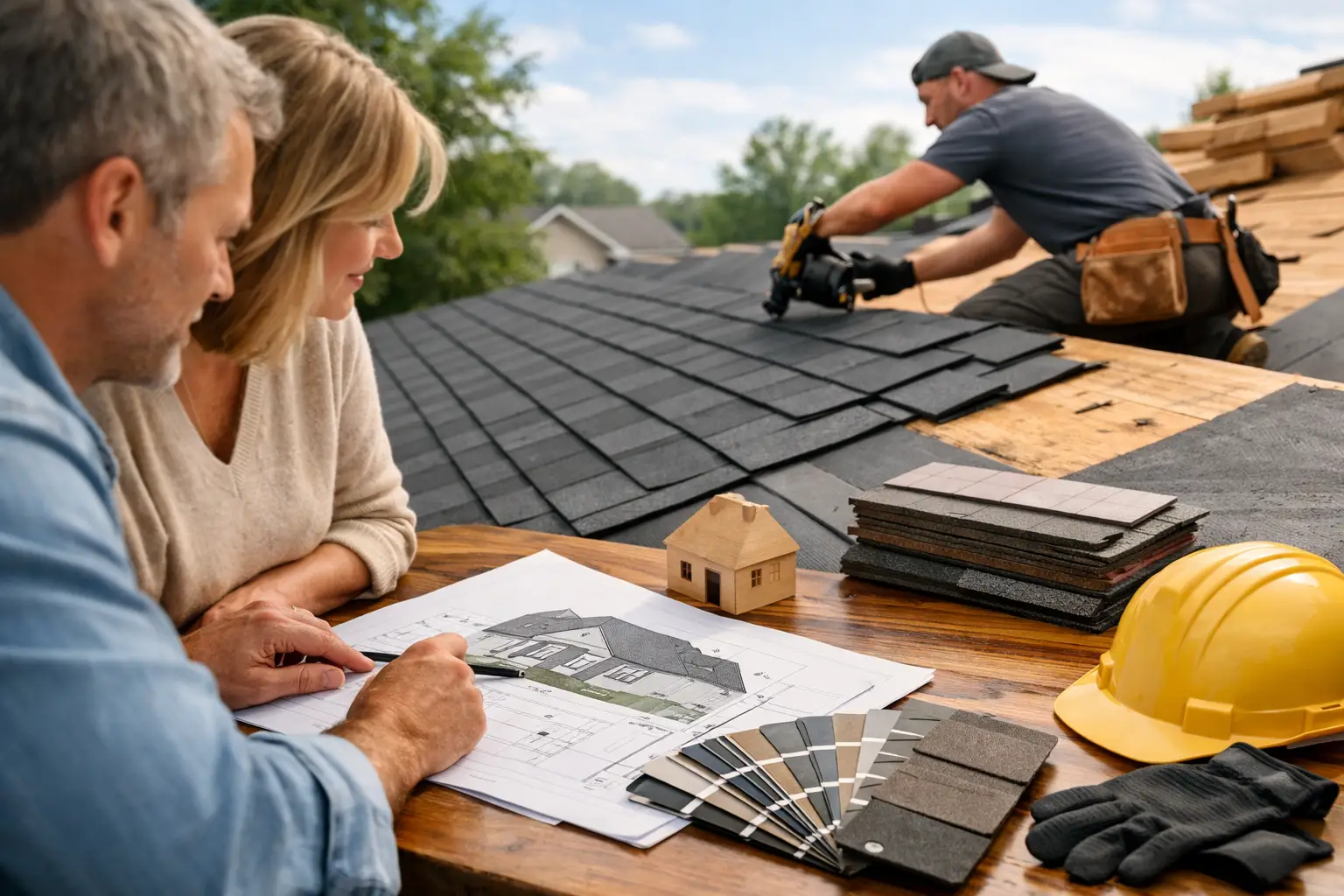
A roof replacement is rarely something people plan years in advance. More often, it starts with a leak after heavy rain, slipped tiles after a storm, or a roofer pointing out that repairs are becoming a short-term fix. That is why a proper roof replacement planning guide matters. It helps you move from worry and guesswork to a clear plan, realistic budget, and a result that protects your property for years.
In Central Scotland, where roofs deal with wind, driving rain and long spells of damp weather, planning properly can save a lot of stress. A rushed decision can leave you with the wrong materials, an unclear quote, or work that solves one problem while missing another. A well-planned replacement gives you more control over cost, timing and quality.
Many homeowners understandably look for a repair first. In plenty of cases, that is the right call. If the issue is localised, such as a few missing tiles, damaged flashing, or a small flat roof defect, a targeted repair can add more life to the roof without unnecessary expense.
The balance changes when problems keep returning. If you are paying for repeated patch repairs, seeing leaks in different areas, or noticing that the roof covering is at the end of its service life, replacement often works out better value over time. The same applies when the roof structure has been affected by long-term water ingress, poor ventilation, or old underlay that is no longer doing its job.
Age matters, but condition matters more. Some roofs can last well if they have been maintained properly, while others deteriorate earlier because of weather exposure or poor installation. A proper inspection should look beyond the outer covering and assess the full system, including battens, underfelt, leadwork, ridge lines, chimneys, fascias, soffits and guttering.
The first step is knowing exactly what you are dealing with. That sounds obvious, but many people are asked to make decisions before they have a full picture. A quote based only on a quick look from ground level is not enough for a major investment.
A useful assessment should explain what is failing now, what is likely to fail soon, and whether there are related issues that should be tackled at the same time. For example, replacing roof tiles without addressing damaged lead flashing around a chimney can store up trouble for later. The same goes for rotten timber at the eaves or blocked, failing gutters that continue sending water back towards the property.
This stage is also where you decide whether you want a like-for-like replacement or an upgrade. Some homeowners simply want a sound new roof in a similar style. Others use the opportunity to improve ventilation, replace old uPVC roofline products, upgrade flat roofing sections, or prepare for solar panels in future.
One of the biggest concerns is cost, and fairly so. Roof replacement is a significant job. The total price depends on the roof size, pitch, access, material choice, scaffold requirements, and whether there is hidden damage beneath the covering.
It helps to think in two figures rather than one. The first is the expected cost based on visible work. The second is a contingency for issues uncovered once the old roof is stripped back. On older properties in particular, problems with battens, underlay or timber ends are not unusual. Planning for that possibility from the start makes the process less stressful.
Cheap quotes can be expensive in the long run. If one price is far below the rest, ask why. It may exclude scaffold, waste removal, replacement of key details, or any allowance for defects found during the job. A good quote should be clear about what is included, what is not, and how extra work would be handled if needed.
For landlords and property managers, budgeting also means thinking about disruption. If a tenanted property needs a full replacement, timing and communication matter just as much as the headline figure.
Not every roof should be treated the same way. The right material depends on the building style, local exposure, planning considerations and budget.
Concrete tiles are often chosen for practicality and value. They are durable and widely used, but they are heavier than some alternatives, so the roof structure needs to be suitable. Slate offers a traditional appearance and long life, which can make it a strong choice for certain properties, though it usually comes with a higher upfront cost.
For extensions, garages and commercial sections, flat roofing systems may be part of the project. In those cases, the detail matters. The performance of a flat roof depends heavily on the system used and the standard of installation. A modern membrane system can be a very reliable option when specified properly.
This is where local experience helps. A roof in Falkirk or the wider Central Belt needs to cope with Scottish weather, not just look good on paper. The best choice is usually the one that suits the property, the exposure level and the budget together, rather than the one with the biggest sales pitch behind it.
When homeowners compare roofing quotes, the natural instinct is to look at the bottom line first. That is understandable, but it should not be the only measure.
Look at how detailed each quote is. Does it specify the roof covering, underlay, battens and ridge system? Does it mention chimney work, leadwork, ventilation, waste disposal and scaffold? Does it explain the guarantee and whether the contractor is insured? If the quote is vague, it is harder to hold anyone accountable later.
It is also worth paying attention to communication. If a contractor is difficult to pin down before the job begins, that often does not improve once work is underway. Roofing projects run better when customers know what is happening, when the team is due on site, and how any issues will be discussed.
A dependable local firm should be able to explain recommendations in plain language. You should not need specialist roofing knowledge to understand what you are paying for.
People often ask for the best time of year to replace a roof. The honest answer is that it depends. Better weather can help with scheduling, but roofing work is carried out throughout the year. What matters most is planning around the condition of the roof and the urgency of the issue.
If your roof is already letting in water, waiting for a perfect dry spell may not be realistic. Temporary repairs can sometimes buy time, but there is a point where delay risks more internal damage. On the other hand, if the roof is aging but still watertight, it may be possible to plan ahead and choose a time that suits your household or property schedule better.
Good contractors will also be realistic about weather disruption. In Scotland, a timetable should allow for conditions on site rather than pretend every week will run exactly to plan.
A roof replacement is smoother when expectations are clear from day one. Ask who will be managing the job, how long it is expected to take, and what happens if additional problems are found once the covering comes off.
It is sensible to ask about access, noise, waste removal and whether parts of the driveway or garden need to be kept clear. If you have a loft full of stored items, it may be wise to protect them from dust before work begins. If you live in a terrace or manage a shared building, neighbour communication can also help avoid unnecessary friction.
You should also ask what guarantee is being offered and what it covers. A guarantee has more value when it is backed by an established, insured contractor with a track record in the area.
A replacement roof should not be viewed as just a strip-and-refit exercise. It is a chance to improve the way the whole roof system performs. Better ventilation can reduce condensation risk. Renewed leadwork can prevent future weak points. New fascias, soffits and guttering can improve drainage and finish the job properly.
That long-term view often separates a decent result from a genuinely worthwhile one. The aim is not simply to get through the next winter, but to leave the property better protected, easier to maintain and less likely to need repeated call-outs.
For homeowners and landlords alike, confidence comes from clarity. When you understand the condition of the roof, the scope of the work, and the reasoning behind the quote, decisions become much easier. If you are at the stage of weighing up your options, taking a little more time to plan now usually saves money, stress and disruption later. A good roof should give you peace of mind, and that starts well before the first tile comes off.
A practical roughcast maintenance guide Scotland homeowners can use to spot damp, cracks and weather damage before repairs become more costly over winter.
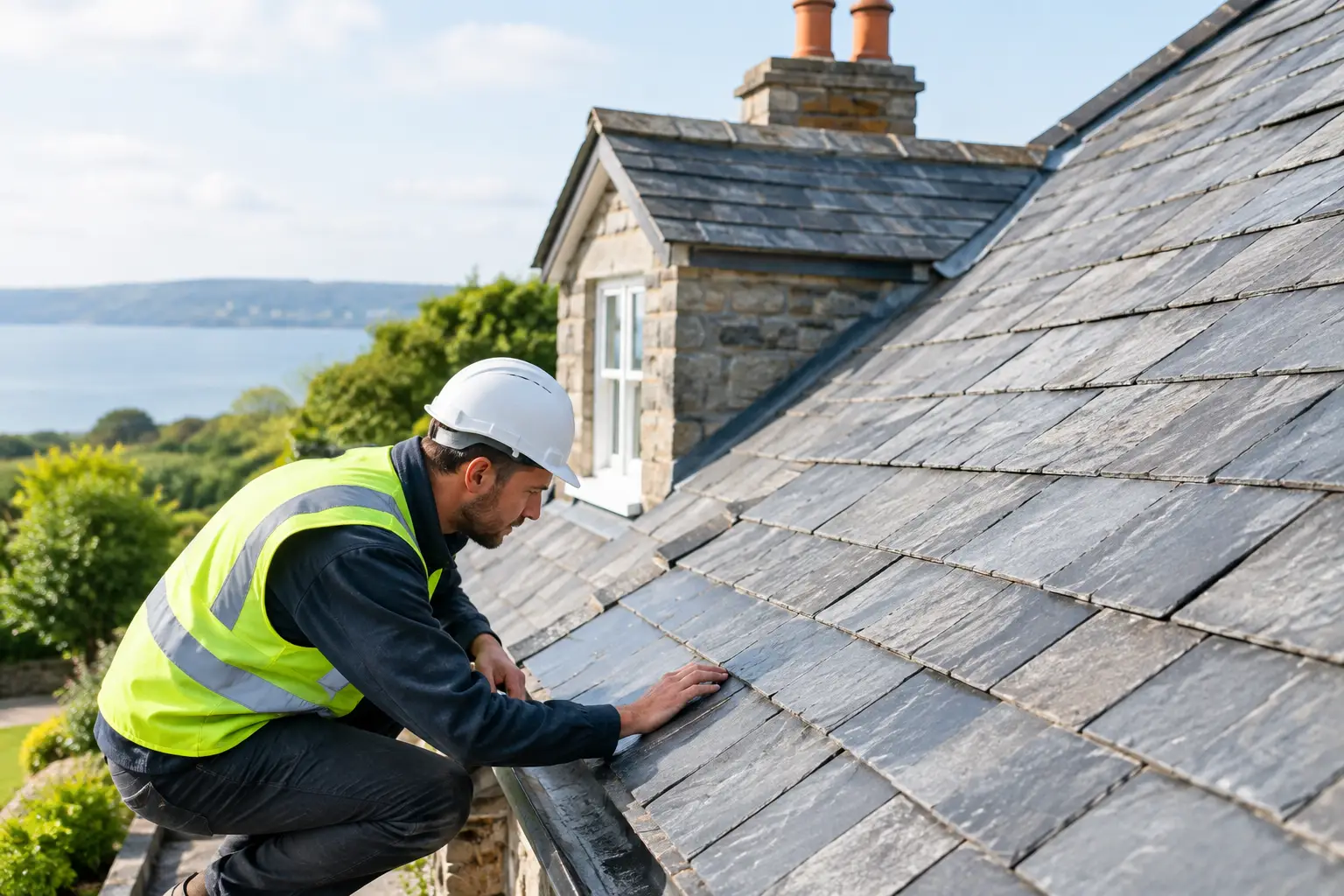
Learn how to assess heritage slate roofs, plan sympathetic repairs and protect a Central Scotland property from leaks, storm damage and costly disruption.
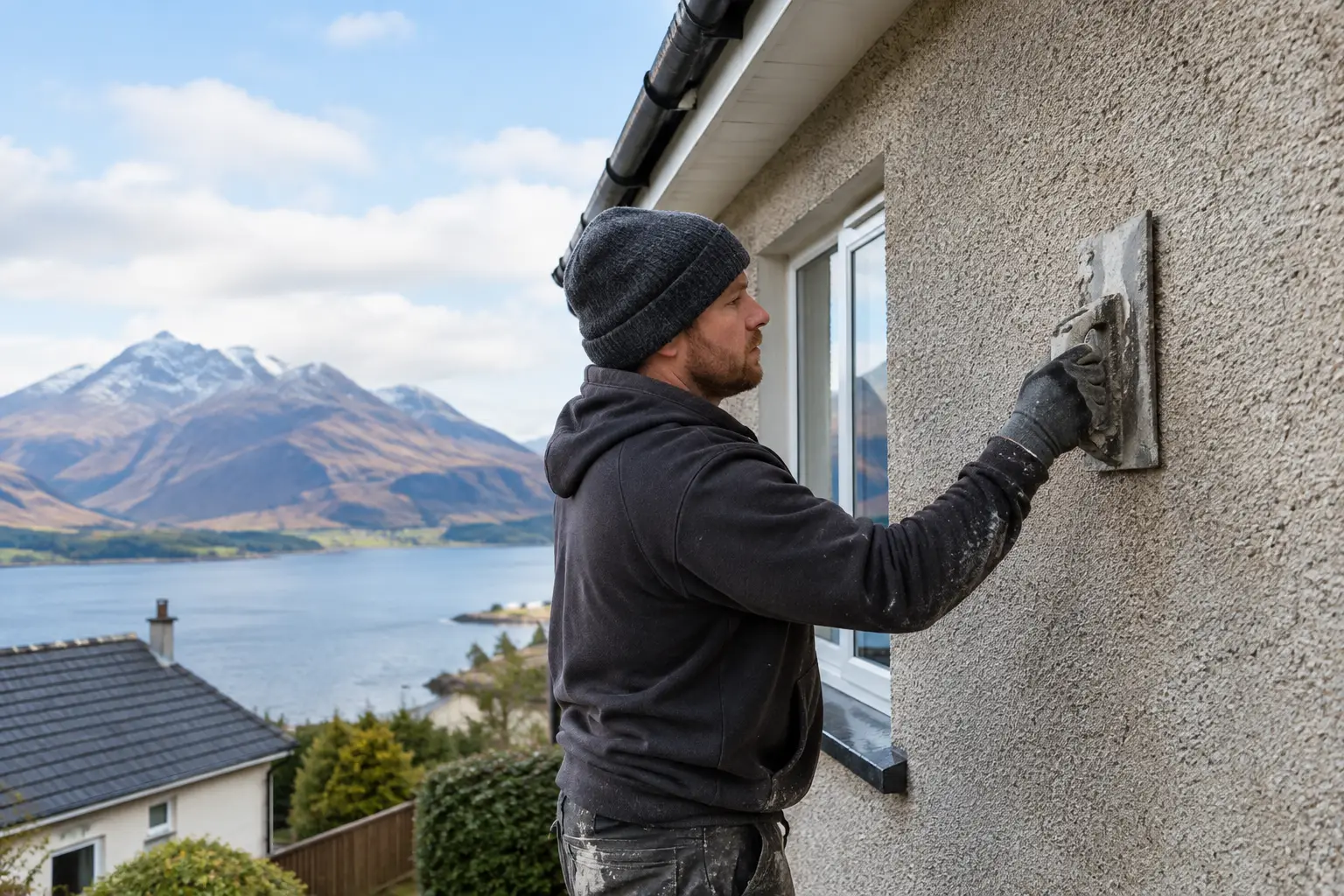
Is roughcasting worth it? See how this durable exterior finish protects Scottish homes, what affects the cost, and whether repair is enough for you...