
October 10, 2026
A practical roughcast maintenance guide Scotland homeowners can use to spot damp, cracks and weather damage before repairs become more costly over winter.

A flat roof usually starts getting attention for the wrong reason – a damp patch on the ceiling, a drip over the back door, or bubbling felt that suddenly looks far worse after a spell of heavy rain. The trouble is that flat roofing is often treated as the cheaper, simpler option, when in reality it only performs well if the design, materials and installation are right from the start.
For homes, garages, dormers and extensions across Central Scotland, a flat roof can be a very sensible choice. It is neat, practical and often more cost-effective than a pitched alternative. But not all flat roofs are equal, and not every property suits the same system. If you are planning a replacement or dealing with a roof that has reached the end of its life, it helps to understand what actually matters.
When people hear the words flat roof, they often think of leaks, pooling water and short lifespans. Some of that reputation comes from older installations that were built with lower-grade materials or patched repeatedly rather than replaced properly.
A flat roof is not truly flat. It needs a slight fall so water can drain towards an outlet or gutter. If that fall is poor, even a good material can struggle over time. Add ageing joints, cracked surfaces or weak detailing around edges and upstands, and problems start to show.
In many cases, the issue is not flat roofing itself but poor workmanship, a roof system that was wrong for the structure, or years of neglected maintenance. That is an important distinction because a well-installed flat roof can give long, reliable service.
There is no single best option for every building. The right choice depends on the roof size, how it is used, the deck beneath it, budget, and how long you expect the roof to last.
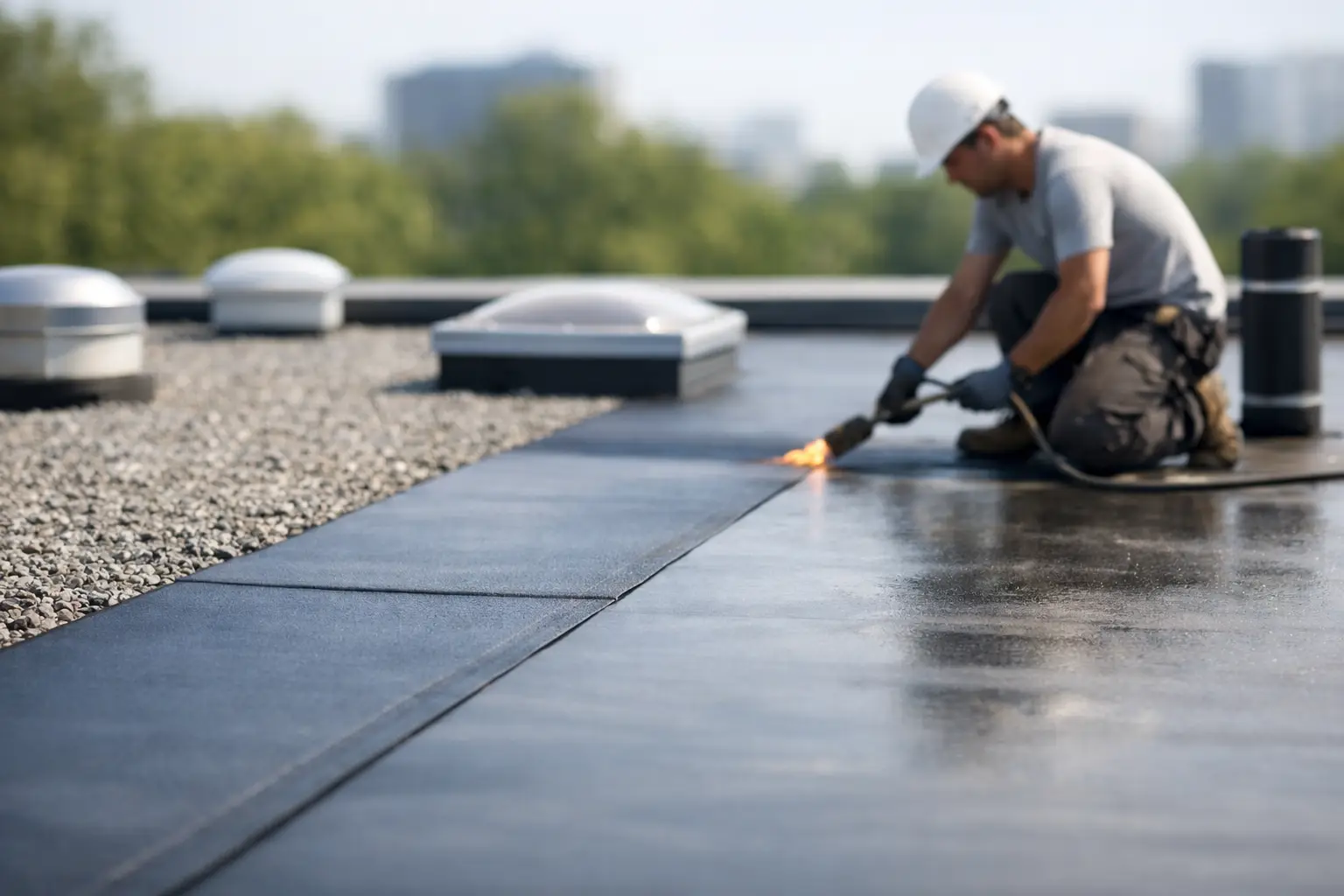
Traditional felt remains common, particularly on garages, sheds and smaller domestic roofs. Modern felt systems are much better than the older versions many people remember. They are layered, torch-applied and can provide solid weather protection when fitted correctly.
Felt is often chosen because it is affordable and proven. It suits many straightforward domestic jobs, but it may not be the strongest long-term option where there is regular foot traffic or where a roof has lots of awkward detailing.
GRP, often called fibreglass roofing, creates a hard, seamless finish. It is popular on extensions and smaller roofs because it looks tidy and can be very watertight when conditions are right during installation.
The main benefit is the smooth surface and minimal joints. The trade-off is that installation conditions matter. If the weather is poor or the roof structure moves more than expected, the finish can be affected. It is a strong option, but it needs experienced fitting.
Single-ply membranes are increasingly popular for both domestic and commercial flat roofs. A quality system such as Fatra offers durability, clean detailing and strong resistance to weathering. These membranes are particularly useful where clients want a modern, long-lasting solution rather than a basic replacement.
For many homeowners, the advantage is peace of mind. A properly installed single-ply system can cope well with Scottish weather and works especially well on extensions, garages and larger flat roof areas. It is not always the cheapest upfront, but it often represents better long-term value.
The material matters, but installation details matter just as much. A reliable flat roof depends on several parts working together, not just the waterproof covering on top.
The deck has to be sound. The insulation, if included as part of a warm roof system, needs to be specified properly. The falls must direct water correctly. Flashings, trims, outlets and joins all need to be finished with care. If one of those elements is poor, the roof can fail long before it should.
That is why like-for-like replacement is not always the best route. If an old roof has been holding water for years, simply laying a new covering over the same problem rarely solves it. Sometimes the better investment is to rebuild the roof with proper falls and modern detailing so the issue does not return.
In many cases, yes. Flat roofing is a practical choice for rear extensions, garages, porches, bay tops, dormers and some commercial buildings. It can also work well where access needs to be simpler or where the building design suits a low-profile finish.
What matters is whether the structure is suitable and whether the roof is being installed for the right purpose. A small garage roof has different demands from a large extension above a kitchen diner. If the roof will support regular access for maintenance or solar work, that should be considered early on.
For properties in places such as Falkirk and the wider Central Scotland area, weather exposure is another factor. Wind-driven rain, cold winters and regular damp conditions mean roofing systems need to be fitted with local conditions in mind. A budget fix that might hold up elsewhere may not last as well here.
Some flat roofs can be repaired effectively, especially if damage is localised. Cracks around edges, isolated splits, lifted flashing or minor storm damage do not always mean a full new roof is needed.
That said, repeated patch repairs are often a sign that the roof is nearing the end of its service life. If leaks keep returning, if the surface is blistering in several areas, or if the decking beneath feels soft, replacement is usually the more sensible option.
Water staining indoors, mould near ceiling lines and drips after heavy rain are obvious warnings. Less obvious are sagging sections, standing water that remains long after rain has stopped, and visible wear around rooflights, outlets or parapet details. Catching those signs early usually keeps costs lower.
It is understandable to focus on price first. Roofing work is a significant outlay, and most property owners want a fair, affordable solution. But the cheapest flat roof is not always the least expensive over time.
A lower upfront quote may involve a shorter-life material, minimal preparation or simply overlaying a failing roof. That can reduce the initial bill, but if problems return within a few years, the overall cost becomes far higher.
A better way to look at flat roofing is value over lifespan. How long should the system last? What guarantee comes with the work? Is the contractor explaining what is included, or only quoting for the top layer? Clear advice and honest pricing usually tell you far more than a headline figure on its own.
Even a well-built flat roof benefits from occasional checks. Gutters and outlets should be kept clear, especially after autumn leaf fall and winter storms. Small issues around trims or flashings are much easier to deal with before they let water in.
That does not mean constant upkeep. A good flat roof should not need endless attention. But like any external part of a building, it lasts better when problems are spotted early rather than ignored until an internal leak appears.
For landlords and property managers, planned inspections are often the difference between a simple repair and a tenant emergency. For homeowners, it is mostly about protecting the rest of the property.
This is where many projects go right or wrong. You want a roofer who can explain the differences between systems, assess the structure properly and give a clear recommendation based on the building, not just on what is quickest to install.
Look for straightforward communication, insured work and a proper guarantee. Ask what preparation is included and whether the roof needs improved falls, new decking or upgraded insulation. A dependable contractor should be happy to talk you through the options in plain language.
At Forth Valley Roofing, that practical approach matters because most customers are not looking for sales talk. They want to know what has failed, what needs done, how long it should last and what it will cost. That is exactly how roofing advice should be given.
Flat roofing works best when it is treated as a long-term part of your property, not a quick patch over a persistent problem. If your roof is leaking, ageing or simply no longer fit for purpose, the right solution is the one that suits your building, your budget and the conditions it has to stand up to year after year.
A practical roughcast maintenance guide Scotland homeowners can use to spot damp, cracks and weather damage before repairs become more costly over winter.
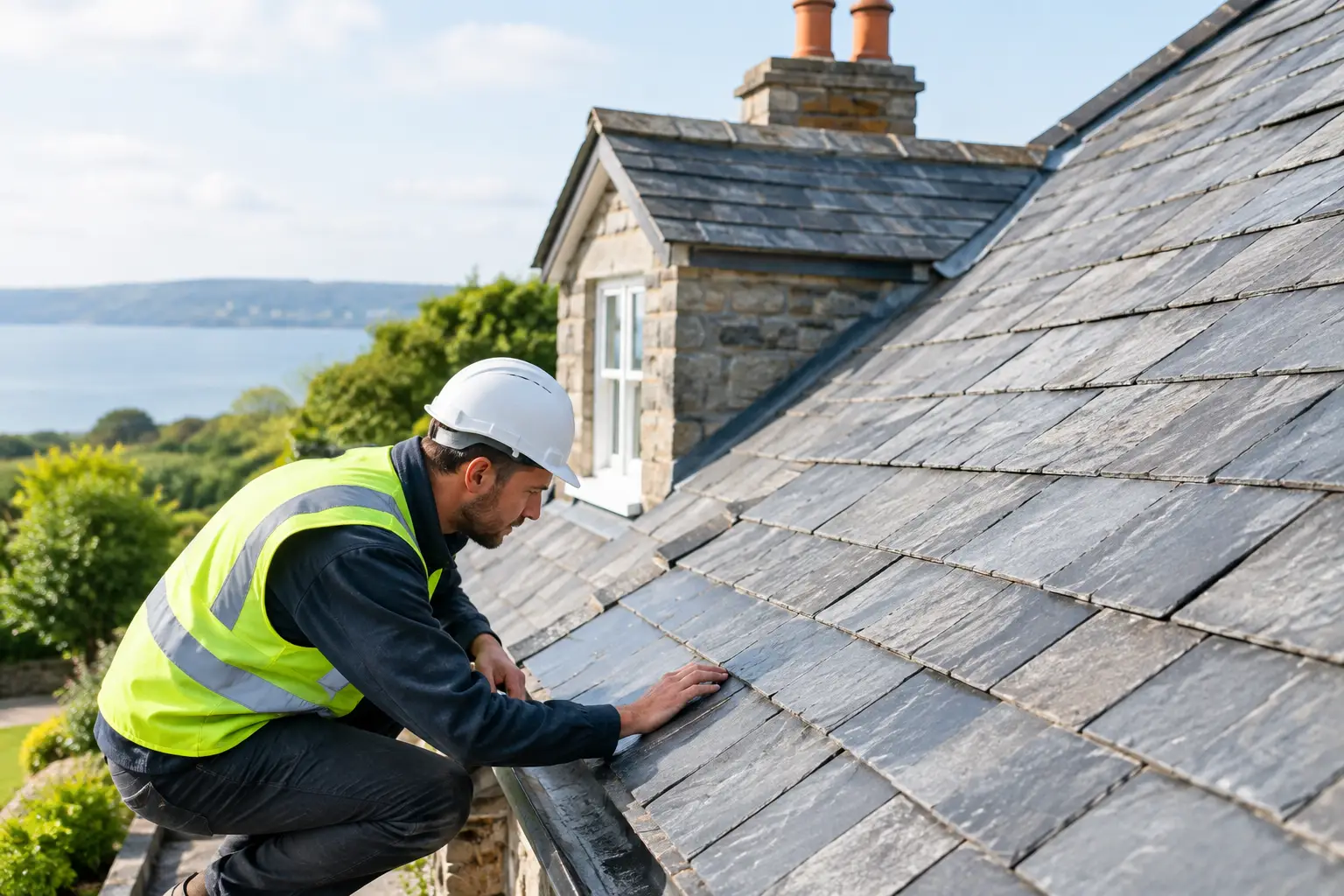
Learn how to assess heritage slate roofs, plan sympathetic repairs and protect a Central Scotland property from leaks, storm damage and costly disruption.
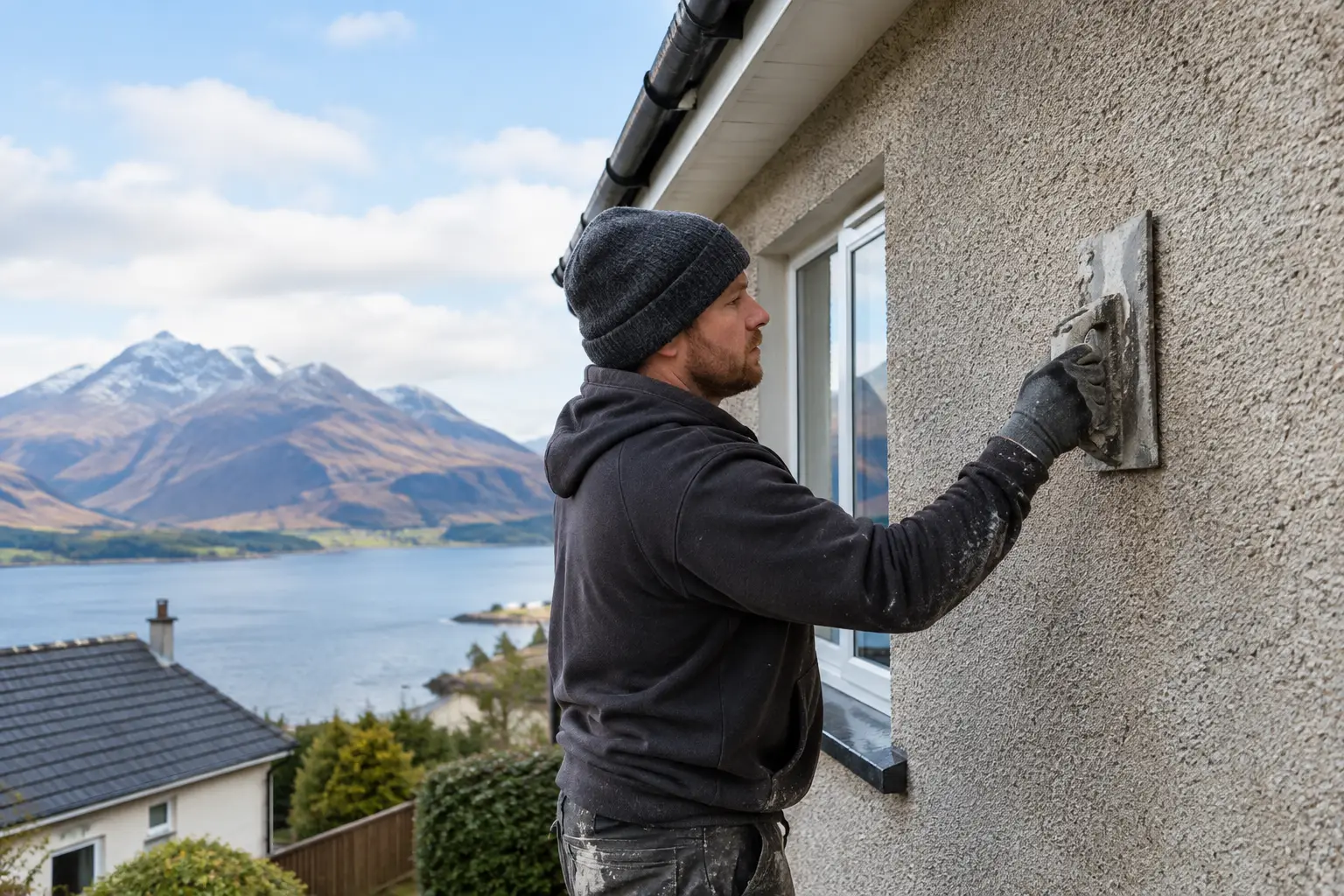
Is roughcasting worth it? See how this durable exterior finish protects Scottish homes, what affects the cost, and whether repair is enough for you...