October 8, 2026
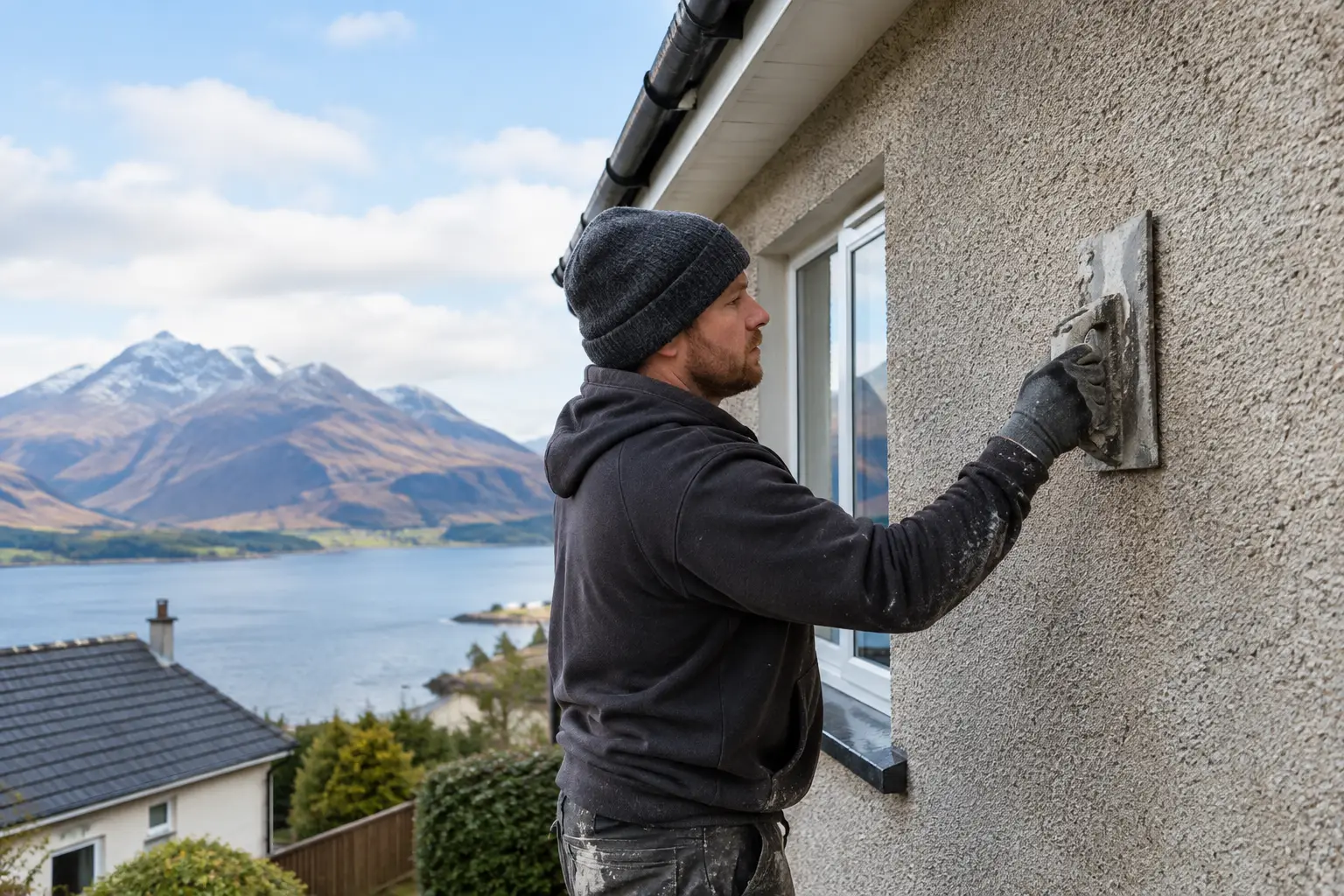
Is roughcasting worth it? See how this durable exterior finish protects Scottish homes, what affects the cost, and whether repair is enough for you...

A leaking garage roof, worn-out extension roof or cracked porch canopy rarely needs a one-size-fits-all answer. The choice between a felt roof or fibreglass comes down to the roof’s size, shape, condition and how you use the space below it. Both systems can provide dependable weather protection when they are properly specified and installed, but they perform differently over time.
For homeowners and property managers across Central Scotland, the right choice also needs to stand up to heavy rain, frost, changing temperatures and wind exposure. A cheaper installation that leaves weak edges, poor drainage or badly finished joins can soon become the more expensive option.
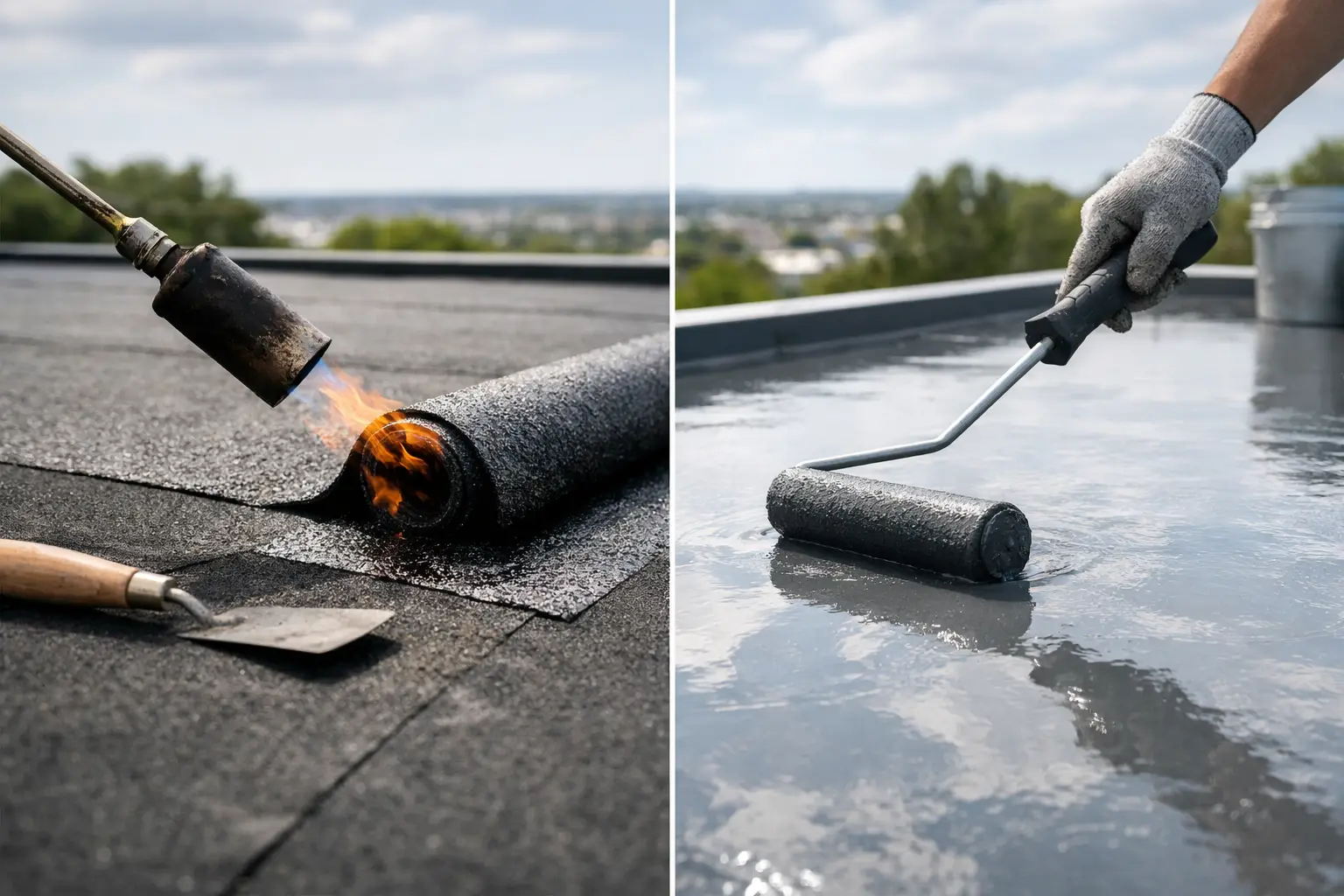
Modern roofing felt is not the thin, short-lived material many people remember from older sheds and garages. Professional flat roofing felt is usually a layered, bitumen-based system. It is commonly installed using a torch-on method, with bonded layers creating a durable waterproof covering. The finished surface is often mineral-coated to protect it from sunlight and everyday weathering.
Fibreglass roofing, also known as GRP roofing, is a liquid-applied system. Glass-fibre matting is set into resin, then finished with a coloured top coat. Once cured, it forms a hard, continuous waterproof surface with no seams across the main roof area.
That difference matters. Felt roofs rely on well-formed overlaps and careful detailing around edges and outlets. Fibreglass creates a single surface, but demands dry conditions, accurate preparation and experienced application. Neither system is automatically better in every situation.
A modern felt roof is a practical choice for many garages, extensions, dormers and commercial flat roof areas. It is particularly useful where the roof is larger, has a simple layout or needs a cost-conscious replacement without compromising on quality.
Felt has a degree of flexibility, which can be useful on older buildings where slight movement is expected. It also performs well on roofs with several changes in level or awkward details, provided the correct flashings and upstands are installed. A skilled roofer can form the system around pipes, parapet walls, rooflights and drainage outlets without relying on a single rigid sheet.
Repairs are another strength. If localised damage occurs, such as a split caused by impact or deterioration around a detail, a felt roof can often be repaired in the affected area. This does not mean every old felt roof is worth patching. Once the covering has reached the end of its serviceable life, widespread patching may only delay a full replacement.
The trade-off is that felt has visible joins. A properly installed system should not leak at these overlaps, but poor workmanship, trapped moisture or movement around weak details can cause problems. The quality of the deck beneath the felt, the edge trims and the drainage arrangement are just as important as the material itself.
Fibreglass is often well suited to smaller domestic roofs where a neat, clean finish is a priority. It is popular on garage roofs, bay windows, porches, balconies and flat-roof extensions, especially where the roof has a straightforward shape.
Because GRP is laid as a continuous surface, there are no main-field seams to open over time. The finish can look smart and is available in several colours, although dark grey remains a common choice. When installed over a sound, dry deck with correctly fitted trims, fibreglass can provide a long-lasting, low-maintenance roof covering.
It is also a good option where occasional foot traffic is expected, for example when access is needed to clean a rooflight or maintain equipment. It is still not a substitute for a designed roof terrace, and repeated walking on any flat roof should be avoided unless the construction is intended for it.
The limitation is that fibreglass is less forgiving of unsuitable conditions during installation. The roof deck must be dry, stable and properly prepared. Resin work in damp weather or very cold temperatures can affect curing and adhesion. A roof with complex details, ongoing structural movement or large areas may be better served by another system, depending on the survey.
It is understandable to begin with price, particularly if a flat roof has started leaking unexpectedly. In many cases, felt can offer a lower initial cost than fibreglass, especially over larger areas. However, the lowest quotation is not always a fair comparison.
Ask what is included. A proper flat roof replacement may involve stripping the existing covering, inspecting or replacing damaged decking, fitting insulation where required, renewing leadwork or flashings, upgrading edge trims and ensuring water can reach the outlet without ponding. If one quote covers only a new surface over an unknown base, it may not offer the same long-term value as a more thorough proposal.
Fibreglass can cost more upfront, particularly where new decking and specialist trims are needed. Its hard-wearing finish and tidy appearance may make that worthwhile on the right roof. Felt can offer excellent value where the layout is more complicated or where a dependable, repairable system is the sensible fit.
A site inspection should establish the roof area, access requirements, existing construction, drainage falls and any signs of moisture beneath the current covering before a recommendation is made.
Both felt and fibreglass can last for many years, but lifespan depends heavily on installation standards, maintenance and exposure. A flat roof beneath overhanging trees, next to a chimney or subject to standing water will need more attention than a clear, well-drained roof.
Felt roofs should be checked for lifted edges, cracks, open laps, blisters and damaged flashings. Fibreglass roofs should be inspected for cracks, worn top coat, damage around trims and splits near areas that have been knocked or stressed. Clearing leaves and moss from outlets is one of the simplest ways to reduce avoidable water problems on either system.
Do not assume a leak is directly above the internal stain. Water can travel beneath a roof covering or along timber before it appears indoors. Early investigation is usually less disruptive than waiting for a small defect to damage insulation, decking or ceilings.
No flat roof is completely flat. It should have a suitable fall to guide water towards a gutter, hopper or internal outlet. Persistent ponding puts extra strain on the waterproof layer and can reveal weak points sooner, whatever material has been used.
If an existing roof holds water after rainfall, fitting a new felt or fibreglass covering alone may not solve the cause. The roof may need corrected falls, tapered insulation, deck repairs or improvements to the drainage route. This is why a roof should be assessed as a full system rather than simply covered over.
In areas such as Falkirk, Stirling and West Lothian, where frequent rainfall is part of the normal weather pattern, good drainage is not an optional extra. It is central to the roof’s performance.
Choose based on the roof rather than a product name. Fibreglass is often an excellent choice for a smaller, uncomplicated roof where a smooth, seamless finish is wanted and the deck can be prepared in dry, suitable conditions. Felt is often a strong choice for larger areas, more detailed roof shapes, properties where some movement is expected, or projects where budget and repairability are key considerations.
The condition of the underlying roof is the deciding factor in many jobs. If the deck is rotten, insulation is wet or the roof has poor falls, those issues need dealing with before either system is installed. Covering defects may hide them briefly, but it will not protect the building in the way a properly renewed roof should.
A good material fitted badly will not last as it should. Correct preparation, safe working methods, properly formed edges and watertight details around walls, rooflights and pipes make the real difference. This is where an experienced local roofer earns their value.
Forth Valley Roofing assesses each flat roof individually and explains the practical options before work begins. That means you can compare the likely cost, expected performance and any preparation work required, rather than being pushed towards a system that does not suit the property.
If your flat roof is leaking, showing cracks or nearing the end of its life, arrange a professional inspection before the next spell of heavy rain turns a manageable repair into internal damage. A clear survey and written recommendation will give you a sound basis for choosing the right covering.
Is roughcasting worth it? See how this durable exterior finish protects Scottish homes, what affects the cost, and whether repair is enough for you...
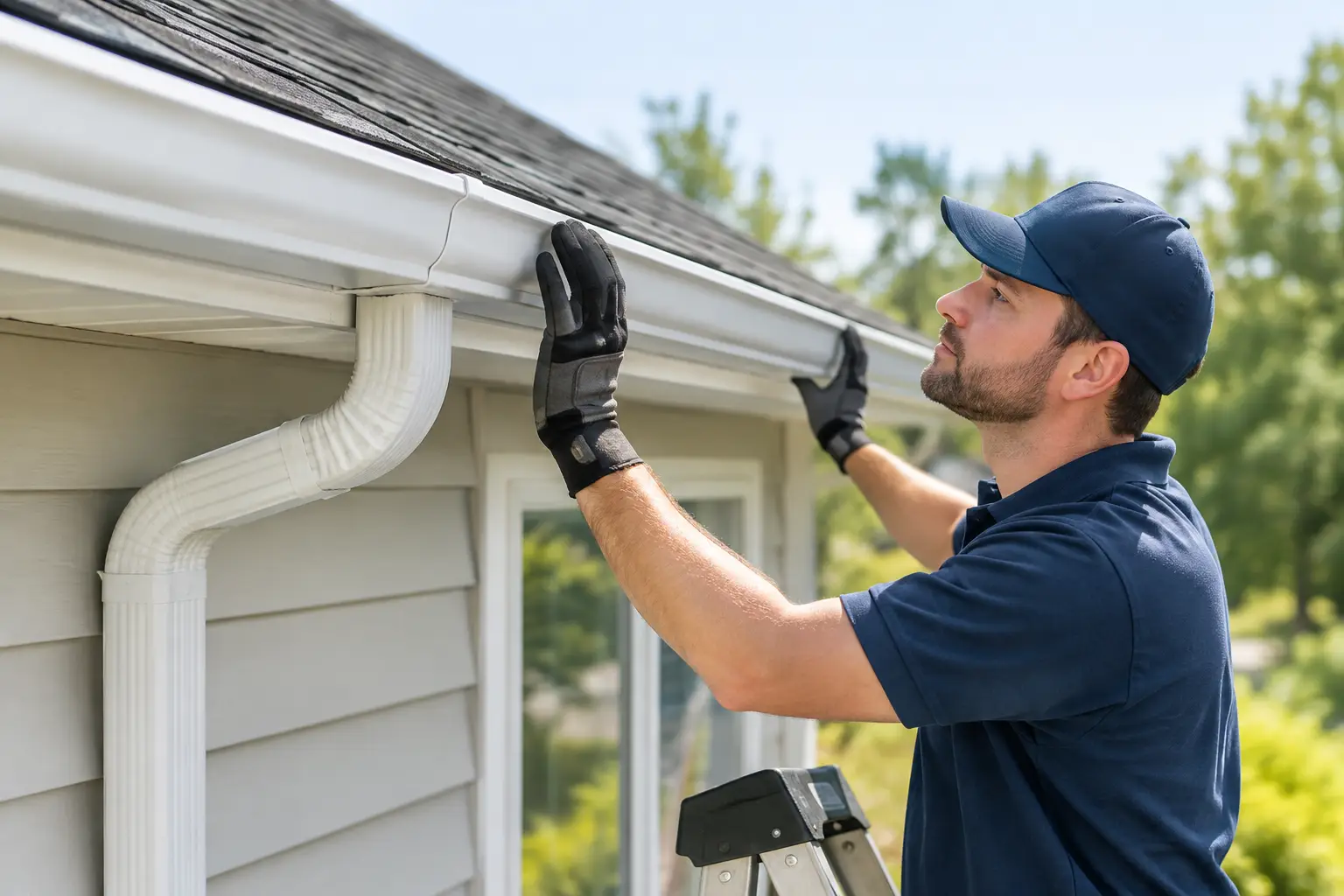
See a gutter replacement project example, from the first inspection to fitting new gutters, and learn what protects a Central Scotland home in winter.

Does roof ventilation reduce condensation? Learn when roof vents help, what causes loft moisture and how to protect your Central Scotland home this winter.