October 9, 2026
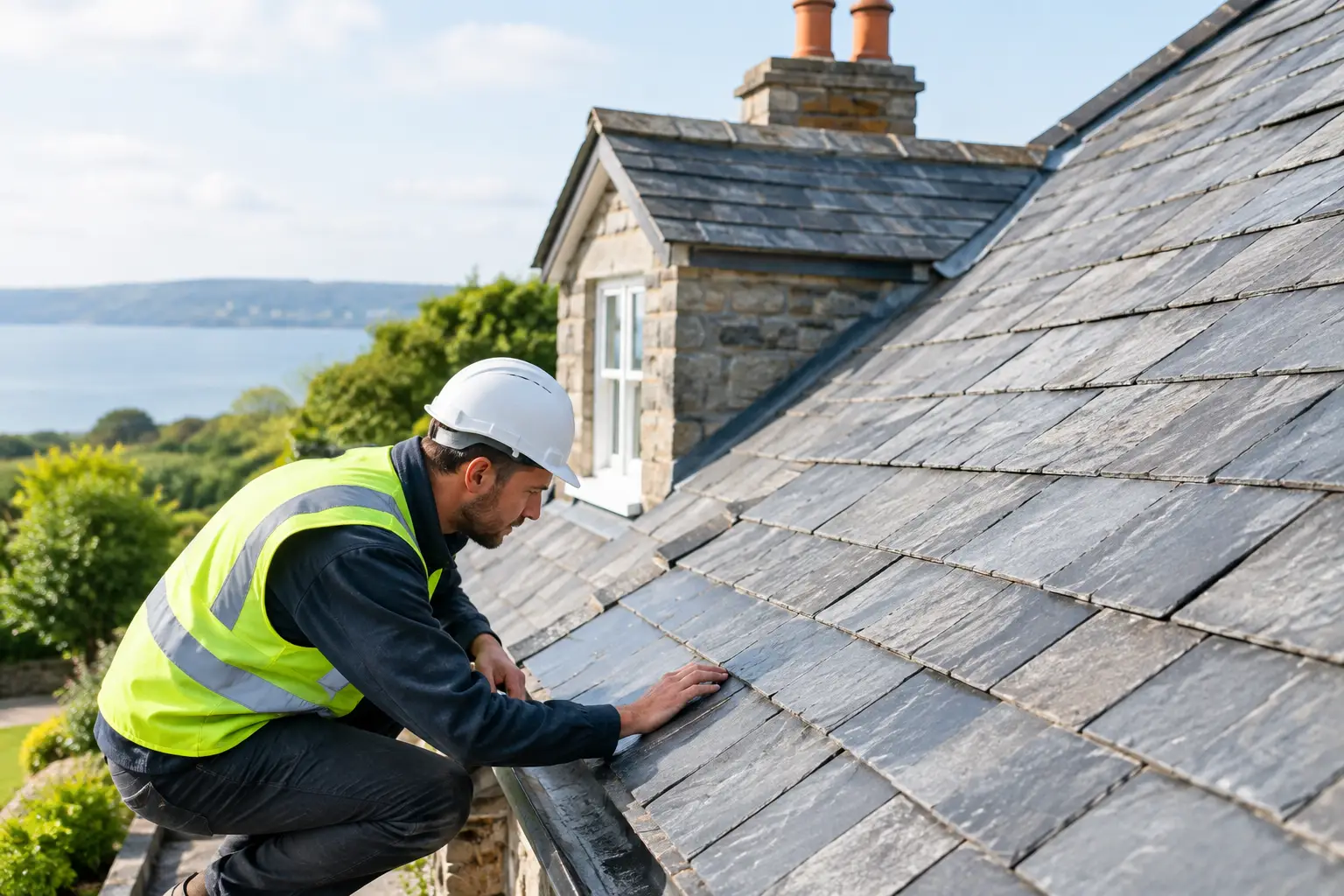
Learn how to assess heritage slate roofs, plan sympathetic repairs and protect a Central Scotland property from leaks, storm damage and costly disruption.

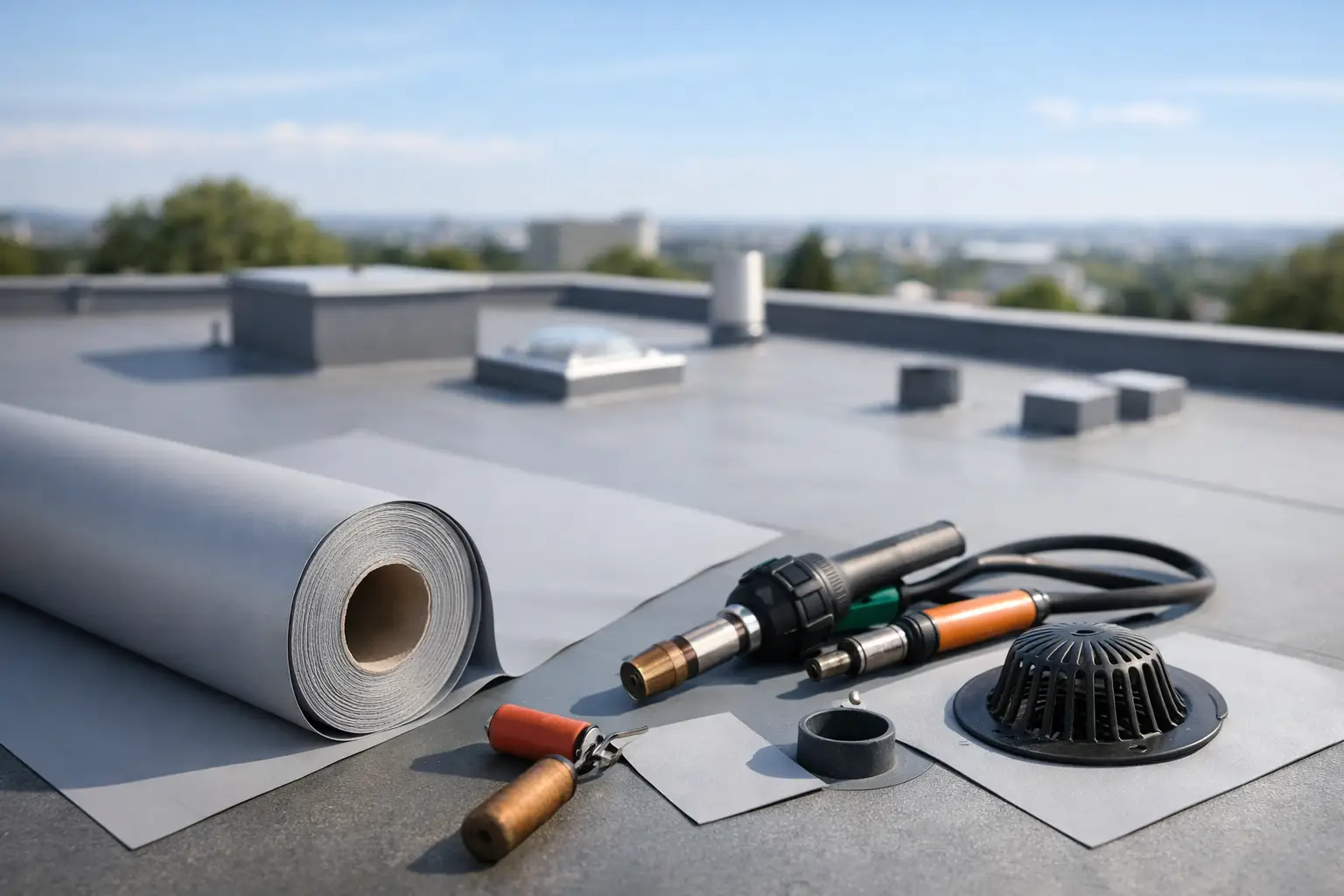
A flat roof usually starts getting attention when something has already gone wrong. A leak near the ceiling edge, water sitting after rain, or an older covering starting to crack are all signs that the existing system is near the end of its service life. If you are comparing replacement options, a fatra flat roofing system is one of the most dependable choices for long-term protection on homes, extensions, garages and commercial buildings.
For property owners across Central Scotland, that matters. Flat roofs need to cope with driving rain, cold winters, strong winds and the general wear that comes with our climate. The right material is not just about getting a neat finish on the day. It is about how well the roof performs year after year, and how much maintenance it asks of you along the way.
A fatra flat roofing system is a single-ply PVC membrane roofing solution designed for flat and low-pitched roofs. In simple terms, it uses a durable waterproof membrane that is fitted across the roof area to create a strong, weather-resistant barrier. When installed properly, the joints are welded together to form a consistent sealed surface.
That welded finish is one of the reasons these systems are so widely specified. Unlike older felt roofs, where seams and ageing layers can become weak points over time, a quality single-ply membrane is designed to stay stable, flexible and watertight. It gives a clean, modern finish and works well on both new builds and replacement projects.
For many homeowners, the attraction is straightforward. You want a flat roof that does not keep needing patch repairs every time the weather turns. You want something that looks tidy, drains properly and stands up well to the Scottish climate. This system is often chosen for exactly those reasons.
The biggest advantage is durability. A properly installed membrane roof can provide long-lasting protection without the frequent upkeep often associated with older flat roofing materials. That makes it a sensible option for households and landlords who want fewer recurring issues and better value over time.
It is also a versatile system. It can be used on house extensions, dormers, garages, porches, bay tops, outbuildings and larger commercial roofs. Some projects need a lightweight solution. Others need something that can cope with more complex detailing around outlets, upstands, rooflights or parapet walls. A single-ply system handles these situations well when the installation is planned carefully.
Another reason people move towards Fatra is appearance. Flat roofs are visible from upstairs windows and neighbouring properties, so finish does matter. A clean membrane roof tends to look sharper and more uniform than an older patchwork surface with visible repairs.
That said, no roofing material is perfect for every job. The condition of the deck, the amount of insulation needed, the roof design and how the area is used all affect whether this is the right fit. A good contractor will not push one system on every customer. They should assess the roof properly and explain why a particular build-up makes sense.
A fatra flat roofing system is especially well suited to flat and low-slope roof areas where consistent waterproofing is the main priority. Domestic extensions are a common example. Many older extension roofs were covered in felt years ago and have since developed blisters, splits or standing water problems. Replacing those coverings with a modern membrane system can give the whole structure a longer lease of life.
Garage roofs are another strong candidate, particularly where the existing covering is tired or has been repaired several times already. Rather than spending money repeatedly on short-term fixes, many owners choose a full replacement that is built to last.
On commercial properties, the appeal is often about reliability and reduced disruption. If a roof protects stock, office space or tenants, leaks quickly become more than a minor inconvenience. A properly installed membrane system helps reduce that risk.
There are also cases where another option may be worth discussing. If the roof has heavy foot traffic, houses plant equipment, or has unusual structural movement, the full specification needs to be considered carefully. That does not rule the system out, but it does mean the job should be designed around the building rather than treated as standard.
Even the best flat roofing product can fail if it is installed poorly. This is where many roofing problems begin. Bad detailing around edges, weak joints, inadequate preparation or trapped moisture under the surface can all shorten the life of a new roof.
With a Fatra system, the roof deck needs to be checked first. Any rotten or unstable areas have to be dealt with before the membrane goes down. Insulation, vapour control layers and drainage details also need to be set out correctly. The finished roof should not just look smooth from the ground. It should be built as a complete weatherproof system from deck level upwards.
This is also why cheaper quotes are not always better value. If one contractor is pricing for proper preparation and another is allowing for a quick overlay with minimal detail work, the figures may look very different. The lower price can become expensive if problems return within a short time.
For homeowners and property managers, clear communication during this stage is important. You should know what is being removed, what is being retained, how the roof will be insulated if required, and what guarantee is included with the workmanship.
Many people asking about flat roof replacement are really asking a broader question: is it better than felt? In many situations, yes. Traditional felt systems have been used for years and can still have their place, but they are often more vulnerable to ageing, splitting and repeated patching as they get older.
A fatra flat roofing system offers a more modern approach. The membrane is designed for long-term weather resistance, and the heat-welded seams create a secure join. It is generally lower maintenance than older coverings and often provides a neater finish too.
That does not mean every old felt roof must be replaced immediately, or that every single-ply system will outperform every alternative in every setting. The condition of the current roof and the quality of the installation are still the deciding factors. But if you are replacing an ageing flat roof and want a durable upgrade, this system is often a strong option to consider.
In short, very often yes. Our weather puts roofs under pressure. Rainfall is frequent, temperature changes can be sharp, and exposed areas can take a fair amount of wind-driven weather. Flat roofs in this region need materials that can cope with regular moisture and changing conditions without becoming a constant maintenance issue.
That is why many local property owners look for systems with proven durability rather than simply choosing the cheapest covering available. A flat roof should protect the building properly and give you confidence during bad weather, not leave you wondering whether the next storm will find a weak spot.
For homes in Falkirk, Stirling, West Lothian, Edinburgh, Glasgow and surrounding parts of Central Scotland, the best results come from matching the right system to the property and making sure the installation is carried out by an experienced roofing team. Forth Valley Roofing regularly advises customers on flat roof replacements where long-term performance, value and a tidy finish are the main priorities.
Before committing to any new flat roof, ask practical questions. Will the old roof be stripped or overlaid? Does the roof need new insulation to meet current expectations? How will drainage be improved? What guarantee is included? And just as importantly, what condition is the roof structure in underneath the current covering?
A trustworthy roofer should be happy to answer those points in plain language. If the explanation feels vague, or the quote leaves out important details, it is worth slowing down before making a decision. Roofing work is not something most people want to pay for twice.
The right flat roof is the one that suits your building, your budget and the level of long-term protection you need. If a fatra flat roofing system fits those requirements, it can be a very solid investment. Done properly, it gives you one less part of the property to worry about when the weather turns rough.
Learn how to assess heritage slate roofs, plan sympathetic repairs and protect a Central Scotland property from leaks, storm damage and costly disruption.
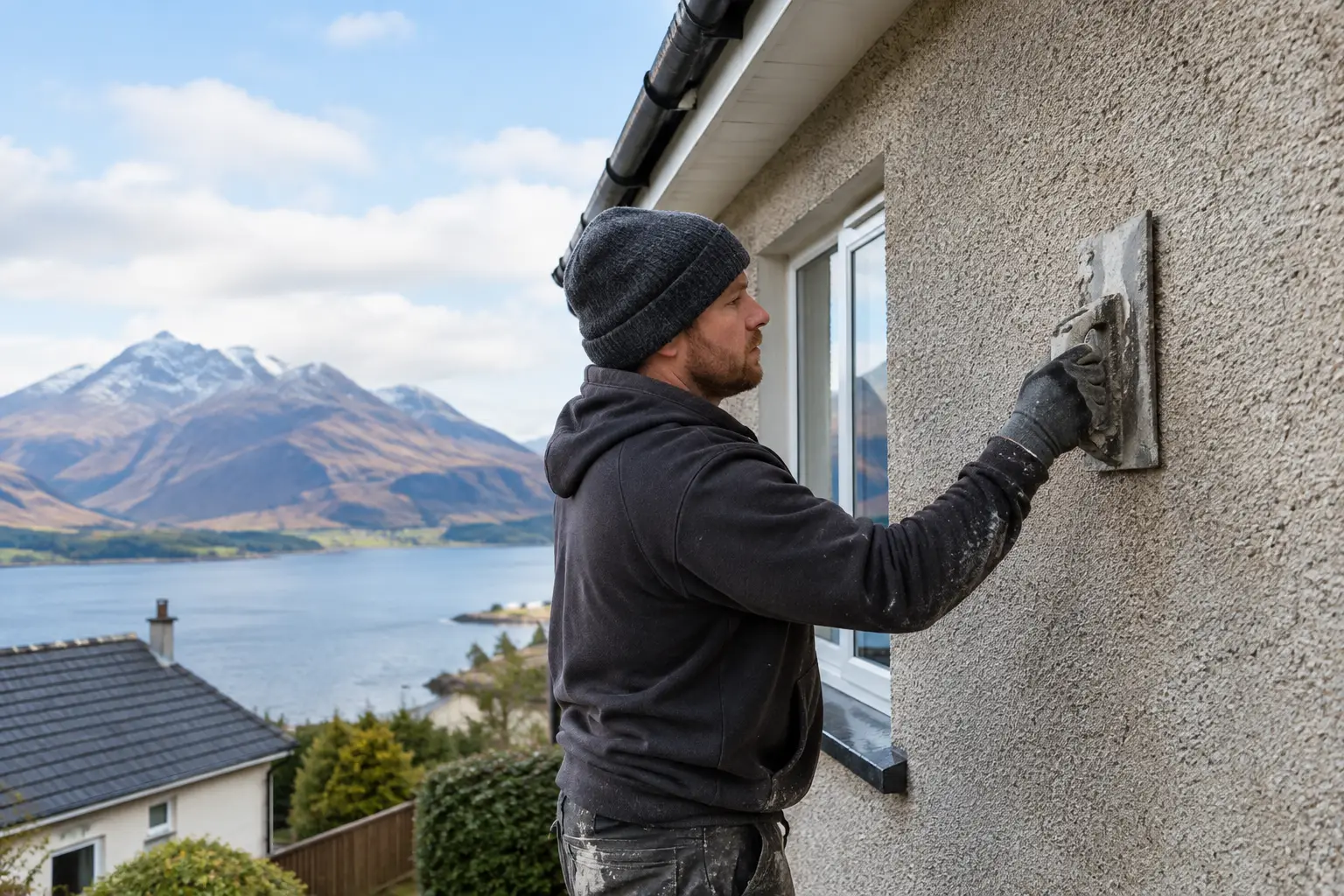
Is roughcasting worth it? See how this durable exterior finish protects Scottish homes, what affects the cost, and whether repair is enough for you...
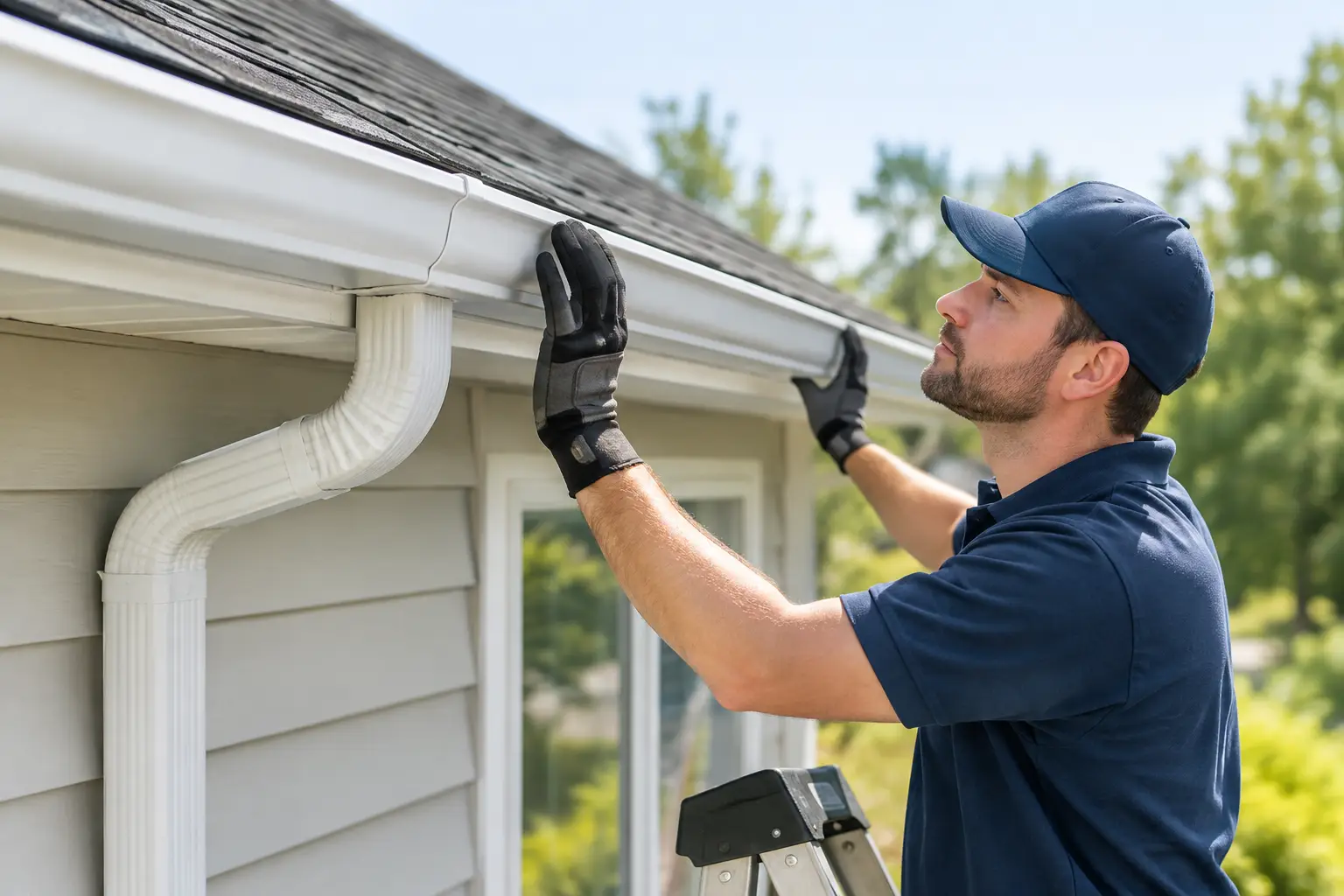
See a gutter replacement project example, from the first inspection to fitting new gutters, and learn what protects a Central Scotland home in winter.