

October 8, 2026
Is roughcasting worth it? See how this durable exterior finish protects Scottish homes, what affects the cost, and whether repair is enough for you...

A cold patch in an upstairs bedroom, condensation around the loft hatch or a heating bill that keeps climbing can all point towards the roof. While walls, windows and boilers get much of the attention, a poorly performing roof can allow valuable heat to escape and let damp take hold. The most useful energy efficient roofing trends are not about chasing the latest product. They are about making the whole roof work properly for the property, its age and Scotland’s demanding weather.
For homeowners, landlords and property managers, the best starting point is simple: deal with water first, improve insulation properly, then consider additions such as solar panels. A roof that is leaking, badly ventilated or nearing the end of its life will not become efficient just because a new layer has been added inside the loft.
Central Scotland sees persistent rain, high winds, cold winters and occasional sharp changes in temperature. That makes a practical approach more valuable than a one-size-fits-all specification. Current roofing improvements are increasingly focused on heat retention, controlled ventilation, weatherproof detailing and roofs that can accommodate low-carbon technology.
Loft insulation remains one of the most effective ways to reduce heat loss in a traditional pitched roof. The important detail is how it is installed. Insulation laid carelessly can block airflow at the eaves, leave gaps around the loft hatch or hide damp problems below. It may look finished from above while causing trouble over time.
Where a loft is being converted or the roof covering is being replaced, insulating along the rafters can be a better option. This creates a warmer roof space and can improve the comfort of rooms below. It is more involved than topping up loft insulation, and it needs the correct vapour control and ventilation arrangement. Otherwise, warm moist air from the home can condense within the roof structure.
The right choice depends on whether the loft is used, the available headroom, the roof construction and the condition of the existing timbers. An inspection should establish these points before anyone recommends a system.
A common misunderstanding is that energy efficiency means closing every possible gap. Roofs need controlled ventilation to move moisture safely out of the structure. Without it, condensation can affect rafters, insulation, felt and ceilings, particularly in well-heated homes.
Modern upgrades often combine improved insulation with discreet eaves ventilation, ridge ventilation or breathable underlay, depending on the roof type. This is not wasted heat when it is designed correctly. It is protection for the roof itself. A dry roof structure performs better and is less likely to need expensive timber repairs later.
For older homes in Falkirk, Stirling and surrounding areas, ventilation deserves particular attention. Many properties have had several alterations over the years, from replacement windows to loft insulation, and the original airflow route may no longer be doing its job.
Flat roofing has moved on considerably from the basic felt systems many people remember. A warm-deck flat roof places insulation above the roof deck and below the waterproof covering. This helps keep the structure at a more stable temperature and reduces the risk of condensation beneath.
High-quality single-ply membranes, including Fatra flat roofing systems, are increasingly specified where a durable, low-maintenance waterproof finish is required. They can be a strong option for extensions, garages, dormers and commercial buildings, provided the roof is designed with the correct falls and drainage. Standing water is not simply an appearance issue – it can shorten the life of a roof and place added stress on seams and outlets.
A warm roof generally costs more than a basic overlay, but it can offer better thermal performance and a longer-term solution. An overlay may still be sensible where the existing roof is dry, stable and professionally assessed as suitable. The condition below the surface should decide the work, not the lowest initial price.
Solar panels are influencing more planned roof replacements. Property owners are sensibly asking whether their roof can support panels now or whether it should be prepared for a future installation. This can affect the choice of roof covering, the condition of battens and rafters, cable routes and the position of roof penetrations.
A solar-ready roof does not always mean panels must be fitted immediately. It means the roof is renewed to a standard that avoids having to strip back recent work a few years later. If a roof is already aged, cracked or vulnerable to wind-driven rain, fitting panels before repairs or replacement can create avoidable cost and disruption.
Panel performance also depends on roof orientation, shading and the electricity use of the household. A south-facing roof is often favourable, but east- and west-facing arrays can still suit homes that use power across the morning and afternoon. A sensible assessment should consider the roof and the energy plan together.
Reflective roof finishes are a major trend in hotter climates because they reduce solar heat gain. In Scotland, their value is more selective. Overheating can affect top-floor rooms, modern extensions and some commercial premises during warmer spells, so a lighter-coloured membrane may help in the right setting.
However, reflective finishes are not a substitute for insulation, sound roof design or ventilation. For most local homes, preventing heat loss during the colder months remains the larger concern. On a flat roof, the waterproof membrane’s quality, insulation level, drainage and detailing around edges, pipes and rooflights matter more than colour alone.
Gutters and roof drainage are not usually described as energy upgrades, but they protect the work that makes a home more efficient. Overflowing gutters can saturate brickwork, damage fascias and soffits, and contribute to damp internal walls. Damp materials lose insulating ability, while moisture can make a building harder and more expensive to heat.
Deep-flow gutters, correctly sized downpipes and properly maintained outlets are particularly worthwhile on large roof areas and flat roofs. With heavier downpours becoming more familiar, drainage should be checked whenever a roof is repaired or replaced. It is a small detail that can prevent a much bigger problem.
Not every inefficient roof needs replacing. A slipped tile, failed flashing, damaged ridge, blocked gutter or localised flat-roof defect can often be repaired before it causes wider damage. Prompt repairs protect insulation and timbers, making them a sensible part of an energy-conscious maintenance plan.
Replacement becomes more appropriate when coverings are extensively worn, recurring leaks are appearing in different areas, the underlay has deteriorated, or insulation improvements can only be carried out properly during a larger renewal. A new roof is also an opportunity to renew leadwork, improve ventilation and assess fascias, soffits and gutters as one coordinated job.
Be cautious of broad claims about savings. The reduction in heating use varies with the house type, existing insulation, heating system, draughts, occupancy and how the work is installed. A well-planned upgrade can improve comfort as well as efficiency, but no reputable roofer should promise an identical saving for every property.
Before committing to a repair or replacement, ask for a clear explanation of the roof’s present condition and the recommended scope of work. You should understand where heat loss or water ingress is likely occurring, how ventilation will be maintained, what insulation is proposed and how the finish will manage rainwater.
It is also worth asking whether the quotation includes work to flashings, valleys, chimney details, gutters and roof edges. These areas are where otherwise good roofing work can fail if the detailing is poor. Confirm the expected guarantee, insurance cover and how any unexpected defects found during the job will be discussed with you.
Forth Valley Roofing provides free quotes and practical recommendations based on the condition of the roof rather than a standard sales package. For an older property or a planned solar installation, an on-site inspection is the best way to weigh up repair, renewal and insulation options fairly.
A more efficient roof should leave you with a drier, warmer and better-protected property – not a list of new concerns. Start with an honest condition check, prioritise the work that protects the structure, and choose materials that suit the building for the years ahead.
Is roughcasting worth it? See how this durable exterior finish protects Scottish homes, what affects the cost, and whether repair is enough for you...
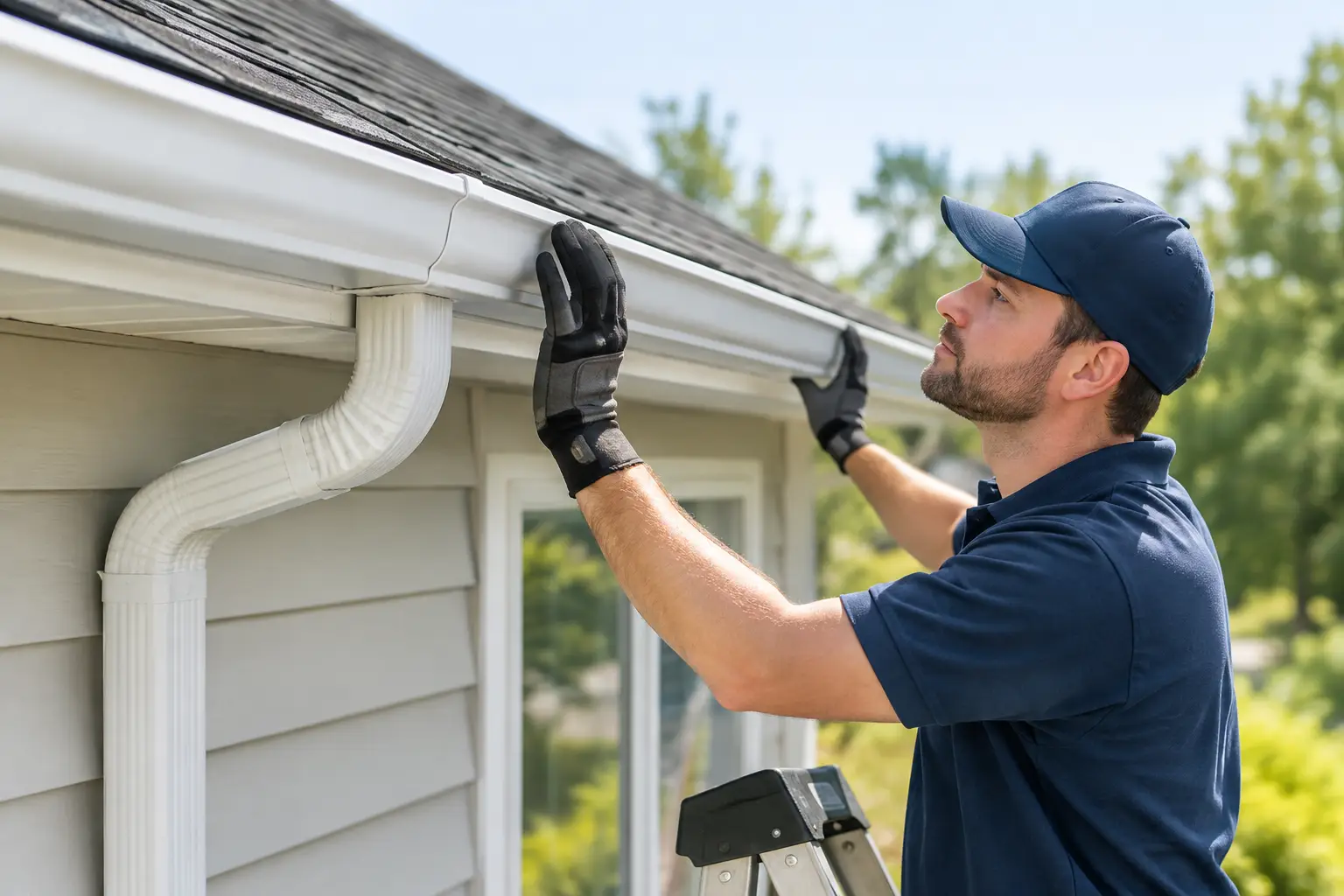
See a gutter replacement project example, from the first inspection to fitting new gutters, and learn what protects a Central Scotland home in winter.

Does roof ventilation reduce condensation? Learn when roof vents help, what causes loft moisture and how to protect your Central Scotland home this winter.