
October 10, 2026
A practical roughcast maintenance guide Scotland homeowners can use to spot damp, cracks and weather damage before repairs become more costly over winter.

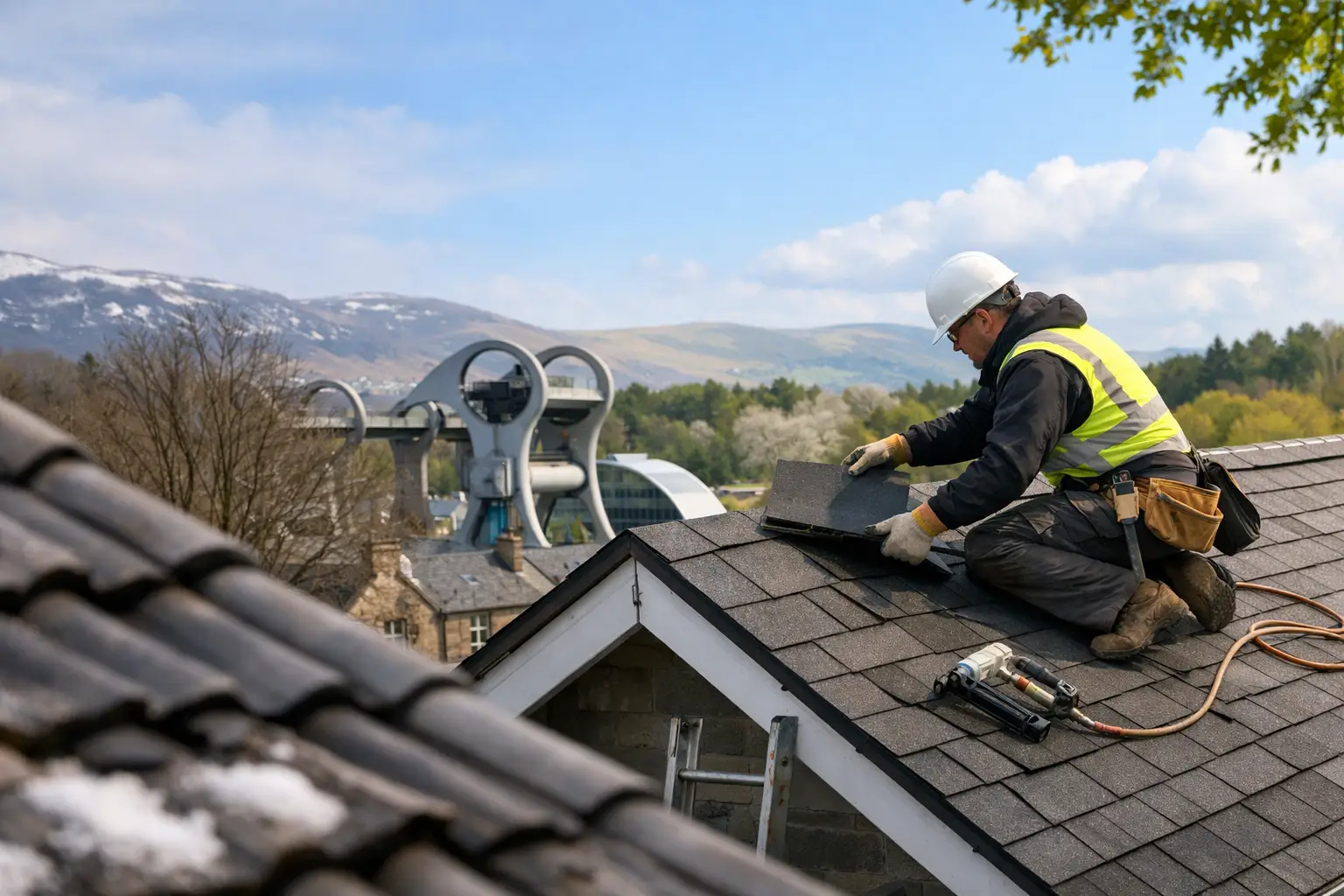
A small leak in July can feel easy to ignore. The same leak in November, with Falkirk rain pushing in sideways and loft insulation getting damp, can turn into a much bigger and more expensive problem. So when is the best time of year to repair a roof in Falkirk? In most cases, late spring through early autumn gives the best conditions, but the right answer depends on the type of repair, the roof covering, and how urgent the issue is.
Roofing work is always tied to weather, and in Central Scotland that matters more than most homeowners would like. Dry spells can be short, winter storms can arrive quickly, and even a minor defect can worsen once water gets into the roof structure. That is why timing matters – but so does knowing when not to wait.
If you have a repair that can be planned rather than treated as an emergency, the best window is usually between April and September. Temperatures are milder, daylight hours are longer, and there is generally a better chance of dry working conditions. That makes it easier to carry out repairs properly, whether the job involves replacing slipped slates, repairing flashing, fixing a chimney junction or patching a flat roof.
Longer daylight is often overlooked, but it helps. Roofers can inspect more thoroughly, complete more in one visit and avoid rushing against early winter darkness. On larger repair jobs, that can make a real difference to finish quality and efficiency.
That said, summer is not automatically perfect. Extremely hot spells can affect some roofing materials, especially on flat roofs where surfaces heat up quickly. Adhesives, membranes and bitumen-based systems often perform best within a certain temperature range, not just in warm weather. A mild, dry day in May can be better than a baking hot one in July.
Spring is one of the most practical times to deal with roof problems in Falkirk. Winter tends to expose weaknesses – loose ridges, cracked mortar, damaged leadwork, blocked gutters and slipped tiles often show up after months of rain, wind and frost. Booking repairs in spring means you can fix winter damage before it causes more trouble through the rest of the year.
It is also a sensible time because contractors start to get busier as the weather improves. If you arrange an inspection early, you have a better chance of getting the work booked in before peak demand in summer. For homeowners and landlords, that can help with planning and cost control.
Spring also works well for preventative jobs. If your roof is ageing but not yet failing, this is often the season to sort small issues while they are still straightforward. Replacing a few broken slates or resealing vulnerable details is far better than waiting until water is getting into ceilings or walls.
Summer is often seen as the best season for roofing, and there is some truth in that. Drier weather and reliable daylight make access safer and repairs easier to complete. For pitched roofs in particular, summer can be an excellent time to tackle defects that need a stable weather window.
But there are trade-offs. Good roofing firms are usually busiest in summer, especially with planned repairs, new roofs and external building work all competing for diary space. If you wait until the middle of summer to make the first call, you may face a longer lead time than you expected.
There is also the point that not every repair benefits from the hottest days. Certain sealants and flat roofing materials need correct surface conditions to bond properly. On very warm days, timing the work carefully becomes part of the job.
Early autumn is often a good last chance to get roof repairs done before winter sets in. September and early October can still offer suitable weather, and this is a valuable time to fix defects that could become serious in colder months.
This is particularly true if your roof has started showing signs of wear after summer. You might notice cracked pointing around a chimney, water marks near the loft hatch, loose flashing, or gutters struggling during heavier rain. Dealing with those issues in autumn can prevent emergency call-outs in winter.
The key word here is early. Once late autumn arrives, weather becomes less predictable and jobs are more likely to be delayed by rain, strong winds or short daylight. If you know your roof needs attention, autumn is not the season to drift.
Winter is usually the most difficult time for planned roof repairs in Falkirk. Wet weather, frost, high winds and limited daylight all make work harder and, in some cases, unsafe. Materials may not perform as intended, and even getting clear access to the affected area can be a challenge.
Even so, winter repairs are sometimes unavoidable. If a storm has lifted tiles, water is entering the property, or flashing has failed around a chimney, waiting for spring is rarely realistic. Emergency roofing work is about making the roof safe, stopping further water ingress and protecting the structure until a full repair can be completed in proper conditions if needed.
That is why the best time of year is not always the same as the right time to act. If your roof is actively leaking, the best time is as soon as possible.
Not all roofing jobs respond to the seasons in the same way. A minor slate repair may only need a short dry window, while a more involved flat roof repair or chimney rebuild needs steadier conditions. Leadwork, mortar repairs and membrane systems all have different practical limits.
Pitched roof repairs are often more flexible, provided the roof can be accessed safely and conditions are dry enough. Flat roof repairs can be more weather-sensitive because surfaces need to be dry and prepared correctly. If water has been trapped beneath the covering, the repair may need more than a simple patch.
This is one reason good advice matters. A proper inspection should look beyond the obvious symptom. A damp patch on an upstairs ceiling may be caused by flashing, underlay failure, slipped tiles, blocked gutters or a defect around a roof valley. Fixing the right issue at the right time is what saves money.
Homeowners often hope to hold off until better weather, especially if the damage seems minor. Sometimes that is reasonable. Often it is not. If you have recurring leaks, missing slates or tiles, visible sagging, loose ridge tiles, damaged flashing, or daylight showing in the loft, it is time to get the roof checked.
The same applies if you have noticed debris in the gutters after high winds, staining on internal walls, or damp insulation in the loft. In Falkirk, where driving rain can test every weak point, small defects do not usually stay small for long.
A trusted local roofer should be able to tell you whether the job needs immediate repair, temporary protection or planned work in a better weather window. That sort of straight answer is worth far more than guesswork.
The cheapest roof repair is often the one done before internal damage starts. Once water gets past the outer covering, you are no longer just dealing with roofing materials. You may be looking at rotten timbers, damaged plaster, mould, insulation replacement and decoration costs on top.
That is why regular inspections matter, especially after storms or at the end of winter. For landlords and property managers, planned maintenance is usually easier to budget for than urgent attendance during bad weather. For homeowners, it avoids the stress of discovering a leak at the worst possible time.
At Forth Valley Roofing, that practical approach is what matters most – clear advice, repairs that suit the condition of the roof, and work carried out properly rather than rushed for the sake of getting it ticked off.
If you have a choice, aim for spring to early autumn, with late spring and early summer often offering the best balance of temperature, daylight and workable conditions. If your roof has suffered winter wear, spring is ideal. If you want to prepare for harsher weather ahead, early autumn can also be a sensible option.
But if there is an active leak or visible damage, the calendar should not be the deciding factor. The best time to repair a roof is before a manageable problem becomes structural damage.
A roof rarely fails all at once. More often, it gives you a few warnings first. Paying attention to those signs, and acting before the weather does its worst, is usually the smartest move.
A practical roughcast maintenance guide Scotland homeowners can use to spot damp, cracks and weather damage before repairs become more costly over winter.
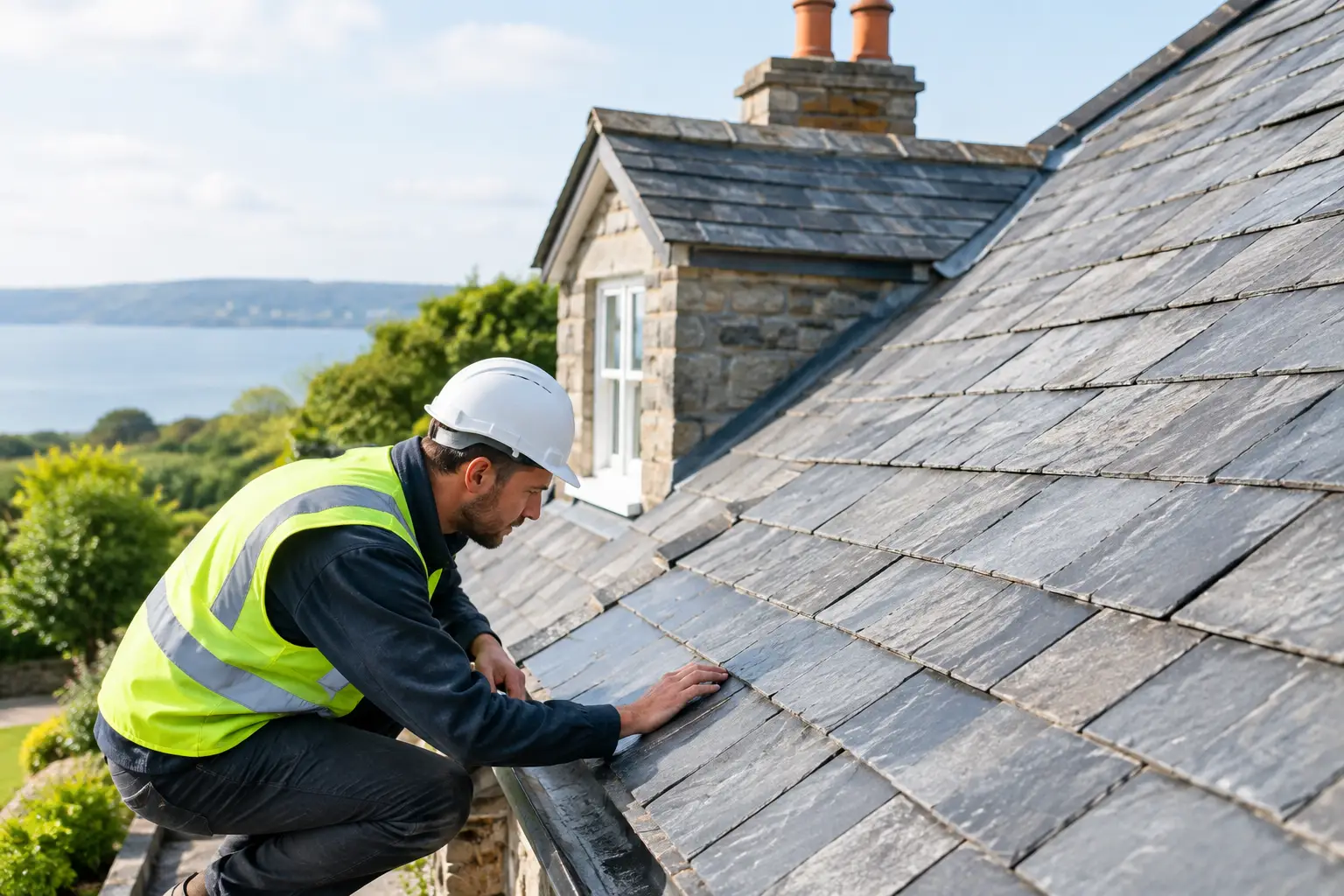
Learn how to assess heritage slate roofs, plan sympathetic repairs and protect a Central Scotland property from leaks, storm damage and costly disruption.
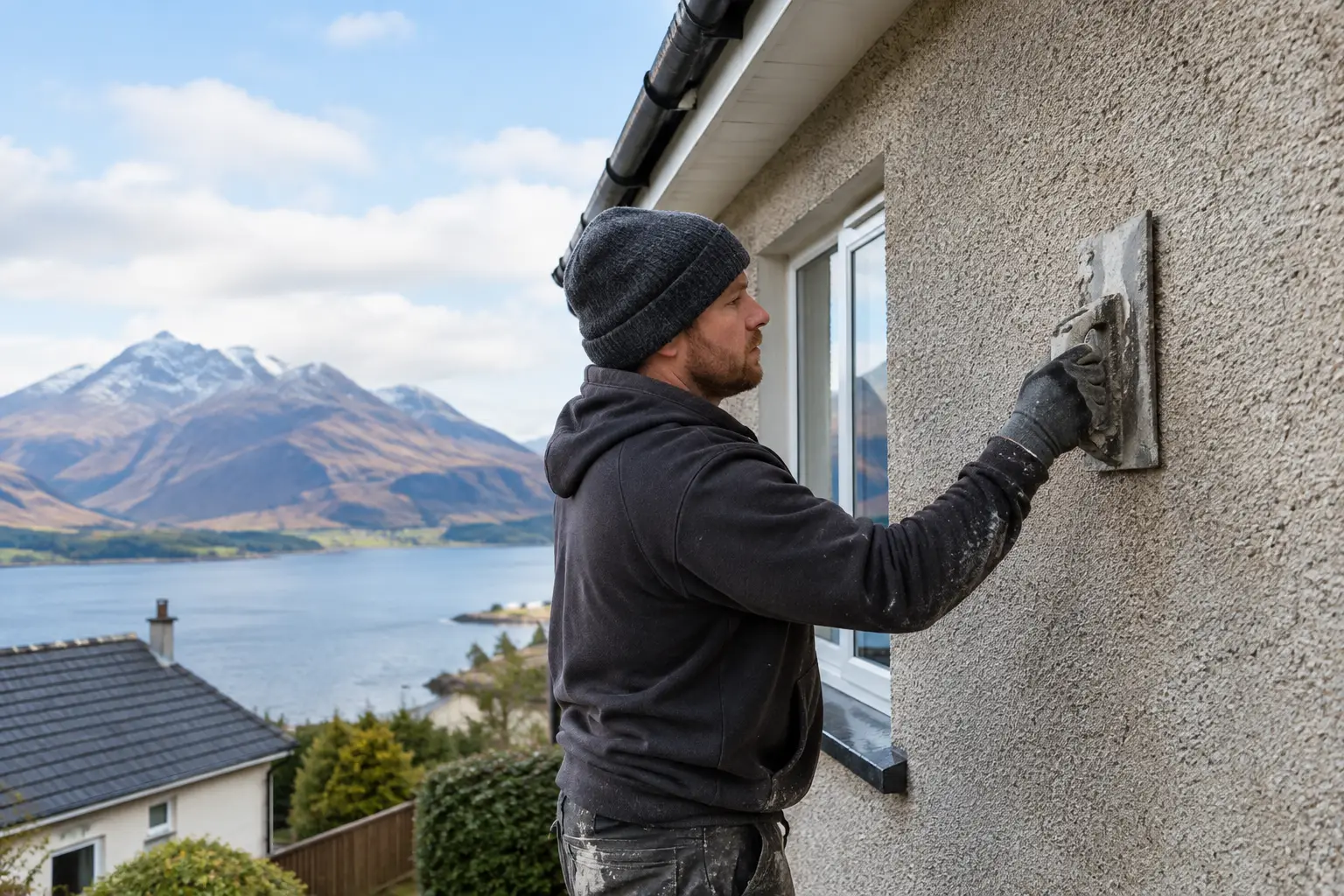
Is roughcasting worth it? See how this durable exterior finish protects Scottish homes, what affects the cost, and whether repair is enough for you...