
October 10, 2026
A practical roughcast maintenance guide Scotland homeowners can use to spot damp, cracks and weather damage before repairs become more costly over winter.

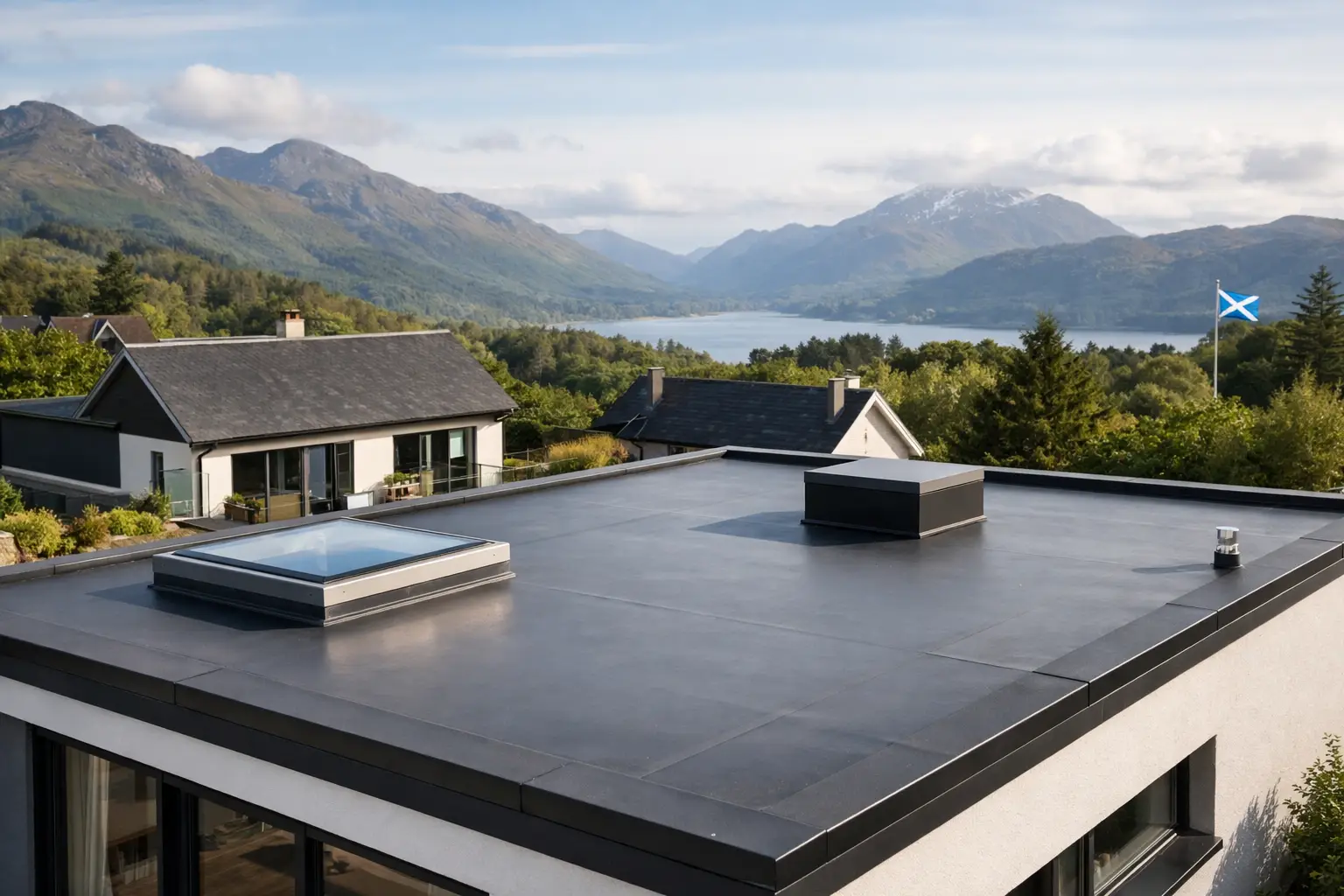
A flat roof that looks sound from ground level can still be holding water, splitting at an edge or failing around a rooflight. That is why choosing between the best flat roof systems is not simply a matter of picking the material with the longest advertised lifespan. The right system must suit the roof’s condition, its drainage, how the space is used and the weather it faces.
For homes, extensions, garages and commercial properties across Central Scotland, a properly specified flat roof can provide dependable protection for decades. The key is selecting a material that works with the building, then having it installed with careful preparation and sound detailing.
The roof covering matters, but it is only one part of the job. A good flat roof system includes a suitable deck, insulation where required, vapour control layers, outlets or gutters, and properly formed upstands at walls, doors, chimneys and rooflights. Water must be directed away rather than left to sit in low spots.
This is particularly relevant in Scotland, where prolonged rainfall, frost and high winds can expose weak joints and poor edge details quickly. A cheaper covering may appear attractive at first, but it can become poor value if it needs repeated patch repairs after only a few winters.
When assessing a roof, consider its size, access, existing structure and drainage. A small garage roof has different needs from a warm-roof extension beneath a bedroom. If the existing deck is rotten or the fall is inadequate, fitting a new membrane over the top will not solve the underlying issue.
EPDM is a flexible synthetic rubber membrane and is one of the most popular choices for domestic flat roofs. It is commonly supplied in large sheets, which means there can be fewer seams than with traditional felt systems. Fewer joins can reduce potential weak points when the roof is fitted correctly.
It performs well through changing temperatures, resists UV exposure and is suitable for many garages, porches, extensions and dormers. EPDM is generally low-maintenance and can offer a neat, understated finish.
The trade-off is that the roof deck needs to be smooth, dry and properly prepared. Edges, corners and penetrations still require precise detailing. EPDM can be an excellent long-term option, but it is not a shortcut for repairing damaged timber or poor drainage beneath it.
Fatra is a PVC single-ply membrane system designed for durable, watertight flat roofing. It is a strong option for homeowners who want a modern system with heat-welded seams, as well as for larger or more complex commercial roofs. The welded joints create a continuous waterproof surface when installed by experienced roofers.
PVC membranes are well suited to roofs with several details, such as rooflights, service penetrations, parapet walls or awkward shapes. They can also be used on certain refurbishment projects where the existing roof structure has been assessed and prepared correctly.
Fatra roofing is typically a higher-specification choice than basic felt. Its performance depends on correct installation, compatible components and suitable insulation design. For a planned extension, replacement roof or commercial property, it is often worth considering as part of a full roof build-up rather than viewing it as a covering alone.
Modern torch-on felt is a long way from the thin, short-lived felt some property owners remember. Quality systems usually use multiple layers, including a durable mineral-finished cap sheet, to create a reliable waterproof surface.
Felt remains a practical choice for garages, sheds, smaller extensions and roofs where budget is a major consideration. It can also be effective on more detailed roof shapes because it is adaptable around corners and changes in level.
The quality gap between products and installations can be significant. A properly installed multi-layer felt system can give many years of service, while poorly applied felt may blister, crack or lift at the laps. It is also important to manage the use of heat during installation, especially on older properties or roofs with combustible materials nearby.
GRP, often called fibreglass roofing, forms a hard, joint-free surface. It is laid as a liquid resin with fibreglass matting, then finished with a protective top coat. The result can be a clean-looking, durable roof that is particularly effective for small domestic roofs, balconies and extensions.
Because GRP cures into a firm finish, it can be less forgiving of movement in the deck than flexible membranes. The roof structure must be stable, and installation conditions matter. Cold, damp weather can affect the curing process, so scheduling and preparation are essential.
For the right roof, GRP offers an attractive, low-maintenance result. For a roof with movement issues, complicated drainage or a deck in questionable condition, another system may be more suitable.
The best covering can still underperform if the roof insulation is wrong. Most new flat roof projects are designed as warm roofs, with insulation positioned above the structural deck and beneath the waterproof membrane. This helps keep the structure warmer and reduces the risk of condensation within the roof.
A cold roof places insulation below the deck, leaving a ventilated gap above it. This arrangement can work in specific situations, but it demands correct ventilation and detailing. On refurbishment work, the existing construction, ceiling height and building regulations requirements all influence the practical options.
If a flat roof is above a heated room, improving insulation during replacement often makes sense. It can make the room more comfortable and may reduce heat loss. A roofer should assess the full build-up rather than simply covering what is already there.
Despite the name, a flat roof should not be perfectly flat. It needs a fall to guide rainwater towards a gutter, outlet or internal drainage point. Standing water does not always mean an immediate failure, but persistent ponding puts extra pressure on the waterproof layer and can shorten its service life.
Blocked outlets, undersized gutters and sagging areas are common causes of repeat leaks. Before choosing a new system, check whether the roof needs tapered insulation, new guttering, additional outlets or repairs to the supporting deck. Addressing drainage at the start is usually more cost-effective than dealing with water damage later.
There is no single answer for every roof. EPDM may be ideal for a straightforward garage roof, while Fatra PVC may better suit a larger extension with several rooflights and complex details. High-performance felt can offer solid value where a multi-layer system is appropriate, and GRP can be an excellent choice for a stable, smaller roof with a clean layout.
Ask for a clear survey and written quote that explains what is included. It should cover the condition of the existing roof, whether old materials will be removed, the proposed insulation and deck work, drainage improvements, edge trims, flashings and waste disposal. It is also sensible to ask about workmanship cover and what maintenance is recommended after installation.
At Forth Valley Roofing, we take the time to explain practical flat roofing options rather than pushing one material for every job. A roof should be built around the property, the budget and the expected lifespan, with workmanship that gives you confidence when the next spell of heavy rain arrives.
A well-chosen flat roof is rarely the one with the flashiest sales pitch. It is the one that deals properly with water, insulation and detailing from the first day of installation.
A practical roughcast maintenance guide Scotland homeowners can use to spot damp, cracks and weather damage before repairs become more costly over winter.
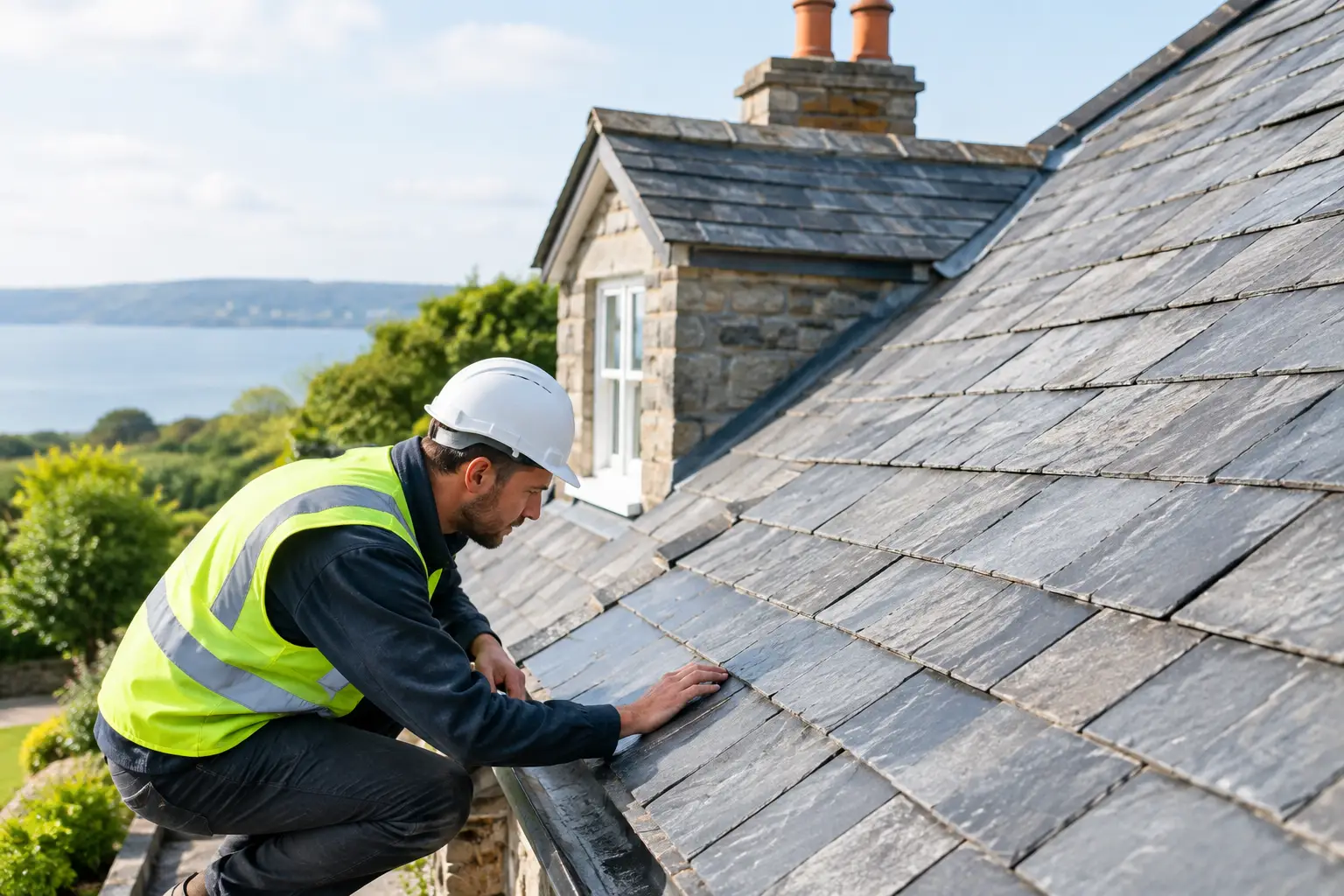
Learn how to assess heritage slate roofs, plan sympathetic repairs and protect a Central Scotland property from leaks, storm damage and costly disruption.
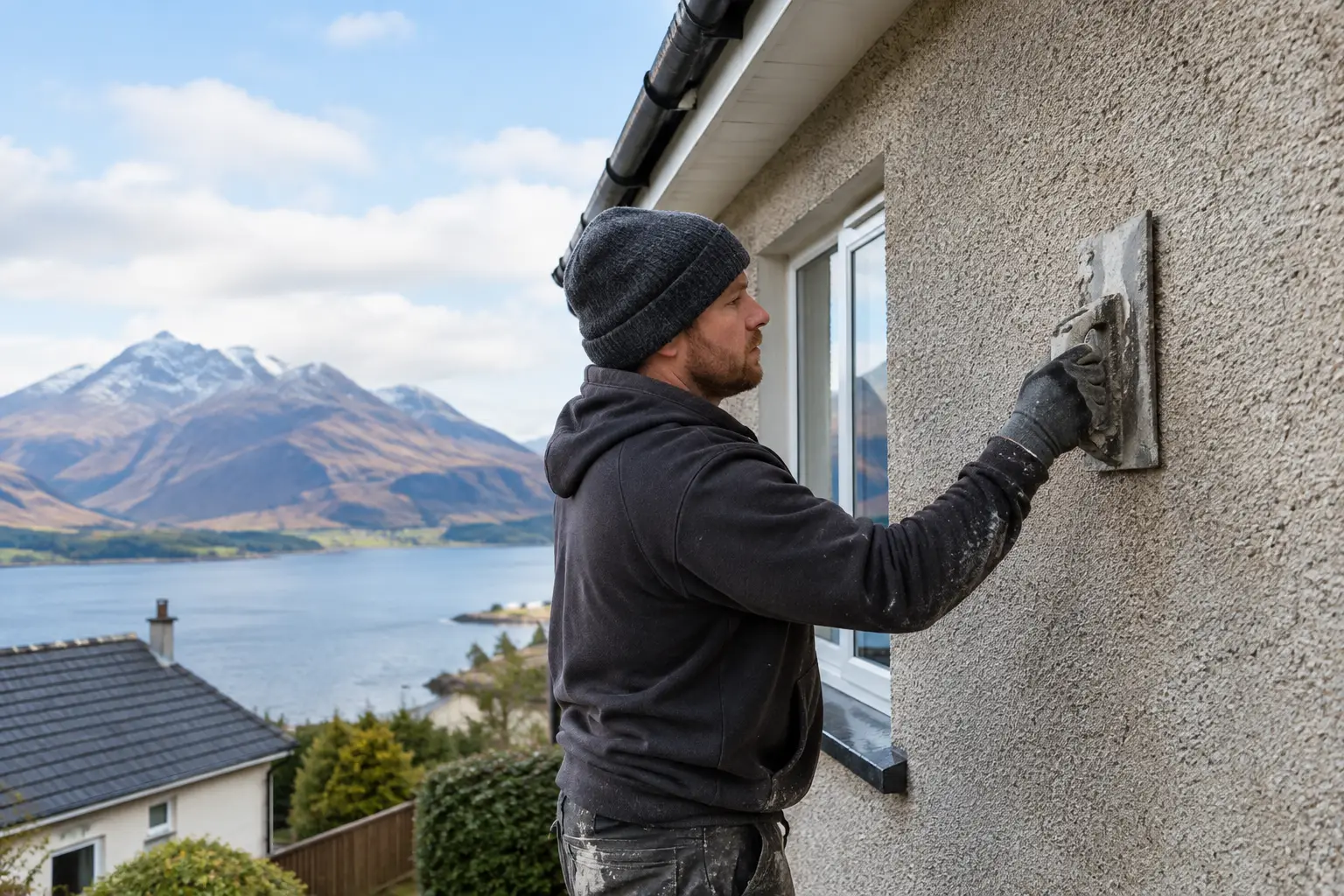
Is roughcasting worth it? See how this durable exterior finish protects Scottish homes, what affects the cost, and whether repair is enough for you...