
October 10, 2026
A practical roughcast maintenance guide Scotland homeowners can use to spot damp, cracks and weather damage before repairs become more costly over winter.

A peeling or cracked outside wall is more than a cosmetic problem. In Central Scotland, driving rain, frost and repeated temperature changes can let water into tired wall finishes, leading to damp patches, damaged masonry and a property that looks uncared for. Understanding the roughcasting vs render difference helps you choose a finish that suits both your home and the weather it faces.
The short answer is that roughcasting is a type of external render with a deliberately coarse, textured surface. Standard render usually describes a smoother coating applied to external walls. However, the best choice is not simply about appearance. The age of the property, the condition of the brickwork or stonework, exposure to weather and the type of existing finish all matter.
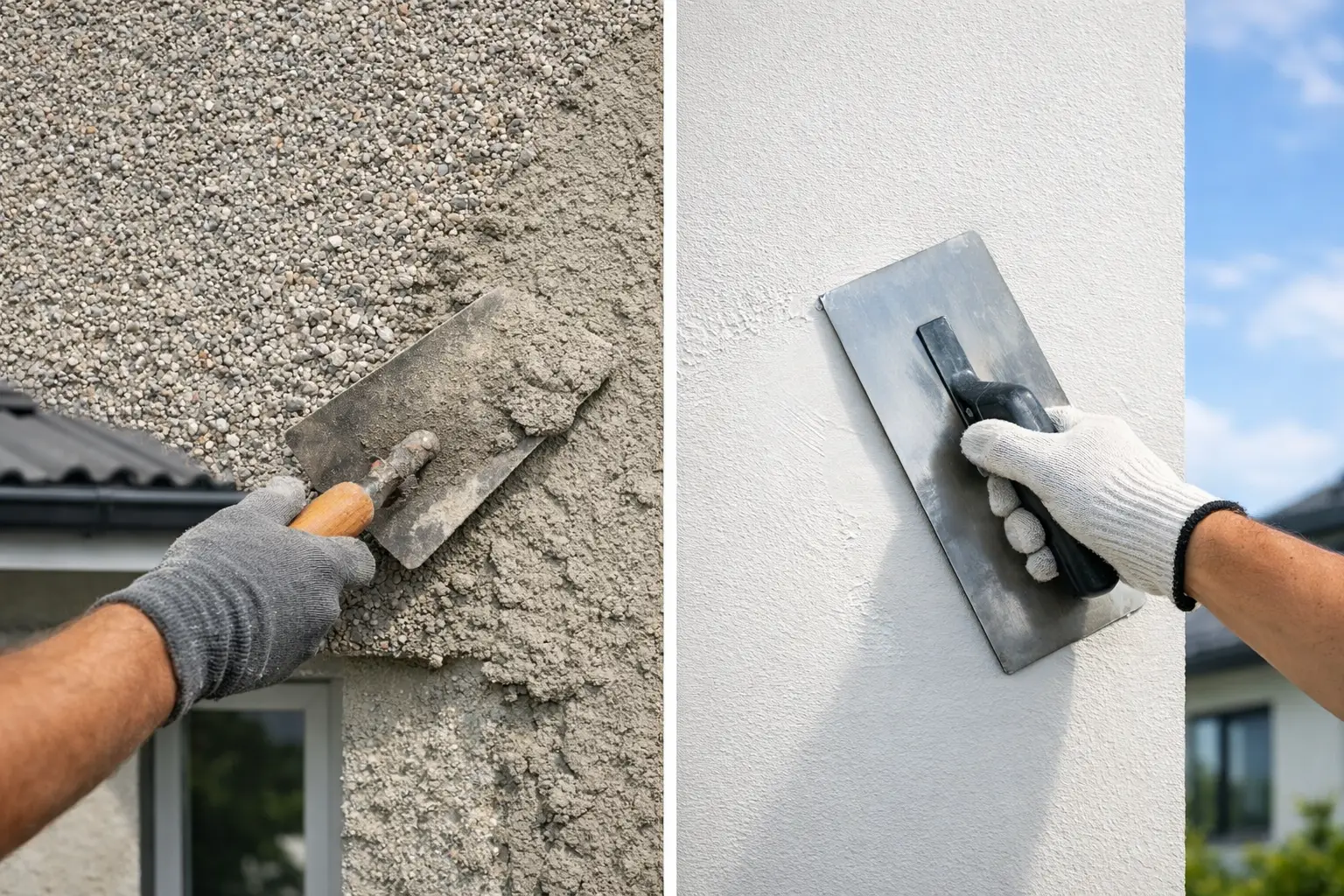
Both roughcasting and render protect external walls while improving their appearance. They are generally made from a cement-based or modern modified mix and are applied in layers over prepared masonry. The main difference is in the final coat.
Roughcasting has small stones, gravel or aggregate thrown or pressed into the wet surface. This produces the familiar textured finish seen on many Scottish homes. It is designed to be hard-wearing and to disguise minor imperfections in the wall beneath.
Smooth render is finished with a flatter, more even face. Depending on the system chosen, it may be painted after curing or supplied in a through-coloured finish. It can give a property a cleaner, more contemporary look, but it tends to show cracks, staining and uneven preparation more readily than roughcasting.
It is also worth clearing up a common point of confusion. In Scotland, homeowners often use “roughcast” and “render” as if they are completely separate jobs. Technically, roughcasting is one rendering method. A contractor may use the word rendering for the wider process, then specify whether the final finish will be smooth, textured, pebble-dashed or roughcast.
Roughcasting is a practical choice for properties that receive a lot of wind-driven rain or have walls with minor surface irregularities. The textured coat is forgiving, and its traditional appearance suits many older homes across Falkirk, Stirling and the surrounding areas.
A properly installed roughcast finish provides a tough outer layer that helps shed rainwater. Because the surface is uneven, it is less likely to reveal every small movement crack or repair line. This does not mean it is maintenance-free, though. Algae, dirt and staining can settle on shaded or north-facing walls, particularly where gutters overflow or nearby trees keep the wall damp.
Colour is another consideration. Roughcasting is often painted, which gives flexibility if you want to change the look of the house later. The trade-off is that paint will eventually need refreshing. A quality breathable masonry paint and sound preparation are essential. Simply painting over loose, damp or cracked roughcast will not solve the underlying problem.
Smooth render is often chosen where appearance is the main priority. It can sharpen the lines of an extension, modernise a dated elevation or create a neat finish around new windows and doors. Coloured render systems can be especially useful where homeowners want a consistent finish without planning regular repainting.
The preparation has to be right. A smooth surface makes poor workmanship obvious, so the wall must be clean, stable and properly primed. Cracks need to be assessed rather than just covered. If movement is ongoing, a suitable mesh and compatible render system may be needed to reduce the risk of cracking returning.
Smoother finishes can also be less forgiving in exposed locations. This does not make them unsuitable for Scottish homes, but it does mean the chosen system, detailing and workmanship need to match the building. Water must be directed away from the wall through sound roofline components, gutters, flashings and window seals.
Before deciding on roughcasting or a smooth render, look at what the wall is made from and what is already on it. Solid stone homes, older brick properties and modern cavity-wall houses can all need different approaches. A finish that is too hard or insufficiently breathable for an older wall can trap moisture rather than allowing it to escape.
Existing coatings matter too. Loose paint, hollow render, blown patches and signs of damp should be dealt with before new material is applied. In some cases, local repairs are sensible. In others, removing failed render and starting again is the more reliable option. A site inspection is the only way to judge this properly.
A well-applied roughcast or render finish should last for many years, but longevity depends on preparation and aftercare as much as the product itself. Water is the main enemy. A leaking gutter, damaged roof tile, failed chimney flashing or blocked downpipe can keep one section of wall wet and cause the finish to break down prematurely.
Roughcast repairs can blend in reasonably well when the existing aggregate size, texture and colour are closely matched. There may still be a visible difference, especially on older weathered walls. Repainting the full elevation after repairs often gives the neatest result.
Smooth render repairs are sometimes harder to hide because differences in texture, shade or trowel finish can stand out. Through-coloured render avoids the need for painting but can make colour matching more difficult if a small area is later repaired. Painted smooth render is easier to recolour across a whole wall, although it carries the future cost of repainting.
Neither finish should be pressure washed aggressively. High pressure can damage weak areas, force water behind the coating and loosen the surface. A gentle clean, suitable treatment for organic growth and fixing the source of persistent damp will usually protect the finish far better.
There is no single price for roughcasting or rendering because every wall presents different access, preparation and repair requirements. A straightforward gable wall is very different from a full house with scaffolding, awkward access, cracked masonry, old coating removal and detailed work around windows.
Roughcasting can be cost-effective on larger areas because it is a durable, traditional finish that masks slight imperfections. Smooth render may cost more where the wall needs extensive levelling or where a specialist coloured system is specified. The cheapest quote is not always the best value if it excludes preparation, proper beads around openings, crack treatment or safe access.
When comparing quotes, ask what will happen to loose existing material, whether damaged areas will be repaired first, how rainwater details will be checked and whether the finish includes painting. It is also sensible to confirm the guarantee provided for the workmanship and the materials being used.
Choose roughcasting if you want a durable, traditional-looking finish that copes well with minor wall imperfections and suits many Scottish properties. It is often the sensible option for exposed elevations and homes where practical protection matters as much as a crisp modern appearance.
Choose smooth render if your walls are in good condition, you want a cleaner architectural look and you are prepared to invest in careful preparation. A quality coloured system can reduce repainting requirements, while a painted finish gives more freedom to alter the colour later.
There is also a middle ground. Fine-textured render can offer a neater look than traditional roughcast without being completely smooth. The right answer depends on your property rather than current fashion.
If you are seeing cracks, hollow patches, damp staining or loose material, arrange an inspection before committing to a finish. Forth Valley Roofing can assess the condition of the external walls, identify whether roof drainage is contributing to the damage and explain the most practical repair or replacement option. A clear quote should leave you knowing exactly what is being done, why it is needed and how the finished wall will be protected for the years ahead.
A practical roughcast maintenance guide Scotland homeowners can use to spot damp, cracks and weather damage before repairs become more costly over winter.
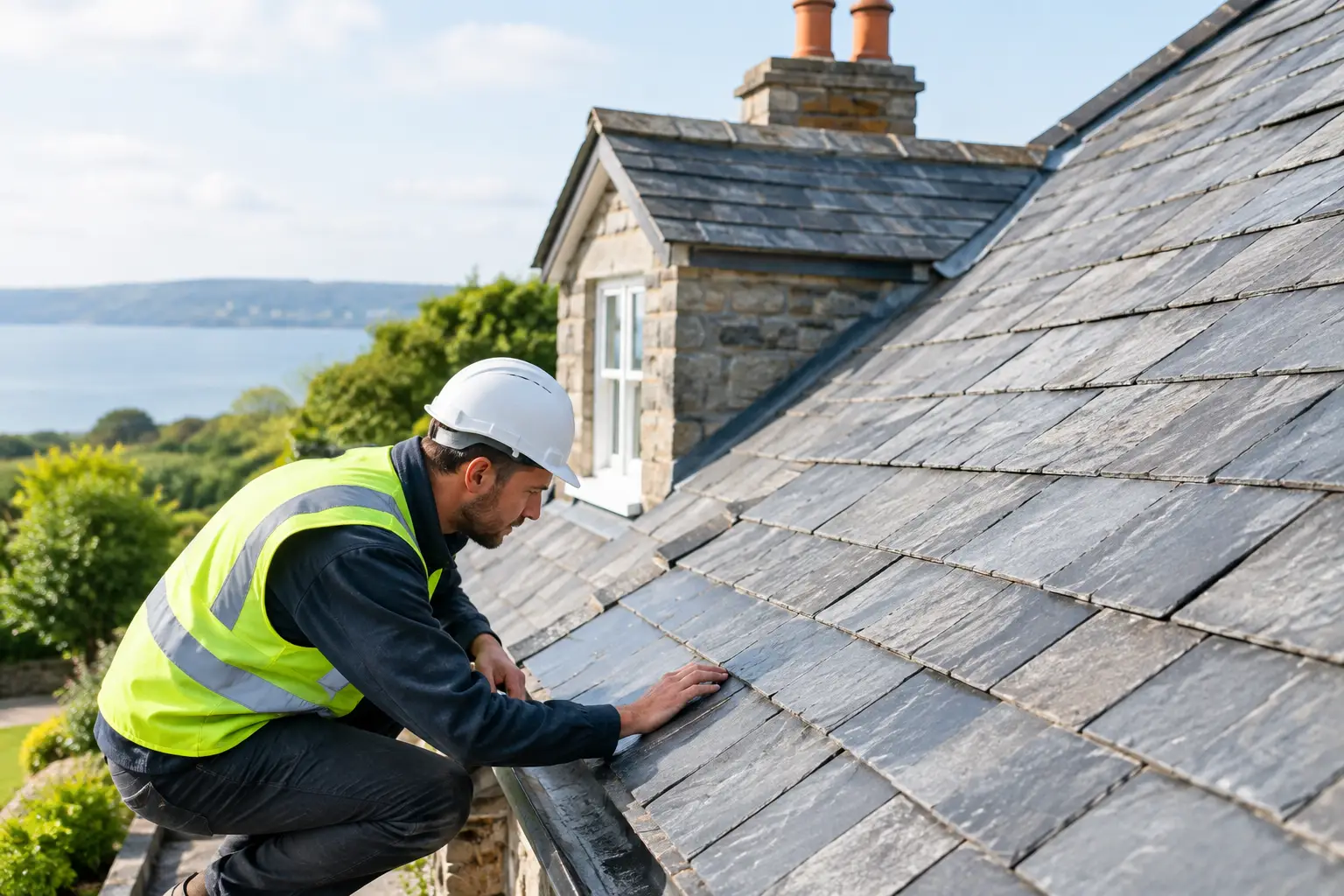
Learn how to assess heritage slate roofs, plan sympathetic repairs and protect a Central Scotland property from leaks, storm damage and costly disruption.
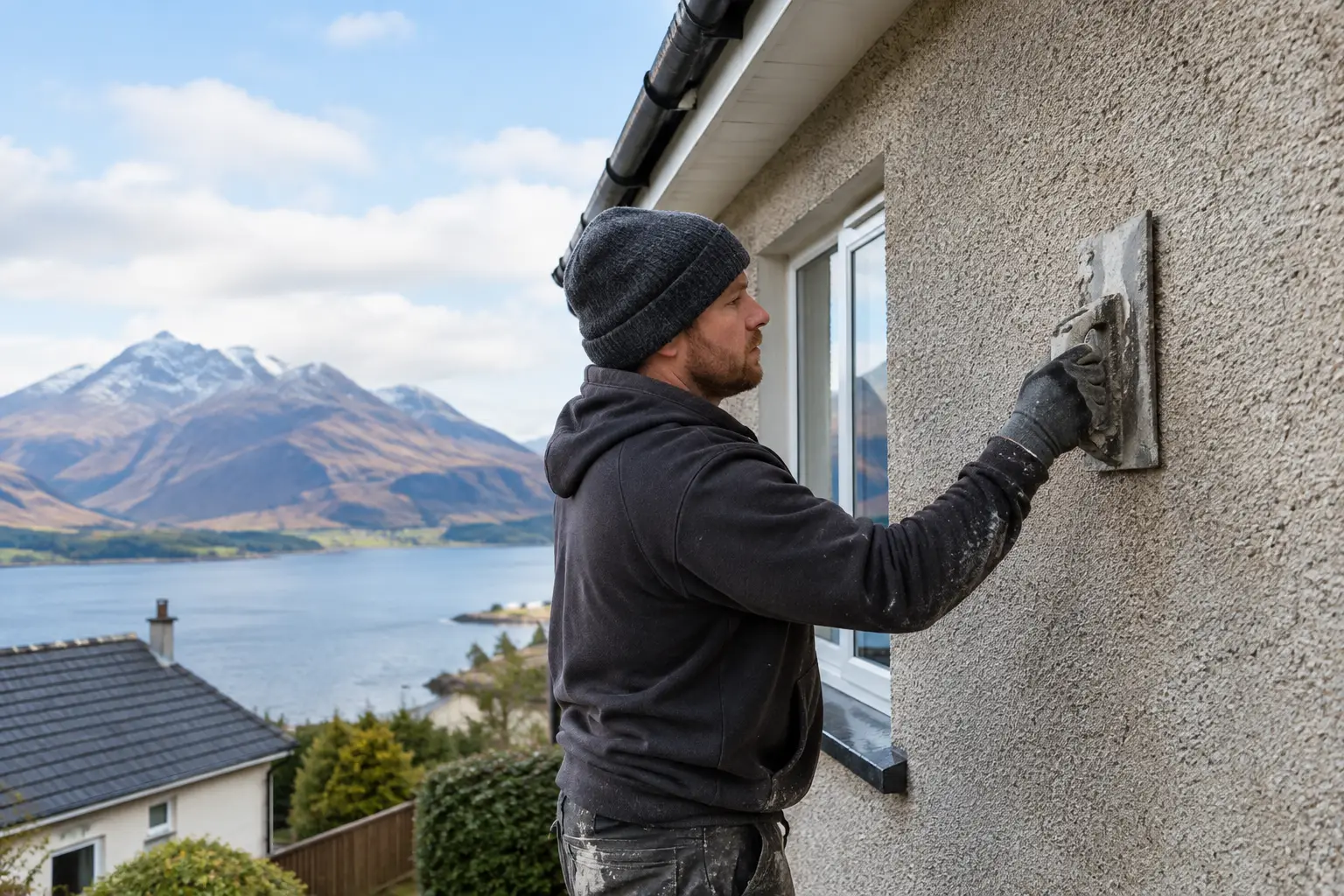
Is roughcasting worth it? See how this durable exterior finish protects Scottish homes, what affects the cost, and whether repair is enough for you...